Zhuanglian Castle Completion Guide: Medieval History and Liang Points of the Fire-scorched Province of Huicheng City, Qi Awa Province
Zhuang Lian Castle is this? : Medieval castle fort with high honor
Zhuanglian City is located in Yude Island, Zhuanglian City, Huiquan Town, Itano District, and is a medieval castle fort. From the Azuchi-Momoyama era to the Azuchi-Momoyama era, the production of Awaji, the politics of the Three Kingdoms of Japan, Awa, and Japan, the cultural center of Japan, the honorable “Tenka Shoren”, and one of the most important castle sites in the history of medieval Japan.
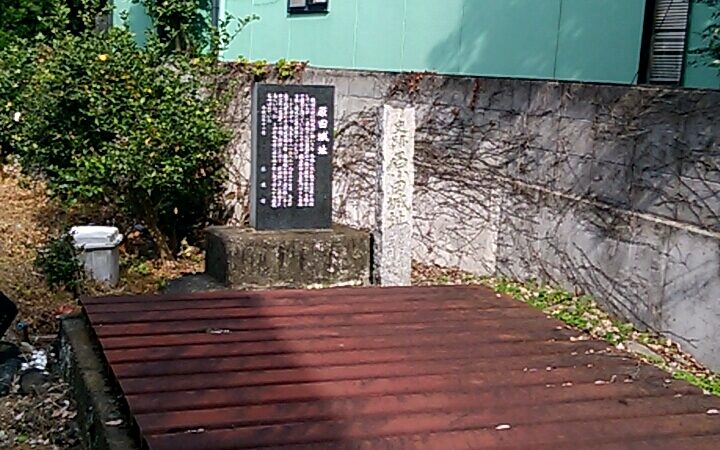
In front of us, the ruins of Zhuanglian City are designated as national historical monuments. On April 6, 2017 (Heisei 29), it was reviewed as “Japan 100 Famous Castles” (175th place). An existing medieval castle fort in Deku Island, Xiangshui Castle is a plains castle fort seen in one scene, and the two parts are composed of: “Shozu Castle Site”, a Japanese military base.
It was a medieval local castle city, was a prosperous time, was under the rule of nine generations of the Kawasaki clan, and three generations of the Kazuyoshi clan, and was the center of activity for 240 years. Nowadays, archaeological excavation workers are present, envoys are established, and it is understood that it was an important place for the residence of a governor in the medieval region.
History of Victory Water Castle: From time to time to the fall of heavenly times
Long time period Wananbokucho period: Residence of the local governor established by the Keikawa clan
The first appearance of the castle in history was during the Wananboku-cho period, which was the latter part of the Nagano period. Mr. Teikawa was appointed governor of Awa Province, and the Shofu residence was first located in Akizuki, Awa City, and then he was appointed as the Governor of Awa Province. Written by 经济优势昿.
High water level near the entrance of the Yoshino River, convenient waterway transportation. In addition to this, it is ideal for the governor’s office to provide access to various routes in Awa Province. The general name of the Teikawa clan was `Awa-fu'' and `Shinsuifu”, and the current location was Awa Province.
Muromachi period: The prosperous period of the Teikawa clan
In the Muromachi era, the creation of the water, politics in Awa Province, and the rise of the Ewa culture center. During the time of the Muromachi Shogunate, he was a powerful and protective daimyo, and the power of the Shukawa clan was unrelenting and extended to Anba Province, and the most powerful force was expansion and expansion to Gi Province, Awaji Province, and Chengdu and Shikoku.
During this period, the city was a thriving commercial city, with a wealth of water and water to protect. A large amount of cultural relics have been unearthed in archaeological excavations, the exhibition has been carried out at the current cultural level, comprehensive Chinese ceramics, tea ceremony utensils and Japanese high-quality lacquerware, and the status of the world’s cultural capital has been confirmed.
At the time of the consolidation of the Shuikawa clan, Hiroshizuya was also known as “lower residence”, and the Shuikawa clan was established in Kyoto as a center of politics and culture in the Shikoku region.
The era of war: The era of the Miyoshi clan’s rise and brilliance
At the beginning of the War, the Miyoshi clan was established as a vassal of the Kawa clan. Founded at the time of Motochō Miyoshi (father of Choyoshi Miyoshi), moved from the Miyoshi clan to the Shogunate, served as Torikawa clan, and was the official ruler of Awa Province.
Miyoshi Chokichi’s military power was exhibited in the Minouchi area, and he was once elected to Asano, and was honored as the “Lord of Japan”, but his true roots began in Awa. Under the rule of three generations of the Miyoshi clan (Gencho, Chokichi, and Choshun), the castle town reached its peak and prospered.
The archaeological excavation was carried out on the site of the residence in Shotsu, and during this period large-scale construction was carried out, and the dry landscape garden still existed, and the envoys were able to visit the residences of the feudal lords of the country. In addition to this, the castle town is surrounded by a large number of townhouses and roads, and the castle city’s space is displayed at the time.
Tensho 10th year (1582): Hirsui Castle falls to the Chosokabe clan
In the 10th year of the Tensho era (1582), a major rift occurred. The feudal lord of Tosa Province, the former vassal of Sokabe, invaded Awa Province, conquered Shikoku, and conquered Victorious Castle.
At this time, the last head of the Miyoshi clan, Choji Miyoshi, was no longer successful, and the nation’s power was weakening. The Sokabe clan, who lived for a long time, attacked fiercely, and Hirsui Castle was destroyed and burned. The final result of the 240-year long history of Awa Province centering on the victory of the water castle.
Afterwards, Hideyoshi, his vassal, conquered Shikoku, the Chosokabe clan surrendered, and Awa Province entered the country. After Mr. Hachiyeon established a new position in the island city, the city lost its central position in politics.
Consolidated special expedition at the ruins of Gunsui Castle
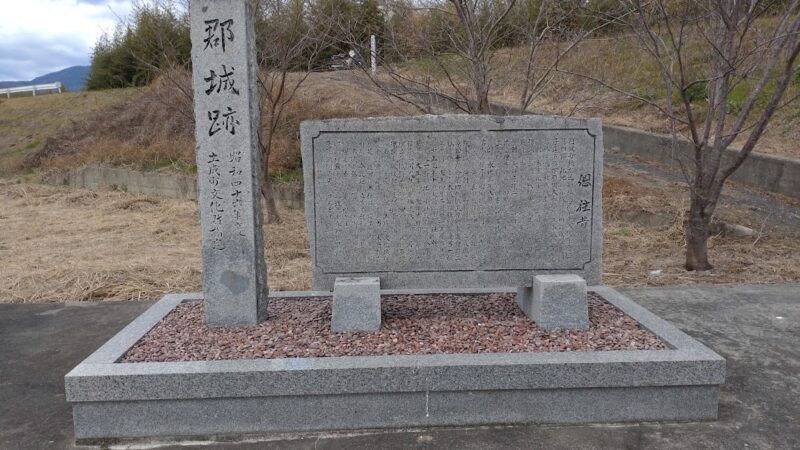
Fengshui City Ruins (within Yu Jiansheng Temple)
Inside Jianshuan Temple, the site of Fengshui City. Kensho-ji Temple is the Miyoshi family’s family temple, Terauchi Yasushi’s funeral is a memorial monument to four generations of the Miyoshi family members, and the founder of the Miyoshi family.
The castle fort remains, and part of the castle was put on hold during the construction of Kawa Hijikata. Ran Ran Archaeological Digging Works Co., Ltd., but used by the castle fortress Zeng’s military base. Contains defense works such as Hirsui Castle, Koichiza Hirahara Castle Fortress, and main Yukaku Castle Kawa Hijikata construction work.
Elements of early modern castle forts, such as stone burial mounds, are typical of the medieval Qi Plains castle fort shape. This is the main military base for emergency situations in the city.
Winsui Castle Site: Shugokoku daimyo and warlord daimyo’s official residence
Chengshui Castle Site is located south of Yungshui City Site, facing the intersection of No. 14, Yuku Road. This is the administrative center of the country’s feudal lords. Nowadays, the country’s history park is opened to the outside.
Important milestones from the archaeological excavation work that began in 1994:
Kenchikuto base stone: Excavated large quantities of large-scale construction tokuto basestones, construction sites for Seiden, synagogues, etc. The construction of the Japanese cloth station was confirmed, and this was the status of the feudal lord’s residence in the country.
Karesansui Garden: Excavated and perfectly preserved dry landscape garden reminiscent of the Muromachi period. The Flower Garden Exhibition will show the rich influence of Kyoto’s culture, and the city will be able to display the rich influence of Kyoto’s culture. Nowadays, when you visit a flower garden, you can see how it was done, and the envoys can imagine what it looked like in the past.
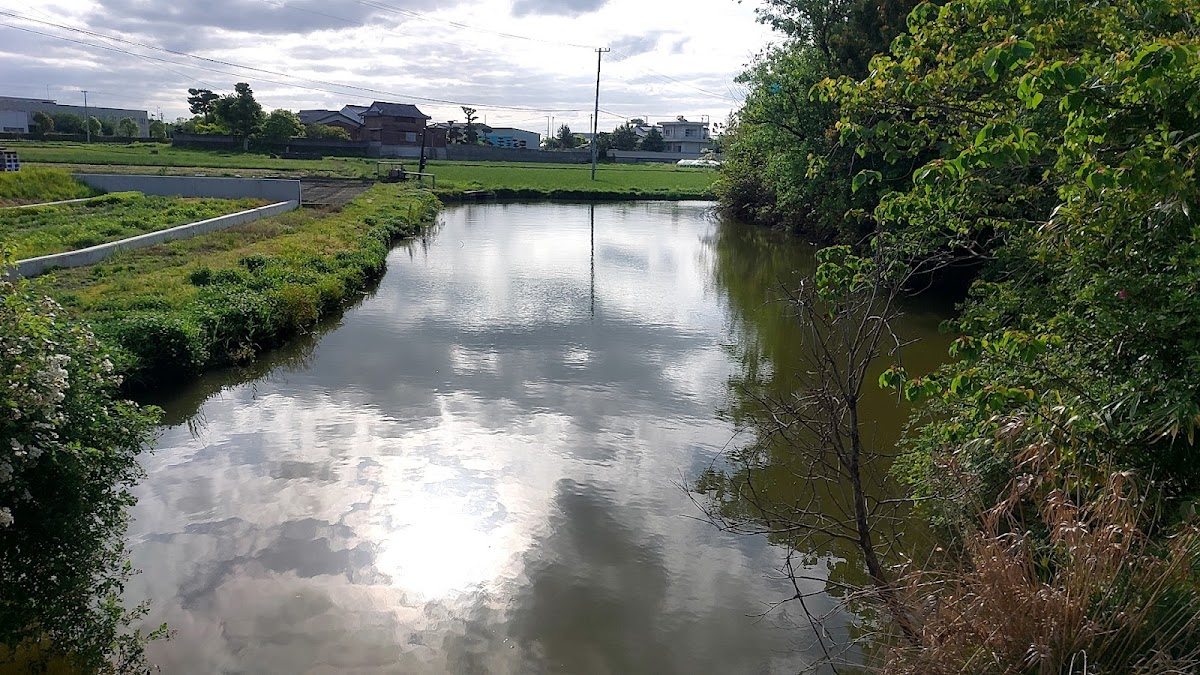
The distance of the castle river: It is confirmed that the surroundings of the castle river are the distance of the castle river, the existing defensive ability, and the conquest of the castle’s status. A large amount of cultural relics were excavated from the river in the city, and we hope to provide a link to the social life and culture of the time.
Road distance: A detailed road map within the city. This powerful land has been confirmed and the water city is not successful, so it is a castle fort, and the city has a lot of functions.
Fanshui City: The true face of medieval Qicheng City
After the formation of the ruins of the castle, it became a major castle town. The site of the castle town is designated as a national historical monument, and the name is “Xianshui Castle”.
The archaeological excavation team has shown a large amount of construction, water wells, roads and culverts, and the appearance of a thriving landscape in the medieval area of the city. A wealth of excavated cultural artifacts, including Chinese blue porcelain, Japanese white porcelain, household pottery, wooden items, Japanese metal items, etc.
Of course, you should pay attention to this, and it is possible that you will have success in your life. “Aisen Town” is the name of the place, and it is an aquatic district, which is an important cornerstone of the success of the water city, which is currently in operation.
Artifacts excavated from archaeological sites
Archaeological excavation in the right way
Since 1994, the archaeological excavation work at the Xiangshui City site has been carried out in a direct manner, and new works are being carried out every year. Comparisons with other sites throughout the country, cultural artifacts excavated from the site, the architectural scale, and the state of preservation are truly outstanding, and the true appearance of the residences of feudal lords and feudal lords from the medieval period, as well as the residences of feudal lords and feudal lords during the medieval period, has been provided as a valuable resource.
It is recognized that this achievement has been achieved, and was designated as a national culinary history on January 29, 2001. At present, under the leadership of the Zaikai Izumi Town Board of Education, the research program is currently in progress, and new ideas are constantly emerging.
Main excavated artifacts
Important cultural artifacts excavated from the Honji excavation:
Ceramics: Unearthed a large quantity of high quality pottery, comprehensive blue porcelain, white porcelain and blue flower porcelain.
Tea ceremony tools: Excavated tea bowls, tea leaf cans, vases, and other tea ceremony tools revealed by Moriyuki Tsui, a tea ceremony culture resident. This is a small literary object that has become a highly developed culture of feudal lords.
Wooden cultural relics: Wooden cultural relics such as lacquerware, wooden boxes, and wooden boxes are perfectly preserved. Partial lacquer decoration technique is particularly exquisite, and the craftsmanship was level at the time of exhibition.
Metal artifacts: Excludes swords, arrowheads, and other non-weaponry items, as well as unearthed metal items such as iron, armor, and armor.
Tile fragments: A large number of tile fragments have been excavated, and the existence of tile fragments has been confirmed.
The small cultural relics in the water castle ruins exhibition room were exhibited at the Wakai Izumi Town History Museum “Love Museum”, and the public was opened to the public.
Current status of Xiangshui City: 已开发为历historic park
Fengshui City Historical Park
At the site of Xiangshui City, the opening of the historical park of China, and the opening of the public park. The park has been designed and renovated as a dry landscape garden, the construction of which is based on the stone walls of the river, and visitors can visit the medieval residence of the governor’s office and the residence of a feudal lord.
Green grass in the garden area of Guangyuan, this is the ideal place to walk. If you visit the park, you will be able to see the historical background and historical background.
Gunsui Castle Ruins (Jianshui Temple)
The site of Hirsui Castle is now the family temple of the Miyoshi clan, a part of Kenshuji Temple. Yuyu temple is located in the temple grounds, please pay attention to the time of visit, however, it is possible to see it as a monument of important historical significance, such as the tomb of the fourth generation of the Miyoshi clan, and the memorial monument of the Miyoshi family.
The construction of Kawa Castle and Hijikata’s construction has been perfectly preserved, and the medieval castle fort has been completely preserved.
Japan’s 100 Famous Castles Votes (续)
Winshui Castle Yu was selected in 2017 as one of Japan’s 100 most famous castles (175th place). Purchase ticket for “Love Museum” in Izumi Town History Museum. If you are a fan of visiting the city of Yu, this is a must-visit history.
Castle Seal
The seal of the castle designed by “Wingsui City Future Connecting Station” is the place where the castle was sung. This is a dyed dye unique to Kaiizumi town, which is a hot product unique to the area.
“Wishing Water City Future Connection” has opened and exhibited various activities, the attractions of Victory Water City, which include “Love Spring Laughter Tour”.
Transportation guide to Hangshui Castle Site
Public transportation
Sitting JR:
- Get off at the JR High Speed Line “Shinsui Station” and walk approximately 15 minutes.
- After leaving the station, you can go to the entrance of the Pilgrimage Road and walk to the west side, where you can reach the Shui Shui City Castle Site.
It takes about 10 minutes by car to get to the airport, making transportation convenient.
Selfishness
High-speed public road:
- Approximately 5 minutes by car from the Aiquan IC exit of the Lude Island Expressway.
- Providing car parking and convenient transportation.
Used ordinary roads:
- Arrive on National Highway No. 11, Guan Road No. 14, etc.
- Immediately accessible by car, approximately 20 minutes from the center of Lingde Island.
Installation information
Wingsui Museum Site History Park:
- Site: Tokushima, Itano-gun, Kaisen-cho, Yisui
- Opening time: full open
- Gate ticket: No charge
- Parking: No charge
Champion Water Museum Archaeological Excavation Office:
- Opening time: 9:00-16:00 from 1st to 5th week (closed from 1st to 5th week)
- Exhibits: Archaeological excavation results, partially excavated artifacts
- Gate ticket: No charge
Kaisen Town Museum of History “Love Museum”:
- Opening time: 9:00-17:00
- Closing day: Zhou 2 (one day)
- Gate ticket: 300 yen for adults, 200 yen for elementary and junior high school students, 150 yen for elementary school students
- Exhibits: Cultural relics excavated from the Fengshui Castle ruins, history of Yingli dyeing industry, etc.
Notes on the site of the water castle.
- Feng Shui City Palace Site History Park: Take a look at the city history park, explore the historical gardens of Xinzhui Chongjian, and get an overview of the castle site.
- Fengshui City Ruins (Jianhuan Temple): Punishing the road, go north to Jianhuan Temple, visit the castle ruins.
- Exhibition settings: Located in the official residence of the Japanese Museum, you can visit and understand the excavated artifacts in detail.
- Exploration of surrounding area: During your time, you may walk around the ruins of Fengshui Castle in the town where you are the protector.
Historical meaning and future prospects of Shui City
Importance of research into the history of medieval Japan
The site of Hiroshizu Castle is an important archaeological site in Japan’s medieval period, especially during the Muromachi era and the Japanese colonial era. It is possible to have a small number of places where a local governor resides, or a country’s feudal lord’s residence, and the study of the passage across the country is impossible.
The reason for the acquisition is that the most important research topic is provided by the treasurer’s information, such as the history of the transfer of power from the river to the Miyoshi clan, the history of the city in the Middle Ages, and the reception of local culture.
Resource utilization of production area
Zaisaiquan Town, the site of Xinshui Castle is located as an important area of cultural resources, and there are various utilization items. The town is a joint effort between local residents, the development of a historical park, complete exhibition planning, and the use of conservation methods, as well as a historical park.
Citizen organizations such as the “Wishing Water City Future Connection Complex” and other citizen organizations are also open and exhibiting activities, and the establishment of the establishment of the use of the industrial historical site in the central government of the social district is permitted.
Future research and planning
The construction of the castle’s ruins has been completed, and the archaeological excavations have been completed. In particular, the structure of the castle town and its production system are extremely clear in many areas.
Aisen Town has established the basic research results, established the historical site, and developed the results of the research. In the future, the goal is to visit the historical park of the first troupe, and to explore the landscape of the medieval castle.
Overview: The charm of Hirishui Castle—the center of medieval Kiawa
Hirsui Castle is the most important site in Shikoku in the medieval period, and has been the site of powerful feudal lords such as the Keikawa clan and the Miyoshi clan for 240 years. It is not economical, it is centered on politics, it has a highly developed and enriching culture, it is prosperous, it is prosperous, and it is praised as “the water of the world.”
In 1582, the city was destroyed and disappeared from the historical stage, but was buried underground, and the traditional Japanese cultural relics are still alive and well, and the appearance of castles in medieval Japan. The site of the castle has been designated as a national historical monument, and has been included in the list of “Japan’s 100 Famous Castles”, making it a must-visit place for people who love history and have a sense of medieval history.
When you visit Dek Island, you must visit the ruins of the water castle, and experience the Shikoku politics, as well as the cultural center of Eiwa and its thriving medieval ruins. As a result of the ongoing archaeological excavation process, more and more cultural artifacts have been discovered in the city, and the sights of the mission have been highlighted.