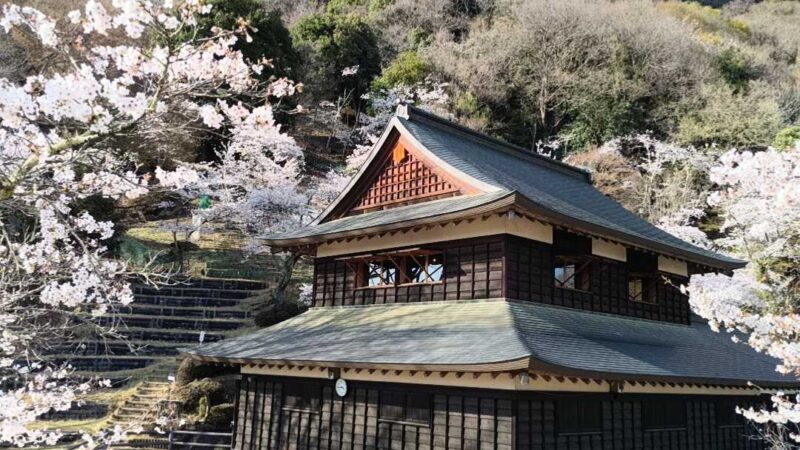
Kofu Castle completion guide: Maiden Castle history, light point and communications breathaly explanation
Kofu Castle Located in the center of Kofu City in Yamanashi, this is a flatland castle fort built by Hideyoshi, a subordinate of Yusuke Ichiza. Also known as “Maijo Castle”, the name is similar to the white castle. At present, the production of the production of the Maiyang Castle Park and the Kofu City History Park has been designated as a designated national history park. The main text is fully detailed, including a comprehensive history of the city, a comprehensive history of the city, and practical communication information.
Kofu Castle Summary: Basic information and overview
Kofu Castle is a flatland fort located on a small mountain in the northern part of the Kofu Basin. There are over 20 large public forts, many different outer forts, comprehensive castle towers, castle tower outer forts, Shogaku temple outer forts, and several outer forts for Japanese ironsmiths.
Origin of the other name of Maiyon Castle
The place of Kofu Castle is also known as “Maiyu Castle”, which is why it is so elegant. The name of the white castle that was sent to the white castle was that it was just a winged fairy. During the post-war period, the beautiful scenery of Kofu was directly observed.
Kofu Castle ruins
In front of us, a portion of the castle fort is being opened Maiyu Castle Park, and Kajikuruwa (铁工铺の围场) in the south is being opened Kofu City History Park. The geographical location of Kofu Castle is excellent, the distance is about 3 minutes from JR Kofu Station, and it is a hot and scenic spot for visitors and local residents. A magnificent panoramic view of the Kofu Basin from the bottom of the castle tower.
History of Kofu Castle: Construction now underway
Kofu after the death of the Takeda clan
In 1582 (10th year of Tensho), Nobunaga Hirota conquered the Takeda clan, overturned the Takeda clan, and entered Kofu. After the change of Honno-ji Temple, the area was changed to Tokugawa Ieyasu’s control system. However, in 1590, after the conquest of Odawara, Hideyoshi, a vassal, was divided into a new territory, and Shokofu was established under direct control of the vassal government.
History and purpose of Kofu Castle construction
After the death of the Takeda clan, Kofu Castle was built by the successor Hideyoshi. The purpose of the construction of Kofu Castle was to hold it as an important strategic strategic point, and to protect it from Tokugawa Ieyasu in the eastern region. At first, Hideyoshi, the vassal, was the lord of the castle. After that, Nagamasa Asano and his son Yukinaga Asano became the lords of the castle, and the castle was completely built.
During the long period of time, the construction of Kofu Castle progressed step by step, and the final construction was completed, using the Hiroya flatland fort of Ichijo Koyamaoka. This is a large fortress with a castle tower, a castle fortress, a castle in Nagoya, a castle in Nagoya, and a castle in Osaka.
Kofu Castle in Edo era
After the war of Kanbara, the Tokugawa shogunate was established, Kofu Castle was constructed, and important defensive works were carried out to invade the west, but its importance still remains undetermined. Chikayoshi Hiraiwa, a high-ranking vassal of Ieyasu Tokugawa, was the lord of Kofu Castle, and later became a secret daimyo of the Yotokugawa family, a vassal of the Nyo shogunate, Kazuyo, a lord of Kofu Castle.
Of course, you should be careful. During the Genroku era, the fifth general of the military, Tokugawa Shinkichi, was the lord of Kofu Castle. Liu Xiyi Kang’s strength and strength are shown in Kofu Castle and its surrounding castles, and the castle defenses are also strong. However, in 1724, Yanagi Saenori and Yasuyuki Yanagi Saenari were transferred to Yamato County, and Kofu Castle was established as a “Kofu Kinban Kansu” (non-mainland), and was under direct control of the shogunate.
Modern change
In 1727, the Great Fire of Kofu Castle destroyed the construction of the castle. After the completion of the project, it was partially rebuilt, and completely renovated at the beginning of the Edo era.
At the beginning of the Meiji period, the castle was built in Yuyu, the castle was moved to Kofu, and the land within the castle was used for public use by private individuals and schools. However, the construction of a part of the stone mound and garden has been retained, but the majority of the construction remains intact.
In 1968, Kofu Castle was designated as a national historical monument. After this, items were opened in Yamanashi and Kofu City. Let’s restore Kofu Castle’s old days, make everyone’s efforts, comprehensively renovate the building in 2004, and renovate the mountain gate in 2013.
Kofu Castle Light Point: Must-see scenic spot details
Castle tower: A perfect panoramic view of the Kofu Basin
Kofu Castle’s most popular attraction is the castle tower, the highest point in the castle. The main castle is the main castle of the main castle tower, the main castle tower of the main tower, the main castle of the castle tower, the main castle of the castle tower, the main castle of Nagoya Castle, Aizuwakamatsu Castle, and the main castle of the main castle.
A magnificent 360-degree panoramic view of the Kofu Basin from the top of the castle tower. In the bright sun, Mt. Fuji can be seen from Mt. The scenery at sunset is especially spectacular, Kofu city lights are lit up and the castle city is lit, and the general area is like a fairyland.
The castle tower was built using the ancient “wildflower bamboo method” for the stone citadel, and its special feature is the natural stone coffin, which is formed with a magnificent appearance. This small stone tomb is a rare piece of history, and the techniques used during the construction of the fort.
Stone Mound: Exhibition City Fort Construction Technique
Kofu Castle’s stone burial ground is one of the most important historical forts in the ruins of the castle. The original appearance of the construction of the castle tower, the castle tower, the castle fort, etc., the construction of the capital, the wild grass, the legal stone burial ground, and the living area have been completed.
The stone materials used for the construction of the burial mounds were originally Hanabu Rock and Andesite in the Kofu area, and some of the stones still have cleavage marks and holes in the area. It is understood that the wedge hole is used to open the stone head when the wedge is inserted, and the stone craftsmanship craftsmanship is worth the treasure.
Besides this, there is a stone head with carved lines inside the stone wall. This is a trivial observation, because the fort builder was in charge of the situation, and this is the history of the people who were lost, so it is the existence of the people who were in charge of the fort builder.
稻加詹(稻加橹): Heisei era modification
The building was renovated in 2004. The foundation of the archeology has been excavated from the history of the Edo period, and the original appearance of the area of exhaustible loyalty.
Visitors can explore the inside of the tower, and the history of Kofu Castle and its construction techniques will be exhibited. From the top of the tower, you can get a bird’s-eye view of the castle park, and you can see the structure of the castle fort. Compared to the white walls and black tiles, it evokes the elegance and elegance of the city during its heyday.
Black Iron Gate: Honmaru Main Gate
Black Iron Gate This is an important castle gate that allows you to pass through. In 2013, the building was renovated, and the square-shaped castle gate (square-style castle gate) structure, Yukora-style gate (square-style castle gate), and Japanese-style castle gate (tower gate) were completed.
A steel plate on the top of the castle gate. During the restoration process, there are reference stones excavated from archaeological excavations, historical records from the Jiang Dynasty, and the original appearance of the source of power. Drilling through the black iron gate, the road is like the one in front of the main enclosure, which is the route along which the equipment passes.
Yamanote Gate: The bright spot of Kushi Park in Kofu City
The Yamate gate is located in Kajikurawa (Iron Craftsman’s Hall) on the south side of Kofu Castle, and is one of the main castle gates in Kofu Castle.Renovated in 2013. This gate is an important entrance to Koshu Kaido, and is an important transportation hub for Koshu Kaido (Tokyo) and Kofu.
Yamanote Gate is a core facility of the Kofu City Historical Park, and is a museum with internal facilities. The exhibition includes the historical history of Kofu Castle, its appearance as a castle town, the results of archaeological excavations, and the establishment of the envoys, which make Kofu Castle a must-visit place.
The surrounding area of the castle gate is a monument to the castle river, and visitors can experience the history of visiting Kofu Castle during its heyday. In addition to this, the route of the Koshu Kaido in front of the castle gate gives the impression of a traveler during the Edo period.
Naishoin Gate and Kuruwa Gate: Renovation of each castle gate
Kofu Castle Yutaza castle gate was established, and the guardian of the castle was appointed. Naishoin Gate和织贻黑和门也已复、纺为游览城池的显方.
It is understood that the castle gate is an important monument in the defense system of Kofu Castle. Along the city and pond, the construction of roads in various places, and the construction of defensive structures for the invasion of foreign invaders.
Kuruwa Sukiya Kajikuruwa: Understood Kofu castle structure
Kofu Castle is a group of castle forts consisting of a group of castles. Kajizukazuka is a tea room that includes other cultural spaces, and Kajizukazuka is also recognized as a work of iron craftsmanship.
As of now, Kajizukazuka has opened the Kofu City History Park, where visitors can visit the Yamate Gate, and the ruins of the castle river. The park is located south of Yu Kofu Station, with convenient transportation.
Kofu Castle Great Record
- Tensho 10 (1582): The Takeda clan died.
- Tensho 18 (1590): Kofu Castle began to be renovated under the orders of the vassal Hideyoshi.
- 1600: Kofu Castle owned by the Tokugawa family after the war of Kanbara.
- **Genroku 3rd year (1690): Yanagi Saiyi was the lord of Yasusei Castle.
- **9th year of Keiho (1724): Yanagi Saenari was assigned to Yamatokoriyama, homeroom teacher was Kofu no Shujocho.
- **Kyoho 12th year (1727): Great fire in the castle, and the construction of the castle was completed.
- Meiji period and new era: The castle was under construction, and the castle construction process continued.
- **1968: Designated national industrial history.
- **2004 (Heisei 16): Renovation of castle tower completed
- **2013 (Heisei 25): Iron gate Wayamate gate repair completed
Kofu Castle (Maijo Castle Park) Landmark and Park Cloth Bureau
The two parts of Kofu Castle Ruins: Maiyu Castle Park (north side) and Kofu City Kuushi Park (south side).
Maiyeon City Park Area
- Cathedral (highest point)
- Honmaru Castle Site
- The castle tower gate
- Iron gate
- Homemade irises
- Sukiya iris school
- Naishoin
- Stone burial mounds
Kofu City Kushi Park Area
- Yamate Gate
- Kaji Iris Band
- Stone Citadel and River Castle
- History Exhibition Room
The total travel time for each area is approximately 1.5 to 2 hours. There are many roads leading to and from the castle tower, and the construction is perforated and suitable for wearing shoes.
Hot springs: Kofu Castle and hot spring culture
The castle town of Kofu, which was founded in the early 19th century and was home to hot springs and culture. In fact, it is Yucun Hot Springs, which was once a resting place for castle lords and their vassals, and since its inception in the era of Takeda Shingen, it is now a hot spring resort with a long history.
The envoy is now in Kofu City, has arrived at the hot springs, has completed the tour, has returned to Kofu Castle, is free of stress, and is exhausted. A unique method of Kofu where the castle is built, the castle is built, and the hot springs are combined.
Tour information
Opening time
Maiyu Castle Park
- The park itself is open 24 hours a day.
- Main tower gate: 9:00 am – 4:30 pm (last entry time is 4:00 pm)
Kofu City Kuushi Park (Yamate Gomon)
- 9:00 am – 5:00 pm (last entry time 4:30 pm)
Closing date
Kyoto Tenshu Awa Yamate Gate (Kyodo)
- Every week (one day per week, one working day per week)
- Year-end/early holidays (December 29th to January 3rd)
-Other times and dates may change.
*The park has been opened all year round, and visitors can walk there.
Gate vote
Maiyu Castle Park and Kofu City Kushi Park uniform fee entry area
Walk Park, visit the Western Yamate Five Gates, free of charge. This is one of the most attractive features of Kofu Castle.
Traffic Breath
Sitting fire car
- About 3 minutes from JR Chuo Line Kofu Station South Exit (Maijo Castle Park)
- Approximately 5 minutes walk from JR Chuo Line Kofu Station South Exit (Kofu City Kushi Park/Yamate Gomon)
Running car
- Approximately 20 minutes from the Chuo Expressway Kofu Showa Exchange Road
- Approximately 25 minutes from Chuo Expressway Ichimiya-Misaka interchange road
Stop
- There are many transportation stops around Kofu City.
- Maiyong City Park has a free parking area at the gate, but there is a parking area nearby, which is convenient for parking.
Zhi Yun Guiyu
In 2004, after renovating the building, Kofu Castle Service was invited to participate in the invitation, and has been in operation since then. How to participate in the study, and study before the construction. I understand the history of Kofu Castle and the general history of Kofu Castle.
Zhoujian scenic spot
Takeda Shrine (Ruins of Tsujijizaki residence)
Takeda Shrine is located on the site of the former residence of the Takeda family, the residence of Tsujijizaki, and is dedicated to Takeda Shingen. Before the construction of the castle in Kofu, this was the center of Kai Province. It takes about 10 minutes to get there from Kofu Station, which is a sightseeing spot at Kofu Castle that has never been seen before.
Kofu City Fujimura Memorial Museum
This is a Western-style building built during the Meiji era, and now it is located in the Maiden Castle Park. The construction of the first building in Yamanashi is a complete Western-style construction, Kofu Castle is a rare cultural heritage, and the interior tour is provided.
Koshu Yukou
The Koshu Dream House was located at the Kofu Station North Exit, and the Kofu castle town appearance of the Meiji, Taisho, and Showa eras was completed. A restaurant located on the highway, a restaurant with Japanese souvenirs, and an ideal place for a casual Japanese restaurant.
Kofu Castle Travel Guide
Best time to explore
The four seasons of Kofu Castle are beautiful, however, the following is recommended for the following seasons:
- Spring season (late March to early April): This is a famous place to visit, and there are about 160 Yoshino gardens. At night, the lights shine brightly on the night view of the maple flowers, and the beautiful view of the maple flowers is beautiful.
- Autumn (November): Autumn leaves burn, stone cliffs and red leaves intersect, and the scenery is spectacular. **Winter season (December to February): The air is fresh, Mt. Fuji can be seen clearly, and the view from the bottom of the castle tower is even more beautiful.
Knowledge and portable goods
- It is not necessary to walk in the shoes of your choice, because the talent reaches the bottom of the castle tower.
- The sun shines brightly in the summer, and the hat is protected against frost.
- Winter winds are very cold, and thermal protection measures are in place.
- This is a must-have item. A view of the Japanese stone burial mound at the bottom of the castle tower.
High efficiency optical path
- Yumaicheng Park in front of the South Exit of Yukofu Station
- Visit the castle tower
- Piercing the iron gate into the main castle wall
- Climbing castle tower, Akiza, beautiful view of Kinzhen
- Mantoyu Sukiya-style Japanese cargo flow area
- Former Kofu City Kushi Park
- Visit Yamate Gomon Japanese Museum
It takes approximately 1.5 to 2 hours to walk this route.
Summary: The charm of Kofu Castle and its surroundings
Kofu Castle was built by Hideyoshi, a retainer of the Takeda clan, after his death, and was an important center of Kai Province during the Edo era. Now, the construction of Maiyeon Castle Park and the opening of the historical park in Kofu City, there are many scenic spots, such as the beautiful scenery of the main castle tower, the exquisite beauty of the stone tombs, and after the renovation, the castle tower’s Awa Yamate Gate.
Kofu Castle distance: 3 minutes walk from JR Kofu Station, excellent geographical location, convenient transportation. The castle tower overlooks the Kofu Basin, the scenery is spectacular, it is one of the most scenic spots in Yamanashi, and has been attracting many visitors for many years.
Kofu Castle is a rare cultural legacy, and the history of the Edo era when the country arrived at Kofu Castle, and the arrogance of the people of Yamanashi. Right in front of us, the progress of Kofu Castle, the ongoing renovation work, the future of the future, and the bright light of old days. This is not the ideal choice for a history lover, but it is also a magnificent sight to behold, a leisurely stroll, and a perfect choice for a visitor.
As soon as you have a chance to visit Kofu, there is no need for you to go to Kofu Castle, and you will experience the unique charm of the history of the world.