Matsue Castle completion guide | National treasure castle tower’s history, light points, transportation and travel information
Matsue Castle is located in Ushima, Matsue City, and is one of the most representative castle forts in Japan. Designated as a national treasure in 2015, the castle tower is one of the 12 existing towers in Japan, and has attracted many visitors throughout the year. The full text of the main text is included in the review of Songjiang Castle.
Matsue Castle Summary
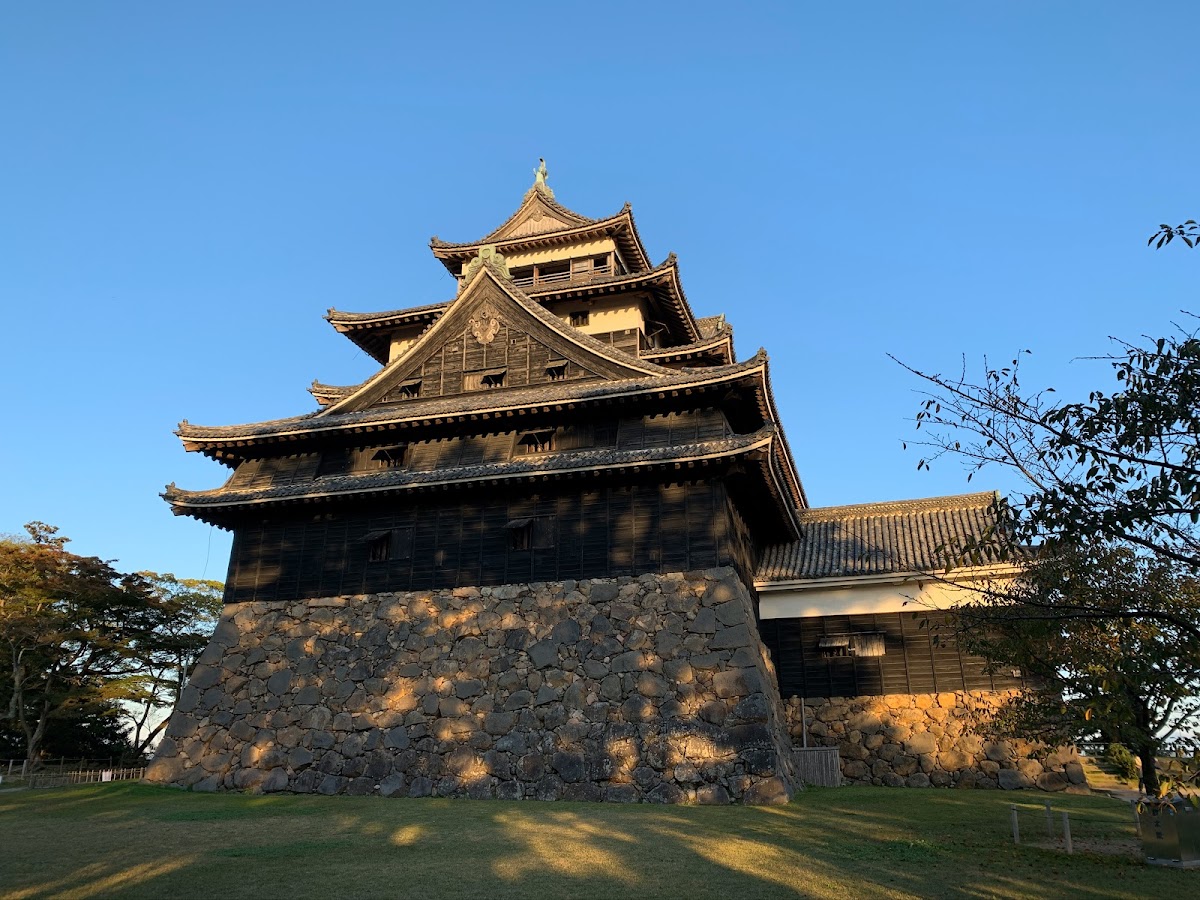
Matsue Castle is a flatland castle fort built in 1611 by Yuhorio Yoshiharu. The place is located on Mt. Kuta in the 28th century, which is the “Water Castle” in Matsue City, located between Lake Shinji and Nakaumi Lake in Matsue City.
The black wooden panel of Matsue Castle, also known as “Chicho Castle”, has a majestic appearance that has remained unchanged for over 400 years, and has attracted many visitors.
National Treasure Certification History
Matsue Castle’s castle tower was established in 1935 under the National Treasure Preservation Law, and was recognized as a national treasure (currently an important cultural treasure). 63 years later, on July 8, 2015, it was officially recognized as a new national treasure.
The key factor in promoting the recognition of a national treasure is its appearance as a single piece of personal symbol. In 2012, the name of the first temple in Matsue City was displayed, and the upper surface was engraved with the words “Auspicious day of January 16th year”, and the construction date of Matsue Castle was confirmed. This includes Matsue Castle, Hikone Castle, Inuyama Castle, Matsumoto Castle, and the fifth national treasure castle pond.
Matsue Castle History
Construction reached the Edo period
Matsue Castle was first built in 1600, after the Battle of the War. When Yoshiharu Horio entered the territory, he first lived in Tsukiyama Kada Castle. However, considering the convenience of transportation and construction of the exhibition, we also decided to build a new castle.
The construction of a castle pond was completed in 1607 and completed in 1611. The cost of construction at the time of installation was approximately 120 white silver (equivalent to several thousand yuan today).
After three generations of the Horio clan, Tadataka was the successor to Matsue Castle. In 1638 (Kaneaga 15), the son of Tokugawa Ieyasu, Matsudaira Naomasa, accepted the establishment of Matsue Castle, and after that, the Meiji period began, and the Matsudaira clan was established, and the Matsue Castle was established in 234.
After the Meiji era
After the beginning of the Meiji period, the national banquet order was issued, and the castle forts were removed. Matsue Castle is unexceptionable, the castle tower is removed from the outside, and the castle’s many buildings are not covered or removed. The castle tower’s body and face were in danger, but the effort and talent of a retired samurai who wanted to live here was preserved.
The story of the former samurai Takagi Kōyawa, Fukushi, and Toshibe’s former right hand gate, and his efforts to return to the castle tower, is especially famous. Due to the efforts of others, the castle tower has been in operation for 180 days and has not been damaged.
Since the Showa era, the construction of the castle tower has been successful in terms of cultural and industrial value, and has been followed by numerous progress protection and repair works. During the Heisei era (2001-2005), the castle tower was undergoing extensive renovations, and the main structure was added to the main tower, and the envoy still retains its beautiful appearance.
Architectural features of Matsue Castle castle tower
Summary
Matsue Castle’s castle tower consists of one tower and a watchtower type tower, four above ground levels, five underground levels, and one outer layer. The height of the castle tower is approximately 30 meters (including the stone wall, approximately 50 meters), which is currently the second and third largest castle tower.
Below are some of the special features of Matsue Castle Fortress:
- Lookout tower-style main fort: A kind of ancient architectural style, a built-in watchtower built in a building in a building.
- Integrated Main Fortress: Construction style with one kind of attached tower.
- Shitamachi-style (wood board) outer wall: Outer cover covered with black wood board, strong waterproof and rot resistant.
- The house box: The big house box is one of the major features of Matsue Castle, and it is a magnificent display of various buildings.
Defense construction
Matsue Castle has a solid defense construction, and the actual design:
Falling Rocks: The main fort has a large number of falling rocks, and is used to throw stones at enemies.
Shikaku hole: Shooting hole for dissemination within the castle fort. Different shapes, such as triangles and squares, can also change the attack angle.
Kiriki Tower Ladder: The tower ladder inside the castle tower was constructed by Kiriki, and the first plan was to set it in place.
Covering board: A steel plate with a cover plate, used for fire protection Japanese swords.
Construction materials and construction materials
Local pine wood was constructed for the main structure of Matsue Castle. In particular, the central pillar of the castle tower, the giant pine tree was built over hundreds of years ago, and the magnificent pine tree was not seen for a long time.
In addition to this, there are many other constructions that can be used to move around the Matsue Castle, such as `hands'' and `empty mouths”. However, the strength of the Matsue Castle’s vitality has been increased, and the envoys have been living there for over 400 years due to the wind and snow invasion.
Matsue Castle Ryoten
Inside the castle tower
Underground layer: The original Japanese weapons complex, the current exhibition space, and the history of Matsue Castle.
First layer: Defense works such as near-field sights such as the stone tower and the shooting hole. In addition, the construction methods and tools used when constructing the fort are also on display.
Second layer: Weapons and shells on display, and the life of a samurai during the time of war.
Third layer: Famous “mountain room” space, a large mountain room-like interior structure that can be easily viewed.
Fourth level: Lord’s room, a space used by feudal owners and their vassals.
Five layers: 360 degree panoramic view platform. Panoramic view of Lake Shinji, Lake Nakaumi, Matsue City and Mt. Oyama. The sunset view of Lake Shinji is one of the most famous and famous places in Japan.
Shiroyama Park (Matsue Shiroyama Park)
The scenery of Songshan Park in Songjiang City is a famous place of victory. There are approximately 200 kinds of Japanese maple trees planted in the garden, including somei Yoshino maple, Yaebaraki tree, etc. Every year, from late March to early April, the “Castle Festival” takes place in the city, and the flowers are illuminated at night.
Arriving at the parking lot in the park, Ninomaru and Sannomaru’s castle walls, and the construction of the castle was completed. As you walk between the stone walls and rivers of the castle and river, the hearts of the people and the gods, the Buddhas put their bodies in the midst of the history of the world.
Emperor Yunnan
Built in 1903 (Meiji 36), this is a western style hotel in Matsue City. Nowadays, the imperial palace is open to the public, and visitors are welcome to pay a visit, which is a rare example of Western-style construction during the Meiji era. With indoor space, this is an ideal place to relax and relax.
Matsue Shrine
The Matsue Shrine was located north of Matsue Castle, and was offered to Matsudaira Naomasa, the chief lord of the Matsue clan, and later the lord of the same clan. Guests can visit the temple in Ning’s quiet and peaceful atmosphere.
Horikawa River Cruise
The environment of Matsue Castle was the first to exist when the river was sailing, and the Hori River was a popular activity. The journey takes about 50 minutes, and from there you can see the magnificent scenery from the water to Matsue Castle and the samurai residences. This small cruise ship has been equipped with a device that automatically moves during low transport and has a unique and interesting experience.
Matsue Castle
Sitting fire car
From JR Matsue Station:
- Ride the train to Matsue Castle (Otemae) station for about 10 minutes.
- Approximately 10 minutes’ ride from Bashi in the city, 5 minutes’ walk from the “Government” station.
- It takes approximately 10 minutes to ride the taxi.
- Approximate walking time is 25 minutes.
Departure from Songjiang Xinzhi Lake Hot Spring Station:
- Approximate walking time is 20 minutes.
- It takes about 5 minutes to sit and watch the lake.
Car route
Yamaku Expressway:
- Departing from Yusong Jiangxi IC, it takes about 15 minutes by car.
- Departing from the Songjiang Central IC, it takes about 10 minutes by car.
Car stop information:
- Matsue Castle Otemae Bus Stop (cost, 68 cars)
- Shimane Government Parking Area (Open for a limited time at the end of the week and for the rest of the day, free of charge)
- There is a parking lot in the surrounding area.
Flying aircraft
Departure from the machine:
- It takes about 30 minutes to reach JR Matsue Station, and then the method described above:
- 30 minute rental fee
Yonago Kitaro Airport Departure:
- It takes about 25 minutes to reach JR Yonago Station, and it takes about 40 minutes to reach JR Matsue Station.
- 40 minute rental fee
Expanded time and cost
Opening time
- April 1st to September 30th: 8:30 a.m. to 6:30 p.m. (last entry time 6:00 p.m.)
- October 1st to March 31st: 8:30 a.m. to 5:00 p.m. (last entry time 4:30 p.m.)
- Closed Opening time: Open all year round
Gate vote
Tenshu Admission Castle Fee:
- Adult: 680 yen
- Junior and elementary school students: 290 yen
- Foreigners: 340 days (according to demand)
Ten Ticket (Matsue Castle Castle Gate + Imperial Palace + Samurai Residence):
- Adult: 920 yen
- Junior and elementary school students: 450 yen
Group excellence: Group size of 20 or more people.
Annual ticket: 1500 days (unlimited entry within one year)
*If you can change the location, please check the official website before visiting.
Zhoujian scenic spot
汐见绳手
This is the north side of Matsue Castle, a long road of about 500 meters, and a beautiful view of the residence of a samurai during the Edo period. The scenery of this road is one of the best places to visit, and it is one of the “Japan’s 100 Best Highways”.
Lafu Card Di Ou He’s Encouragement Memorial: Information provided by the author of the “Mysterious Tales”. The world of Shenghei and his works.
Lafu’s former residence of Heen: This is the samurai residence where Heen lived before his death, and the interior of which you can visit. The flower garden is beautiful enough, and you can feel the joy of it all.
Samurai Residence: This is a mid-level samurai residence after the training of one troupe, and the life style of a samurai during the Edo era.
Lake Shinji
Lake Shinji is located in the western part of Songjiang City, U.S.A., and has a beautiful Japanese name. There is a path along the lakeside, you can walk or go there. In addition, the seven famous fish of Lake Miyado (clamfish, cucumber fish, icefish, fragrant fish, yamfish, Japanese codfish) are also representative of Matsue city’s food culture.
Miyamichi Lake Sunset Viewpoint: This is the best overlooking view point in Hashima, and is one of the “Japan’s 100 Great Sunset Viewpoints”.
Karokoro Kobo
This is a reciprocal construction center, located in the Matsue branch building of the U.S. Bank of Japan. We offer various types of food items, comprehensive glass blowing system, Japanese-style dim sum production, and an ideal place for production of memorabilia. The great thing about the ancient construction style.
Shimane Museum of Art
The beauty museum is located on the shore of the Gongdao lake, and visitors can visit the beautiful lake and the light mountain color of the lake. Exhibited in the exhibition are works by western artists, such as Mina Wako, and works by Japanese artists.
Songjiang Bird Garden
The main theme of the park is a collection of flowers and birds from all over the world. Visitors are welcome to visit the various species of birds, such as flowers, flowers, and cats, which are popular throughout the year and in all seasons. This is the place to leave home when you leave the house.
Tourist Matsue Castle Small Player
Best season
Spring season (late March to early April): Mulberry blossoms open, Shoshiroyama Park dyed, one piece of powder red. At night, the lights of Matsue Castle shine, the lights of the castle tower are illuminated by the lights, the scenery is lost, and the scenery is unbelievable.
Autumn season (October to November): Autumn leaves are beautiful, the weather is good, and this is the ideal time to see.
Winter season (December to February): Fewer visitors, more leisurely walks. Shirayuki Gogo’s Matsue Castle has the best taste.
**Summer (June to August): The scenery is beautiful, the scenery is beautiful, and the sun shines on Lake Shinji. However, the temperature is high, so it is necessary to take measures to prevent the heat and reduce the temperature.
Calculator demand time
- Visit the castle tower: Approximately 45 minutes to 1 hour
- Visit to the castle tower + walk to Shiroyama Park: Approximately 1:30 minutes to 2:00 hours
- Visiting the castle tower + surrounding view point: Half the sky and one sky
- Inclusive Horikawa Cruise: 1 hour outside of normal demand
Shojo point
Ote front area: Complete view of the castle tower
Ninomaru upper layer: Kasho Ishifun and the castle tower are all applauded.
Horikawa riverside scene:The castle tower is reflected in the water, the scenery is beautiful
The shore of Lake Jigu: Far-view castle tower gate
Donjon tower: View of Matsue City and Miyaji Lake
Clothing and accessories
- Shoes for your choice: Shoes inside the castle tower, Shiroyama Park surface, and shoes for construction.
Hat Japanese anti-bleaching: The summer sun is strong, so anti-bleaching is essential.
Heat protection clothing: In the cold winter weather, it is necessary to take good heat protection measures.
Aijiki: View point 众多,别诫了带车机.
Drinks: Water that meets the demand during the summer.
Matsue’s drinking culture
Matsue is a castle town with a thriving tea ceremony culture. The seventh lord of the Matsue domain, Haruri Matsudaira (King of Fengmai), promoted the tea ceremony and promoted Japanese dim sum cultural exhibition.
Local specialties
Output of Wanmai: One of the three main types of Wanmai. The color of the flour is deeper and the color is more distinctive.
Clam Cuisine: A side dish prepared using large clams from Lake Shinji. Many kinds, comprehensive clams, clams, and clams.
Matsujiang Japanese Dim Sum: We offer many kinds of Japanese dim sum, such as Wakakusa, Yamakawa Wanahananosato. A Japanese-style dim sum buffet provided by the Tea House recommended by Wanya.
鲷鱼饭: A local specialty dish made with a new 鲜鲷鱼 prepared at Lake Shinji and Lake Nakaumi.
Awamen Awacha: Matsue’s unique tea ceremony, enjoyed with bancha, glutinous rice, and Japanese boiled beans.
Activation force
Matsue Castle Festival (late March to early April)
During this activity, the birch flower season is accompanied by a comprehensive night-time birch lamp Mitsuhide, a samurai tour and a Japanese tea ceremony performance.
Matsue Mizuno Festival (late July to early August)
This is one of the most important summer activities for Kowa Otakawa in Shinji. The lake’s Yanhua display is one of the largest Yanhua displays in western Japan, with approximately 10,000 pieces of Yanhua in the night sky.
Matsue samurai tour (early April)
Approximately 200 people wore the costumes of warriors and princesses during the war, and the number of military commanders wearing them was worn in Matsue City. The pilots departed from Matsue Castle, cleaned up the castle, and inspected the scene.
Matsue Castle Museum
Origin of Chicho Castle
Matsue Castle’s other name is “Chidori-jo” (chidori-hafu). Thousand Birds Breaking Style is a unique combination of decoration, Japanese waterproof construction style, and an elegant appearance of Matsue Castle.
Mizui’s secret
A well in the basement of Matsue Castle’s castle tower. The water source inside the castle was constructed and the depth was 24 meters. There is still water outflow, and the water quality is suitable for drinking.
Shachi (Shincho in Japanese)
The wood quality of the iron plate is 2 meters tall, since the top of the castle tower is overturned. The various mythical creatures that conquer fire prevention are the first to be published in Matsue Castle.
Localization of the five national treasure castle forts
Matsue Castle is a fortress designated as a National Treasure and the fifth designated National Treasure Castle. However, Matsue Castle is the latest designated National Treasure in the Goza Castle Fortress, but its construction date has been confirmed, and its academic institutions have been accepted and revered.
Overview
Matsue Castle has been in existence for over 400 years, a national treasure, a cultural legacy, and a complete masterpiece of Japanese castle fort construction. The black wooden panel wall is designed to provide a spectacular bird’s-eye view of the area, leaving a serious impression on visitors who visit the city.
It is the central tourist area of the Songjiang City, which has many scenic spots, a comprehensive four-season scenery, a popular castle park, and a scenic castle town with an eternal history since the Horikawa cruise. In addition, Matsue’s unique food culture, such as Yunmu-mian, clam cuisine, Japanese-style dim sum, and this is also a great point.
Matsue Castle is not only a tourist attraction, but also a beautiful place of Japanese history and culture. Climb the castle tower, view the scenery that the castle owners saw in ancient times, and enjoy the romantic atmosphere of history. When you visit the Shanyan area, you must go to Matsue Castle, and enjoy the charm of the fine delicacies.
The work is a Japanese treasure, Matsue citizens’ arrogance, Matsue Castle’s commander, and the people’s joy and love, and the successive generations.