Full view of Chojo Castle: Tosa, Taima, and Echizen three Chojo Castle details [historical points]
A castle fortress that is famous for being a castle in various parts of Japan. Among them, the three major divisions are U Tosa Province (Ima Kochigu), Tama Province (Imabei Gaku), Wa Echizen Province (Ima Fukui Uji), Yocho Goku clan, and Biza Castle Fortress, which has its own unique historical background and characteristics. The main text is a complete guide to the progress of the three imperial palaces, their history, structure, current situation, and travel information.
Tosa Province Chōkyō Castle (Kochi City, Kochi City) History and Overview
Chaogu City basic information and geographical location
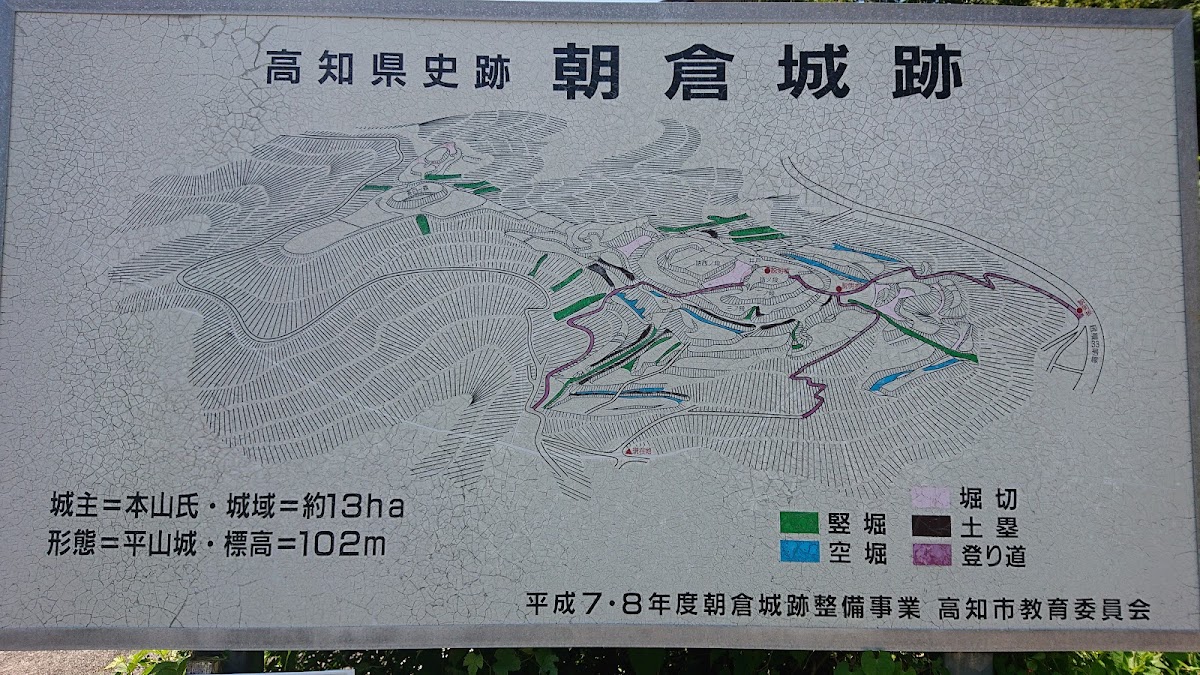
Tosa Province Choju Castle, Kochi City, Kochi City Choju Town, Koichiza Yamashiro, also known as “Shigematsu Castle”. The castle is located in Kochi City, designated as a historic site, and is located on the top of a mountain in the vicinity of 103 US mountains.
Nowadays, the ruins of Chaoyu Castle are perfectly preserved, with a flat area of approximately 2,000 square meters (approximately 20 square meters) in area. This is a flat area, which is the original main building (main enclosure), and the surrounding area is about 3 meters high.
History of the construction of Chōkyō Castle and Kiyoshige Motoyama
The date of construction of the Chōkyō Castle is generally accepted, but it is universally acknowledged that it was constructed during the period of Motoyama Kiyoshige (Motoyama Shigemune) in the Great Ages (1521-1527).
From the main mountain Kiyoshige to the main mountain castle, the experiment commander’s own force was introduced to the northern mountain district of Tosa and the prosperous central Tosa district. In the astronomical years, the other major battles were conquered by Sokabe Kaneyoshi, who succeeded in conquering the major areas of central Tosa, and comprehensively conquered the long-range wars. After the construction of the other castles, the military base was built and the general staff was sent to the main mountain castle.
Battle of Sokabe Motoya and overthrow of the Imperial castle
In 1562 (5th year of Eiroku), Chosokabe Motonobu attacked Chōkyō Castle in Kōki. At that time, the lord of the castle, Motoyama Shige, successfully retreated and continued to attack, but after that, when the Marquis of Zhong followed, Long Sokabe surrendered on the one hand, and the other was forced into trouble.
In 1563 (Eiroku 6th year), Motoyama Shigeru was attacked and burned his own castle, and retired Motoyama Castle. This is the end of the declaration of the short period of time in which the imperial court’s status remained.
Chaogu Castle Ruins
Chaogu Castle Site, also known as “Choagu City Site”. During the period from 1929 (Showa 4) to 1934 (Showa 9), a large amount of cultural artifacts from the Yayoi period were excavated during the construction of the garden.
The excavated artifacts include Yayoi period pottery, stone swords, stone axes, Japanese stone heads, and a semi-underground dwelling. This is roughly 2000 years ago, when people in this area started to plant various types of water. In addition to the historical meaning of the castle fortress, it is also a rare archaeological site, the life of ancient people has been revealed, and the history is very high.
Summary of Tosa Asahi Castle
From the construction of the capital city to the central main castle, the surrounding area has many flat areas, and the minor areas are covered by outer castle construction (outer castle construction). It has a typical mountain fortress structure, clever use of land and hilly terrain, and has been reserved for many national fortress special expeditions.
As soon as the envoy is here, it is possible to see the ruins of the cliff and the cliff, and the envoy is in the fortress of the castle and the lover of heaven. Convenient transportation to Bibe and Kochi University is also a great point.
Summary of the history of Chaohu City
Chaogu Castle: The origin of the Chaogu clan
Choju Castle was located in Yubei-ku, Awa-machi Choju, Umiya City, and was the source of the feudal lord Choga clan in Echizen Province (Fukui Province) during the war period.
The origin of the Choshu clan may have been traced back a long time ago, and its founder was King Hyoma, the son of Emperor Kotoku. After the Heian period when the Choshu clan was established, the name of the place was changed to Choshu’s surname, and the head of the household was Choshu Takakiyo. Originated from Kusakabe clan, used by others, but originated from Takakiyo’s first generation, and started the service as a self-styled Mr. Korea.
The structure of the morning castle
However, the capital city of Tama is a mountain castle, located on a mountain hill to the southwest of Yumin Point, with a distance of 130 meters in the east and west, and a distance of 110 meters in the north and south. The castle was first built during the Muromachi period, and during the war period, the castle was built, repaired, and expanded, and the castle was strengthened and defended.
The Hehe Dungeon was a typical defense work for mountain castles during the time of the Empire, and its construction techniques included comprehensive cutting of the mountain spine or digging a trench on top of the mountain, preventing enemy invasion. This is an important historical material for the construction of castles during the war, as well as the preservation of the castles in the Imperial Palace.
Chogo clan military commander
Shita Busho from Miyako, Taoma Choju clan, Yagi clan, Shukunami clan, Wanasa clan. The Echizen Dynasty was very strong, but it was a branch of the Echizen Dynasty.
After the Echizen Choshu clan, the Echizen Dynasty was established, and under the control of the Koreans, they became a powerful daimyo in Echizen Province, but in the end, the clan was ruled by Shinden. However, it is understood that the origin of the production is the Imperial Palace, which is an important historical site in the history of the Imperial Court.
Surrender of Chōkyō in 1577 during the Battle of Tamar
In October 1577 (Tensho 5), Hidetaka Hashiba (a younger sibling of his vassal Hideyoshi) completed the “Tama no Battle”. At this time, Chogo Oi, the lord of Chogo Castle, and Shinichi Yagi, the lord of Yagi Castle, surrendered to Kyoto.
After surrendering, the earth was weakened, but the military power of the military was lost, and the military ability of the military was lost.
Transportation and travel information for Tama Morning Post
The site of Chaohu City is Yubiao City, a famous tourist attraction, and information provided by Yuyao Tourist Association. It is an ideal place to walk through history, surrounded by beautiful natural surroundings.
If you want to see the castle, you can see the history of the castle, the first opportunity to gain advantage, and the structure of the mountain castle during the country’s experience.
Echizen Province Yochoga Ujijo Pond
Ichijo Tanishiro Yocho Castle Estate
The Echizen Choshu clan was originally located in Echizen, Ichijodani (Fukui City, Fukui City), where it flourished. Ichijodani Castle is Ichiza Yamashiro, the castle town where the exhibition of the footworks of the mountain has been completed.
At present, the excavation and restoration of the ruins of the Ichijotani Choshu clan has been completed, and it has been designated as a national special historical site. Samurai residences and Japanese townhouses have been renovated, historical sites have been visited by envoys, and visitors can visit here to enjoy the castle town appearance of the time of the war.
The prosperity of the Echizen Choju clan
The Chokkei is the last landlord of the Echizen Chokoku clan. Over 100 years since the establishment of the Choshu clan, Echizen Province achieved cultural success.
Ichijotani Soari is known as “Northern Little Kyoto”, attracting Kyoto’s cultural reputation of Japanese craftsmanship, and forming a culturally prosperous district. However, during the reign of the Tensho era during the reign of the 19th century, the Chokoku clan died in 1573, and the Chokoku clan died on their own.
Designation of protection and cultural goods for Chaoyu Castle site
Tosa Chōsei Castle Designed by Kochi Castle History
The history of the castle in Tosa Province, designated as the site of the castle in Kochi, is protected. The Kochi City Board of Education is responsible for managing the fees and charges, and is responsible for supporting the cultural sector.
Limited access to historical sites, limited development and activity, ensured preservation of castle sites. In addition, there are information plates and other measures in place, and the historical environment is clear to visitors.
Preservation status of Tashima Castle
The ruins of the Imperial Palace in Yubiao City, the source of its creation and the imperial clan’s history, are important historical sites. The company also works as a source of local tourism, and also sends information about the city tour.
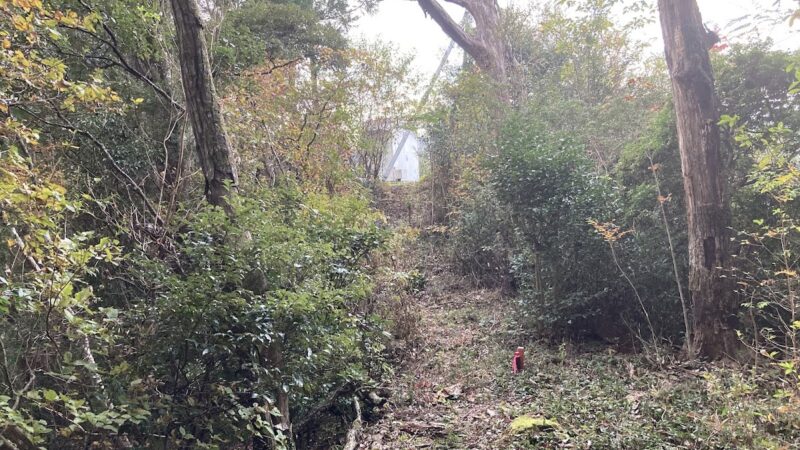
The castle fort site has been completely preserved, and the castle river, trenches, etc., have been protected by visitors.
Precautions for visiting the morning market
How about Otosacho Castle
Tosa Choju Castle is located in the Choju district of Kochi City, west of Kochi University. If you sit on a public transportation tool, you can go to JR Tsuchiyama Line’s morning station. The car was leaving the Kochi Expressway and the Kochi Exchange Road, and the approximate demand was 15 minutes.
Yuyu City Fortress was located on Usanpa, and the construction was made of shoes and Japanese clothing.
How did you go to the morning castle?
However, the location of the castle was located in Yubei Palace, Yokoyacho, Yokohama-cho, Ubashiwa City. The current train station is JR Yamayaku Main Line’s side station, and you can take a taxi or sit in front of the taxi. The car drove off, leaving the North-Kinki Expressway and the Binging Mountain Exchange Road, with an approximate demand of 10 minutes.
The surrounding area of the city fortifications is located in the mountain area, so the demand is established and the weather conditions are favorable.
Precautions for viewing
Owned by Chongqing Castle, located on the site of a mountain fort, and equipped with construction equipment and similar mountaineering equipment. Please note the following items:
- Matching clothing Japanese sandals: Climbing shoes or walking shoes are the ideal choice.
- Water: Drinking water that is sufficient for drinking, especially during the summer.
- Weather information: Rainy weather, wet roads, slippery roads, and cautious driving.
- Mosquito Killer:Earth mosquito killer used in construction site.
- Protected cultural heritage: Includes cultural relics, which must be owned by the owner.
The history of the fort during the time of the battle
Features of Yamashiro at the time of war
Owned by the Imperial Palace, Junta Mountain City, the clearing of the land was completed and the fort was used as a special conquest during the time of the war. The forts on the plains of Yojianyu are different, and the forts use mountainous terrain and defensive ability, and the following features are developed:
- Natural topography used: Skillful land use of mountains, mountains, valleys, etc.
- field distribution station: multi-level flat area (field) presentation area ladder arrangement
- 护城hewa vertical 护城川:Zaizan spine opening up 护城川, 西山坡上开凿Vertical 护城川, 加强 defense
- Artificial opening surface: Artificial surface area with increased construction strength, increased difficulty in climbing
This is an important part of the exhibition of fort construction techniques during the time of the war.
Local history of the city
A description of the three castle forts in the morning and the history of each region during the war. In Tosa, in the Motoyama clan, the Sokabe clan was in conflict for a long time.
Take a look at the castle fortress site, the general history of the historical richness of the country’s history, and the history of the historical district of the country’s history. ## Future protection and use of Asakusa Castle ruins
Cultural release
The Asakusa Castle site is not a historical site, but it is also an important cultural asset in the area. Reasonable protection management based on future demand.
In recent years, people have been searching for new ways to use security, for example, using numerical technology in the past, and have also used virtual reality/augmentation technology to bring back the old Japanese style.
Use for travel resources
The site of Asakusa Castle is also an important area for tourist attractions. It’s not cheap for people who love history, and people who like walking around and enjoy walking and seeing nature.
The local tourism association and the city government have made positive efforts to establish a communication board, and the development guideline has been promoting activities and promoting the production, etc., and the attraction of a multi-person exhibition in the city today.
Educational use
The site of Chaoyu Castle is also a local cultural history education center. General’s review of the site includes elementary school Japanese, early and middle school local history lessons, or a part of the final study, and a deeper understanding of the local history.
As you pass through the sights, you touch the site, and the historical society changes to further improve the details.
Summary: A history of diverse Japanese cuisine in the Chinese capital
“Choshu Castle” refers to many castle forts in various parts of Japan, Biza Castle Fortress has its own unique history and characteristics. The Choshu castle in Tosa Province is the headquarters of the Motoyama clan, but the Choshu castle in the Tosa Province is the source of the Choshu clan, and the Ichijodani castle in Echizen Province is the symbol of the Choshu clan’s prosperity – an important aspect of each performance.
The site of the castle fort was reserved for special expeditions during the country’s time, and the fort construction technology was provided at the time of research, and the funds were provided for the construction of the outer fort, including defensive works such as rivers, trenches, etc.
In front of the city, the city of China is located in front of the world’s cultural heritage, and the production of local tourism resources is also available. It is not a paradise for history lovers, it is also a paradise for travelers and nature watchers, and it is a promising place to be found.
Visit the Imperial Palace, read the textbook to learn more about local history, and the lives of people during the war. The work must be carried out on its own, and the feeling is historical.