Tokura Castle: A Thorough Explanation of the History and Remains of the Two Tokura Castles in Musashi and Izu Provinces
Introduction: About the Two Tokura Castles
Two castles named “Tokura Castle” existed in Japan during the Sengoku period (Warring States period). One was built in Tama District, Musashi Province (present-day Akiruno City, Tokyo), and the other on the border between Izu and Suruga Provinces (present-day Shimizu Town, Suntō District, Shizuoka Prefecture). While both castles were important fortresses associated with the Later Hojo clan, their roles and historical backgrounds differed significantly.
This article provides a detailed explanation of the history, structure, remains, and current status of these two Tokura Castles. It offers valuable information not only for castle enthusiasts but also for those interested in local history.
Musashi Province Tokura Castle (Akiruno City, Tokyo)
Overview and Location
Musashi Province Tokura Castle is a mountain castle located in Tokura, Akiruno City, Tokyo. Built on the summit of Shiroyama (also known as Tokura-Shiroyama), a mountain 434 meters above sea level, it was a formidable stronghold utilizing the rugged terrain with a relative height of approximately 200 meters. This isolated peak is very prominent in its surroundings, and its shape can be seen from quite a distance.
Currently, the castle ruins are protected as a Tokyo Metropolitan Government designated historical site, and a hiking trail has been established, making it relatively easy to climb. From the summit, one can enjoy a panoramic view of the Tama region, and it is a place where one can truly appreciate the military importance of the time.
Historical Background
Construction and Early History
The exact date of construction of Tokura Castle is uncertain, but it is believed to have been built by the Komiya clan, a member of the local lords known as the “Minami Ikki” (Southern Uprising). The Komiya clan were powerful local lords in this region during the early Sengoku period.
During the Tenbun era (1532-1555), figures such as Komiya Akimune, Tsunaaki, and Yasumasa are recorded, and they were subordinate to the Later Hojo clan. However, it is believed that the Komiya clan declined towards the end of the Tenbun era.
As the Retirement Castle of Oishi Sadahisa
The most important turning point in the history of Tokura Castle in Musashi Province was the entry of Oishi Sadahisa. Oishi Sadahisa was the lord of Takiyama Castle, but in 1546 (Tenbun 15), he adopted Hojo Ujiteru, the second son of Hojo Ujiyasu, the head of the Later Hojo clan, and handed over the family headship to him.
It is said that at this time, Sadahisa chose Tokura Castle as his place of retirement. This is thought to have been more than just a retirement; it was likely part of a strategic arrangement. Tokura Castle played an important role as a relay point between Takiyama Castle (later Hachioji Castle), where Hojo Ujiteru resided, and Hinohara Castle, which controlled the Koshu front.
As a Branch Castle of the Later Hojo Clan
After Oishi Sadahisa’s entry, Tokura Castle became part of the Later Hojo clan’s network of branch castles. It is believed to have functioned as part of the defense line in the Tama region, particularly in confrontations with the Takeda clan of Kai Province. Even after Ujiteru built Hachioji Castle, Tokura Castle was maintained as a subsidiary castle of Hachioji Castle.
The Path to Abandonment
In 1590 (Tensho 18), Toyotomi Hideyoshi launched the Odawara Campaign. During this campaign, Hachioji Castle, the base of Hojo Ujiteru, was captured and fell to the forces of Maeda Toshiie and Uesugi Kagekatsu. It is believed that with the fall of Hachioji Castle, its subsidiary castle, Tokura Castle, was abandoned without a fight.
After the Odawara Campaign, this region came under the control of the Tokugawa clan following Tokugawa Ieyasu’s entry into the Kanto region, and Tokura Castle was never reused as a military base.
Castle Structure and Remains
Layout and Structure
Tokura Castle in Musashi Province has the typical structure of a mountain castle. The castle features a main enclosure (honmaru) at the mountaintop, surrounded by multiple smaller enclosures (kuruma) arranged in a stepped pattern.
The main enclosure is a relatively large, flat area and served as the central function of the castle. Even today, the flat surface is clearly visible. Traces of earthworks remain around the main enclosure, indicating the presence of defensive structures.
Existing Remains
Currently, the following remains can be observed at the Tokura Castle site:
Moat: Multiple moats, dug to divide the ridge, remain. These were important defensive structures to prevent enemy intrusion.
Earthwork: Traces of earthworks can be seen around the main enclosure and each of the smaller enclosures. Although some have collapsed, it is possible to infer the defensive line at the time.
Enclosure: Multiple enclosures are located below the main enclosure. These are thought to have been used as living spaces, warehouses, and barracks for soldiers.
Well Remains: Well remains within the castle grounds, indicating that water supply was considered during sieges.
Traces of Stone Walls: Stone walls have been confirmed along part of the approach to the castle, suggesting that some degree of stonework was employed. However, these are likely not full-fledged stone walls, but rather structures used for retaining soil or reinforcing the path.
Approach Routes
Currently, there are mainly two routes to Tokura Castle, both maintained as hiking trails:
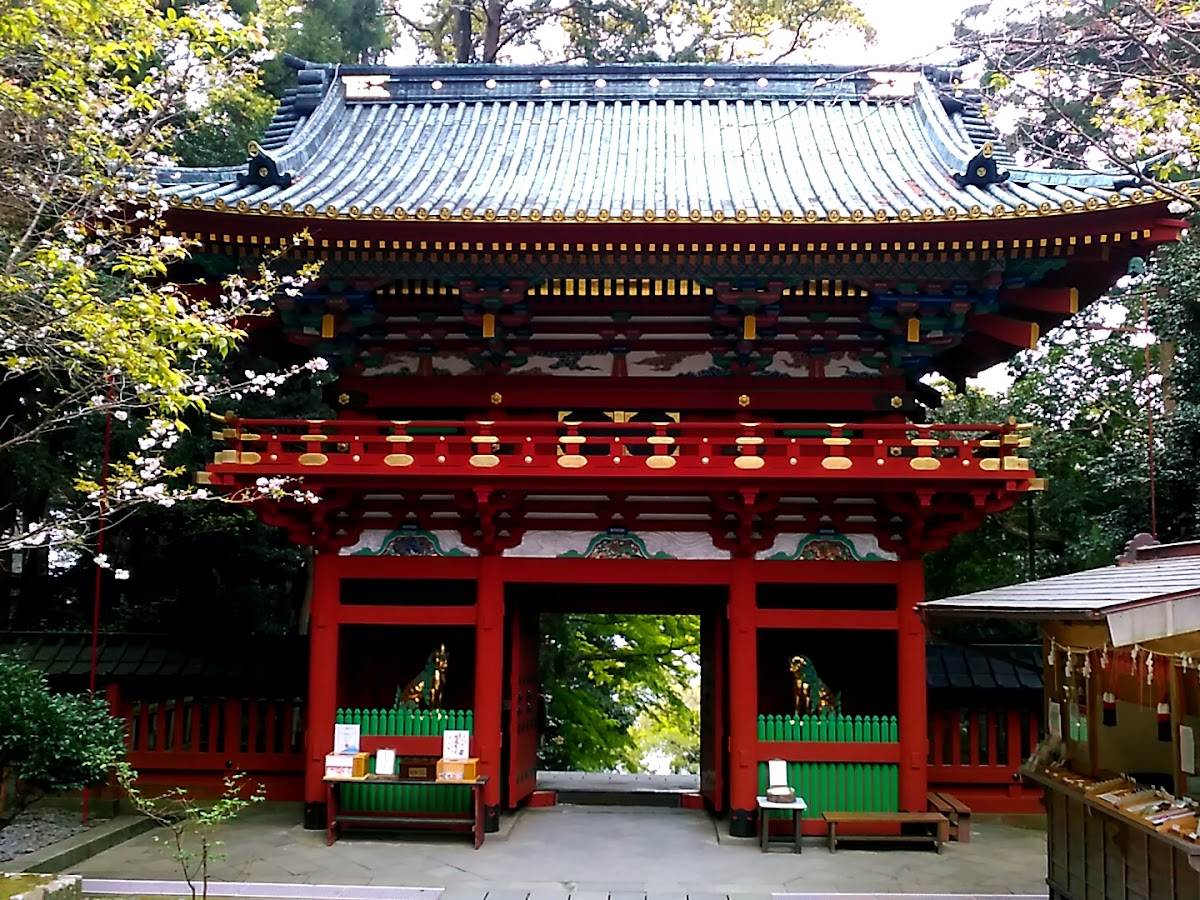
- Shinmei Shrine Route: This route starts from the Nishitokura bus stop and passes through Shinmei Shrine. This is considered highly likely to have been the main entrance (Ote-michi).
- Southern Route: This route starts from a different trailhead and circles around the south side.
Both routes require climbing a relative elevation of 200 meters and take approximately 2-3 hours round trip.
Highlights and Castle Notes
The main highlights when visiting Tokura Castle in Musashi Province are as follows:
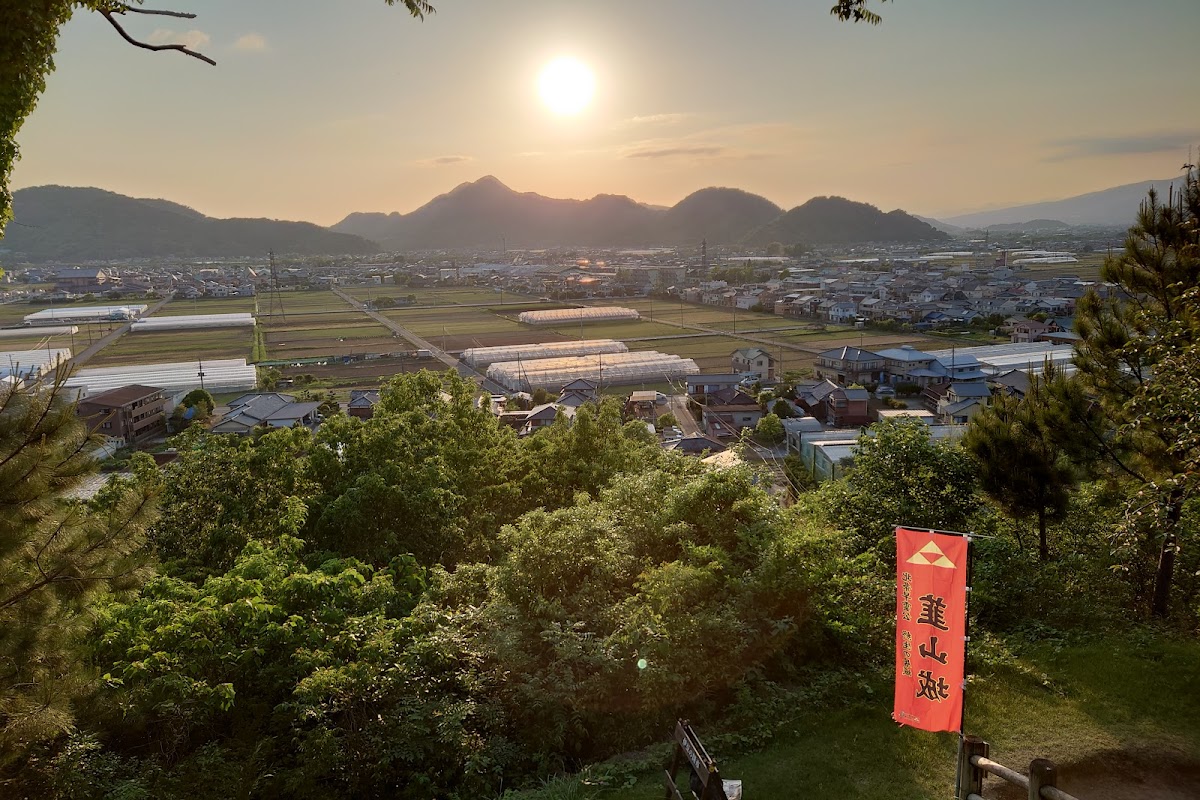
Superb Views: From the main enclosure at the mountaintop, you can enjoy a vast panoramic view of the Tama region. On a clear day, you can see as far as the city center, experiencing the view that the castle’s lord must have seen.
Clear Remains: Remains such as moats and earthworks are relatively well-preserved, making it an ideal castle site for learning about the structure of a medieval mountain castle.
Harmony with Nature: The castle site is covered with natural forest, allowing you to enjoy historical walks while appreciating the changing seasons. The scenery is particularly beautiful during the fresh green season and the autumn foliage season.
Hiking Courses: Well-maintained hiking trails allow you to enjoy castle exploration and hiking simultaneously. However, as it is a mountain castle, a certain level of physical fitness and equipment is required.
Access Information
Location: Tokura, Akiruno City, Tokyo
Public Transportation:
- Take a bus from Musashi-Itsukaichi Station on the JR Itsukaichi Line and get off at the Nishi-Tokura bus stop. The trailhead is approximately a 30-minute walk from there.
- The summit is approximately a 40-60 minute walk from the trailhead.
By Car:
- Approximately 40 minutes from Hachioji IC on the Chuo Expressway.
- Parking: There is some parking space near the trailhead (please check beforehand).
Notes for Visiting the Castle:
- As it is a mountain castle, comfortable shoes and clothing are essential.
- Bring drinking water.
- Take insect repellent in summer.
-Allow ample time in winter due to early sunset.
Nearby Tourist Attractions
The following tourist attractions are located near the Tokura Castle ruins:
Hinohara Castle: Also a castle related to the Later Hojo clan, it worked in conjunction with Tokura Castle to defend the Koshu entrance.
Akigawa Valley: A natural spot where you can enjoy the beautiful scenery of the valley. There is also a day-trip hot spring facility called “Seoto no Yu”.
Takiyama Castle: A castle that Oishi Sadahisa ceded to Hojo Ujiteru, and is an important castle designated as a national historic site.
Hachioji Castle: The base of Hojo Ujiteru, and one of Japan’s 100 Famous Castles. It is known as the site of fierce battles during the Siege of Odawara.
Izu Province Tokura Castle (Shimizu-cho, Suntō-gun, Shizuoka Prefecture)
Overview and Location
Tokura Castle in Izu Province (Suruga Province) was a mountain castle located in Tokura, Shimizu-cho, Suntō-gun, Shizuoka Prefecture. While currently belonging to Suruga Province in administrative divisions, it was recognized as part of Izu Province during the Sengoku period. It was a castle built on a strategically important location on the border between Izu and Suruga Provinces.
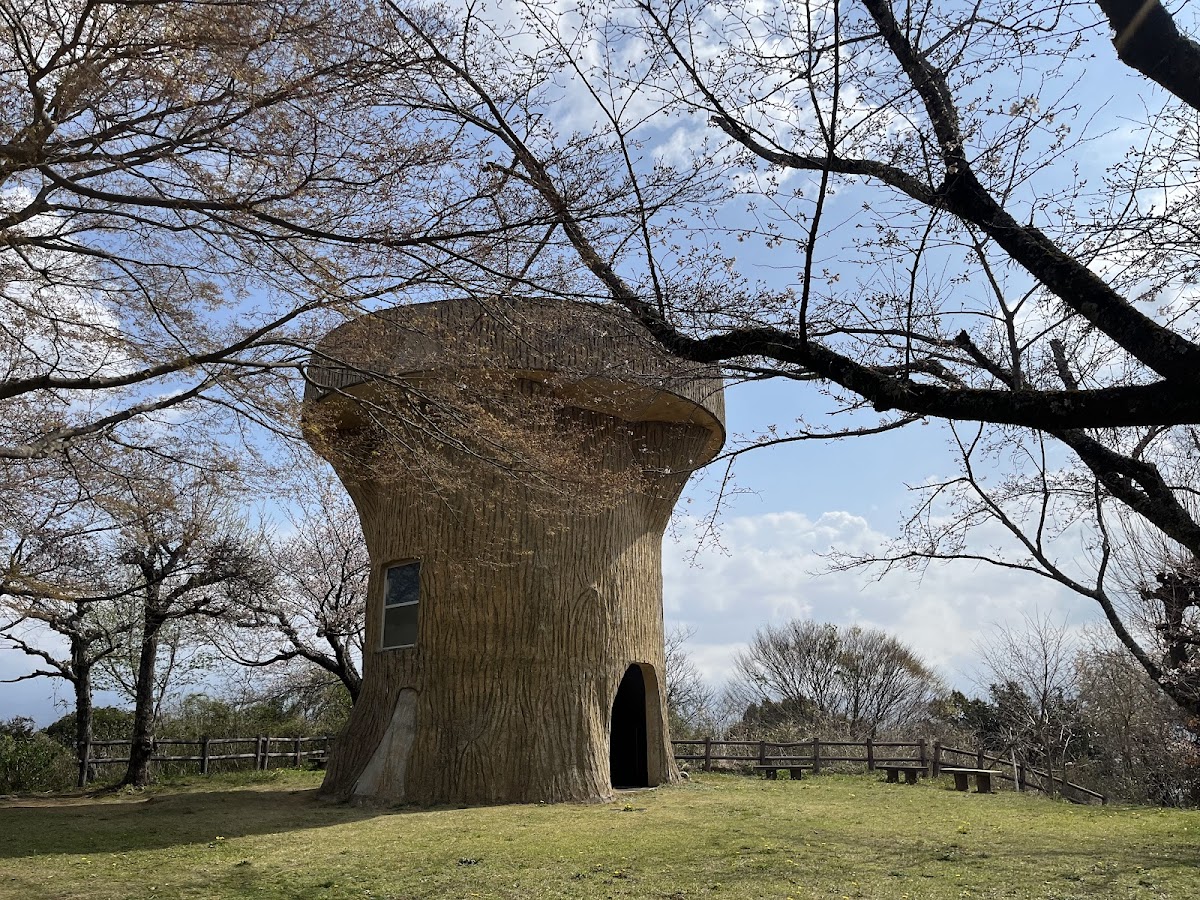
The small hill on which the castle was built is now called “Honjōyama,” and the mountaintop has been developed as Honjōyama Park. An observation deck has been installed, offering scenic views of Suruga Bay and Mount Fuji.
Historical Background
Construction and Development by the Hojo Clan
Tokura Castle in Izu Province is believed to have been built by Hojo Ujitsuna, the second head of the Later Hojo clan. Ujitsuna pacified Izu Province and, while aiming to expand into Suruga Province, built this castle on the border and established it as his base.
Tokura Castle, as a border castle between Izu and Suruga Provinces, was an extremely important military base for the Later Hojo clan. It particularly functioned as the front line for both expansion into and defense of Suruga.
The Era of the Kō-Sō-Sun Tripartite Alliance
In 1554 (Tenbun 23), the Kō-Sō-Sun Tripartite Alliance was formed between the Takeda clan (Kai), the Later Hojo clan (Sagami), and the Imagawa clan (Suruga). This alliance brought a period of temporary peace to the area around Tokura Castle.
However, after Imagawa Yoshimoto was killed in the Battle of Okehazama in 1560, the tripartite alliance gradually began to crumble. In 1567, the alliance between Takeda Shingen and Imagawa Ujizane collapsed, and the following year, 1568, Shingen began his invasion of Suruga Province.
As a Battlefield Between the Takeda and Hojo Clans
From 1568 to 1571, Tokura Castle became the stage for fierce battles between the Takeda and Later Hojo clans.
Takeda Shingen’s invasion of Suruga rapidly weakened the Imagawa clan. In response, the Later Hojo clan supported the Imagawa clan, with whom they had been allied, and advanced into eastern Suruga. Tokura Castle became the front line between the two forces, and battles were repeatedly fought there.
During this period, Tokura Castle was primarily under the control of the Later Hojo clan, but skirmishes with the Takeda army were frequent in the surrounding area.
The Defection of Kasahara Masataka and the Takeda Clan’s Rule
In 1581 (Tensho 9), an incident occurred in which Kasahara Masataka, the commander of Tokura Castle, defected to Takeda Katsuyori. As a result, Tokura Castle became a Takeda castle.
However, the Takeda clan was already in decline by this time, and in 1582 (Tensho 10), the Takeda clan was destroyed by the Oda-Tokugawa allied forces during the Koshu campaign. After the fall of the Takeda clan, Suruga Province came under the control of Tokugawa Ieyasu, and it is believed that Tokura Castle also came under his influence.
The Siege of Odawara and the Castle’s Abandonment
In 1590 (Tensho 18), Toyotomi Hideyoshi launched the Siege of Odawara. During this period, Odawara Castle, the stronghold of the Later Hojo clan, was besieged and eventually surrendered. With the fall of Odawara Castle, Tokura Castle was also abandoned.
After the Siege of Odawara, this region came under the control of Tokugawa Ieyasu, ushering in the era of modern castles. Medieval mountain castles like Tokura Castle ceased to serve their military purpose and disappeared from the stage of history.
Castle Structure and Remains
Characteristics of the Layout
Tokura Castle in Izu Province had a structure with the main enclosure at the summit of Honjoyama Mountain, surrounded by multiple baileys. It is believed that, as a border castle, it was equipped with defensive facilities to prepare for attacks from the Suruga region.
Current Situation
Currently, the summit of Honjoyama Mountain is maintained as Honjoyama Park, with an observation deck. While many of the castle remains have been altered due to the park’s development, it is still possible to infer the original appearance from the topography.
From the summit, you can enjoy a spectacular view of Suruga Bay and Mount Fuji on a clear day. This excellent view speaks to its function as a military lookout post.
Access Information
Location: Tokura, Shimizu-cho, Suntō-gun, Shizuoka Prefecture
Public Transportation:
- Take a bus from JR Tōkaidō Main Line “Mishima Station” towards “Tokura”
- Walk from the bus stop to Honjōyama Park
By Car:
- Approximately 15 minutes from Tomei Expressway “Numazu IC”
- Approximately 20 minutes from Shin-Tōmei Expressway “Nagaizumi-Numazu IC”
- Parking: Parking available at Honjoyama Park
Nearby Tourist Attractions
Mishima Taisha Shrine: An ancient shrine known as the Ichinomiya (first-ranked shrine) of Izu Province, and a place associated with Minamoto no Yoritomo.
Rakujuen Garden: A garden in Mishima City designated as a national natural monument and place of scenic beauty.
Nirayama Castle: An important stronghold in the early days of the Later Hojo clan, and a castle associated with Hojo Soun (Ise Sozui).
Yamanaka Castle: One of Japan’s 100 Famous Castles, a strategic point on the Tokaido road built by the Later Hojo clan. Known as the site of fierce battles during the Siege of Odawara.
Comparison of the Two Tokura Castles
Similarities
Both castles share the following similarities:
- Connection to the Later Hojo Clan: Both are castles related to the Later Hojo clan.
- Mountain Castle Form: Both are mountain castles utilizing mountaintops.
- Strategic Location: Both castles were strategically important in their respective regions.
- Abandonment during the Siege of Odawara: Both castles were abandoned during Toyotomi Hideyoshi’s Siege of Odawara in 1590.
- Current Status: Remains of both castles are still preserved and accessible to visitors.
Differences
On the other hand, the following differences can also be observed:
Location and Role:
- Tokura Castle, Musashi Province: Part of the Later Hojo clan’s network of branch castles in the Tama region, defending the Koshu entrance.
- Tokura Castle, Izu Province: A castle on the border between Izu and Suruga, a base for advancing towards Suruga.
Lord:
- Tokura Castle, Musashi Province: Komiya clan, Oishi Sadahisa, etc.
- Tokura Castle, Izu Province: A castle directly controlled by the Hojo clan, Kasahara Masataka, etc.
Battle History:
- Tokura Castle, Musashi Province: Few records of major battles.
- Tokura Castle, Izu Province: Records of fierce battles with the Takeda clan.
Current Maintenance Status:
- Tokura Castle, Musashi Province: Remains exist within a natural forest; hiking trails available.
- Tokura Castle, Izu Province: Developed as a park; observation deck installed.
Points to Note When Visiting Tokura Castle
Tokura Castle, Musashi Province (Tokyo)
Recommended Time to Visit: Spring (new greenery) and autumn (autumn foliage) are particularly beautiful. Summer is hot and insect-heavy, so it’s best to avoid it.
Estimated Time Required: Approximately 2-3 hours round trip from the trailhead. More time is needed if you want to thoroughly explore the remains.
What to bring: Comfortable walking shoes (hiking boots recommended), drinking water, towel, insect repellent (depending on the season), camera
Points to note:
- This is a 200-meter elevation gain climb, so a certain level of physical fitness is required.
- Cell phone reception may be poor in some areas.
- Avoid climbing alone; visit with others if possible.
- Be aware of sudden changes in weather.
Tokura Castle, Izu Province (Shizuoka Prefecture)
Recommended time to visit: Clear winter days with good views of Mt. Fuji are especially recommended.
Estimated time required: As it is a park, it can be visited in about 30 minutes to 1 hour.
What to bring: Camera (because the scenery is magnificent), drinking water
Notes:
- Many of the remains have been altered due to the park’s development.
- It’s best to visit as a place to enjoy the view rather than the castle ruins themselves.
- Visiting this castle along with the nearby Yamanaka Castle and Nirayama Castle will provide a comprehensive understanding of the castles of the Later Hojo clan.
Related Castles
When visiting Tokura Castle, visiting the following castles in conjunction will provide a deeper understanding:
Related to Tokura Castle in Musashi Province
Takiyama Castle (Hachioji City, Tokyo): A nationally designated historic site. Inherited by Hojo Ujiteru from Oishi Sadahisa, it has a close relationship with Tokura Castle.
Hachioji Castle (Hachioji City, Tokyo): One of Japan’s Top 100 Castles. The base of Hojo Ujiteru and the site of fierce battles during the Siege of Odawara.
Hinohara Castle (Hinohara Village, Tokyo): A castle that defended the Koshu entrance in cooperation with Tokura Castle.
Related to Tokura Castle in Izu Province
Yamanaka Castle (Mishima City, Shizuoka Prefecture): One of Japan’s Top 100 Castles. A key point in the Later Hojo clan’s defense of the Tokaido Road.
Nirayama Castle (Izunokuni City, Shizuoka Prefecture): A castle associated with Hojo Soun, and the birthplace of the Later Hojo clan.
Kokokuji Castle (Numazu City, Shizuoka Prefecture): One of Japan’s Continued Top 100 Castles. The first castle where Hojo Soun established his base.
Summary
The two castles with the same name, Tokura Castle, each have different historical backgrounds and roles, but both occupied important positions in the expansion and defense of the Later Hojo clan’s power.
Musashi Province’s Tokura Castle is a castle that symbolizes the Later Hojo clan’s rule in the Tama region and is known as the retirement castle of the important figure Oishi Sadahisa. The remains are still well-preserved, making it an ideal castle site for learning about the structure of medieval mountain castles.
On the other hand, Tokura Castle in Izu Province was a border castle that was the stage for fierce battles with the Takeda clan, and is an important historical site that tells the story of the tense relations during the Sengoku period. Currently, it has been developed into a park, offering a wonderful view.
Both Tokura Castles are valuable historical sites where you can feel the history of the Sengoku period firsthand. Visiting them with an understanding of their respective characteristics will provide a deeper historical experience. These historical sites are recommended not only for castle enthusiasts but also for those who enjoy hiking and historical walks.
When visiting both castles, learning about their respective historical backgrounds and related castles in the surrounding area will deepen your overall understanding of the sphere of influence of the Later Hojo clan and the situation in the Kanto and Tokai regions during the Sengoku period.