

Complete guide to Kawasaki Castle (Shimono Province): A 400-year-old historical residence of the Koya clan—a complete picture of Yamashiro
Is that Kawasaki Castle?
Kawasaki Castle (Japanese: Kawasaki Castle, 罗马字: Kawasaki-jō) is a mountain castle located in Nakajima, Sorimachi, Kawasaki, Yaita City, Tochigi, Japan (Hara Shimotsuke Province, Koya District). Named by Shunya, it is called Eiya Castle, Eiya Old Castle, Isei Castle, etc., which are the residences of the Eiya clan in the Eiji area, from the Heian period to the Warring States period, which has been around for about 400 years.
Right in front of you is the Kawasaki Castle Ruins Park, which is designated as a historic site by Yaita City and is open to the public. Preserved in the park, the dried-up Zhucheng River, the earthworks, the castle tower, the two castle towers, the history of the castle, and the appearance of a medieval mountain castle fort.
History of Kawasaki Castle
Built by Mr. Yogoya
Kawasaki Castle’s construction date is universally recognized as being in the Shoji Kennin era (1199-1203), but it is also known that the law was established around 1200 years ago.
The builder was Tomonari Eiya, the second son of Utsunomiya Seirin. Tomoyoshi, the fifth generation landlord of the Yuuya clan, passed away and was a joint successor, and the other members of the Utsuya clan joined Tominari, and the fort was built on this site. Tomonari Zeng was a vassal of the shogunate, and he was a deep friend of the shogunate’s third general, Minamoto no Minamoto, and the two of them wrote poetry. A collection of poems written by other scholars (New Law Doctors Collection).
During this period, the power of the Utsunomiya clan in the Utsunomiya district was affiliated with the Utsunomiya district.
The Satoru clan’s prosperity and prosperity
The residence of the Sawayani clan was the residence of the Sawayani clan when they became the owner of Kawasaki Castle, and the site was established in the northwestern part of the Sagaya district under the control system. During the Middle Ages, the Saya clan held the capital and had a strong regional influence in the northern part of Shimonokuni, and the Kawasaki Castle was a powerful force to conquer.
From 1990 to 1996, the archaeological excavations confirmed the existence of construction sites within the main tomb, and the excavations were traceable to the early 15th to early 16th century cultural artifacts, which were confirmed to have been in frequent use at that time.
Animation from the era of war
The time of war has arrived, and the war against the enemy has begun. In the Shimotsuke Province, the Utsunomiya clan, the Satake clan, and other large clans, the strength of each clan is strong, the Kaiya clan has a small system of power, and its own land requires preservation.
Kawasaki Castle was constructed as a mountain castle, has a large defense capability, and has comprehensive defense construction such as construction of Kawawa earthworks for the castle due to drought. This is a short introduction to the history of the military fort’s operations during the time when the castle was in the country.
Inennoji
When did Kawasaki Castle open? The most rational theory is that it existed in 1590, during the battle of Odawara and the eastern part of the Heidingan region. At that time, the government of Japan was in full force, and many medieval castles and forts were established.
On the other hand, it was also recorded on February 8, 1595. No matter what, by the end of the 16th century, Kawasaki Castle had lost its functions as a fort, and its production had lasted for about 400 years since the Eiya family’s residence.
Kawasaki Castle Construction Bureau
Geographical location of Sakuzan Fortress
Kawasaki Castle is a typical medieval Kiyama Castle, and its defense construction skillfully utilizes the natural topography. The fortress area of Jianyu Shanpo, the fortress area, the overlooking surrounding area, Benyu and early arrival of the criminal enemy.
Main castle structure
Kawasaki Castle Yushu Castle Mound (Honmaru) Japanese-style construction and its surrounding area and other Castle Mounds (Ninokushi) were constructed. The archaeological excavation confirmed that the lord’s castle was built within the castle, and this area was the address of the castle lord and his vassals.
Main enclosure: Centered around the Useong fort, the most important defensive fortress. I can clearly see the history of the main enclosure now, and I can imagine the appearance of ancient days.
Ninōku: The second line of defense for the main enclosure of the work. Nowadays, there is a plum tree forest viewing platform in the area, where the plum blossoms are in full bloom during the season, and the scenery is especially lost.
Defense installation
Kawasaki Castle has a typical defensive design for a mountainous castle fort in the medieval period.
Dry city river: 护城川 in the ground, preventing enemy invasion. Located in Kawasaki Castle Park, the area was clear and the traces of the dry castle river were observed, and when the mission was completed, the defensive system was treasured.
Hijikata construction: The construction of a defensive wall, the internal boundaries of the fort’s clear boundary when the enemy attacks. The earthworks of Kawasaki Castle have been completely preserved, and its high-grade Japanese shape is an important resource for the construction technology of castle forts.
护城川:Exploring the 护城川 in the Ushan spine, an effective and restricted enemy invasion route.
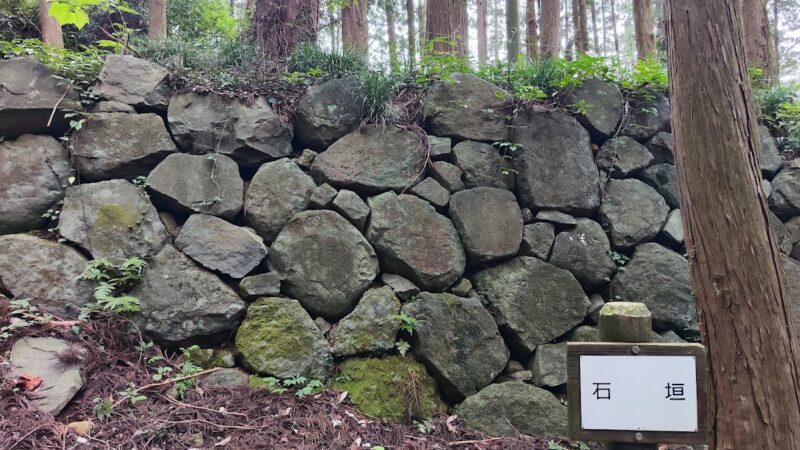
The construction of a clear area of defense work has been completed in the medieval mountain fortress special expedition–the missing stone mound or main tower is completely dependent on civil engineering engineering technology and the construction of a fort.
Kawasaki Castle Ruins Park Ryoten
History of history
The Kawasaki Castle ruins are Yaita City’s designated cultural relics preservation area, and the Kawasaki Castle ruins are currently open to the public. The castle has a history of about 800 years and is perfectly preserved, which is a perfect example of the appearance of the medieval castle in the mountains.
Since the formality of the park has been abandoned, it is safe to visit a safe place, and the structure of the building is broken. If you are in the park, you can easily walk there and understand the history of the fort at the same time.
Fortress overview (main highlights)
Main wall: This is the central part of the fortress, the highest point in the city. You can see the surrounding scenery from a bird’s-eye view of the area, imagine what the owner of the fort is like from this bird’s-eye view.
Plum tree grove in the second cave: A piece of plum tree grove planted in the second cave, a spring sky season, a beautiful plum blossom series. It is a pleasure to visit Germany’s unique landscapes, to visit ancient castles, and to mix and match flowers at different times.
Viewing platform: On the observation platform of the second level of the temple, you can look down on Yaban City and Zhuangun Mountains. A magnificent view of Hikori in Haruo, Sarakakugakudani district.
Kawawa Hijikata construction work for a dry castle: The dry Kawa castle construction work for a dry castle in Senpu Park is the main highlight of Kawasaki Castle. Of course, it is a perfect area to preserve, so it is possible to increase its depth and improve its defensive ability at the time of arrival. A walk through the medieval castle fortress during the construction of the earth, and the general experience of the soldiers.
*围墙BU Bureau**: The 围墙BU bureau in the second layer of the castle tower, which is comprehensively inspected, is a comprehensive structure of the castle fort. The skillful use of topographical design has revealed the high level of skill used in medieval castle fort construction.
Seasonal scenery
Different views of the four seasons at Kawasaki Castle Park.
Spring: Plum blossoms bloom inside the second temple, and the scenery is exceptionally beautiful. Walking through the history of plum blossoms and fragrances, the people’s hearts and minds are beautiful.
Summer: Ikuo Onion’s castle fortress site covered by Tsurugi, and the surrounding environment of a man walking in a cool environment.
Autumn season: Autumn leaves burn, dried up castles, rivers, landslides, color variations, cross-reflection of trees, beauty and victory.
Winter: The fallen leaves fly, and the fort’s passage is clear and clear.
Kawasaki Castle transportation and visit information
Point
Nakajima, Kawasakicho, Tochigi Usaiyaita City
Transportation method
Self-indulgence:
- Exit the North East Expressway Pile Interchange Road, approximately 10 minutes by car
- Plenty of parking space, convenient transportation.
Public transportation:
- From the JR East Main Line Yaita Station, you can take a seated taxi and arrive immediately in about 10 minutes.
- Public Transportation Vehicle Group Limited, pre-construction review.
Tour guide
Opening time: Full open.
Key vote: Disclaimer
Time for viewing the schedule: Building study time 1-2 for detailed viewing.
Kimono clothing:
- Suitable walking shoes (due to muddy roads and terrain slopes)
- Matching seasonal clothing
- Summer construction and mosquito trap.
Shadow image: Shadow shot.您可以及摄reijin impression seriously dry and dry castle Kawa Hijikata engineering photographic piece.
Zhoujian travel information
Yaita City Viewpoint
When you take a tour of Kawasaki Castle Park, you can also take a tour of Yaita City and other scenic spots.
Yaita City Local History Museum: The history and culture of Yaita City. Materials from the Kawasaki Castle Exhibition Exhibition.
Eight Treasure Plains: A plateau in the middle of the mountains of Iyu Plateau, which is also known as the Plateau. Enjoy nature walking wherever you are.
Zhouguan City Fort Site
There are many other castle fort sites in the northern part of Tochigi, and you can visit the castle fortress.
Noshan Castle: Noshan City in Yuna, Koichizayama Castle, the residence of the Zeng Zhenans.
Mokugawa Castle: Isao City, Ichiza Castle Fortress, also the residence of the Mokugawa clan.
Utsunomiya Castle: Located in the center of Utsunomiya City, this is the Ichiza Plains Castle Fortress, currently partially repaired.
Take a look at the castle fort site, and learn more about the medieval history of Shimotsuke Province.
Kawasaki Castle’s cultural scene
Importance for historical research
Kawasaki Castle is an important historical site in the actual governance of the Shimotsuke Province during the medieval period. Historical artifacts excavated from archaeological excavations, mainly researched during the 15th and 16th centuries, brought about the family life and Japanese culture provided by the treasure source.
《New Star Collection》 (Collection of poems by Tomonari Satoru) The work is currently being published as an important literature related to samurai and culture, as well as important literary history. Tomonari is the most knowledgeable samurai in Japanese poetry, the former commander of the shogunate, the origin of the military, and the history of the dynasty.
Industrial District History
Kawasaki Castle Park is an important historic site for the residents of Yaita City, and is also an important component of the area. It is an agricultural park, a place for citizens to relax and enjoy music, and an important base for cultural history education.
During his school education, he held an important position in the construction of Kawasaki Castle and was responsible for local historical teaching materials. When you look at your body, you can experience it without having to study the subject.
Kawasaki Castle research and archaeological excavation
Archaeological excavation results
During the extensive archaeological excavation work from 1990 to 1996, I understood the true face of Kawasaki Castle.
The confirmed residence of the castle lord and his vassals. The distribution information of the pillars and the structure of the construction of the castle were provided by us, and the number of treasures was provided by the research.
Excavated cultural artifacts include pottery, ironware Japanese pottery, and dates from the early 15th century to the 16th century. We will help you determine the period of use of the fort, and the way of life at that time, as well as the guideline provided by the Japanese trading system.
Challenge the future
I fully understand Kawasaki Castle. As a result of this, the construction of Kawasaki Castle was a major change, and the system of defense construction for the fortifications of the castle was established, and the administrative system of the Iya clan was also a problem for future research.
The meaning of visiting Kawasaki Castle
Typical medieval Kiyama Castle
Kawasaki Castle is an important historical example of castle fort construction, a typical medieval Seiyama Castle, and a stone castle tower with no stone. Early modern and early modern castle forts are different, Kawasaki Castle is completely dependent on civil engineering engineering technology construction defense system, all the way through the defense system, people can understand the development of Japanese castle forts.
Nowadays, the process of drying up the castle, Hewa, and Hijikata is still clearly visible, and the fort construction techniques that the messengers were able to achieve at the time were superlative. Skillful use of topographical distribution, well-known for the harmonious coexistence of nature and man.
Understand the history of the local stronghold clan
Kawasaki Castle is the residence of the Goya clan and has been around for about 400 years. The site of the production was a powerful clan, a non-central government, built a military fort, and the area where the castle was located in Kawasaki had important significance in the history.
Throughout our research, we have learned more deeply about the working methods of local society in the Middle Ages and their influence on the central government.
##Enjoy history walk
Kawasaki Castle Park is a paradise for people who love history, and it is also an ideal for people who love nature. Beautiful scenery that can be seen throughout the four seasons: plum blossoms in the spring sky, green onions in the summer sky, beautiful red leaves in the autumn sky, and beautiful castles in the winter sky.
This is a hot park where people can engage in various activities (such as family dinners, photo shoots and walks).
Conclusion
Kawasaki Castle is a rare medieval castle ruins in Tochigi, Yaita City. Kawasaki Castle was built in 1200 by Yugoya Tomonari, the residence of the Yugoya clan, and has a length of approximately 400 years. During its existence in 1590, the river was left and right, but the river was dry, the construction of the earthworks, and the history of the two castle towers has been perfectly preserved.
Kawasaki Castle Sheet Sheet City is designated as a historical monument, and the Kawasaki Castle Ruins Park is open for public development. It’s not worth it, it’s a treasure trove of medieval Xishan Castle style, and it’s also a local historical education base, which plays an important role.
Kawasaki Castle, also known as Sayadani Castle, Sayadani Old Castle, Kasei Castle, etc., are currently unavailable or closed to visitors in Shimotsuke Province. The ancient and Japanese cultural relics excavated from archaeological excavations are the source of the medieval history of the local family life and cultural treasures.
Kawasaki Castle Ruins Park is beautiful throughout the four seasons, but it is an ideal place to walk through history, and it is also a natural favorite. Of course, this is the season when the plum blossoms are in full bloom in spring, and the unique beauty of the ancient castle is reflected in the interaction of beautiful flowers.
As soon as you arrive at Tochigi, there is no need to go to Kawasaki Castle Park, Nari has been preserved for almost 800 years, and you can feel the charm of medieval Xishan Castle.
--765x450.png)