
Mibu Castle completion guide | History, history and transportation explanation
Mibu Castle is located here in Tochigi, Shimotsu-gun, Mibu-cho, Nippon Castle. During the Edo era, this was an important location for the Mibu domain’s administrative machinery, located in Tsuka District, Shimotsuke Province. Nowadays, the construction of the Mibu Castle Park Park has been completed, and the castle tower has been centered on the castle tower, and the comprehensive construction work has completed the preservation of the monuments within the city. Full text summary of Mibu Castle, its construction, its re-arrival history, and visitor communications.
Mibu Castle Overview
Mibu Castle is located in Honmaru, Mibu Town, Shimotsuga District, Tochigi Prefecture, and is a plain castle fort on the plateau between the Kurokawa River and the Suda River. The name of the castle is “Horsehoe Castle”, and its unique architectural structure is horsehoof-shaped. The fort’s size is similar to the modern castle fort, the center is the castle tower, the surrounding area is two, the three walls are the castle walls, and the outside of the castle is the land quality castle wall and the castle river.
During the Eko period, the Mibu clan was the administrative center of the Mibu clan, and at the end, the Toshii clan lived here for seven generations. The castle fort was completely destroyed during the Meiji era, but the part of the castle tower was perfectly preserved, and the castle river was completely preserved, so it was an image of the ancient Japanese brilliance.
History
Built during the Yomibu domain era
关于Mibu Castle-like construction, with detailed explanations. It was built in 1462, when the Mibu clan was established as the head householder of the Mibu domain. However, as humans universally agree, Mibu Castle was actually built during the civilized period (1469-1486) when the second generation of the Mibu clan, the head of the Mibu clan, lived there.
It originated from the Mibu clan, was originally a descendant of the Kyoto Imperial court, and was a branch of the Utsunomiya clan. The Mibu clan has been a major local owner since its expansion and development, and has been the residence of the Mibu castle for five generations (approximately 130 years).
Early Mibu Castle, Immediately Mibu Old Castle, now north of Mibu Castle, west of Mibu Clan’s family’s family temple, Kokanji Temple. When people came to see the fort, the fort was built, and the mission was easy to defend.
Mibu clan’s overthrow
In 1590, when the vassal Hideyoshi attacked Odawara, the lord of Mibu castle, Yoshio Mibu, and his sister husband, Minagawa, turned to the Hojo clan. This is the fate of the Mibu clan as the chosen general.
After the defeat of the Hojo clan, the Mibu clan was destroyed, and the Mibu clan was also destroyed. This article marks the end of the 130-year history of the Mibu clan, and the introduction of the Mibu clan into a new era.
Changing the castle lord during the Edo period
After the death of the Mibu clan, Yuze became the empress of Mibu Castle and became a vassal of Ieyasu Tokugawa, a minor daimyo. A major feature of Mibu Castle during the Edo period was the change of the castle lord, Shige.
Main lord of Mibu Castle after 1600:
- Hisuno no Mei: Empress of Kanbara, vassal of Tokugawa Ieyasu’s second son, Yuki Hideyasu, and a stipend of 20,000 koku.
- Tadaaki Abe: During the period when the Abe clan was active, he was the lord of Mibu Castle.
- Masatsugu Miura: The period of the Miura clan’s reign.
- Matsudaira Akira: Matsudaira clan’s restoration period.
- Akihide Kato: Kato’s homeroom teacher and lord of Mibu Castle.
In 1712, Tadahide Tadashi Tadashi was granted a stipend of 30,000 koku, and after this, the Tadashi Tokui clan was established, and seven generations of masters of Mibu Castle entered the Meiji era. It has been 160 years since the establishment of the Tanui clan, which is the longest and most established period in the history of Mibu Castle.
The Torui clan was established, the administration of the Mibu clan was established, and the castle town’s peaceful promotion of industry was exhibited. During this period, Mibu Castle was developed and developed into a modern fortress, and its creation was the central function of the domain’s administration.
The Meiji period reaches the end of the Edo period
At the end of the Jiang Dynasty, the Mibu domain was dominated by a number of other small domains, and the region was invaded by the wind and rain. During the Boshin War period, the new government of the Mibu domain station survived and fought for the entire domain.
After the Meiji era and the beginning of the Meiji period, the Japanese feudal government was established in each prefecture, the Mibu domain was granted permission, and the Mibu castle was enshrined. Lost castle fortress, lost Mibu Castle, lost appearance of bygone days, or left private person, or used public land.
Longevity
Main Castle Hijikata process
The most perfect way to preserve Mibu Castle is through the construction of Hijikata’s castle. A few of the Hijikata processes at Mibu Castle are now available, and I understand that they are important monuments in the construction of the castle fort.
The main castle’s soil quality is completely intact, and the northwest castle’s preservation is especially perfect. After completing the construction on the castle fort, the visitor can walk along the castle, and feel the old castle fort.
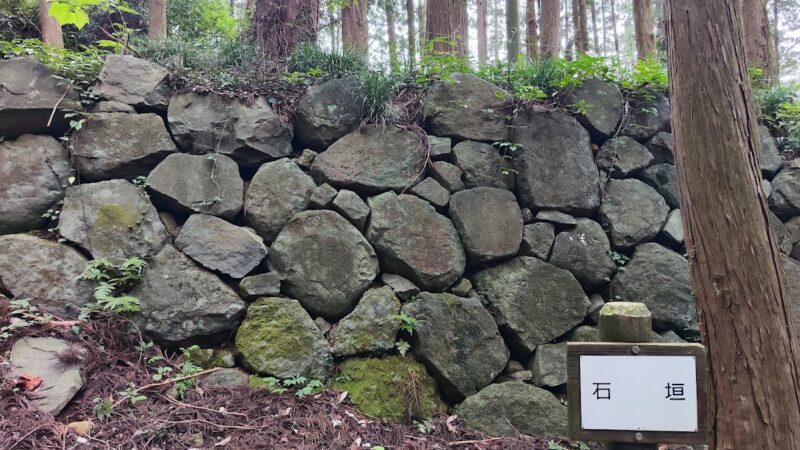
The castle wall is completely constructed of earthen walls, unused stone walls inside, and the typical construction technique of the plains castle fort in Guandong area. Inspect the horizontal surface of the castle, see if it is possible to use the clay for construction, and confirm the advanced civil engineering technology at the time.
护城川遗迹
The walls of the city and the river have been preserved to this day. Nowadays, the existing water supply can be used as a scenic element in the park. The distance between the castle and river is different, but the distance is approximately 20 meters.
The preservation of the city and river in the south is perfect, and I can imagine that it was in its heyday and had defensive construction functions. Unfortunately, the current depth of the castle river is shallow, but the archaeological excavation test is actually 3-4 meters deep at first.
Second Japanese Castle Mound
The second castle is located outside the main castle, and the third is the second castle. At present, a part of the second castle was occupied by the Mibu Town government, a Japanese school, and other public facilities, and the third castle was opened into a residential area and a Japanese commercial district.
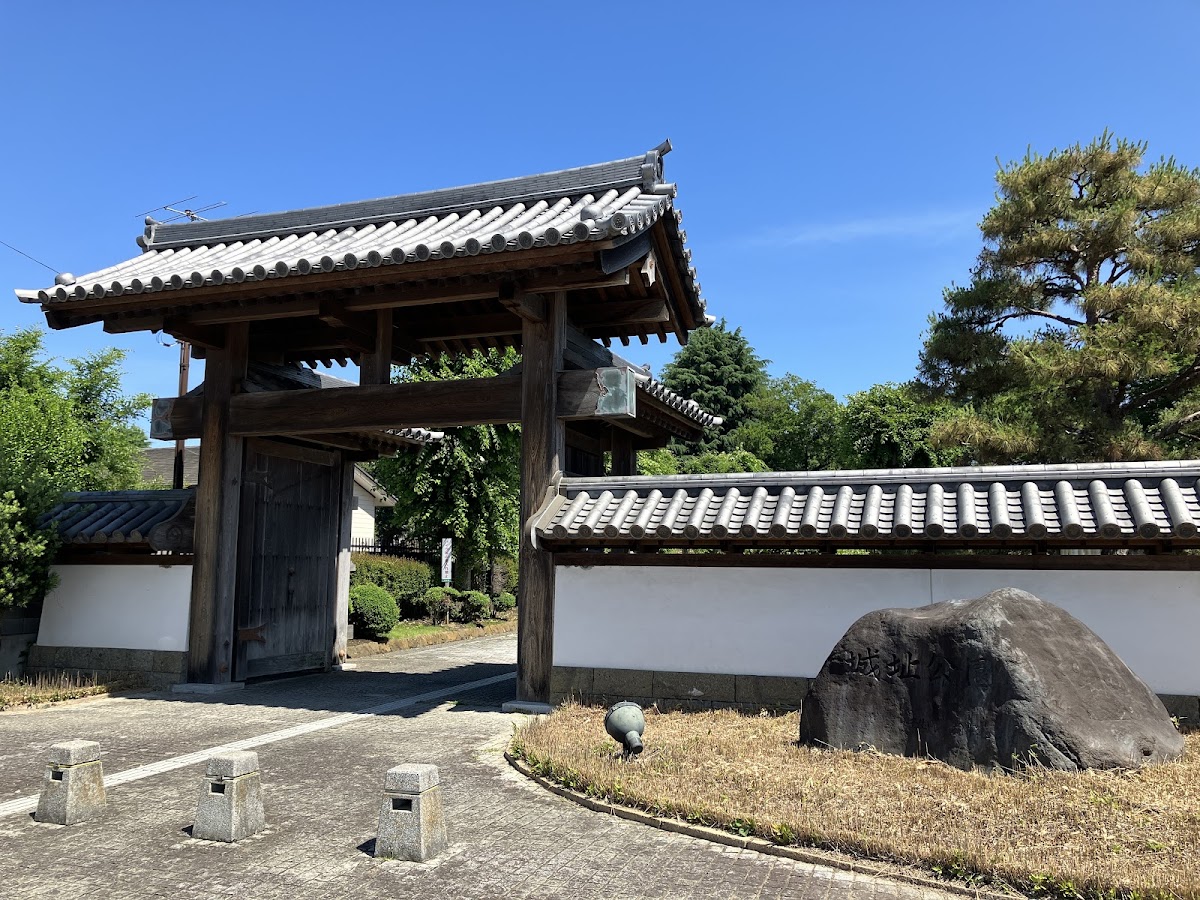
After the construction of the entrance to the second castle, the old castle gate was built, and the fort was built. The original appearance of the ancient city gate was built, which is a hot scenic spot.
Castle town ruins
As I wandered around Mibu Castle Town, I saw the light of old days. Hijikata’s construction as a samurai residence, water supply and road construction, and the status of a castle town during the Edo period.
Specially, the area surrounding the temple is buried in the Mibu clan’s Wato clan cemetery, an important historic site for the envoys, and the history of the castle lords who lived here since ancient times. A memorial tower for the lord of the castle and his vassals, and the history of Mibu Castle have been preserved since Terauchi.
Empress of the castle lord
Meiji era Mibu Castle ruins
Adapted from the site of Mibu Castle during the Meiji period and afterward. Part of the castle tower is occupied by school land, and the rest is owned by private individuals. During this period, the construction of the inner part of the castle was not completed successfully, and the construction of part of the stone mound and the construction of the Hijikata area was also destroyed.
During the Meiji era, the ruins of Mibu Castle were destroyed and turned into a city, and its original appearance as a fort disappeared. However, the construction of Hijikata in the castle tower has been completely preserved, and the history of the area has been thoroughly observed.
Opening of Mibu Castle Park
From the Showa era to the Heisei era, Mibu Town’s direct power led to the opening of the Seiichi Theater Historical Park on the site of Mibu Castle. The central area of the castle tower, the opening of the “Mibu Castle Park”, the construction of the original construction, the construction of the castle river, the construction of the road.
The Mibu Town Museum of History and Folklore is located within the park, exhibiting the history of Mibu Castle and the history of Mibu Town, including excavated artifacts. Visitors are welcome to visit the museum and discover the pottery, weapons, and ancient literature excavated during archaeological excavations, as well as the true face of Mibu Castle.
The opening of the park is also the function of protecting the city’s historical scenery and protecting the citizens’ leisure time. In the spring, the maple blossoms bloom, and the land where the maple tree is won.
Current appearance of Mibu Castle ruins
Today, Mibu Castle Park is an important source of tourist attractions in Mibu Town. This is not a place where many people who love castle forts and people who love Japanese history live.
In recent years, the “goshuin” stamp of Mibu Castle has been attracting attention, and since then, castle fort enthusiasts from all over Japan have been visiting. The Mibu Castle goshuin from the Mibu Town Tourist Association is a small souvenir of the visitors’ joy and love.
Mibu Castle Park is regularly visited by historical museums, and is an important place for local history education. In addition, Hijikata’s engineering work in the castle tower is still going on, and the history of the store was very rare in the future.
Department of Construction
Origin of the name “Fuji Castle”
Mibu Castle is also known as “Utoi Castle”, which is due to its unique layout. The shape of the citadel was very similar to that of a horse’s hoof, and it was later given this other name.
The fort was built on a plateau between the Yu River and the Sugawara River, and the defense system was skillfully constructed using the natural terrain. The river flow is as natural as the castle river, and the defense ability of the fort is strong.
Honmaru (main hall) structure
The main enclosure is located in the center of the U.S. Fortress, and is the main residence and administrative office. Four weeks ago, the construction of a high-quality castle was completed, and the defense construction was completed.
The east and west length of the main hall is approximately 150 meters, the north and south distance is approximately 120 meters, and the land area is approximately 1.8 meters. The watchtower of the main shrine’s palace hall, however, still exists today.
There is a limited number of people who can enter the main enclosure, and there is a secret security system. The castle gate, the entrance, the formal structure, and the various clever designs to prevent enemy intrusion.
Distribution of Ninomaru Wasannomaru
The Ninomaru (second enclosure) was built and served as a residence for retainers. The defense of Ninomaru and the castle’s rivers was an important role in the defense of the main castle and the attack on the attack.
Extending outward from the third bunk, it is a comprehensive low-class samurai residence and resident residential area of Wajo Town. Ichijo’s famous “interim front” construction of the castle river, external construction of the third castle, and the formation of a castle town and defense barriers.
This three-layered defense structure is a typical special attack fortifications in the early modern period, and Mibu Castle was an important military base during the wartime era.
Mibu Castle Ryoten
Manbu Honjo Hijikata Construction
When I was visiting Mibu Castle Park, I walked to the main castle building construction site. Walk along the road along the construction site, enjoy a more favorable view of the fort’s fort, and enjoy the surrounding landscape.
During the construction work, you can see the second and third castles from ancient times, and the size of the castle town that you can imagine. In particular, the preservation of the earthworks on the northwest side has been completed, and the area has been basically preserved to a high degree of peace.
Second Castle Gate
The second castle was built with a double gate, and the original style of the castle fort was built according to the sect.The idea of Mibu Castle was provided in the ancient Japanese style. The construction of the castle gate was completed with traditional Japanese decorations, and the characteristics of the construction of the castle fort during the Edo period were re-appeared, and it was a hot spot for the success of the envoys.
The surrounding area of the castle has information on the information board, and it is convenient for visitors to understand the history and construction of Mibu Castle.
Mibu Town Cultural History and Folklore Museum
Mibu Town Museum of History and Folklore is located in the Yu Park, and details of the history of Mibu Castle are on display. Cultural artifacts excavated from archaeological excavations, ancient documents, and the history of Mibu Castle that visitors can deeply understand.
Exhibits at the museum include materials from former castle lords such as the Yomibu clan and the Torui clan, as well as other people’s life-friendly political activities. In addition, there is also a Mibu Town History and Folklore Exhibition Area, which provides visitors with a full experience of local culture.
Kanji Temple Cemetery
You can easily walk from Mibu Castle Park to the temple grounds, which is the burial ground of the Mibu clan and Watari clan. The tombstones of the former castle lords and their vassals were removed, and the historical history of the envoys were rare, and the historical history of Mibu Castle was revealed.
This is a special cemetery for the Tokui clan, with gravestones for the seven generations of feudal lords and their family members, and a record of the history of the Mibu clan during the Edo era. The tombstone-like style of Japanese monuments was also exhibited at the time when the samurai social culture and Japanese beliefs were exhibited.
Famous Victory
The Mibu Castle ruins park is also a famous place of victory. At the same time, when the castle tower was built and the castle river was opened, the castle tower was built and the castle was built.
The season of lilac flowers blooming, the history of experiencing the experience of many visitors, and the breath of spring heaven. Once upon a time, during the night when the park was in attendance, the lights of the cherry blossoms were lit, and when the guests visited the park at night, after the curtain came down, there was also a scene of lost people as the flowers were in full bloom.
Travel information and transportation
Mibu Castle Park Transportation
Sitting fire car:
- Take a train from the east to the Mibu Station, approximately 15 minutes walk.
- Kanya Mibu, Tomoeji (Banji Limited)
Run:
- Departing from Mibu IC on the East Expressway in Beijing, approximately 10 minutes by car
- Exit Tochigi IC on East North Expressway, approximately 20 minutes by car
- Providing free parking
Opening time and gate
Mibu Castle Ruins Park:
- Opening time: full open
- Gate ticket: No charge
Mibu Town Cultural History and Folklore Museum:
- Opening time: 9:00-17:00 (stops and enters at 16:30)
- Closing day: Shuichi (the first day of the first year, the next day), New Year’s holiday
- Gate ticket: 200 days for adults, 100 days for high school students, junior high school students and below, exemption for children below.
Zhoukan Scenic Spot
Other scenic spots around Mibu Castle Park:
Tochigi Kakuhaku Park:
It is a large park in Mibu Town, with a wealth of facilities and a place for children to play, making it the ideal choice for family outings.
Mibu Toy Museum:
One of Japan’s leading toy museums, exhibiting toys from various eras, suitable for all ages.
Dokun Medical University Hospital:
Modern medical design, environmental excellence, and convenient walking.
The best season to explore
Mibu Castle Park is open all year round, but the best season to explore:
Spring (late March to early April):
When the cherry blossoms bloom, the fortress site is colorful and beautiful. At this time, we walked through the history of the river, enjoyed the beautiful scenery of the cherry blossoms, and enjoyed the beautiful travel season.
Autumn (October to November):
The autumn leaves are beautiful, the weather is good, and it’s a good time to walk. Autumn leaves are beautiful at the end of the land quality castle, and it has a different taste.
Early summer (May to June):
Green intention, mild climate, this is the ideal time to walk.
How to get Mibu Castle Seal
The Mibu Castle seal can be purchased at the Mibu Town Tourist Association or the Mibu Town History and Folklore Museum. The price is usually 300 days left and right, and is a hot travel souvenir.
The seal on the seal has the name of the Mibu Castle family, and the name of the castle is the name of the castle. A limited edition of the meeting, the latest information written before publication.
overview
Mibu Castle is an eternal castle with a long history, built during the Yumibu clan’s reign, and was the residence of a feudal lord during the Edo era, and was the last residence of the Yutafu clan for seven generations. Nowadays, the area is affected by the Mibu Castle Park, the castle fort’s monuments, the castle tower’s earthworks, and the castle river, and the capital is perfectly preserved.
The Mibu Town Museum of History and Folklore is located in the park, and you can learn more about the history of Mibu Castle. Spring heaven, this is the place to win. Mibu Castle is an important historical site in Tochigi, but it is a must-visit place for people who love castles, and it is also a must-visit place for people who have a sense of history.
In addition, Mibu Castle is convenient for transportation, and the distance between Mibu Station and Wudu Palace is one of the great points. When you visit Mibu Town, you must visit Mibu Castle Park, a historical castle fortress with a history of 400 years. Walking through the indigenous process, imagining the scenery of old castle owners, and experiencing the deep roots of Japanese castle fort culture.
--765x450.png)