Yasuda Castle Completion Guide | In-depth explanation of rare historical sites, historical sites and highlights of the Etchu area
Is this Yasuda Castle?
Yasuda Castle is Ichiza Hirahara Castle during the post-war period, located in Toyama City, Yasuda, Fuchu-cho, Toyama City. It was built by Maeda Toshiie in 1581 (9th year of Tensho), and although it existed for a short period of time, it was completely cleared and the land was retained as a primitive monument, so it has become a nationally famous castle ruin.
In 1981 (Showa 56), it was designated as a national historical monument, and the name was “Yasuda Castle Site”. In front of the castle tower, the castle tower with two walls and three walls, the castle river capital, the restoration of the castle, the envoy’s creation, and the exhibition of the rare history of the plains castle in the time of the war.
Yasuda Castle Features
Yasuda Castle’s most distinctive feature is its original appearance at the time of its construction. Due to its existence, the time period was short, the castle fort had not been renovated in the past, and after the expansion, the land was used for construction, but the large-scale expansion was avoided. In this case, the archaeological excavation was carried out by people who were able to understand the structure of the plains castle fort in the post-war period, and the envoy was a monument to the archaeological site.
History of Yasuda Castle
Construction background: Hideyoshi conquered Toyama
Construction of Yasuda Castle, Hideyoshi’s vassals, conquest of Etsune-Chugoku (now Toyama), “Toyama-no-Kai”, a military mission. At that time, Sasa Narumasa and Hideyoshi exchanged battles in Viet China.
In 1585 (Tensho 13), the 100,000-man army entered the country and was invading the country. At this time, Toshiie Maeda, the commander under Hideyoshi, set up Hakucho Castle (Imago Kanoyama Castle), and attacked his military base at Sasa Narumasa’s residence: Toyama Castle.
Built by Toshiie Maeda
During the Toyama Castle period, Maeda Toshiie completed the construction of Yasuda Castle and the castle pond attached to Hakucho Castle. Yasuda Castle is an important strategic strategic point for political and military operations, ensuring the security of Hakucho Castle and the security of Toyama Castle.
The construction date for Yasuda Castle was approximately August 1585 (Tensho 13), and the construction was completed within a short period of time during the tenure of Maeda Toshiie’s vassal. It expresses the style of a plains castle fort, and it is a place that promotes the construction of one theater, and has strong characteristics.
Short-lived existence
In August 1585, Toyama no Haku Isasa Narimasa surrendered and concluded. After this, Maeda Toshiie’s troops entered Viet China, but Yasuda Castle was lost and the battle was abandoned.
Because of its short existence, Yasuda Castle’s long history has been preserved perfectly. Under normal circumstances, the fort was used for a long period of time, and as time went on, the fort was transformed, modified, and built, and since then Yasuda Castle has been in its original form, it has remained the typical prototype of the plains castle fort in the post-war period.
Edo era and after
Place names such as 废弃乃之吟, Yasuda Castle ruins used, 农田, and 幟细 `Jōkō'' and `Horinouchi”. After the Meiji era, when the immediate envoy was in residence, Yasuda Castle was evacuated and expanded to a large extent, and the remains of the castle’s construction in the Kawa area are still on hold.
During the Showa era, archaeological excavations began in the 1970s and began in the 1970s. As a result, the construction of Yasuda Castle was completed, and the land was completely preserved, and in 1981 it was designated as a national historical monument.
Yasuda castle structure
Features of Hirahara Castle
Yasuda Castle is a typical plains castle, with flat topography. Yoyamachi castle or hill castle is not the same, it does not depend on the natural terrain, and the defense ability of artificial construction has increased.
Yasuda Castle is approximately 120 meters in length from east to west, and 100 meters from north to south. This is the special feature of the affiliated castle that was constructed during the short period of time when the production was completed.
Three layers
Yasuda Castle’s triple kuruwa composition: honmaru, ninomaru, and sannomaru. This is a typical conquest of the plains fortress in the late 19th century.
Honmaru This is the center of the fort, and it is also the most important part. The construction square is approximately 40 meters long, and the length of the four walls is approximately 10 meters. The archaeological excavations confirmed the foundation stone monuments, and the location of the main residence and other important construction sites.
Ninomaru The main enclosure is the Honmaru, and the distance between the main enclosure and the Yohonmaru is Ichijo Kōjōga. This is the address of a samurai.
Sannomaru This is the outermost citadel, and a well-organized fort for defense. The first line of defense against invasion by enemy invaders is the 15th U.S. invasion of foreign territory.
护城川结构
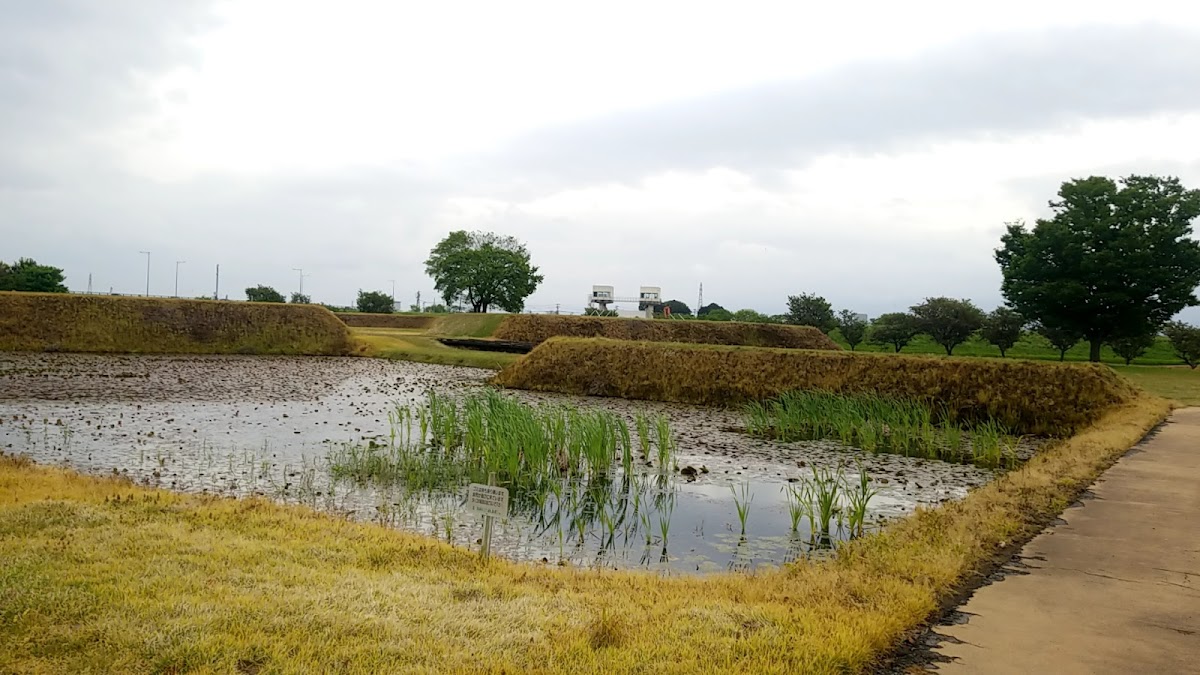
The castle river is the foundation stone of the systematic defense of Yasuda Castle. The archaeological excavation proves that the river started and ended with water.
Outer castle river area: 15 rice meters, depth: 2 rice meters, permanent water storage. The Idagawa River comes from its source. Wooden artifacts excavated from the riverbed of the castle, fragments of Japanese pottery, and information about daily life during the reign of the fort that we understand.
The inner castle river (inner castle river) also filled with water, cost 10 meters, and depth 1.5 meters. The horizontal box shape of the city river (vertical near the river bank), the most advanced fort construction technology at the time.
Hijikata construction entrance
Earthworks are carried out around each burial mound. The construction cost was approximately 2-3 meters, and the construction of the mud pile in the middle of the river in Yugo Castle was completed. At the same time, the Hijikata construction work was carried out in the construction of a castle.
At the entrance (small entrance), there is a castle tower gate, two tiers and three tiers, and a straight line. These various designs are designed to prevent enemies from entering the castle tower. When the archaeological excavation was confirmed, the entrance area existed at the bridge bridge, and the structure was constructed in the wooden bridge in this small area.
Yasuda Castle Legacy
Existing legacy
Complete preservation of Yasuda Castle ruins:
- 护城川: The outer castle river, the inner castle river, the equal improvement of the river, and the water storage landscape that is already present in its original form.
- Hijikata process: The Hijikata process still exists in each section.
- 围墙: The main 围墙, the second 围墙和 the third 围墙 are clearly visible.
- Castle Gate: Entrance location confirmed.
The reason for this is that it is possible to obtain one proposal, and it is comparable to other Japanese military sites, and the preservation of the castle river remains is quite complete.
Archaeological excavation results
Since the 20th century and the 1970s, the Yasuda Castle site has been expanded and numerous archaeological excavations have been carried out. The following important information has been obtained:
Construction has been completed: The construction site has been built and the foundation stone has been removed. The tile fragments that have not yet been shown, the construction of the building and the wood structure.
Unearthed artifacts: Archaeologists excavated pottery, pieces of wood and Japanese metalware from the riverbed of the castle, dating back to the 16th century. Among them, the Echizen 烧和濑户美浓烧の碎片 especially attracted attention, and we understood that it was an important line to provide a living within the castle.
Construction of the river in the city:The control of the bottom of the river in the city, the primary expansion of the river in the river, permanent water storage, and periodic dredging that has not progressed.
Wooden Passage:At the entrance of the castle river, the entrance to the castle river has been completed.
A detailed exhibition of the results of this research is available at the Yasuda Castle Museum.
Modification and expansion status
At present, the Yasuda Castle ruins are the result of archaeological excavation and ongoing renovation and development. The original appearance of Hijikata’s process and its original appearance. However, the construction and the repairs have not yet been completed, and the outer fort has been opened and completed.
The strategy of developing this strategy was excellent, and the structure of the fort was easily understood at the same time. Due to the loss of repair and construction, the complete structure of the fort–comprehensive construction of the fort, Hijikata engineering and the layout of the foreign fort–it is easier for the people to understand.
Yasuda Castle Ruins Museum
Installation overview
Yasuda Castle Ruins Museum The museum is an important site in the history of Yasuda Castle, a free entry site.
Opening time: 9:00 am to 5:00 pm
Closing day: Shuichi (the first day of Shuichi, the next day of the new year), New Year holiday
Key vote: Disclaimer
Exhibition
The following exhibitions are available at the museum:
Continuous Exhibition: Exhibits the history of Yasuda Castle, archaeological excavation results, and excavated artifacts. Further details: The history of the Battle of Toyama was divided between Maeda Toshiie, Yosasanari Masayuki.
Image Exhibition: General history of Yasuda Castle. From now on, we will see a clear and clear method of displaying the appearance of a castle fort during the time of the war.
3D model: An original model of Yasuda Castle on display, a comprehensive structure of the castle fort that allows visitors to understand the three angles.
Exhibition board overview: Comparison of Yasuda Castle, Toyama, and other castle fort sites, and the situation in Vietnam and China during the war.
Viewing platform
The museum has two towers with a viewing platform and a bird’s-eye view of the Yasuda Castle ruins. If you can see the clear ground, you can see the three-tiered castle’s construction, and if you understand the castle’s distribution, it will be very beneficial.
In the sunny day of the village, you can see the mountains and mountains in the distance, and you can see the sight of a military commander at the time of the war.
Funding provided
Yasuda castle grounds provided by the museum, Toyama castle grounds provided by the museum. This is a small fee for those who like to visit the castle fort. The workers are familiar with the history of the fort, and the questions are answered by Yu Yu.
Yasuda Castle Ryoten
Completely preserved three-layered burial mound
Yasuda Castle’s greatest highlight lies in its perfectly preserved three-tiered burial mound: the castle tower, the second burial mound and the third burial mound. After the construction of the castle fortress, it was partially opened, and the original appearance at the time of construction was postponed.
During the journey, you will be able to explore the air space of the fortress during the war. When you arrive at the castle tower, you can see the second layer and the third layer.
Water storage river
After the modification, the river was filled with water, and the scenery of the city river during the time of the war. The scenery of the river and the sky is reflected in the sky, especially when the flowers bloom in Japan, and the scenery is exceptionally beautiful.
The depth of the depth of the city river is also the original appearance, and the ability to feel the depth of the city river is as strong as the defense construction.
Water storage river
After the restoration, the city river was filled with water, and the scenery of the city river during the time of the war was changed. The sky reflects the scenery of the city and the river, and the beauty is not won, which means that when the flowers bloom in Japan, the atmosphere of the people who are confused is added.
The extent of the depth of the city river’s development and its original appearance, as well as its ability to be felt, and the extent to which the city river’s construction and defensive construction were strengthened.
Hijikata engineering height sum shape
Hijikata’s process for each part of the construction is the greatest highlight. The height of the construction work is about 2-3 meters, but when you look at it, you can see that it has a high level of performance, and the defensive construction function has been fully developed.
Climb the ground, take a bird’s-eye view of the fort, and have the ability to view it from the perspective of a watchman or a defender (but be careful, protect the cultural relics, and prohibit entry into some areas).
Castle Cloth Bureau
The castle gates (small entrances) of each castle are lined up in a straight line, which is also the biggest highlight of Yasuda Castle. Various ingenious designs prevent the enemy from attacking the tower, and the technical wisdom of fort construction techniques has been demonstrated in the country’s history.
Outside the castle, the river ran to the castle tower, the demand for multiple changes was changed, and the defense work of Yasuda Castle was completed.
Yasuda Castle Moon Festival
Activity summary
Every year in late August, the Yasuda Castle Festival is held in the city. The charm of the Yasuda Castle ruins is not that active, but it is also a rare sightseeing summer show.
Activity information
Boy’s samurai trip: The activity began last night, and was the beginning of the local children’s samurai trip. A child dressed as a samurai from the time of the war, walking around the fort, and having an extraordinary armor.
Lighting lanterns: At the west of the setting sun, over 1,000 lanterns across the river above the sunset. The reflection of the lantern on the water’s surface is a dream-like scene, and the most beautiful moment of the mission to Yasuda Castle.
Stage Performances: The local music festival will feature colorful Japanese dance performances, as well as summer night performances.
Spectacular lantern decoration
The light of the month is the reflection of 1000 lanterns over the castle river. The lantern is in the dark in the dark, the reflection is on the water surface, the dream is created in general, and the Buddha crosses the country’s time.
On a full moonlit night, the moonlight and the lanterns’ rays of light intersect, and the composition is astounding. Every year, there are many visitors to the capital, and many visitors visit the beautiful scenery.
Traffic information
Point
Toyama 244-1 Yasuda, Fuchu-cho, Toyama City (Yasuda Castle Ruins Museum) 939-2631
Public transportation
Sitting JR:
- Get off at the JR Takayama Line “Hayasei Station” and walk approximately 20 minutes.
- Also available at JR Toyama Station (approximately 30 minutes).
Sitting here:
- If you are in Toyama, take a train to the “Yasuda Castle Ruins” station, and you can easily walk there.
Car route
Beiwa Expressway Route:
- Approximately 10 minutes from Toyama Nishi IC
- Approximately 15 minutes from Toyama IC
Car stop: Provided free parking space (approximately 30 regular car positions)
Zhoukan Scenic Spot
The following scenic spots are near Yasuda Castle ruins:
- Kurukayama: This is the location of Hakucho Castle, a viewing platform with a magnificent view of the Toyama plains and mountains.
- Toyama Citizens’ Folklore Museum: One cultural integration, internally designed folklore museum, Japanese folklore museum, etc.
- Toyama City Family Park: An integrated collection of animal parks and Japanese play parks.
The construction guide combines a few scenic points, and you can enjoy a more enriching sightseeing experience.
Visit Yasuda Castle Knowledge
Precautions for viewing
- Yasuda Castle was built and the history of the castle was received and protected, the release of small hearts was unnecessary, and the construction of the castle river was unnecessary.
- Partial areas prohibited from entering, compliance instruction tiles.
- Yusui Kawauchi, extraordinarily timid, and that’s the reason he’s an elementary school student.
- There are a lot of mosquitoes in the summer, and the number of mosquitoes is large.
Best viewing time
The Yasuda Castle ruins have been open for a full year, but the best time to visit is as follows:
Spring season (April to May): The ideal time to explore Yasuda Castle.
Autumn (October to November): Autumn leaves are reflected on the water surface of the castle river, and the scenery is lost.
Late August: During the Yasuda Castle Moon Festival, the generals will perform Yasuda Castle Moon Festival activities and enjoy a unique exhibition.
Travel time
Full visit to Yasuda Castle Ruins Museum, construction schedule 1 to 1.5 hours. After completing the tour of the museum, we will walk along the castle fortress site and climb the scenic route to enjoy the panoramic view.
History of Yasuda Castle
National Battle National History
Yasuda Castle has been recognized as a national cultural relic, and the land has been completely cleared and the appearance of a plains castle in the latter half of the War period. The original appearance of Yasuda Castle was destroyed, and the original appearance of Yasuda Castle was destroyed during the Edo era. After the land was reserved, its original structure, its existence was short, and its subsequent employment combined with the success of the land.
Archaeological site
Archaeological excavation details show the structure of Plains Castle in the late 16th century, construction techniques, and lifestyle of residents in the castle. This is a small piece of knowledge that is important to research on the castle forts of the time.
In particular, the structure of the castle river, the layout of the castle gate, the construction method of the construction method, and the latest technology will be provided at the time of purchase.
Industrial History Education Center
The site of Yasuda Castle is also a historical educational place for military personnel. If you are looking at the history of learning and learning, you can experience it without having to read the curriculum.
The local school’s political and social research is a historical point of view, and the history of the school’s history is interesting.
Overview
Yasuda Castle is located in Toyama City, Fuchu-cho, Toyama City, and is the site of Hirahara Castle in the late period of the War. Yasuda Castle was built by Maeda Toshiie in 1585 during the Toyama War. Its existence was short, its construction was slow in later generations, and its original appearance was not completed until the land was completed.
Yasuda Castle site has three layers of fortifications, Kawa Castle construction, completed the typical appearance of plains castle forts during the time of the war, unsatisfactory. This is a must-visit place for those who love history, and it is also an ideal place for those who love building forts.
Yasuda castle ruins museum offers an exhaustive exhibition and interpretation of the castle fortress. Every year in late August, the Yasuda Castle Moon Festival takes place in the city, and at that time the castle is lit by a thousand lanterns, creating a dream-like scene.
As soon as the opportunity came to Toyama, ten million people went there, and the history of the country was rare. Experience the scenery of the military’s location at the time, and understand the fort structure built by others, as well as the historical understanding of the country.