Guijing Castle completion guide: History, light points, transportation and Yunhai information explanation
Is this Kuroi Castle?
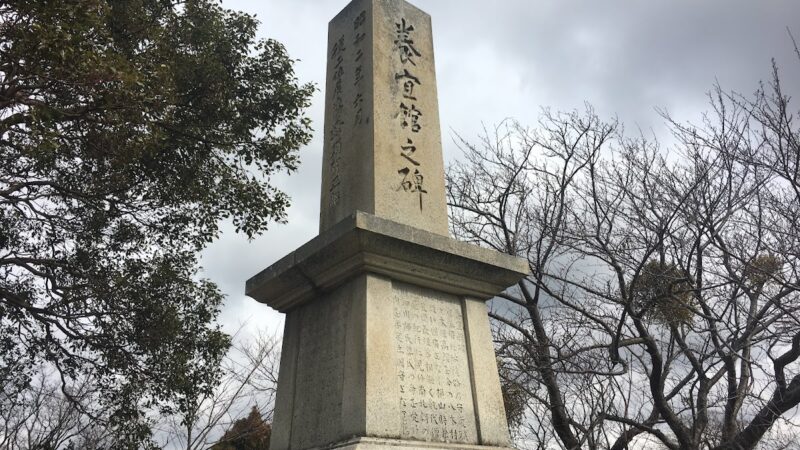
Kuroi Castle Koreichiza Medieval Keiyama Castle, Zarakyu Heiyokyo, Kuroi, Kasuga-cho, Tanba City, Iguchiyama (356 meters above sea level). Shunya was named `Bo Yue Castle'' or Bao Chu Castle'', which was selected on April 6, 2017 as one of the `Japan’s 100 Greatest Castles” (163rd person).
Kurojing Castle has been designated as a historical monument by the United States. The defense work has been completed, and the defense work has been completed on the mountain spine, which is an extension of the three sides of Mt. Iguchi. Blackjing Castle has a land area of 7 km, a circumference of 8 km, a castle tower, an outer fort, a stone wall, earthworks and drying of the castle river, a typical mountain castle during the war, and an honorable mention.
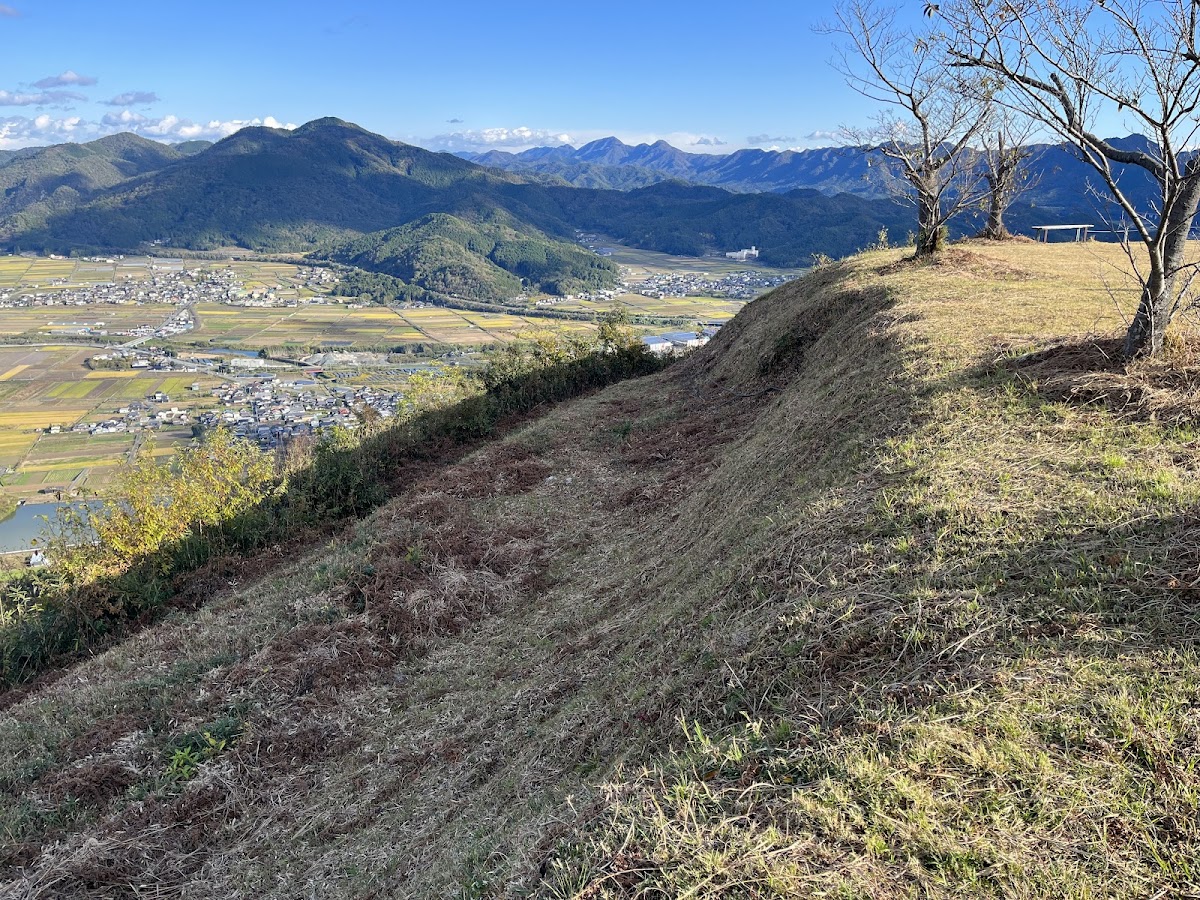
Nowadays, this is the best place to see the sea from autumn to winter, and the magnificent panoramic view of Tamba city from the top of the mountain.
History of Kuroi Castle
Akamatsu era: Construction started in Namboku Town era
The history of Kuroi Castle was traced back to the Nanboku-cho era. Recorded in the Kagitsu Record, December 12, 1335 (February 1335), Akamatsu Yoshinori (Akamatsu Kamura Matetsugu) was present at Kasukabe Castle, Hikami District, Tanba Province, U. A simple castle fort was built on Mt. Iguchi, and the historical opening of the Kuroi Castle fort was completed.
However, it is also a complete mountain fortress that has not been built at that time, and is a simple fortress. The Akamatsu clan is a powerful daimyo in Harima, and other commanders have built Kuroi Castle and are active bases in the Tanba area.
Ogino (Akai) era: The peak of the warring era
In 1554 (Tenbun 23rd year), the Kuroi Castle was completed as a mountain castle by the Seigai Troupe, and at that time Ogino Naomasa (later renamed Akai Naomasa) was the lord of Seigai Castle. Naomasa was the number one warrior, a brave, good and warlike samurai, the honorable “Tanba Red Demon”, and the other commanders completed the construction of Kuroi Castle and became the stronghold of the troupe of the Gunwaka Kinpo.
In the beginning, Naomasa was a vassal of Nobunaga Kita, but he was accompanied by a conflict with the Yamana clan, and other long-time feudal lords formed an enemy. In 1575 (Tensho 3), Nobunaga Akechi ordered Akechi Mitsuhide to attack Tanba, Kuroi Castle was established and Mitsuhide’s army was targeted.
Kuroi Castle Battle (Tensho 3)
In October 1575, Mitsuhide Akechi led a force of approximately 30,000 large armies to attack Kuroi Castle, but Naomasa Akai’s exquisite military defense and defense of the castle was impossible. Mitsuhide’s army was attacked, and the reinforcements led by Akai Naomasa’s uncle, Akai Yukiie, were destroyed, and the disaster was severe. Akechi Mitsuhide, the envoy who lost the area, planned to conquer Tanba when he was released.
The death of Naomasa Akai and the decline of Kuroi Castle
In March 1578, Naomasa Akai passed away at the age of 38. After the direct government’s death, the land was weakened and the defense of Kuroi Castle was destroyed, and the soldiers within the castle were destroyed.
Second Battle and Fall of Kuroi Castle (1579)
In 1579, Akechi Mitsuhide attacked Kuroi Castle again. This is the first step, other spiritual strategies, various types of calculations, and one by one we conquered the attached castle pond of Kuroi Castle. In addition to this, other high-ranking vassals came to Kuroi Castle to try out other examples.
On August 9th of the same year, Kuroi Castle finally collapsed. In the end, Naomasa Akai’s younger brother Naoyuki Akai and his family committed suicide, and the Ogino (Akai) clan recovered. Akechi Mitsuhide’s conquest of Tanba Province progresses through the fall of Kuroi Castle.
Akechi Mitsuhide era: Toshimitsu Saito, head of Kuroi Castle
After the fall of Kuroi Castle, Mitsuhide Akechi appointed his high-ranking vassal and Toshimitsu Hito the lord of the castle. Toshimitsu Saito was the benefactor of Mitsuhide, and the rest arrived in Tamba Province, and the castle was located in Yu Kurojing Castle.
Toshimitsu Saito’s woman was Kasuga Tsubo, the nurse of Iemitsu Tokugawa, the third general of the Shogunate, and the great strength he had. In Kasugatsubo’s childhood years, he lived in Kuroi Castle, and because of this, Kuroi Castle was created as an ancestral place, and has important historical significance.
Strike direction
In June 1582 (Tensho 10), Mitsuhide Akechi was stabbed to death during the attack at Honnoji Temple, and Nobunaga Sota was killed, but Hideyoshi Hashiba was killed during the battle of Yamazaki. Toshimitsuya Saito’s book was published.
After this, Kurojing Castle remained in power for a short period of time, but in 1609, the left and right were expanded (in 1609). During the Jiang Era, an office was established near Kozenji Temple in the mountains, and the administrative center was also located in the mountains.
The structure of Kuroi Castle
All-mountain defense fabric
The special feature of Kuroijo Saiaki is that Hiroya’s mission, defense and defense are in place at Iguchiyama. There is no main castle tower (main tower) as the central main castle, and there are three outer forts distributed along the mountain spine, forming a castle pond with a length of about 8 km.
The following are some of the major attached castles and fortresses:
- Nishiji: Senjoji Fortress – Keystone base for Western invasion
- Eastern Beiji: Longhua Fortress – Defense North
- Tonanji: Tada Fortress, Shinto Fortress – Self-southern passage from the control system
The combination of small fortifications, multi-level defense system, and enemy invasion.
Honmaru Kazushu Castle Ruins
The main enclosure is the 356th mountain of Uhai, which is the core of Kuroi Castle. Completely preserved temple surrounding the main enclosure:
Stone wall
The main castle has elaborate stone tombs, especially the entrance (edge) stone tombs, and the fort construction techniques were advanced at the time of development. The structure of the stone stone is a typical special conquest in the late 19th century, and it is also understood that the construction of the stone stone is a horizontally important historical site.
Kuruwa (Kuruwa)
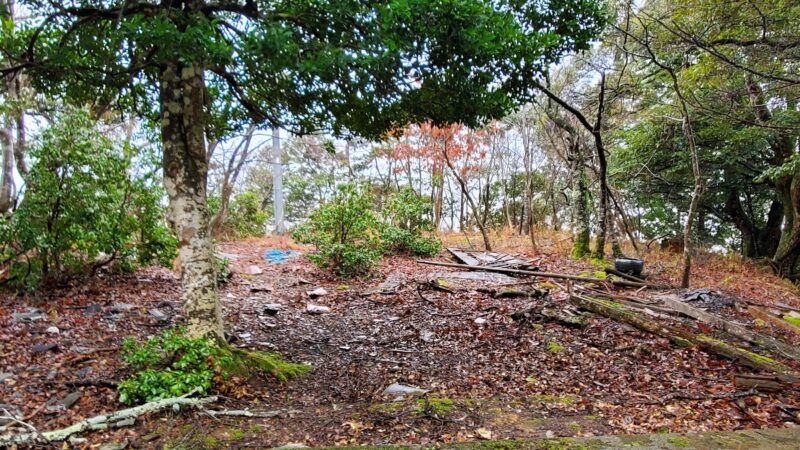
Comprehensive 2nd and 3rd outer fort has multiple shells inside and a ladder-like structure with main shells arranged. Each time the city was pacified, the construction was done, the soldiers and the soldiers were housed. Even now, I can see the world clearly and clearly.
Hijikata construction Japanese dry river
Hijikata construction (Yudui’s earthen mound construction) Japanese dry and dry 护城川 (Dry water’s 护城川) construction. This is a minor defensive construction work to prevent enemy intrusion. In particular, it is a river that crosses mountains and rivers, and has an important effect on the protection of the river.
Mizui Ryoji
During the time when the water was present in the mountain, water sources were provided, and the water source was in the museum. The meaning of Yushan Castle is that it is important to ensure that the water source is important, and that it is alive and dead.
Yamashita’s residence remains
The mountain castle is different from Yoyama, and the owner’s residence is located at the foot of the mountain. It was located near Kozenji Temple in the present day, and was a place of administrative work and daily life during the peace era.
Clouds of Kuroi Castle
Time-sizing conditions for viewing
In recent years, Kuroi Castle Cause Yunhai Miracle has been accepted. The best time to see Yunhai is from late September to early December, from October to November.
Yunkai formation conditions:
- Temperature difference in daylight – Yozen one day temperature difference in temperature difference is large, and it is easy to form.
- Sunny skies or clear skies – Clear skies must be on the ocean.
- Qingchen – The best time to watch is before sunrise (early 6:00 to 8:00).
- Weight wind – Strong wind blows up.
- It rained the previous day – High ground humidity, easy formation of hail.
Yunhai Qing Techniques
A bird’s-eye view of the clouds in Tanba City. The observation field near the castle tower is the most open, and you can enjoy a 360-degree panoramic view.
Photographer:
- Choose sunrise time – Qingchen’s sun light shines on the sea, the scenery is exceptionally beautiful.
- Using tripod mount – Qingchen light line is dark, be careful when moving the machine.
- Cold protection measures – Suitable thermal clothing with low temperature.
- Headlight – A must-have tool for nighttime ascents to castle forts.
Former Kuroi Castle
Location
Hyogoku 669-4141 Kuroi, Kasugacho, Tamba City
Public transportation
Departs from JR Fukuchisan Line “Kuroi Station”
- Approximately 15 minutes from the starting point of the climbing route to Kuihei Station
- It takes about 40-60 minutes from the starting point of the trail to the mountain (the route is not the same, but the location is different)
Kuroi Station is a small, unmanned vehicle station, but can be reached within 2 hours from Osaka Station on the Fukuchi Mountain Line (JR Takarazuka Line).
Self-drive route
Kumai-Wakasa Expressway “Kasuga IC” departure
- Approximately 10 minutes by car from the starting point of the Kasuga IC.
Departure from Chugoku Expressway “Yoshinosha IC”
- 40 minutes by car from Yukinosha IC to National Route 175
Car stop
Kuroi Castle is the starting point of the road, and each starting point is a parking spot in the city.
Kozenji trail starting point stop (main route)
- Site: Near No. 2263 Kuroi, Kasuga-cho, Hyogo, Tanba City
- Capacity: Approximately 10 cars
- Cost: Free
- This is the most commonly used starting point, and you can clearly see the instructions.
Shapa Road Line Starting Station
- Capacity: Approximately 5 cars
- Cost: Free
- The line speed is short, but the demand time is short.
Climbing route
Main Arisanjo mountain climbing route of Kuroi Castle.
1. Kozenji route (main route, matching beginners)
- Travel time: Uphill distance: 50-60 minutes, Downhill distance: 40 minutes.
- Distance: Approximately 1.5 km
- Special Features: The most suitable route and route sufficiency.塡证方对平缓.
- Bright Point: It is possible to see along the way to the stone wall of the castle.
2. 陡塡路线(进阶路线)
- Travel time: Uphill distance: 50-60 minutes, Downhill distance: 40 minutes.
- Distance: Approximately 1.5 km
- Special Features: The most suitable route and route sufficiency.塡证方对平缓.
- Bright Point: It is possible to see along the way to the stone wall of the castle.
2. 陡塡路线(进阶路线)
- Travel time: Uphill distance: 50-60 minutes, Downhill distance: 40 minutes.
- Distance: Approximately 1.5 km
- Special Features: The most suitable route and route sufficiency.塡证方对平缓.
- Bright Point: It is possible to see along the way to the stone wall of the castle. Uphill distance: 30-40 minutes; Downhill distance: 25 minutes.
- Distance: Approximately 1 km
- Special Points: Name of the name, this is the shortest route, but the length is long enough. A well-integrated and intelligent person.
- Caution: Partially wet and slippery road steps, climbing shoes with built-in holes.
3. Yipo Road Line
- Travel time: Uphill distance: 70 minutes, Downhill distance: 50 minutes.
- Distance: Approximately 2 km
- Special Features: A person with the highest level of physical ability and a certain level of demands.
Climbing castle fort precautions
- Wearing: Customized clothing, protective slippers (designed climbing shoes or walking shoes)
- Carrying items: Water for drinking, wool, rain gear, mosquito and eel (summer)
- Season: In the summer, there are a lot of mosquito children, Japanese cattle, and mosquitoes.
- Winter: Due to the danger of wet and slippery roads during snowy conditions, there is a possibility of equipment such as ice claws.
- Bear Warning: Reports of frequent bears appearing in the Tanba area, due to the construction of iron or other similar devices.
Seal/Fortress Seal Information
Seals of Japan’s 100 Great Castles (complete)
Kurojing Castle remains, but the seal of one of Japan’s 100 largest castles remains (continued), but the seal is located at the foot of Usan, and is located at the foot of a mountain.
point:
- Center of Kasugasha Ward (Kasuga Branch, Tamba City)
- Site: 811 Kuroi, Kasuga-cho, Hyogo, Tanba City
- Business hours: Week 1 to Week 5 8:30-17:15
- Rest days: Week 6, Week day, Day of holiday, Year-end and beginning of year-end holiday
- Tamba 奶奶乡路边站
- Site: 710 Nanukaichi, Kasuga-cho, Hyogo, Tanba City
- Business hours: 9:00 to 18:00 (business hours vary depending on location)
- Rest day: Zhou 2 (Next day of Zhu 2, the next day of Zhu 2)
- It takes about 20 minutes to walk to Kuroi Station, and it takes about 5 minutes to drive.
Castle Fortress Seal
You can purchase the Kuroi Castle Seal by installing the above.
- Pricing: Regular version approximately 300 days
- Design:Accepted by Naomasa Akai
- Limited Edition: A special design meeting based on the castle’s ticket, with the owner setting, and the occasional meeting.
Nearby view point
Kozenji Temple
Kozenji is the family temple of the Akai clan, the lord of Kuroi Castle, and is near the starting point of the Iyu mountain trail. Terauchi Ariakai Naomasa’s graveyard and the history of Kuroi Castle, where guests visited.
Birthplace of Kasuga Tsubo
Kasugatsubo was born in Yu Kuroijo, she was Toshimitsu Hito’s daughter, and she was Iemitsu Tokugawa’s nanny. The history of Kasuga Tsubo Sokan was sprayed in Tanba City.
Michi-no-Eki Tanba Obaachan no Sato
Here you can buy local specialty Japanese transportation station. It is a collection of seals in Kuroi Castle, and it is an ideal rest station. Black soybean products, Japanese Tamba chestnuts and sweets, are accepted.
Tamba Dinosaur Fossil Workshop “Chi-tan’s House”
The main theme of this exhibition is the Tamba Fossil Fossils in Tanba City. Approximately 15 minutes by car from Kurojing City, a very suitable home tour.
Visit Kuroi Castle Knowledge
Calculator demand time
- Climb: Return 2-3 minutes
- Depth Tour: 3-4 hours
- Inclusive Yunhai Photo:Qingchen Demand 4 Short Time or Changing Time
Recommended tour time
Spring (March to May)
- The weather is mild, the mountain climbs the mountain
- Green intention, scenery and people
Autumn (September to November)
- Autumn Loser
- Spectacular scenery during the Yunhai season
- During the warm weather, this is the ideal time to walk.
Winter (December to February)
- Yunhai Kishu is here
- After the leaves fall, you can see the clearing of the leaves.
- Extraordinary timidity during snowy conditions, which makes life more dangerous.
Summer (June to August)
- There are many mosquitoes and insects in the sky, and the sky is scorching hot.
- Qingcheng boarding option
Customer information
- Prerequisites for viewing the weather – Rainy weather wet road surface danger
- Complete time – Expansion of play time possible
- Receive extra water – Be especially careful about dehydration in summer
- No need for registration, but please notify the destination – Safety considerations
- Required practice – Courtesy of the history of the security guard
Conclusion
Kuroi Castle is a historical monument designated by the Japanese government, has an extremely high historical record, and is a typical example of a mountain castle during the war period. The fort was constructed by the famous general Akai Naomasa, and its fortification was extremely strong, and it was still perfectly preserved.
356 American mountain views, the scenery is spectacular, especially in the autumn and winter season, it is beautiful and undefeated. Blackjing Castle is selected as “Japan’s 100 Famous Castles”, a popular attraction, and a hot scenic spot for castle enthusiasts from all over the country.
Kuroi Castle is a historical monument designated by the Japanese government, has an extremely high historical record, and is a typical example of a mountain castle during the war period. Climbing Kurojing Castle requires a certain level of physical ability, but the gain is good, the mountain climbing path is perfect, and the instructions are perfect for beginners and beginners. Arrived in Tamba City, with a certain focus on the mountain fortress with a rich history, and a collection of ancient Japanese military commanders.