#Usuki Castle: A complete overview of history and highlights
Usuki Castle was located in Usuki City, Oita Prefecture, and was a Kaito fortress built by the Christian feudal lord Otomo Ranin during the war period. At the beginning of the construction, on the island of Usuki Bay, surrounded by four sides, it was a natural defense construction. Nowadays, Usuki Castle is filled with sea-buildings, the area is connected with other places, and the people’s pleasure is greatly appreciated. Usuki Park.
Memories
- Overview of Usuki Castle and other names
- Era of War: Built by Sorin Otomo
- Early modern period: Usuki domain during the Eko era
- Fortress structure and stone tomb features
- Castle tower and existing construction
- Changes since the Meiji era
- Usuki Castle Ruins (Usuki Park)
- Transportation and travel information
- Yousuki castle construction process
Usuki Castle Overview and Alternative Name
Usuki Castle is a castle fort in Usuki City, Oita Prefecture, Japan. The fort is designated as a national historical monument. This is a unique sea castle, a lonely island in Usuki Bay, New Island.
The length of the eastern and western parts of the island is approximately 420 meters, the distance from north to south is approximately 100 meters, and the land ranges from three sides to the north, east, and south. It was about 15 meters in the island, four times around the island, and a lonely island, and the conquering of the peninsula.
The name “龟城” was given to the other person on the island because the shape of the island was very similar. Because of its unique geographical location, Usuki Castle was an important military fortress from the time of the war to the time of the war.
Era of the War: Built by Sorin Otomo
Built in 1562
The history of Usuki Castle began in 1562, when Otomo Sorin, a feudal lord who believed in Christianity, completed the construction of the fort, and the commanders named it as an island castle. The Otomo clan was a feudal lord who lived in the postwar country of Uhei (now Oita). During the quiet period, other people in northern Kyushu were established with great power.
The location of Otomo Sorin’s fort in Usuki Bay, the cause of which is easy to see. Entering the island has a unique geographical feature: when the tide goes down, you can reach the route, and when the tide goes down, you have to cross the sea. Various natural defense works have been recognized during the war, making it an ideal defense base.
Christian Culture Center
Otomo Sourin is the number one pious Christian daimyo, with traces of other-world faith that has kept him from going to Usuki Castle. Inside the castle fort, there is a Christian seminary located in Yamashita Castle.
It’s just that it’s a similar character on the stone burial mound. This is a minor reference to the work of Christian stone craftsmen, which is an expression of faith, and which is currently an important center of Christian culture.
Mr. Otomo’s point of view
Usuki Castle was the residence of Sorin Otomo, and the center of politics and military affairs for the Otomo clan. General Sourin was stationed on board the ship (Ima Oita City), where he was transferred to Usuki, where he used the coastal castle fort and established it in Kyushu.
In 1578, during the Battle of the River, the Shimatsu clan was defeated and the Otomo clan continued to defend Usuki Castle. In 1586, the Shimazu clan attacked Usuki Castle on a large scale, and after the geographical advantage of the coastal fort, the Shimazu clan was supported by Hideyoshi, the commander, and Usuki Castle was finally preserved.
Early modern period: Usuki domain during the Edo period
Naotaka Fukuhara and Kazuyuki Ota
After the war, the Otomo clan was destroyed and became the lord of Usuki Castle. In 1600, Naotaka Fukuhara was appointed lord of the castle, with a salary of 60,000 koku; in 1602, Kazuya Ota was appointed as the lord, with a salary of 65,000 koku.
During this period, the defense of the castle was strengthened. In fact, during the time of the restoration of the Fukuhara clan and the Waota clan, the construction of the third outer fort was started on the shore of the river, and the construction of the third outer fort was completed. This is a large scale model of the castle pond, and the exhibition of the castle town was established.
The 15th generation of the Chonoha clan
In 1614, he was appointed as the lord of the Usuki domain and received a stipend of 50,000 koku. The Meiji period was renewed, and the 15th generation of the Choka clan established the Usuki clan. This is an exhibition of the history and culture of Usuki Town and its long history.
In 1999, the defense work for Usuki Castle was completed step by step, the castle tower was completed, and the two outer forts and Kazusan forts were completed. Exhibition of castle towns and prosperity of Japanese culture and commerce. The total amount of control over the Usuki domain is small, the salary is 50,000 koku, but the education and culture are given enough attention, and the talent is cultivated.
During the Edo period, Usuki Castle was constructed and the administrative center of the domain, and the natural barriers provided by the sea around the four circumferences. Before the end of the Edo period, Usuki Castle was at peace, and an unprecedented battle was fought.
Fortress structure and stone mound special expedition
Honmaru Yoninomaru
The core of Usuki Castle is composed of Honmaru Wajinomaru on Ushishima. Honmaru position is the highest point on Ushima, and the second round circle is the highest point on Ushima. Honmaru Waninomaru’s four sides were covered with a rocky cliff, and since then they have invaded their own sea.
The Honmaru is the main residence and official residence, and is the administrative center of the area. The Ninomaru area includes a high-grade vassal residence, various constructions, and use of support fortifications and defense operations.
Sannomaru Yogienshū
Sannomaru was built in Gigaen Province, which was founded during the time of the Fukuhara clan and Waota clan. Sannomaru Street was connected to Ichiza Bridge, and Honmaru Wajinomaru was located on the island, and the outer defense work of Usuki Castle was completed. The address of the vassal and the samurai is also the same as the castle town.
Ishizuka’s Special Conquest Authorization
Usuki Castle’s stone burial mound is attracting a lot of attention due to its technology and its special Japanese cultural expedition. The construction of small stone citadels was carried out from the Warring States era to the early Jiangzhou era, and various fort construction techniques were developed at different times.
This is the sum of characters carved on the stone tomb. As previously mentioned, it is possible to see similar characters in the list, and this is a rare cultural artifact that can be seen, as well as the cultural influence of Otomo Sorin at the time. In addition, the author’s signature is perfectly preserved, and it is an important resource for the construction techniques of forts at the time of research on the construction of the mission.
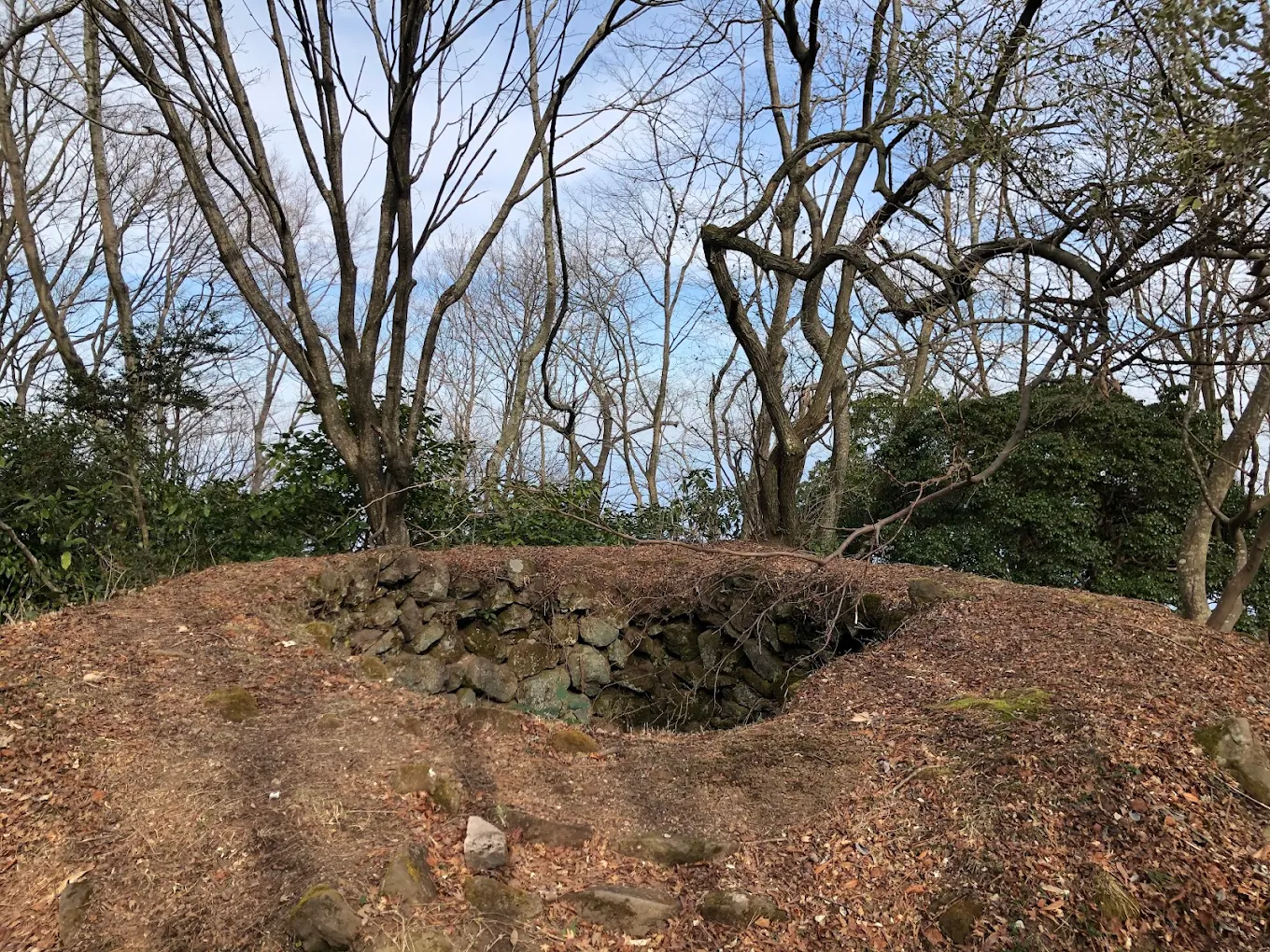
The structure of the stone tomb was built using the surrounding rock base, was damaged by the waves of the ocean, and was invaded by violent winds and rainstorms. Part of the tomb is still perfectly preserved.
Castle tower and existing construction
History of the castle tower
Usuki castle tower. The construction of the castle tower was similar to the one that existed during the time of Sorin in Otomo, and the official castle tower was built during the Edo era. However, the current historical literature is limited, and the specific structure of the fort is not considered.
During the Meiji period, the Yuyu castle fortification order, the removal of the castle tower, and the current status of stone base. From here, on the stone base, a panoramic view of Usuki Town, Usuki Bay, and a spectacular view of the coastal fortress.
Existing fire pit
Usuki Castle was originally built during the Edo period. Among them, the Kome Pagoda and the Utaraguchi Pagoda are particularly important.
The 榻榻米套 Tower is a two-tiered pagoda, and it is also one of the rare constructions in Usuki Castle. The construction of the Utaraguchi pagoda and tower is similar to the construction of the castle fort during the Edo period. The construction of this tower is an important cultural treasure, and the history of Usuki Castle has been preserved ever since.
Main gate after repair
In recent years, progress has been made in the construction and repair of Usuki Castle’s history. The main castle gate’s repair work and the envoy’s visit to the castle fort are as bright as the old days.
After this modification, the ancient literature and archeology have been restored, and the original history of the land has been restored to the greatest extent possible. The main gate is an important building on the ruins of Usuki Castle, and has the appearance of a castle fort during the Edo period.
Changes during the Meiji era and after the new era
Shiroike Gyojo Yoji Kaizo
After the Meiji era, in 1871 (Meiji 4), the Usuki feudal lord system was abolished, and the establishment of the Japanese capital and prefectures was abolished, and Usuki castles disappeared. In 1873 (6th year of the Meiji era), the Shiroike Eijiryo official Gofu was established, and the construction was completed.
Another major change is the construction of sea filling facilities in the surrounding area. During the Meiji period, the construction process of the sea filling around the island continued to be strengthened, and the original sea water environment was expanded and the castle pond was removed from the island. The construction of the sea was completed, and the castle district of Usuki was completed.
Designation of historical sites
The history of Usuki Castle was destroyed, and the preservation work was immediately developed. At present, Usuki Castle has been designated as a national heritage site, and important cultural treasures for production and protection.
Stone tombs, towers, and other monuments in the ruins, cultural goods and goods can be managed in a reasonable manner, and archaeological excavation work is also carried out. This little research has resulted in a new face of Japanese history.
Current status of Usuki Castle (Usuki Park)
Winning place
Nowadays, Usuki Castle is the site of the opening of Usuki Park, a place for Chengdu citizens to relax and release pine trees. Since then, the name of the spring season is that of the castle’s gardens.
When the cherry blossoms were in full bloom, the flowers were similar to the bells, the stone tower was attached to the tower, and the number of visitors was attracted. The curtain descends at night, the lights shine, the colors of the maple flowers shine throughout the night, and the scenery is like that of a wandering visitor. This is the place where the ancient Japanese seaside castle fort was built and the local people loved it.
Park configuration
Usuki Park has an operating area, Nadoyuuenwa Shrine. The castle fort is located on the site, and visitors can visit Usuki Town and Usuki Bay with a panoramic view.
There is a walking path in the park, where visitors can walk between the stone walls and the pagodas, and feel the historical turmoil. The information on each tablet in the garden includes the history and construction of Usuki Castle.
Travel center
Usuki Castle ruins are one of the major tourist attractions in Usuki City. The appearance of a castle town in Usuki City, attracting many visitors, and the light of sight.
The Usuki City Tourist Association and its other facilities have opened a comprehensive tourist route within the Usuki Castle ruins, and the information provided by the Usuki City Tourist Association has been expanded to become a fascinating center of history and culture.
Transportation and travel information
Location and transportation
Usuki Castle Site (Usuki Park) is located in Usuki Town, Oita City, Usuki City. Convenient transportation, it takes about 10 minutes to walk from JR Japan Main Line Usuki Station. The car drove off, leaving the East-Kyushu Expressway Usuki Interchange Road, about a 10-minute drive away.
There are parking areas around the park, and it is convenient to drive around the park. Yuyu is located in the center of Usuki City, and the generals walk around the castle town.
Precautions When visiting Usuki Castle, please note the following points, and it will be easier to experience the area:
- The letter on the stone wall: This is a similar letter to the letter, which is a monument to Christian culture.
- Existing City Tower: A short distance view of the 榻榻米城楼和涜口城楼.
- View from the castle tower: A bird’s-eye view of Usuki Town and Usuki Bay.
- After repair, the main gate: Sensing the old castle fort’s battle.
- Imagining an old-fashioned coastline: I was currently in the middle of a long walk, but I was on an island, and I had the most hobbies.
Zhoukan Scenic Spot
Other scenic spots around Usuki Castle Ruins:
- Usuki Stone Buddha: A set of stone carved Buddha statues designated as national treasures.
- Usuki Castle Town: Historical appearance of a samurai residence and Japanese commercial store.
- Niozakushikushiro: Ichijo Mibi’s 鹅 Egg Sekikushikushikaido.
- Hara-Shinko-ji Temple: A temple of the Ichiza Yo-Christian daimyo Sokan.
In the future, two scenic spots will come together, and the historical and cultural sights that will be enjoyed will be fully exhibited.
Works by Yousuki Castle Sokan
The main theme of this work is that it is a small work. The story of the life of the Christian feudal lord Otomo Rin, and the story of his life in Usuki Castle.
Local staff can assist you with the Usuki Castle Historical Museum and Exhibition Museum, and provide more information. Usuki City Tour Guide provided by the Usuki City Tour Guide.
Overview
Usuki Castle is a unique castle fort, has a unique history and culture, and was built during the reign of the feudal lord Otomo Rinrin. Usuki Castle was built, a natural fortress in Usuki Bay, on the island, surrounded by four sides, and the defense work was completed.
During the Edo era, the 15th generation of the Reiha clan was here, and Usuki Castle was the administrative center of the Usuki clan, with a surface area of 50,000 koku. After the beginning of the Meiji period, the Zhoukan area was filled with sea-buildings, the connection between the two major cities, and the appearance of the old Japanese island fort remains unchanged. However, the stone burial mound, the fire pit, etc. are still perfectly preserved.
Nowadays, Usuki Castle remains and is subject to Usuki Park, which is a place deeply loved by the citizens, and is also part of the nation’s history. The same characters are engraved on the stone wall, which is a rarity in Christian culture.
As you can see, the ruins of the old castle ruins have a unique charm, and the long history of the castle fortress in the sea and the unique charm of modern works. As you walk through this journey, you will be able to imagine the history of Usuki Castle in the distant past when you are seated in a vast ocean environment.