A Complete Guide to the History and Highlights of Yasaki Castle (Gunma Prefecture) | Visiting the Remains of a Sengoku Period Mountain Castle
Yasaki Castle is a medieval mountain castle located in Gunma Prefecture. Built during the turbulent Sengoku period, this castle played an important role as a regional defense base. This article provides a detailed explanation of Yasaki Castle’s history, the background of its construction, its lords, the current state of its remains, and highlights and access methods for visitors.
Basic Information on Yasaki Castle
Yasaki Castle is a mountain castle built in Gunma Prefecture and was an important base for regional control during the Sengoku period. While there are various theories regarding the exact construction date, it is believed to have been built sometime between the late 15th and 16th centuries.
Location and Geographical Characteristics of the Castle
Yasaki Castle is a mountain castle that skillfully utilizes the mountainous terrain. Its defensive structure, which takes advantage of the natural topography, clearly demonstrates the characteristics of castle construction technology at the time. The steep terrain characteristic of mountain castles made it a natural stronghold, preventing enemy invasions. The castle’s layout, utilizing elevation and relative height differences, was designed for effective defense even with limited personnel, making it a typical example of mountain castle construction techniques from the Sengoku period.
History of Hachizaki Castle
Background and Historical Context
During the Sengoku period when Hachizaki Castle was built, the Gunma Prefecture region was a fierce battleground where multiple forces vied for supremacy. Major powers such as the Kanto Kanrei Uesugi clan, the Odawara Hojo clan, and the Kai Takeda clan clashed, and local lords maintained their power by changing alliances in a desperate struggle for survival.
In this context, Hachizaki Castle is thought to have been built as a base for regional control and a military stronghold to maintain influence over surrounding areas.
Lord and Governing System
It is presumed that Hachizaki Castle was ruled by local lords or powerful families. In the Gunma Prefecture region during the Sengoku period, small-scale lords built their own castles and maintained their territories, sometimes becoming subordinate to larger powers.
While historical records are limited, making many details unclear regarding the castle’s succession, it is believed to have been ruled by influential local figures for generations.
Role during the Sengoku Period
Hachizaki Castle is thought to have played the following roles:
- Regional Defense Base: A frontline fort protecting surrounding territories
- Intelligence Gathering Base: A role in monitoring the movements of hostile forces
- Logistical Base: A relay point for the accumulation and supply of goods
- Lord’s Residence: Functioned as the lord’s living space during peacetime
Time and Circumstances of Abandonment
The time when Hachizaki Castle was abandoned is estimated to be around the time of Toyotomi Hideyoshi’s Odawara campaign (1590), or around the time of the “One Castle Per Province” decree (1615) in the early Edo period.
With the end of the Sengoku period and the arrival of the peaceful era under the Tokugawa shogunate, mountain castles lost their military value, and many castles were abandoned. It is believed that Hachizaki Castle was abandoned within this trend and returned to nature.
Layout and Structure of Hachizaki Castle
Basic Structure of a Mountain Castle
Hachizaki Castle is presumed to have had the structure of a typical medieval mountain castle. The basic components of a mountain castle are as follows:
Main Enclosure (Honmaru)
This is the central enclosure of the castle, where the lord’s residence and command post were located. It was the most heavily fortified area and the final location for a siege.
Second and Third Enclosures
These are groups of enclosures arranged to surround the main enclosure. They were used as barracks for soldiers and storage for supplies.
Moat
A dry moat dug to cut across the ridge, it is an important defensive structure to prevent enemy intrusion. It is one of the most distinctive remains of a mountain castle.
Earthwork
An earthen wall built around the enclosure. It served to enhance defensive capabilities and clearly define the boundaries of the enclosure.
Vertical Moat
A moat dug vertically along a slope, which effectively hindered the enemy’s lateral movement.
Defensive Measures
It is believed that the following defensive measures were implemented at Hachizaki Castle:
- Utilization of Terrain: Natural defensive walls utilizing steep slopes
- Arrangement of Multiple Enclosures: A multi-layered structure enabling phased defense
- Ensuring Clear Visibility: Good visibility for monitoring the surrounding area
- Securing Water: Securing a water source in preparation for a siege
Current Status of Hachizaki Castle Remains
Remaining Remains
The following remains may still exist at the current Hachizaki Castle site:
- Flat Area of Enclosure: The topography of the area where buildings once stood
- Traces of Moats: Traces of dry moats cutting across the ridge
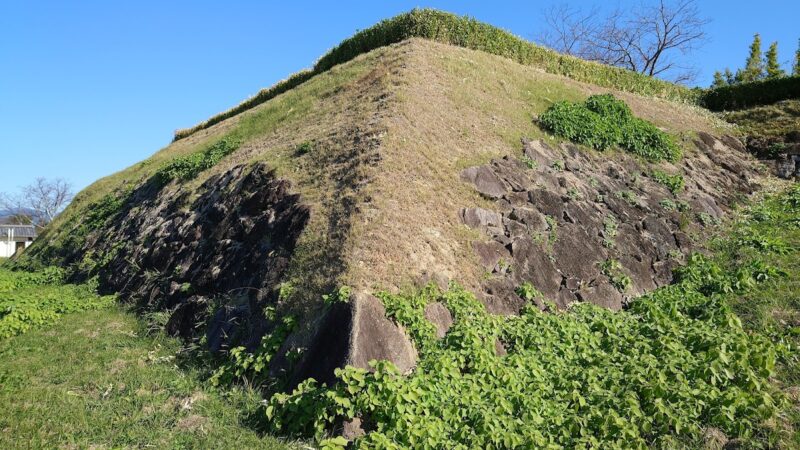
- Remaining Earthworks: Elevations of earth around the enclosures
- Cut Slopes: Steep slopes artificially carved
Preservation Status of Remains
Like many mountain castles, the Hachizaki Castle site has suffered from years of weathering and overgrown vegetation, making it difficult to identify some of the remains. However, it is possible to estimate the former castle structure by observing the topography.
Status of Archaeological Excavations
It is currently unclear from available information whether a full-scale archaeological investigation of Hachizaki Castle has been conducted. Many small to medium-sized mountain castles remain unexamined to this day.
Historical Background of Hachizaki Castle and its Surroundings
Position of Gunma Prefecture in the History of the Sengoku Period
The Gunma Prefecture area experienced the following historical developments during the Sengoku period:
The Era of the Kanto Kanrei Uesugi Clan
From the 15th to the early 16th century, the Kanto Kanrei Uesugi clan wielded considerable power. Until the time of Uesugi Norimasa, much of Gunma Prefecture was under the influence of the Uesugi clan.
Expansion of the Hojo Clan
As the Later Hojo clan, based in Odawara, expanded its power into the Kanto region, Gunma Prefecture also came under the influence of the Hojo clan.
The Takeda Clan’s Invasion
With Takeda Shingen’s invasion of western Kōzuke Province, western Gunma Prefecture came under the control of the Takeda clan.
Uesugi Kenshin’s Kanto Campaign
Uesugi Kenshin of Echigo Province inherited the position of Kanto Kanrei (governor of the Kanto region) and, in his confrontation with the Hojo clan, Gunma Prefecture became a disputed territory between the two forces.
Relationship with Surrounding Castles
It is believed that Hachizaki Castle formed a regional defense network in cooperation with other mountain and flatland castles scattered around the area. Castles during the Sengoku period did not exist in isolation, but rather formed a “castle network” with multiple castles cooperating with each other.
Points to Note When Visiting Hachizaki Castle
Access Methods
When visiting the Hachizaki Castle ruins, please note the following:
Use of Public Transportation
It is necessary to check in advance how to access the castle from the nearest station and whether there are any bus routes. Many mountain castles may be difficult to access by public transportation.
Access by Car
Visiting by private car is often the most practical option. However, it is recommended to check the availability of parking spaces and the road conditions to the castle ruins in advance.
Points to Note When Visiting
When visiting the mountain castle, please note the following:
Clothing and Equipment
- Appropriate Shoes: Hiking boots or trekking shoes are recommended.
- Long-sleeved shirt and long pants: To protect yourself from bushes and insects.
- Hat: To protect your head from the sun and branches.
- Gloves: To protect your hands when bushwhacking or on steep slopes.
Items to Bring
- Drinking Water: Carry a sufficient amount.
- Map and Compass: To avoid getting lost.
- Mobile Phone: For emergency contact.
- Insect Repellent: Essential depending on the season.
- First Aid Kit: A basic first-aid kit.
Safety Considerations
- Avoid Solo Travel: Visiting with multiple people is preferable if possible.
- Check the Weather: Refrain from visiting in rainy or bad weather.
- Allow Ample Time: Plan to descend before sunset.
- Consideration for Private Land: Respect the rights of landowners
Highlights and Observation Points
Points to note when visiting the Hachizaki Castle ruins:
Observation of Topography
- Arrangement and shape of baileys
- Location and size of moats
- Remaining state of earthworks
- Boundary between natural terrain and artificial modification
Views
The view from the mountain castle is important for understanding the strategic value of the castle at the time. Observe while considering what areas can be seen and from which direction enemies were being watched.
Surrounding Environment
The relative locations of settlements, roads, and rivers around the castle also provide clues to understanding the castle’s role.
Research and Historical Materials on Hachizaki Castle
Documentary Materials
Documentary materials concerning Hachizaki Castle may be limited. This is because many small to medium-sized mountain castles are rarely recorded in historical texts if they were not the site of large-scale battles.
Fragmentary information may remain in local history materials and ancient documents.
Local Traditions
History not recorded in written documents is sometimes passed down through local oral traditions. The stories of local elders and historians often contain valuable information.
Future Research Topics
Regarding Hachizaki Castle, the following research topics are conceivable:
- Detailed Layout Survey: On-site surveying and recording of remains
- Archaeological Excavation: Dating based on excavated artifacts
- Excavation of Documentary Materials: Searching for undiscovered ancient documents
- Comparative Study with Surrounding Castles: Clarifying the regional castle network
Mountain Castle Culture of Gunma Prefecture
Characteristics of Mountain Castles Remaining in Gunma Prefecture
Numerous mountain castle ruins remain in Gunma Prefecture. Its characteristics include:
- Castle construction utilizing the terrain: Defensive structures utilizing steep mountainous terrain
- Many small castles: Bases of control by local powerful families
- Location along major roads: Positions for monitoring and defending major roads
- Relationship with rivers: Locations that take into account rivers such as the Tone River system
Efforts for preservation and utilization
In recent years, efforts to preserve and utilize mountain castles have been progressing in various locations:
- Preservation activities of remains: Maintenance activities by local residents
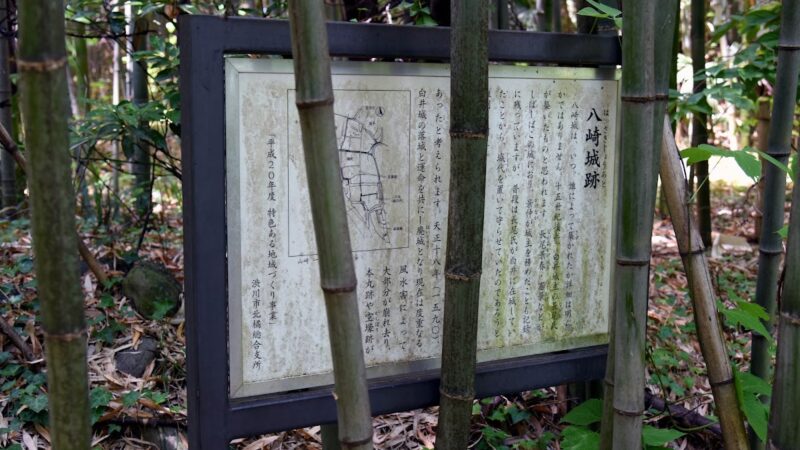
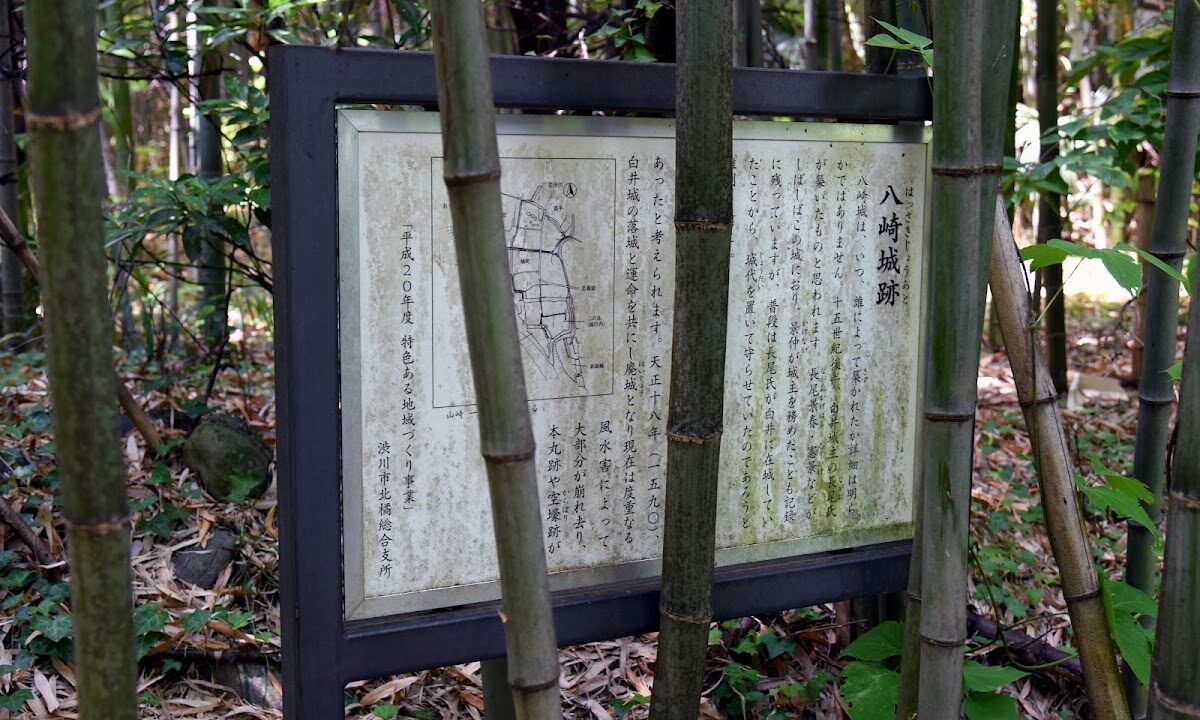
- Installation of information boards: Providing information to visitors
- Development of viewing routes: Maintenance of hiking trails for safe viewing
- Awareness activities: Holding lectures and tours
Tourist spots related to Hachizaki Castle
Surrounding historical sites
When visiting Hachizaki Castle, visiting surrounding historical sites will allow you to understand the local history more deeply:
- Nearby castle ruins: Other mountain castles from the same period
- Ancient Battlefield Sites: The site of battles that took place in the region.
- Temples and Shrines: Temples and shrines that have existed since the Sengoku period.
- Local History Museums: Facilities that exhibit the history of the region.
Castle Tours in Gunma Prefecture
Gunma Prefecture has numerous castle ruins, allowing you to plan a castle tour route:
- Minowa Castle: A large-scale flatland castle designated as a national historic site.
- Kanayama Castle: A mountain castle selected as one of Japan’s 100 Famous Castles.
- Iwagutsu Castle: A mountain castle associated with the Sanada clan.
- Nagurumi Castle: The castle that triggered the Siege of Odawara.
By visiting these famous castles along with local mountain castles like Hachizaki Castle, you can gain a more comprehensive understanding of the castle culture of the Sengoku period.
Learning about Life in the Sengoku Period from Hachizaki Castle
Regional Communities Centered Around Castles
During the Sengoku period, castles were not merely military facilities, but the centers of local communities:
- Political Center: Base of control by the feudal lord
- Economic Center: Market and collection point for goods
- Center of Religion: Relationship with castle shrines and family temples
- Cultural Center: Cultural activities under the patronage of the feudal lord
Relationship Between Castles and Farmers
During wartime, farmers were mobilized to participate in the defense of the castle. Many villagers were also mobilized for construction (civil engineering works). The existence of castles had a significant impact on the lives of local residents.
Life in Mountain Castles
Life in mountain castles differed greatly between peacetime and wartime:
Peacetime
During peacetime, only a minimum number of guards were stationed, and it is believed that the feudal lord often lived in a residence at the foot of the mountain.
Wartime
During wartime, many soldiers were besieged in the castle, fighting prolonged defensive battles in a limited space. There were many challenges, including securing water and food, and maintaining sanitation.
Summary
Hachizaki Castle is a mountain castle from the Sengoku period (Warring States period) located in Gunma Prefecture. While detailed historical records are limited, its appearance at the time can be inferred from the topography and remains.
Mountain castles are important historical sites for understanding Japanese medieval history, and visiting them allows you to experience the realities of history that cannot be learned from textbooks. Even small, regional mountain castles like Hachizaki Castle played an important role in local communities during the Sengoku period.
When visiting castle ruins, please take sufficient safety precautions and carefully preserve the remains. Furthermore, visiting local history materials and museums will allow you to understand the castle’s history more deeply.
Through exploring Hachizaki Castle, why not reflect on the history of Gunma Prefecture during the Sengoku period, its castle culture, and the lives of the people of that time? Even small mountain castles remaining in the region each have their own unique history and stories. Unearthing such history and passing it on to future generations is an important role for us.