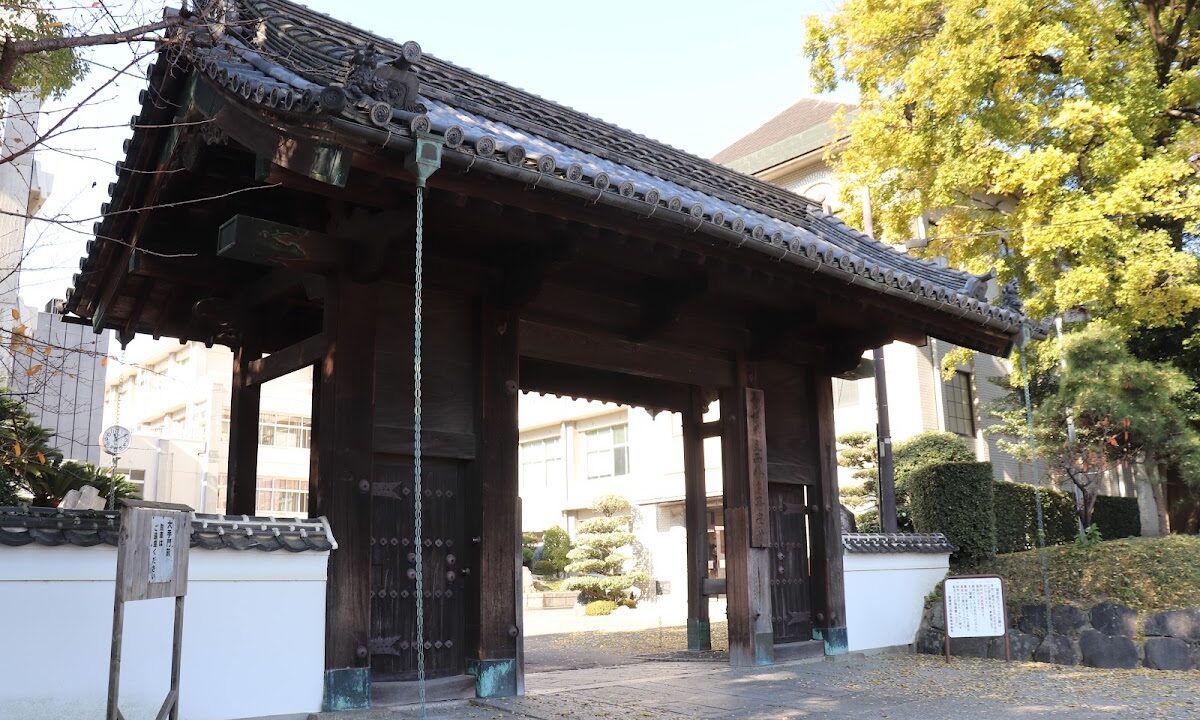
Hojo Jinya Ruins (Tsukuba City, Ibaraki Prefecture) | Complete Guide to History, Remains, and Access
Located at the foot of Mount Tsukuba in Tsukuba City, Ibaraki Prefecture, Hojo is a historic area that flourished as a temple town for pilgrims visiting Mount Tsukuba, where a jinya (fortified residence) was established during the Edo period. This article provides a thorough explanation of the Hojo Jinya Ruins, including its detailed history, current state, access methods, and surrounding attractions.
What are the Hojo Jinya Ruins?
The Hojo Jinya Ruins are the remains of an Edo period jinya that existed in Hojo-uchimachi, Tsukuba City, Ibaraki Prefecture. A jinya was an administrative and residential facility established by daimyo (feudal lords) and hatamoto (direct retainers of the shogun) to govern their territories. Although smaller in scale than a castle, it played an important role as the center of regional governance.
Basic Information
- Location: Around Hojo-uchimachi, Tsukuba City, Ibaraki Prefecture
- Type: Site of a Jinya (fortified residence) / Scattered Site
- Main Period: Edo Period (Early Modern Period)
- Current Status: Obliterated due to residential development
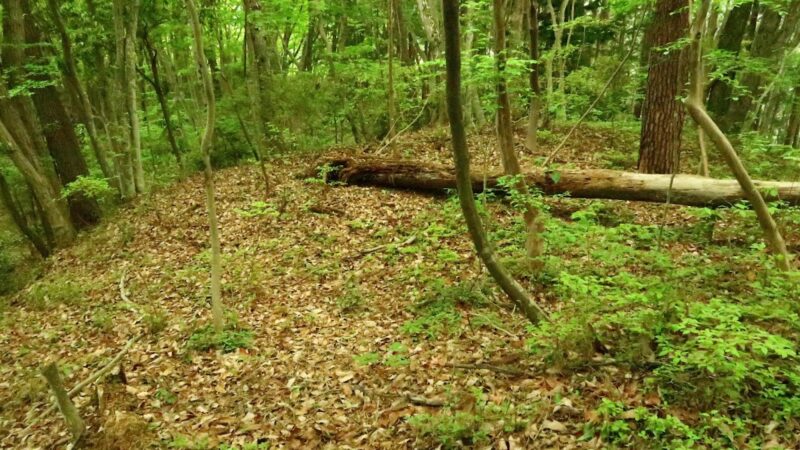
- Remains: Difficult to confirm on site
The Hojo Jinya was located in the central area of the Tsukuba district of Tsukuba City, close to Mount Tsukuba. The area around present-day Hojo-uchimachi is considered the site of the Jinya, but due to urbanization, it is difficult to confirm any clear remains of the Jinya.
History of the Hojo Jinya
Establishment of the Jinya by the Hotta Clan
The history of the Hojo Jinya dates back to the early Edo period. Between the Keicho and Kan’ei eras, several rulers governed this region. Particularly important is the rule by the Hotta clan.
The Hotta clan was a prestigious family that served the Tokugawa shogunate as hereditary daimyo. They established a jinya (fortified residence) in Hojo-uchimachi, making it the administrative and military base of the region. With the establishment of the jinya, their retainers began to build residences in the surrounding area, naturally leading to a revitalization of commercial activity.
Rule by the Tsuchiura Domain
After the Hotta clan, Hojo came under the rule of the Tsuchiura Domain. The Tsuchiura Domain governed Hitachi Province (present-day southern Ibaraki Prefecture), and under the Tsuchiya clan, the Hojo jinya continued to function as a regional administrative center.
During the Tsuchiura Domain’s rule, Hojo strengthened its character as a temple town for pilgrims visiting Mount Tsukuba. Throughout the Edo period, the worship of Mount Tsukuba spread throughout the Kanto region, and many pilgrims passed through Hojo on their way to Mount Tsukuba.
The Great Fire of Meiwa (1766)
In 1766 (Meiwa 3), a large-scale fire broke out in Hojo-uchimachi. This great fire caused immense damage, destroying 74 houses. Because Edo-period towns were densely built with wooden structures, fires spread easily, and such large-scale fires are recorded in various locations.
The Hojo fire is thought to have affected the jinya (fortified residence) and the surrounding townscape. It’s possible that the town’s structure and the layout of the jinya changed during the recovery process from this disaster.
From the Late Edo Period to the Meiji Restoration
In the late Edo period, Hojo continued to develop while functioning as a temple town and post town. Merchants built storehouses and warehouses, and some of these historical buildings still remain today.
After the Meiji Restoration, although its function as a jinya was lost due to the abolition of the feudal domains and establishment of prefectures, Hojo continued to exist as a central hub at the foot of Mount Tsukuba, serving as a key point for the region’s economy and culture.
Structure and Size of the Jinya
Layout of the Jinya
While detailed records of the exact layout and size of the Hojo jinya are limited, they can be inferred from the general structure of jinya.
A jinya (fortified residence) typically consisted of the following facilities:
- Palace: Living and working space for the feudal lord or magistrate
- Office: Building for administrative duties
- Row House: Residences for retainers
- Storehouse: Warehouse for storing tax rice and weapons
- Gate: Entrance to the jinya
It is believed that the jinya located in Hojo Uchimachi also possessed these basic elements. The general structure involved retainers’ residences surrounding the jinya, with the townspeople’s area further outside.
Defensive Facilities
While jinya did not possess the same defensive capabilities as castles, some had simple defensive facilities such as moats and earthworks. It is possible that some defensive facilities existed at the Hojo jinya, but this cannot be confirmed today.
Current Status of the Hojo Jinya Site
Preservation Status of Remains
Currently, the Hojo jinya site is completely urbanized, making it extremely difficult to identify any clear remains of the jinya. While recorded as a scattered site on the Ibaraki Prefecture archaeological map, the current location is residential land, and its preservation status is described as “possibly obliterated.”
According to a visitor report by the Kojodan (Castle Enthusiasts Group), no traces of the encampment could be found on site, and no explanatory signs or other informational materials were installed. Unless one is familiar with history, it would be difficult to realize that this place was once an encampment.
Relationship with the Hyuga Temple Ruins
When visiting the Hojo Encampment Ruins, it is worthwhile to also visit the nearby Hyuga Temple Ruins. The Hyuga Temple Ruins are the remains of a temple that existed from the late Heian period to the Kamakura period, and remnants such as foundation stones have been confirmed.
Located less than a 5-minute walk from the Hojo bus stop, the remains are more clearly preserved than those of the encampment, so it is recommended to visit both during a historical exploration. The Hyuga Temple Ruins are a valuable historical site indicating that this region was an important place from ancient times.
The Townscape of Hojo
Although the remains of the jinya (fortified residence) are gone, the town of Hojo still retains historical buildings from the Edo period. The townscape, dotted with shophouses and storehouses, conveys the atmosphere of a former temple town.
Walking through Hojo’s inner town, you can feel the history of this area, where a jinya was located during the Edo period and where retainers and merchants lived. It’s a charming townscape where modern life and history coexist.
Access Methods
Access by Public Transportation
Train and Bus Combination
- Using the Tsukuba Express
- Get off at Tsukuba Station
- Take the Tsukuba Bus Northern Shuttle or Kanto Railway Bus bound for Tsukuba Yamaguchi
- Get off at the Hojo bus stop and walk for approximately 5 minutes
- Using the JR Joban Line
- Get off at Tsuchiura Station
- Take the Kanto Railway Bus bound for Tsukuba Yamaguchi
- Get off at the Hojo bus stop and walk for approximately 5 minutes
Since bus services are limited, it is recommended to check the timetable in advance. Especially on holidays, buses may be crowded due to the large number of tourists visiting Mt. Tsukuba.
Access by Car
Route from Major Roads
- Approximately 20 minutes from the Joban Expressway “Tsuchiura Kita IC” via National Route 125
- Approximately 15 minutes from the center of Tsukuba City via National Route 408
Parking is limited around Hojo, so the use of public transportation is recommended. If you’re visiting in conjunction with sightseeing at Mount Tsukuba, you can use the Mount Tsukuba parking lot and then travel by bus or shuttle from there.
Nearby Attractions and Tourist Information
Mount Tsukuba
The closest tourist attraction to Hojo is, of course, Mount Tsukuba. It’s a twin-peaked mountain consisting of Mount Nantai (877m) and Mount Nyotai (871m), and is a famous mountain known as “Fuji in the west, Tsukuba in the east.”
- Tsukuba Shrine: An ancient shrine located at the foot of the mountain, and one of the leading power spots in the Kanto region.
- Cable Car/Ropeway: Easy access to the summit.
- Hiking Trails: Multiple courses are available for enjoying hiking.
Hyuga Temple Ruins
As mentioned above, these are the ruins of an ancient temple located near the Hojo Jinya (fortified residence) ruins. Remains from the late Heian period to the Kamakura period are still there, and foundation stones can be seen. It is an important historical site for understanding the ancient history of this region.
The Historic Townscape of Hojo
Around Hojo-uchimachi, many storehouses and earthen warehouses from the Edo period remain. Town development is underway as “Hojo at the Foot of Mount Tsukuba,” and cafes and galleries utilizing historical buildings are scattered throughout the area.
You can enjoy the atmosphere of the former temple town while strolling through the area. The old merchant buildings, in particular, are valuable cultural heritage that conveys the prosperity of commerce during the Edo period.
Nearby Castles and Fortification Sites
Many other castle and fortification sites exist within Ibaraki Prefecture:
- Sakasai Castle (Bando City): An earthen castle used by the Later Hojo clan as a base for their expansion into northern Kanto. It features reconstructed structures and is well worth seeing.
- Tsuchiura Castle (Tsuchiura City): The main castle of the Tsuchiura Domain. The turret gate and other structures have been restored.
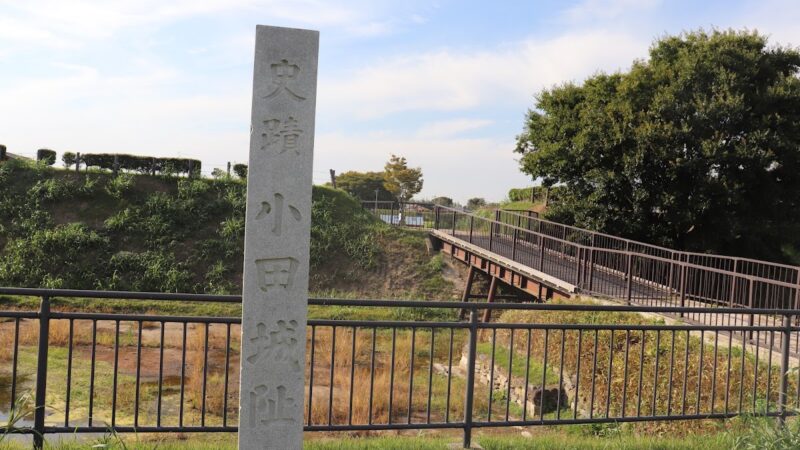
- Oda Castle (Tsukuba City): The site of a medieval flatland castle. A nationally designated historic site.
History enthusiasts will gain a deeper understanding of Ibaraki Prefecture’s castle history by visiting these historical sites in conjunction with the Hojo Jinya Ruins.
Hojo Jinya Ruins Visiting Guide
Points to Note During Your Visit
When visiting the Hojo Jinya Ruins, please keep the following points in mind:
- Current State of Remains: No clear remains of the Jinya (fortified residence) exist. The enjoyment comes from using historical imagination to infer the former location of the Jinya.
- Information Boards: There is a high possibility that there are no information boards explaining the Jinya at the site, so it is recommended to research the history beforehand.
- Combining with Surrounding Attractions: Since the Jinya Ruins alone offer limited sights, plan your visit to combine it with other attractions such as the Hyuga Temple Ruins, a stroll through the Hojo townscape, or a visit to Mount Tsukuba.
- Estimated Time Required: A visit to the Jinya Ruins alone takes about 15 minutes. Including a stroll through the townscape, 1-2 hours is a good estimate.
Best Season for Visiting
Since the Hojo Jinya Ruins are an outdoor historical site, it is recommended to visit in the pleasant weather of spring (March to May) and autumn (September to November). The autumn foliage season at Mt. Tsukuba (November) is particularly enjoyable and can be combined with sightseeing in the surrounding area.
In summer, according to data from the Japan Meteorological Agency, southern Ibaraki Prefecture experiences high temperatures and humidity, so heatstroke prevention is necessary. In winter, a cold wind known as the Tsukuba-oroshi blows, so be sure to take adequate precautions against the cold.
Regarding Photography
Since the Jinya Ruins are located in a residential area, please be considerate of the privacy of local residents when taking photographs. When photographing the historical townscape of Hojo, it is advisable to obtain permission from private property and businesses that are in operation.
Photography is relatively free at surrounding historical sites and tourist attractions such as the Hyuga Abandoned Temple Ruins and Mt. Tsukuba, but please observe common sense and manners.
Historical Significance of the Hojo Jinya Site
As a Center of Regional Governance
The Hojo Jinya is an important historical site for understanding the local governance system of the Edo period. Although smaller in scale than the “castles” (residences of daimyo), the Jinya served as a practical facility handling daily administrative functions.
Through the rule of the Hotta clan and the Tsuchiura Domain, Hojo developed into the political and economic center at the foot of Mount Tsukuba. The existence of the Jinya undoubtedly had a significant impact on the urban development of this region.
Relationship with the Temple Town
One of the characteristics of the Hojo Jinya was its close connection to the worship of Mount Tsukuba. Its dual nature as both a Jinya town and a temple town led to Hojo’s unique development.
Commerce catering to pilgrims flourished, with numerous lodging facilities and souvenir shops lining the streets. Some of these commercial facilities remain today as historical buildings, allowing us to imagine the prosperity of that time.
Connection to the Taki Clan
Tracing the history of the Hojo region, from the late Heian period to the Kamakura period, this area was under the influence of the Taki clan. The Taki clan was a branch of the Hitachi Taira clan and controlled the area around Mount Tsukuba.
The existence of the Hyuga Temple ruins indicates that this region was an important base even before the medieval period. The Hojo Jinya (fortified residence) of the Edo period can be positioned as an extension of this long history.
Related Historical Materials and Research
Archaeological Survey
The Hojo Jinya site is registered in the National Archaeological Site Reports Compendium (Nara National Research Institute for Cultural Properties). It is classified as a scattered site and is considered a complex site from the Kofun period and the early modern period (Edo period).
While detailed excavation records are limited, there is a possibility of new discoveries through future investigations. Due to ongoing residential development, remains may be confirmed through emergency surveys related to development.
Local History Research
In the study of local history in Tsukuba City and Ibaraki Prefecture, the Hojo Jinya (fortified residence) is an important theme. Local libraries and local history museums may hold materials related to the history of the Hojo clan.
In particular, the relationship between the Hojo Jinya and the temple town is a fascinating subject of research in the study of local governance during the Edo period and the worship of Mount Tsukuba.
Summary
The Hojo Jinya site (Tsukuba City, Ibaraki Prefecture) is a historical site where it is difficult to confirm clear remains today, but it holds important historical significance for understanding local governance during the Edo period and the development of temple towns.
Under the rule of the Hotta clan and the Tsuchiura Domain, Hojo flourished as the center of the foothills of Mount Tsukuba, and its history is still reflected in the current townscape. When visiting the Jinya site, combining it with a visit to the Hyuga Temple ruins, the historical townscape, and sightseeing on Mount Tsukuba will make for a more fulfilling historical exploration.
Precisely because no remains remain, there is the enjoyment of using your imagination to envision the Edo period landscape. Access from central Tokyo is relatively easy using the Tsukuba Express and Kanto Railway buses. If you’re interested in the history of Ibaraki Prefecture, you should definitely visit Hojo.
As you stroll through the quiet streets of Hojo, you’ll be able to feel the history of a place that was once home to a military encampment, where many people lived, and which was bustling with pilgrims visiting Mount Tsukuba.