Kawarasaki Castle (Fukushima Prefecture): History and Highlights – A Mountain Castle in Oku-Aizu Captured by Date Masamune
Kawarasaki Castle, located in Izumida, Minami-Aizu Town, Minami-Aizu District, Fukushima Prefecture, is an indispensable mountain castle when discussing the history of the Oku-Aizu region. It is known as the stage where local lords fought desperately during the turbulent Sengoku period, specifically during Date Masamune’s invasion of Aizu. This article provides a detailed explanation of Kawarasaki Castle’s history, structure, remains, and access methods.
Basic Information on Kawarasaki Castle
Kawarasaki Castle is a mountain castle located in Dodaira, Izumida, Minami-Aizu Town, Minami-Aizu District, Fukushima Prefecture. It is also known as Izumida Castle or Kawahara Castle.
- Location: Izumida, Minamiaizu-machi, Minamiaizu-gun, Fukushima Prefecture
- Former Province: Mutsu Province (Iwashiro Province)
- Castle Classification: Mountain Castle
- Elevation: Approximately 652m (Relative Height Approximately 170m)
- Builder: Unknown
- Year of Construction: Unknown
- Main Lord: Igarashi Clan (Igarashi Michimasa)
- Major Remains: Enclosures (Kuruwa), Earthworks, Moats
- Cultural Property Designation: Not Designated
Kawarazaki Castle is located on the hillside behind Futawatari Shrine. A sign indicating the castle site and a parking lot are provided in front of the shrine. Recently, a walking trail has been constructed to the summit, making it easier to visit.
History of Kawarasaki Castle
Construction History and Local Lord’s Rule
While there are no clear records regarding the construction date or builder of Kawarasaki Castle, it is known that Igarashi Dosho resided there as its lord during the Sengoku period. The Igarashi clan were local lords of the Oku-Aizu region and ruled this area.
The Minami-Aizu region is located south of the Aizu Basin and is a strategically important area surrounded by rugged mountains. Kawarasaki Castle was situated at a key transportation point along the Inagawa River and functioned as a base for regional control.
Date Masamune’s Invasion of Aizu and the Fall of Kawarasaki Castle
The most important event in the history of Kawarasaki Castle is Date Masamune’s invasion of Aizu. In 1589, Date Masamune attacked the Ashina clan of Aizu and won the Battle of Suriagehara. Subsequently, Masamune aimed to conquer the entire Aizu region and advanced his forces into the southern Aizu area.
When the Date army invaded Oku-Aizu, Kawarasaki Castle and the nearby Hisakawa Castle fought a desperate resistance. However, Kawarasaki Castle could not withstand the fierce attack of the Date army and was forced to fall. Hisakawa Castle, on the other hand, is said to have successfully defended against the offensive.
This battle marked the end of the rule of the local forces centered around Igarashi Michimasa, and it is believed that Kawarasaki Castle was abandoned.
The Aftermath of Kawarasaki Castle
Date Masamune’s rule over Aizu did not last long, and with Toyotomi Hideyoshi’s pacification of Oshu, Aizu became the territory of Gamo Ujisato. Afterward, the rulers of Aizu changed hands several times, from the Uesugi clan to the Gamo clan again, and then to the Hoshina clan (later the Matsudaira clan), but Kawarasaki Castle was never used as a military base again.
Currently, the Kawarasaki Castle ruins are preserved as a local historical heritage site, and facilities for welcoming visitors have been put in place, including the development of walking trails.
Kawarasaki Castle’s Layout and Remains
Castle Structure and Arrangement
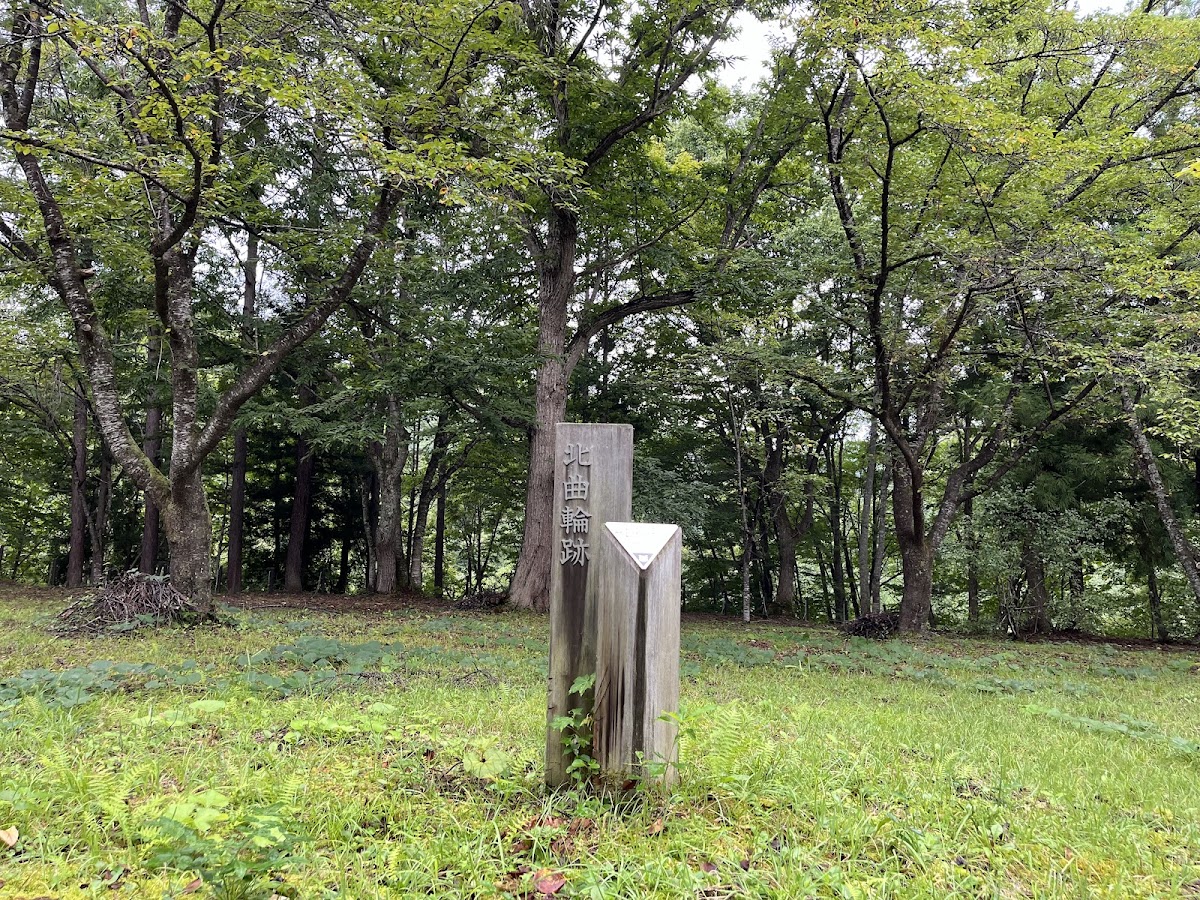
Kawarasaki Castle is a typical mountain castle, with the main enclosure located on the mountaintop behind Futawatari Shrine, and multiple enclosures surrounding it. There are two entrances to the castle, the West Entrance and the East Entrance, each leading to the mountaintop via a different route.
Climbing from the information board at the northern foot of the mountain, you first reach a vast flat area. From here, climbing the winding mountain path, you pass small terraced enclosures and reach the main enclosure. The arrangement of this climbing route shows ingenuity in delaying enemy incursions and giving an advantage in defense.
Main Enclosure and Earthworks
The main enclosure is located on the mountaintop and functioned as the central part of the castle. Earthworks were constructed behind the main enclosure, serving as a defensive structure. The earthworks remain remarkably well-preserved, making them valuable historical remains for understanding the castle construction techniques of the time.
The height and shape of the earthworks suggest that the castle, as a local lord’s castle, possessed relatively robust defensive features.
Moat
Beyond the earthworks at the back of the main enclosure, a moat continues. Moats are defensive structures dug to cut across ridges, playing a crucial role in preventing enemy advances. Multiple moats have been identified at Kawarazaki Castle, indicating their enhanced defensive capabilities as a mountain castle.
The size and placement of the moats provide important clues to understanding the castle’s defensive design.
Enclosures (Kuruwa)
Several enclosures are located around the main enclosure. These enclosures are arranged in a stepped pattern, each functioning as a defensive stronghold. Including smaller stepped enclosures, a considerable number of enclosures can be identified.
The arrangement of the enclosures reveals the ingenuity of the castle builders, who sought to maximize the use of the limited terrain to enhance defensive capabilities.
Cut Slopes
Around the castle enclosure, there are artificial, steep slopes called cut slopes. These are natural slopes that have been cut away to make them steep, serving as a defensive structure to make it difficult for enemies to climb. Cut slopes can be seen in various places at Kawarasaki Castle, enhancing its defensive capabilities as a mountain castle.
Access to Kawarasaki Castle and Climbing Route
Access Method
To reach Kawarasaki Castle, take Prefectural Road 351 from National Route 289 and head towards Futawatari Shrine. There is a sign for the castle ruins and a parking lot in front of the shrine; you can start your climb from here.
- Location: Izumida, Minamiaizu-machi, Minamiaizu-gun, Fukushima Prefecture
- Access: From National Route 289, take Prefectural Route 351; parking is available in front of Futawatari Shrine.
- Public Transportation: Take a bus or taxi from Aizu-Tajima Station on the Aizu Railway Aizu Line.
It’s about a 20-minute drive from the Tajima area, the center of Minamiaizu-machi. If using public transportation, you will need to take a bus or taxi from Aizu-Tajima Station.
Ascent Route
Kawarazaki Castle has two entrances: the West Entrance and the East Entrance. Both routes feature well-maintained walking paths and are relatively easy to climb.
The West Entrance Route starts from the west side of Futawatari Shrine, beginning at the information board at the northern foot of the mountain. It passes through a vast flat area, then ascends a winding mountain path to the main enclosure. This route is relatively gentle and recommended for beginners.
The East Entrance Route ascends from the east side of the shrine and leads more directly to the main enclosure. While this route has some slightly steep sections, it is shorter in distance.
The climb takes approximately 20-30 minutes one way, and from the summit, you can enjoy a panoramic view of the settlement along the Inagawa River.
Precautions for Climbing the Castle
- Clothing: Since you will be walking on mountain trails, comfortable shoes and clothing are essential.
- Season: Due to snow in winter, climbing the castle is recommended from spring to autumn.
- Equipment: Bring drinking water, insect repellent (in summer), and rain gear.
- Safety: Avoid climbing alone; it is recommended to visit in groups.
- Time: Allow ample time to descend before sunset.
Attractions Around Kawarasaki Castle
Futawatari Shrine
Futawatari Shrine, located at the entrance to Kawarasaki Castle, is a shrine with a long history as a center of local faith. When visiting the castle ruins, we recommend paying your respects at the shrine as well.
Hisakawa Castle Ruins
The ruins of Hisakawa Castle, which was invaded by Date Masamune at the same time as Kawarasaki Castle, are also located in Minamiaizu Town. Hisakawa Castle is known for successfully repelling the Date army’s offensive, and visiting both will give you a deeper understanding of the Sengoku period history of this region.
Maezawa Settlement
Minamiaizu Town is home to the Maezawa Settlement, which has been designated as an Important Preservation District for Groups of Traditional Buildings. The beautiful scenery of thatched-roof houses evokes a sense of Japan’s original landscape.
The Great Ginkgo Tree of Furumachi
In Furumachi, Minamiaizu Town, there is a great ginkgo tree said to be several hundred years old, and it is a beloved symbol of the region. In autumn, you can enjoy its magnificent yellow foliage.
Other Castles in Fukushima Prefecture
Besides Kawarazaki Castle, many other castles remain in Fukushima Prefecture. The following are some notable castles, mainly in the Aizu region:
Aizu-Wakamatsu Castle (Tsuruga Castle)
A representative castle of Fukushima Prefecture, its keep has been restored and is now open to the public as a museum. It is also famous as the site of the Boshin War.
Shirakawa Komine Castle
A flatland castle located in Shirakawa City, it is a rare example of a castle with entirely stone walls in the Tohoku region. A three-story turret has been restored.
Nihonmatsu Castle
A mountain castle located in Nihonmatsu City, it was the site of the tragedy of the Nihonmatsu Boys’ Corps during the Boshin War. The stone walls and the restored Minowa Gate are highlights.
Mukaihaguroyama Castle
A large mountain castle located in Aizu-Misato Town, it functioned as the main castle of the Ashina clan. It is designated as a National Historic Site.
Miharu Castle
A flatland castle located in Miharu Town, it was the residence of the Tamura clan. It is also known as a famous cherry blossom viewing spot.
Inawashiro Castle
A flatland castle located in Inawashiro Town, it was the residence of the Inawashiro clan. It is situated in a scenic location overlooking Lake Inawashiro.
Historical Significance of Kawarasaki Castle
While not a large castle in scale, Kawarasaki Castle is an important historical site for understanding the Sengoku period history of the Oku-Aizu region. As a mountain castle built by a local lord, it retains valuable remains that show the reality of regional governance.
The fact that it was the stage for the historical event of Date Masamune’s invasion of Aizu further enhances the historical value of this castle. The history of Kawarasaki Castle tells the story of how not only central daimyo but also local minor lords tried to survive the turmoil of the Sengoku period.
Currently, a walking trail has been developed and explanatory signs have been installed, making it easily accessible not only to history enthusiasts but also to general tourists. The view from the mountaintop is also wonderful, making it an enjoyable trekking spot. ## Summary
Kawasaki Castle, located in Minamiaizu-machi, Minamiaizu-gun, Fukushima Prefecture, is a mountain castle that served as the residence of Igarashi Michimasa. It is an important historical site with a history of falling during Date Masamune’s invasion of Aizu. Also known as Izumida Castle, the remains of the castle, including baileys, earthworks, and moats, are well-preserved.
Starting from Futawatari Shrine, the castle can be reached via a well-maintained walking trail. From the summit, you can enjoy a panoramic view of the settlements along the Inagawa River. This castle site is a must-visit for anyone interested in the Sengoku period history of Okuaizu or those who enjoy visiting mountain castles.
By visiting Kawasaki Castle, you can learn about the history of battles fought by local minor lords, a history not detailed in central historical records. When touring castles in Fukushima Prefecture, why not visit not only famous castles like Aizu-Wakamatsu Castle, Shirakawa-Komine Castle, and Nihonmatsu Castle, but also castles of local lords like Kawasaki Castle? You’re sure to discover new history.