Komayose Castle (Fukushima Prefecture) Complete Guide | A Thorough Explanation of the Mountain Castle Ruins and History of Minami-Aizu
What is Komayose Castle?
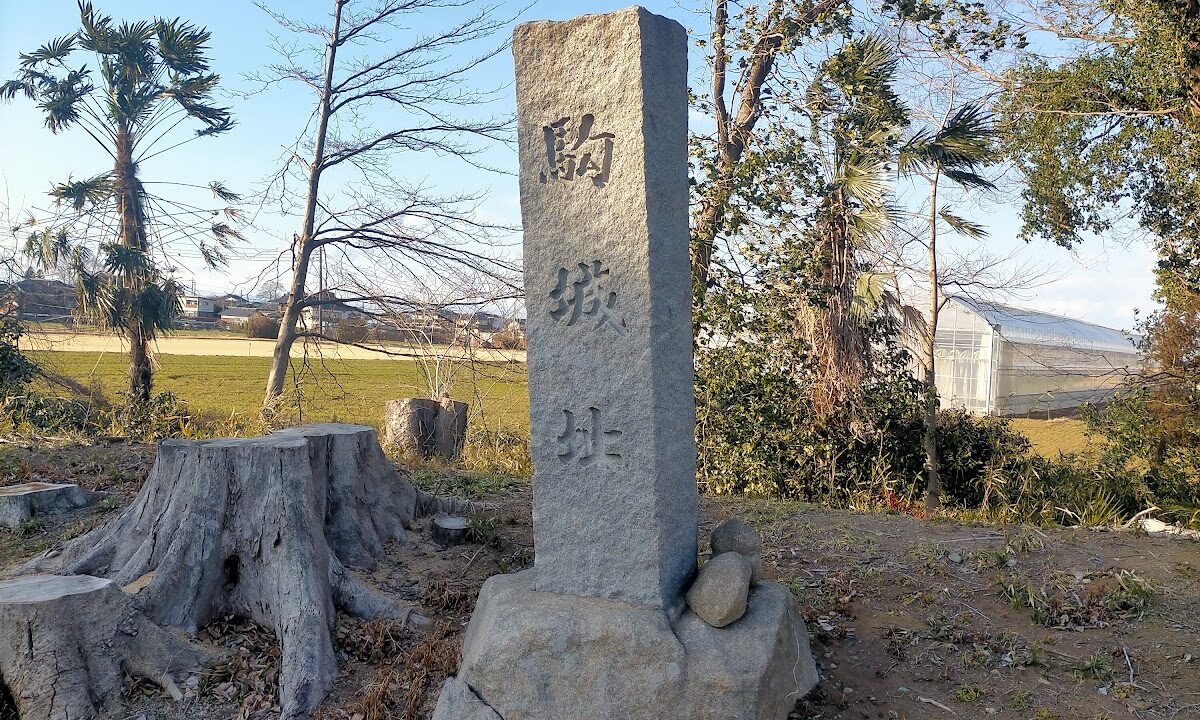
Komayose Castle is a medieval mountain castle located in Furumachi, Minami-Aizu Town, Minami-Aizu District, Fukushima Prefecture. Built on a mountaintop approximately 620 meters above sea level, this castle functioned as an important military base in the Minami-Aizu region. Even today, the remains of earthworks, baileys, and moats are well-preserved, attracting attention from castle enthusiasts and history buffs.
While Fukushima Prefecture boasts numerous nationally renowned castles such as Tsuruga Castle (Wakamatsu Castle), Shirakawa Komine Castle, Nihonmatsu Castle, and Miharu Castle, Komayose Castle is an indispensable historical site for understanding the region’s medieval history. As a mountain castle with a relative elevation of approximately 60 meters, it is a valuable example that conveys the castle-building techniques and strategic thinking of the time.
History of Komayose Castle
Construction and Lord
There are various theories regarding the construction period and builder of Komayose Castle, but it is believed to have been built between the Nanboku-cho period and the Muromachi period. The Minami-Aizu region has long been a strategically important transportation hub, situated on an important route connecting the Aizu region and the Kanto region.
Komayose Castle was developed as a defensive base by the powerful local clans who ruled the area. During the Sengoku period, it is presumed to have been under the influence of the forces that controlled Aizu and played a role in regional control.
Komayose Castle in the Sengoku Period
During the Sengoku period, the Minami-Aizu region was within the sphere of influence of the Ashina clan, a powerful daimyo of Aizu. Komayose Castle is thought to have played an important role during this period. The Aizu region was repeatedly embroiled in conflicts with surrounding daimyo such as the Soma and Date clans, and the castles of Minami-Aizu were under military tension.
Especially in the latter half of the 16th century, when Date Masamune rose to power, the Aizu region was embroiled in fierce warfare. While the exact role Komayose Castle played during this period is unclear, it likely functioned as a regional defensive stronghold.
Changes After the Early Modern Period
After Toyotomi Hideyoshi’s pacification of Oshu, Aizu saw a change in rulers: the Gamo clan, the Uesugi clan, and finally the Hoshina clan (later the Matsudaira clan). Many medieval mountain castles were abandoned during this process, and Komayose Castle is thought to have ended its role with the end of the Sengoku period.
During the Edo period, under the control of the Aizu Domain, and with the emphasis on political centers on the plains, Komayose Castle, as a mountain castle, faded from the historical stage. However, its remains are well-preserved, conveying its original appearance to the present day.
Layout and Remains of Komayose Castle
Main Enclosure and Group of Enclosures
The most distinctive feature of Komayose Castle is its stepped arrangement of enclosures (kuruma) centered around the main enclosure located on the mountaintop. The main enclosure is the core of the castle, and it is presumed to have housed the lord’s residence and command post.
Multiple enclosures were arranged around the main citadel, each forming a defensive line. These enclosures were cleverly positioned to utilize the terrain, exhibiting a typical layout for a medieval mountain castle. Visiting the site reveals the clear elevation changes of the enclosures.
Earthworks and Moats
Komayose Castle retains significant earthworks. These earthworks surrounded the enclosures, preventing enemy intrusion and shielding the interior from outside views. Even today, earthworks approximately 1-2 meters high can be seen in various locations.
Moats are dry moats dug to cut across ridges, serving as important defensive structures to block enemy access routes. At Komayose Castle, moats were strategically placed to separate the main citadel from other enclosures, enhancing the castle’s defensive capabilities.
Vertical and Horizontal Moats
Vertical moats dug along the slopes are also important defensive structures at Komayose Castle. Vertical moats restricted the movement of enemies climbing the slopes, making attacks easier. Horizontal moats, dug along contour lines, were positioned around the perimeter of the baileys.
These moats may not have been mere obstacles, but also functioned as passageways within the castle, demonstrating a strategy to balance defense and mobility.
Entrance (Koguchi)
The entrance to the castle, the koguchi, is the area where defense is paramount. The koguchi of Komayose Castle shows evidence of techniques such as staggered koguchi and flanking fire, indicating ingenuity in making enemy intrusion difficult.
Castles Surrounding Komayose Castle
Relationship with Komayose Yogaiyama Castle
Near Komayose Castle lies another castle, Komayose Yogaiyama Castle. These two castles are sometimes confused due to their similar names, but they are separate fortresses. Komayose Yogaiyama Castle is believed to have an even more defensive structure than Komayose Castle, suggesting that the two castles may have cooperated in regional defense. ### The Castle Network of Minami-Aizu
In addition to Komayose Castle, numerous other castles existed in Minami-Aizu County. A dense cluster of castles formed in this region, including Shigiyama Castle, Tajima Jinya, Kosaka-kan, Kukufu Castle, Mizukubo Castle, Fuzawa Castle, Yanatori Castle, Higashi-kan, Nishi-kan, Kawarasaki Castle, and Hisakawa Castle.
It is believed that these castles communicated with each other, forming a comprehensive defense network for the entire region. Komayose Castle, as part of this network, contributed to the security of the Minami-Aizu region.
Comparison with Major Castles in the Aizu Region
While Tsuruga Castle (Wakamatsu Castle), a representative castle of Fukushima Prefecture, is a modern flatland castle with large stone walls and a keep, Komayose Castle is in contrast, being a medieval mountain castle centered on earthen defensive structures.
Compared to other famous castles in Fukushima Prefecture such as Shirakawa Komine Castle, Nihonmatsu Castle, and Miharu Castle, Komayose Castle, though smaller in scale, possesses unique value as a valuable historical site that strongly retains the characteristics of a medieval castle.
Access and Visiting Information for Komayose Castle
Access Methods
Using Public Transportation
- Get off at Aizu-Tajima Station on the Aizu Railway Aizu Line
- Approximately 15 minutes by car from the station, or take a local bus and then walk.
Using a Car
- Approximately 90 minutes from Nishinasuno-Shiobara IC on the Tohoku Expressway via National Route 400
- Approximately 60 minutes from Aizu-Bange IC on the Ban-etsu Expressway via National Routes 401 and 252
Parking is often not available near the castle ruins, so you will need to park in a suitable location at the foot of the mountain and climb to the castle on foot.
Precautions for Climbing
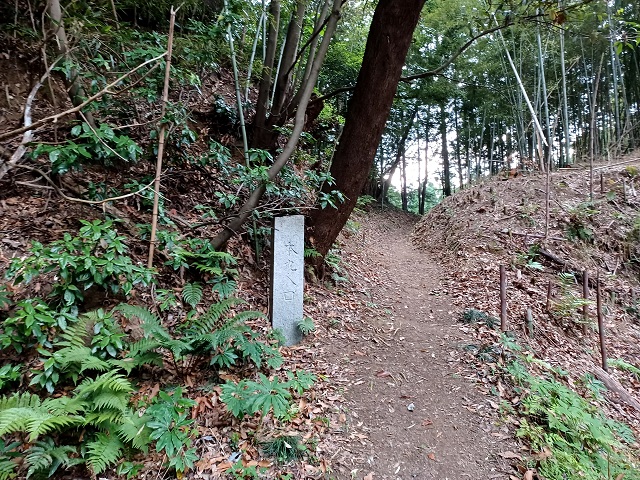
Komayose Castle is a mountain castle at an altitude of 620 meters, and you will need to climb approximately 60 meters in elevation. Please note the following points, as some parts of the path to the castle are not well-maintained:
- Attire: Comfortable clothing and hiking boots or trekking shoes are recommended.
- Items to Bring: Drinking water, map, insect repellent (summer)
- Weather: Be careful as the ground can be slippery during and after rain.
- Season: In winter, snow can make climbing the castle difficult.
- Time: Allow approximately 2-3 hours for climbing, sightseeing, and descending.
Points to Note During Your Visit
When visiting Komayose Castle, paying attention to the following points will help you gain a deeper understanding of the castle’s structure and defensive features.
- View from the Main Enclosure: From the main enclosure at the mountaintop, you can see the surrounding terrain, giving you a real sense that this castle served as a lookout and defensive base.
- Height and Shape of Earthworks: Observe the condition of the earthworks surrounding each enclosure and imagine what it looked like when it was built.
- Depth of the Moats: The scale of the moats cutting across the ridge reveals a strong awareness of defense.
- Arrangement of Enclosures: The arrangement of the stepped enclosures allows you to learn about the ingenuity of the castle’s layout.
Preservation Status and Evaluation of Komayose Castle
Preservation Status of Remains
The remains of Komayose Castle are in relatively good condition for a medieval mountain castle. Major remains such as earthworks, enclosures, and moats remain clearly visible, attracting attention from castle researchers.
In recent years, local preservation societies and the board of education have been carrying out protection activities, and efforts continue to pass on this valuable cultural asset to future generations. However, due to natural weathering and overgrown vegetation, some of the remains are becoming unclear.
Evaluation as a Castle
In castle databases such as “Castle Wanderings,” Komayose Castle is highly regarded as a castle of historical value, with 45 photographs included. While the evaluation of the remains is rated as moderate, this refers to the state of preservation of the remains, not their size or fame.
From the perspective of medieval mountain castle research, Komayose Castle is an important historical site for understanding the castle history of the Minami-Aizu region and is positioned as a valuable entity that tells the story of the region’s history.
Komayose Castle and the History and Culture of Minami-Aizu
Historical Background of the Minami-Aizu Region
The Minami-Aizu region has long been a strategic point on the road connecting Aizu and the Kanto region. The road from Shimotsuke Province (present-day Tochigi Prefecture) to Aizu was a bustling area with the movement of goods and people, making it economically and militarily important.
Due to these geographical characteristics, numerous castles and fortifications were built in Minami-Aizu, becoming centers of regional control. Komayose Castle also needs to be understood within this historical context.
Aizu Domain and Minami-Aizu
During the Edo period, Minami-Aizu was located at the southern tip of the Aizu Domain and was a key point for the domain’s southern defense. The Tajima Jinya (fortified residence) was established, and a magistrate was dispatched to govern the region.
Although Komayose Castle had already been abandoned, its remains continued to live on in people’s memories as a testament to the region’s history.
Significance of Komayose Castle in Modern Times
In modern times, Komayose Castle is being re-recognized for its value as a resource for local history education and tourism. While not widely known nationwide, it is gaining appreciation among castle enthusiasts as a “hidden gem.”
Locally, there are plans to utilize the castle ruins for historical learning and to develop it as a hiking trail, with expectations that it will serve as a resource for regional revitalization.
Nearby Spots to Enjoy Alongside a Visit to Komayose Castle
Historical Spots in Minami-Aizu Town
When visiting Komayose Castle, we recommend also visiting other historical spots in Minami-Aizu Town.
- Tajima Gion Festival: A traditional festival held every July, designated as a National Important Intangible Folk Cultural Property.
- Minamiaizu Town Local History Museum: A facility where you can learn about the history and culture of the region.
- Maezawa Magariya Village: A village where traditional thatched-roof houses remain.
Nature of Minamiaizu
The Minamiaizu region is blessed with abundant nature. In addition to visiting Komayose Castle, you can also enjoy the following natural spots:
- Oze National Park: One of Japan’s leading wetland areas.
- Inagawa River: Known as a clear stream, a popular spot for stream fishing.
- Takashimizu Nature Park: A park where you can enjoy nature throughout the four seasons.
Major Castles of the Aizu Region
If you are planning a tour of castles in Fukushima Prefecture, visiting the following castles in addition to Komayose Castle will give you a deeper understanding of the history of castles in Fukushima Prefecture.
- Tsuruga Castle (Wakamatsu Castle): A famous castle representing Fukushima Prefecture, located in Aizuwakamatsu City.
- Shirakawa Komine Castle: One of the three famous castles of Tohoku, located in Shirakawa City.
- Nihonmatsu Castle: A castle in Nihonmatsu City known for its beautiful stone walls and cherry blossoms.
- Mukaihaguroyama Castle: One of the largest mountain castles in Eastern Japan, located in Aizumisato Town.
Research on Komayose Castle and Future Challenges
The Need for Archaeological Investigation
Regarding Komayose Castle, since no full-scale excavation has been conducted, many aspects of its construction date, lord, and history remain unknown.
Further academic research could shed new light on the medieval history of the Minami-Aizu region. Surveying, creation of castle layout maps, and analysis of excavated artifacts are expected.
Balancing Preservation and Utilization
The preservation of castle ruins and their use for tourism are often conflicting challenges. At Komayose Castle, the challenge for the future is how to accommodate visitors while protecting the remains. Providing appropriate information and improving the environment is necessary, including maintaining the access route to the castle, installing explanatory signs, and creating brochures.
Collaboration with the Local Community
To enhance the value of Komayose Castle and pass it on to future generations, it is crucial that local residents, the local government, researchers, and castle enthusiasts collaborate on its preservation and utilization.
It is hoped that community-based castle site preservation will be realized through its use in local history education, training of volunteer guides, and regular cleaning activities.
Summary
Komayose Castle is a medieval mountain castle located in Minamiaizu Town, Minamiaizu District, Fukushima Prefecture. Built on a mountaintop approximately 620 meters above sea level, it was an important military base for the region. The remains of earthworks, baileys, and moats are well-preserved, making it a valuable historical site that conveys the characteristics of a medieval castle.
Although not widely known nationwide, it is an indispensable part of understanding the history of the Minamiaizu region and is attracting attention from castle researchers and history enthusiasts. Unlike representative castles of Fukushima Prefecture such as Tsuruga Castle (Wakamatsu Castle) and Shirakawa Komine Castle, Komayose Castle possesses the charm of a simple yet powerful medieval mountain castle.
Visiting Komayose Castle requires preparation for a hike, but the views from the summit and the clearly preserved remains are well worth the effort. Experiencing the rich nature and historical culture of Minami-Aizu while contemplating this medieval mountain castle will be a valuable experience for history enthusiasts.
It is hoped that the value of Komayose Castle will become more widely recognized in the future through advancements in academic research and the implementation of appropriate preservation and utilization measures. When planning a tour of castles in Fukushima Prefecture, be sure to add Komayose Castle to your list.