Complete Guide to Nakadate Ruins (Kashima Ward, Minamisoma City, Fukushima Prefecture) | History, Remains, and Access Information
The Nakadate Ruins, located in Nakadate, Edare, Kashima Ward, Minamisoma City, Fukushima Prefecture, are a valuable historical site that preserves the remains of a medieval castle. This article provides a detailed explanation of the Nakadate Ruins, from its historical background to the current state of the remains and its connection to cultural properties in the surrounding area.
Basic Information on Nakadate Ruins
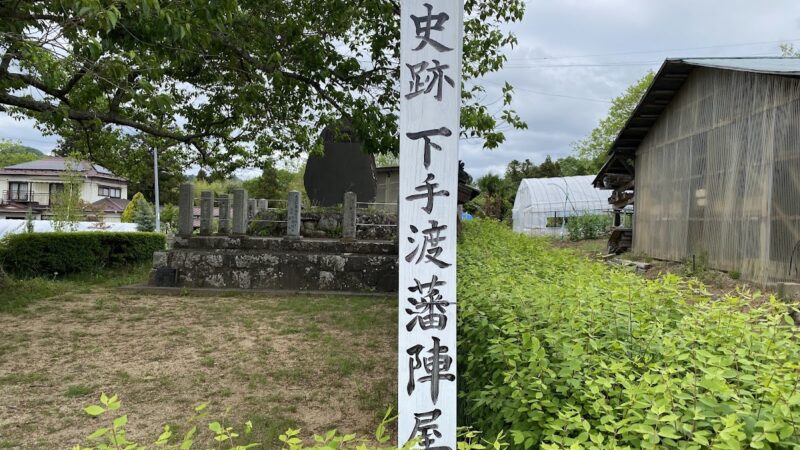
The Nakadate Ruins are the remains of a medieval castle located in Nakadate, Edare, Kashima Ward, Minamisoma City, Fukushima Prefecture. Currently known as the site of the Hiyoshi Shrine, it is an important historical site for the study of medieval history in the Hamadori region.
Location and Geographical Characteristics
Location: Nakadate, Edare, Kashima Ward, Minamisoma City, Fukushima Prefecture
The Nakadate Ruins are a hill castle built on a hill approximately 47 meters above sea level. With a relative height of approximately 20 meters, it boasts a location overlooking the surrounding plains. This geographical advantage speaks to its function as a military and political center during the Middle Ages.
Kashima Ward in Minamisoma City belongs to the Hamadori region facing the Pacific Ocean and has flourished as a transportation hub since ancient times. The Nakadate ruins are an indispensable historical site for understanding the medieval system of governance in this region.
Classification and Form of Castles
The Nakadate ruins are classified as a hill castle. A hill castle is a castle built on low hills close to plains, and is sometimes called a flatland castle. It is a castle form that prioritizes a balance between habitability and defense, with a relatively low elevation.
Historical Background of the Nakadate Ruins
Establishment as a Medieval Castle
While there are no clear records of when the Nakadate ruins were built, research on medieval castle ruins in Fukushima Prefecture suggests that it was established sometime between the Kamakura and Muromachi periods.
The Fukushima Prefectural Board of Education’s 1988 publication, “Medieval Castle Sites in Fukushima Prefecture” (Fukushima Prefectural Cultural Property Survey Report No. 197), comprehensively records medieval castle sites within the prefecture, and the Nakadate site is included in this survey. This document remains highly valuable as a fundamental text for the study of medieval history in Fukushima Prefecture.
Connection to the Medieval History of the Soma Region
The Soma region, including Minamisoma City, was under the rule of the Soma clan during the medieval period. The Soma clan was a samurai family that moved from Shimosa Province (present-day northern Chiba Prefecture) to Oshu in the early Kamakura period and ruled Soma County.
While there are no clear historical records regarding the builder of the Nakadate castle, it has been suggested that it may have been built by the Soma clan’s retainers or local lords. The place name “Edare” itself has a long history, indicating that this area has been a place of human habitation since ancient times.
Relationship with Hiyoshi Shrine
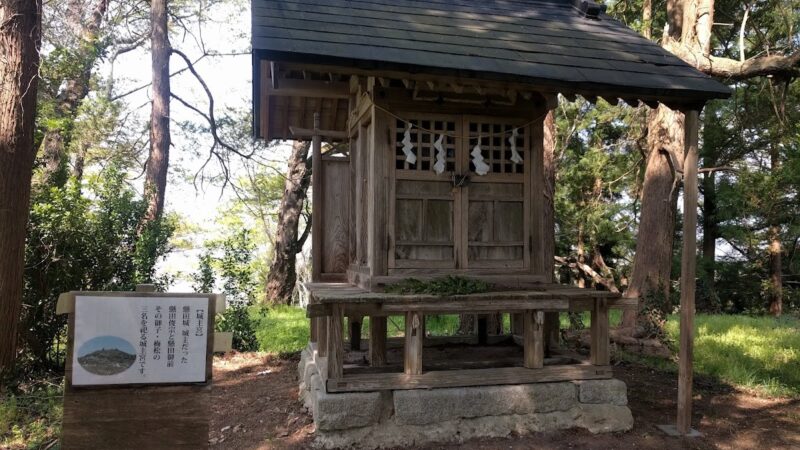
Currently, Hiyoshi Shrine is located at the Nakadate site. Hiyoshi Shrines are shrines based on the Sanno faith and are distributed throughout Japan, but it is not uncommon for shrines to be built on the sites of castles and fortifications.
The construction of shrines and temples on the sites of abandoned medieval castles and fortifications is a phenomenon seen throughout Japan. This is thought to be done to appease the spiritual power of the castle ruins or to reuse them as a spiritual center of the region.
Within the grounds of Hiyoshi Shrine stands the Great Cedar of Hiyoshi Shrine, a city-designated natural monument, and is protected as a cultural property of Minamisoma City. This great cedar is estimated to be several hundred years old and can be said to be a living witness that has watched over the history of the Nakadate site.
Remains and Current State of the Nakadate Site
Characteristics of Major Remains
The Nakadate site retains typical remains of a medieval castle and fortification.
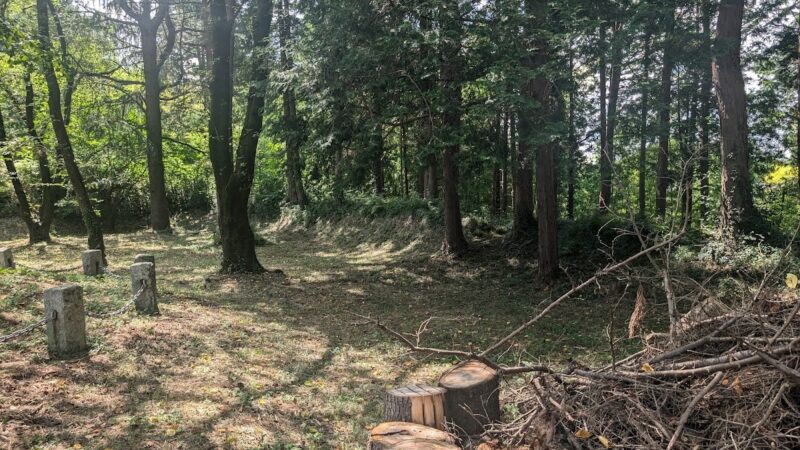
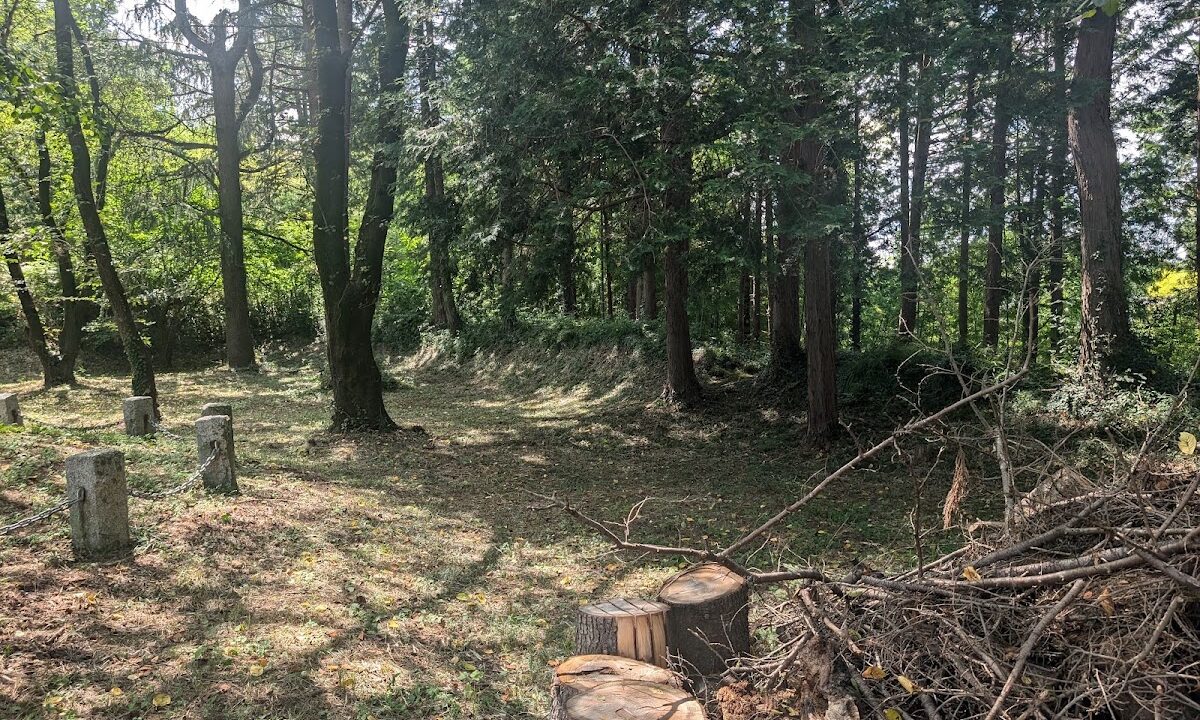
Earthworks: These are earthen embankments built as defensive facilities for castles. Traces of earthworks can be partially confirmed at the Nakadate site. Earthen ramparts served to prevent enemy intrusion and clearly define the boundaries of the castle’s enclosures (kuruwa).
Enclosure (Kuruwa): A flat area within a castle grounds where buildings were constructed or soldiers were stationed. Multiple enclosures have been identified at the Nakadate site, suggesting a layout centered around the main enclosure.
Moat: A ditch dug to prevent enemy intrusion. Partial traces of moats remain at the Nakadate site, indicating their function as defensive structures.
Current Preservation Status
The Nakadate site is currently used as the grounds and surrounding area of Hiyoshi Shrine. The shrine grounds are managed by local residents, who regularly clean and hold festivals.
Regarding the preservation status of the remains, although some have been altered over the long period, the basic topography and traces of earthen ramparts and moats remain relatively well preserved. However, detailed archaeological excavations have not been conducted, and many aspects of the buried remains remain unclear.
Records from “Castle Wanderings”
“Castle Wanderings,” a well-known work in the field of castle research, records the Nakadate ruins as “Mutsu Nakadate (Kashima Town)” with 28 photographs. This record is the result of valuable on-site research by an individual researcher and is a useful resource for visually understanding the current state of the ruins.
Cultural Properties in Kashima Ward, Minamisoma City
Many cultural properties remain in Kashima Ward, Minamisoma City, where the Nakadate ruins are located. When visiting the Nakadate ruins, viewing these surrounding cultural properties will allow you to gain a deeper understanding of the region’s history.
The Great Cedar of Hiyoshi Shrine (City-Designated Natural Monument)
As mentioned above, Hiyoshi Shrine, located at the Nakadate ruins, has a great cedar tree designated as a city-designated natural monument.
- Type: Minamisoma City Designated Natural Monument
- Location: Nakadate, Edare, Kashima Ward, Minamisoma City
- Owner: Hiyoshi Shrine
This giant cedar tree is a massive tree reaching approximately 30 meters in height and 5 meters in circumference, and is cherished as a symbol of the region. During the shrine’s festivals, many worshippers visit and can be seen praying before the giant cedar.
Mano Tumulus Cluster
In Kashima Ward, Minamisoma City, lies the Mano Tumulus Cluster, an archaeological site from the Kofun period. The Mano Tumulus Cluster consists of burial mounds constructed between the 5th and 7th centuries, indicating that this region was an important center from ancient times.
While the Nakadate site is a medieval site, the Mano Tumulus Cluster is an ancient site, and comparing the two deepens our understanding of the general history of Minamisoma City.
Other Cultural Properties
The following cultural properties also remain in Kashima Ward, Minamisoma City:
- Embroidered Amida Buddha Name Scroll: Buddhist art from the medieval to early modern period
- Otani Family Residence (East Storehouse, Central Storehouse, Gate): Private house architecture from the early modern to modern period
Detailed information on these cultural properties can be found in the Cultural Properties section of the Minamisoma City official website.
Medieval Castle Sites in Fukushima Prefecture
Comparing the Nakadate site with other medieval castle sites in Fukushima Prefecture is also useful for understanding it.
Koori Nishiyama Castle Site (National Historic Site)
The Koori Nishiyama Castle Site, located in Koori Town, Fukushima Prefecture, is an important medieval castle site designated as a National Historic Site.
- Location: Honmaru, Nakadate, Nishidate, Tateomote, and other areas in Manshoji, Koori-machi
- History: In 1532, Date Tanemune moved from Yanagawa Castle to this site, and it functioned as the residence of the Mutsu Province governor until his son Harumune moved to Yonezawa.
It is interesting that the place name “Nakadate” remains at the Koori Nishiyama Castle ruins, sharing the same name as the Nakadate ruins. In medieval castles, “Nakadate” often referred to a fortified enclosure located between the main enclosure and the outer enclosure, and was an important element in castle structure.
Nakamura Castle Ruins (Baryo Park)
Nakamura Castle Ruins, located in Haramachi-ku, Minamisoma City, are known as the residence of the Soma clan.
- History: In 1611 (Keicho 16), the Soma clan constructed a full-fledged castle on the site of the Nakamura clan’s residence.
- Current Status: Currently, the site is maintained as Baryo Park and serves as a place of recreation for citizens.
The Nakadate site and Nakamura Castle site are both located within Minamisoma City and are important historical sites for understanding the Soma clan’s system of rule.
Castle Sites in Fukushima City
Fukushima City has over 1,200 historical sites, including numerous medieval castle sites.
- Kamata Castle Site: A medieval castle site located in the Kamata district of Fukushima City.
- Miyashiro Castle Site: Located in the Miyashiro district of Fukushima City, the area around Hie Shrine is presumed to be the site of the castle.
- Honuchi Castle Site: A castle site in the Honuchi district of Fukushima City.
These castle sites, like the Nakadate site, are historical sites that tell the story of the medieval regional rule system and occupy an important position in the study of medieval history in Fukushima Prefecture.
Access and Visiting Information for Nakadate Ruins
Access Methods
Using Public Transportation:
- Approximately 10 minutes by car from JR Joban Line “Kashima Station”
- If using a local bus, use the Minamisoma City Community Bus (details can be found on the Minamisoma City official website)
Using a Private Car:
- Approximately 5 minutes from Joban Expressway “Minamisoma Kashima Smart IC”
- Parking: Parking available for Hiyoshi Shrine visitors (limited spaces available)
Points to Note During Visits
Since Nakadate Ruins are located within and around the grounds of Hiyoshi Shrine, please note the following points when visiting.
- Respect for the Shrine: Be considerate and avoid disturbing other visitors.
- Protection of Historical Structures: Take care not to damage historical structures such as earthworks and moats.
- Respect for Private Property: Areas outside the shrine grounds may be private property; do not enter without permission.
- Safety Assurance: Some areas have uneven ground; wear comfortable shoes.
Best Time to Visit
While the Nakadate Ruins are open year-round, the following times are especially recommended:
- Spring (April-May): Season of fresh greenery and mild weather.
- Autumn (October-November): Beautiful autumn foliage and pleasant temperatures.
- During Festivals: Opportunities to witness local traditional events, such as the Hiyoshi Shrine’s annual festival.
During winter, snow can make walking difficult; please check the weather before visiting.
Current Status and Challenges of Nakadate Site Research
Status of Academic Research
While basic research on the Nakadate site was conducted in the aforementioned “Medieval Castle Sites in Fukushima Prefecture” (1988), detailed archaeological excavations have not been carried out. Therefore, the following points remain unresolved:
- Determination of Construction Date: No dating has been performed based on excavated artifacts.
- Identification of the Builder: Identification of the builder through comparison with historical documents.
- Detailed Castle Structure: Understanding the overall structure through archaeological excavations.
- Relationship with Surrounding Sites: The positioning of the Nakadate site within the region.
Future Preservation and Utilization
The following initiatives are expected for the preservation and utilization of the Nakadate site.
Preservation Challenges:
- Understanding the current state of the remains and regularly checking their preservation status
- Preventing destruction of the remains due to development activities
- Raising awareness among local residents about the value of the site
Utilization Possibilities:
- Providing information about the site through the installation of information boards
- Utilizing it as educational material for local history learning
- Developing it as a tourist resource (in collaboration with surrounding cultural properties)
In Minamisoma City, the re-evaluation of local historical and cultural resources is progressing as part of the recovery process from the Great East Japan Earthquake. The Nakadate Site is one such cultural property, and its future preservation and utilization are anticipated.
Cultural Property Administration in Minamisoma City
Minamisoma City is undertaking various initiatives for the protection and utilization of cultural properties within the city.
Initiatives of the Minamisoma City Board of Education
The Cultural Properties Division of the Minamisoma City Board of Education is responsible for the investigation and protection of buried cultural properties within the city. They publish the “Minamisoma City Buried Cultural Property Survey Report” series, making the results of excavation surveys publicly available.
For example, Volume 27 (2018) reports on the results of the investigation of the “Nakajima-date Ruins and Nakaoki Site,” contributing to the study of medieval castle ruins in Minamisoma City.
Designation and Protection of Cultural Properties
Minamisoma City designates important cultural properties as city-designated cultural properties and works to protect them. The designation categories are as follows:
- Tangible Cultural Properties: Buildings, works of art and crafts, etc.
- Intangible Cultural Properties: Performing arts, craft techniques, etc.
- Folk Cultural Properties: Tangible folk cultural properties, intangible folk cultural properties
- Monuments: Historic sites, scenic spots, natural monuments
The large cedar tree at Hiyoshi Shrine, located at the Nakadate Ruins, is designated as a natural monument by the city.
Information Provision to Citizens
The official Minamisoma City website publishes information on cultural properties within the city, making it easy for citizens and tourists to access this information. By accessing the Cultural Properties section from the sitemap, you can view a list and detailed information on cultural properties for each district.
Historical Characteristics of the Hamadori District
The Hamadori district, where the Nakadate ruins are located, is situated along the Pacific coast of Fukushima Prefecture and has undergone unique historical development.
Geography and History of Hamadori
The Hamadori district is a region sandwiched between the Abukuma Highlands and the Pacific Ocean, with a long, narrow shape running north to south. It flourished as a key point for maritime traffic from ancient times, and in the Middle Ages, under the rule of the Soma clan, it formed its own unique cultural sphere.
Hamadori in the Middle Ages
In the Hamadori district during the Middle Ages, samurai rule centered on the Soma clan was established. The Soma clan migrated from eastern Japan as retainers of the Kamakura Shogunate and ruled this region for several centuries.
Numerous castle ruins, including the Nakadate ruins, are thought to have functioned as military and administrative centers supporting this Soma clan system of rule.
Modern Hamadori
The Hamadori region suffered significant damage from the Great East Japan Earthquake and the Fukushima Daiichi nuclear power plant accident, but reconstruction efforts are underway. The preservation and utilization of historical and cultural resources are crucial as part of the reconstruction of the region’s identity.
Summary
The Nakadate Ruins (Nakadate, Edare, Kashima Ward, Minamisoma City, Fukushima Prefecture) are a valuable historical site that preserves the remains of a medieval castle. Built as a hill castle, the Nakadate Ruins retain typical remains such as earthworks, baileys, and moats, illustrating the regional governance system of the medieval period.
Currently, the Hiyoshi Shrine stands there, watching over the region’s history along with a large cedar tree designated as a city-designated natural monument. Although detailed archaeological excavations have not been conducted, its existence and outline have been recorded through basic research such as “Medieval Castle Ruins of Fukushima Prefecture.”
The Kashima Ward of Minamisoma City has numerous cultural properties, including the Mano Kofun Cluster, and visiting them together with the Nakadate Ruins allows for a comprehensive understanding of the region’s history from ancient to medieval times.
It is expected that further academic research into the Nakadate ruins and enhanced preservation and utilization efforts will further increase its value as a local historical resource. When visiting Minamisoma City, we encourage you to visit the Nakadate ruins and experience the romance of medieval history.
The official Minamisoma City website is regularly updated with information on cultural properties within the city, including the Nakadate ruins. Please check the latest information before your visit to ensure a safe and fulfilling experience.