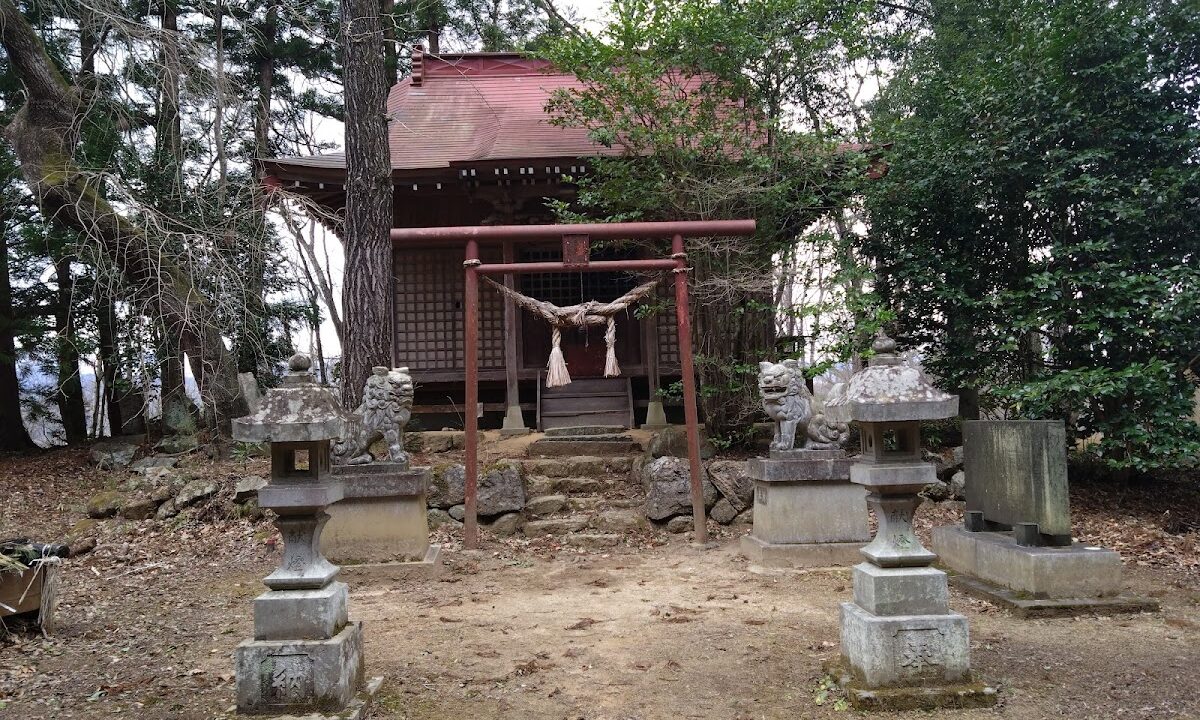
Doai-kan Ruins (Fukushima City, Fukushima Prefecture) Complete Guide | History, Remains, and Access Information
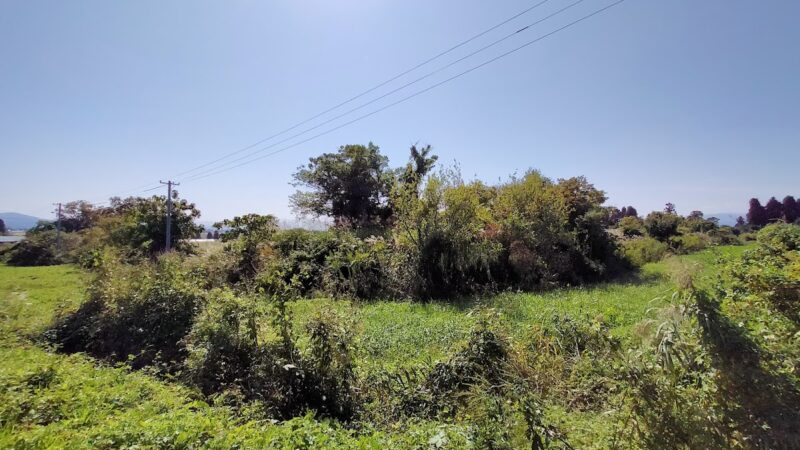
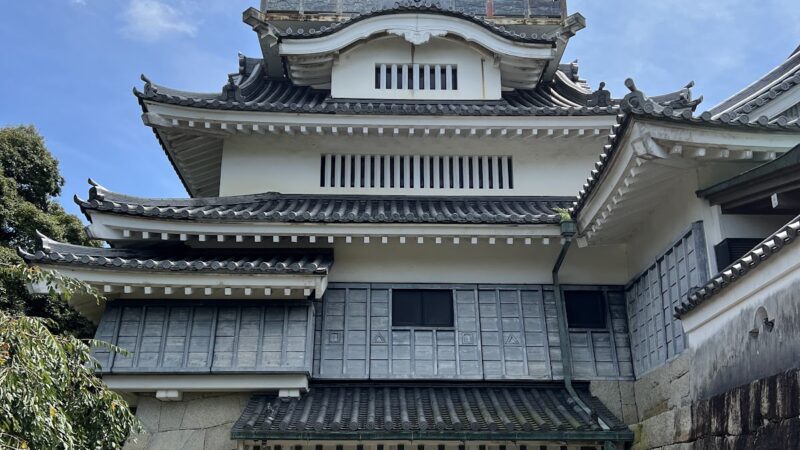
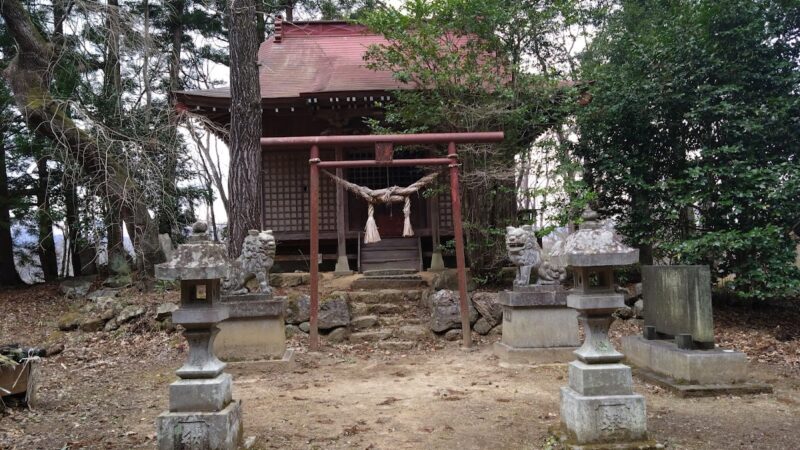
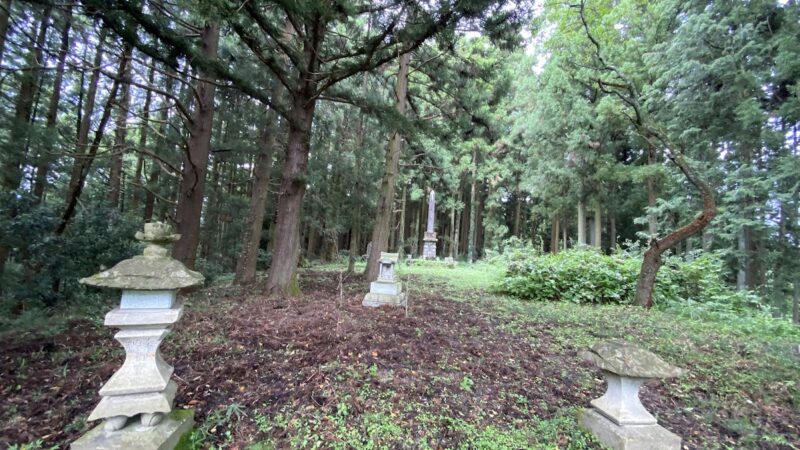
Located in Fukushima City, Fukushima Prefecture, the Doai-kan Ruins are a valuable historical site with well-preserved remains of a castle from the Sengoku period (Warring States period). Currently developed as Doai-kan Park, it serves as a place of relaxation for citizens while still retaining traces of a medieval castle, such as moats and baileys. This article comprehensively introduces useful information for visitors, including the detailed history of the Doai-kan Ruins, highlights of the remains, and access methods.
What are the Doai-kan Ruins?
The Doai-kan Ruins are the remains of a medieval castle located in Doai-kan, Fukushima City, Fukushima Prefecture. Also known as “Higashi-kan” (East Castle) and “Inkyo-kan” (Retirement Castle), it is known as a counterpart to Hachichome Castle (Nishi-kan). Built on an isolated hill approximately 40 meters high, this castle is said to have been constructed by Kiyono Bizen-no-kami during the Tenbun era (1532-1554).
The current Doaikan Park is one of Fukushima City’s leading historical sites and is also a popular spot for viewing flowers, with approximately 40 varieties and 5,000 hydrangea plants blooming from spring to early summer. For history enthusiasts, it is a valuable place to see the remains of a medieval castle, and for local residents, it is a place of relaxation where they can enjoy the changing seasons, making it a spot with diverse attractions.
History of Doaikan
Background of Construction and the Seino Clan
Doaikan was built during the Tenbun era (1532-1554) by Seino Bizen-no-kami. The Seino clan was a samurai family originating from Shinano Province (present-day Nagano Prefecture) and served the Date clan during the Sengoku period. Seino Bizen-no-kami, who built Doaikan, is said to be the father of Seino Tōtōmi-no-kami, the lord of Hachichōme Castle, and because he built his residence here after retirement, it came to be called “Retirement Residence.”
The Kiyono clan, as senior retainers of the Date clan, played a crucial role in the defense and governance of the Fukushima Basin. It is believed that Doai Castle and Hachichome Castle functioned as the “East Castle” and “West Castle,” respectively, positioned as strongholds protecting the eastern part of Fukushima Castle town. These two castles complemented each other, forming an integrated defense system.
Role in the Sengoku Period
During the Sengoku period, the Fukushima Basin was located at the southern edge of the Date clan’s sphere of influence, a strategically important area bordering surrounding powers. Doai Castle is thought to have functioned as a base for monitoring and defending this region. Its location on an isolated hill allowed for a panoramic view of the surrounding plains, making it ideal for early detection of enemy movements.
From the Tenbun to the Tensho eras, various daimyo, including the Date, Ashina, and Tamura clans, vied for supremacy in the Tohoku region. It is presumed that Doai Castle played a vital role as a regional control base during this turbulent period.
The Abandonment of the Castle and its Aftermath
Doai Castle was abandoned in 1590 (Tensho 18). This was the year of Toyotomi Hideyoshi’s siege of Odawara, and many daimyo in the Tohoku region came under Hideyoshi’s control. Date Masamune pledged allegiance to Hideyoshi and was transferred from Aizu to Yonezawa. It is believed that Doai Castle ceased to function as a military base amidst these political changes.
After its abandonment, the Doai Castle site was used for a long time as a living space for local people. While many of the remains were lost due to agricultural and residential development, the main parts were relatively well preserved and remain to this day.
Structure and Remains of Doai Castle
Characteristics of the Layout
Doai Castle was built on an isolated hill with a relative height of approximately 40 meters. Its structure centered around the main enclosure at the summit, with enclosures arranged on the east and west ridges extending northward, which were leveled. This castle layout is a typical example of medieval castle design, characterized by its skillful use of natural terrain for defense.
The main enclosure is located at the highest point of the hill, and it is presumed that the lord’s residence and command post were located here. Multiple enclosures are arranged in a stepped pattern along the ridge extending east and west from this point, each functioning as a defensive stronghold. Even today, the arrangement of these enclosures can be discerned from the undulations of the terrain.
Moats and Defensive Structures
One of the most noteworthy remains at the Doai Castle site is the moat. The moat is a ditch-like defensive structure surrounding the enclosures, serving to prevent enemy intrusion and control movement within the castle. Even now, in the Doai Castle Park, traces of this moat can be clearly seen.
The moat is not merely a ditch, but an important structure demonstrating the castle-building techniques of the Sengoku period. The depth, width, and curve of the moat reveal the intentions and technical level of the castle builders at the time. The moat of Doai-kan is relatively well-preserved, making it a valuable resource for the study of medieval castles.
Layout of Enclosures
Doai-kan consisted of multiple enclosures. The structure, with the main enclosure at its center and the enclosures arranged in a stepped fashion along the east-west ridges, demonstrates a design that maximized the use of the limited terrain. Each enclosure was leveled to form a flat surface, suggesting it was used as a building or troop encampment space.
In the current Doai-kan Park, these enclosure sites have been developed into walking paths and open spaces. One of the attractions of this historical site is the opportunity to experience the structure of the former castle while strolling through the park.
Earthworks and Cut Slopes
Along with the moat, earthworks and cut slopes played a crucial role in the defense of Doai-kan. Earthworks were defensive walls built by piling up earth, positioned along the edges of the enclosures. Cut slopes, on the other hand, were artificial cliffs created by cutting the edges of the enclosures at a near-vertical angle, making it difficult for enemies to climb.
These remains, while differing in appearance from their original form due to natural weathering and park development, offer a glimpse into the castle-building techniques of the Sengoku period through careful observation.
Current Status as Doaikan Park
Park Development Status
The Doaikan site is currently developed and managed by Fukushima City as “Doaikan Park.” Walking paths are provided within the park, making it relatively easy to climb to the top of the hill. From the summit, you can overlook Fukushima city and the surrounding mountains, allowing you to appreciate why the former castle chose this location.
Information boards are also installed within the park, allowing you to learn about the history and remains of Doaikan. However, detailed explanations are limited, so researching the historical background beforehand will lead to a deeper understanding.
Famous Hydrangea Spot
Doaikan Park is known as one of the leading hydrangea spots in Fukushima City. Approximately 5,000 hydrangea plants of about 40 varieties are planted in the park, and they are in full bloom from late June to early July. During this time, many tourists and local residents visit to enjoy the colorful hydrangeas.
Doaikan Park, where historical castle ruins and seasonal flowers coexist, is an attractive spot not only for history buffs but also for those who want to enjoy nature and flowers. Visiting during hydrangea season allows you to enjoy historical exploration and flower viewing at the same time.
Seasonal Charms
Besides hydrangea season, Doaikan Park is a place where you can enjoy nature in all four seasons. In spring, cherry blossoms and fresh greenery adorn the hillsides, and in autumn, the autumn leaves color the landscape. In winter, you can enjoy a quiet historical stroll amidst the snowy scenery.
Doaikan Park shows a different face in each season, making it a place where you can discover something new every time you visit. If you have the time, we recommend visiting multiple times in different seasons.
Highlights of the Doai Castle Ruins
View from the Main Enclosure
One of the greatest highlights of the Doai Castle Ruins is the view from the main enclosure (summit). Although the elevation isn’t particularly high, its location on an isolated hill provides a 360-degree panoramic view. You can see not only Fukushima city but also the surrounding mountains, including the Azuma mountain range and Mount Adatara.
This view is not only aesthetically pleasing, but also crucial for understanding why a castle from the Sengoku period was built in this location. A location offering a clear view of the surroundings was essential for monitoring enemy movements and responding quickly. Even today, we can imagine the strategies of Sengoku warlords from this perspective.
Observation of the Moat
The most clearly preserved structure at the Doai Castle Ruins is the moat. Traces of this moat can be seen along the walking paths within the park. While the depth and width may have changed since then, the curves and arrangement of the moat allow us to understand the defensive design of the time.
When observing the moats, instead of simply viewing them as ditches, consider questions such as “Why were they placed in this location?” and “What kind of enemy movements were anticipated?” to gain a deeper understanding.
Terrain of the Enclosures
As you stroll through the park, you’ll notice flat open spaces and stepped terrain everywhere. Many of these are remnants of former enclosures. While now covered in grass and paved areas, careful observation reveals that these are artificially leveled terrains.
By walking while observing the elevation differences and arrangement of each enclosure, you can gain a three-dimensional understanding of the entire castle’s structure. Comparing your walk with a map will further enhance your understanding.
Seasonal Flowers
Besides the historical remains, the seasonal flowers are also an important attraction of Doaikan Park. The hydrangea season is particularly breathtaking, with approximately 5,000 hydrangea bushes coloring the hillsides. The sight of hydrangeas in a variety of colors—blue, purple, pink, white, and more—blooming captivates visitors.
Besides hydrangeas, you can enjoy the changing seasons with cherry blossoms, autumn leaves, and more. The ability to enjoy both historical exploration and nature appreciation simultaneously is a major attraction of Doaikan Park.
Access Information
Access by Public Transportation
The nearest station to Doaikan Park by public transportation is JR Fukushima Station. From Fukushima Station, take a Fukushima Kotsu bus.
Bus Access:
- Take the Fukushima Kotsu bus “bound for Hobara via Medical University” or “bound for Hobara via Kaketa” from the east exit of JR Fukushima Station.
- Get off at the “Doaikan Park-mae” bus stop and walk for approximately 5 minutes.
- Travel time: Approximately 20-25 minutes from Fukushima Station
Since bus services are limited, it is recommended to check the timetable in advance. Especially on holidays, the number of buses may be reduced, so please be careful.
Access by Car
Access by car is the most convenient. It is relatively close to Fukushima city center and easily accessible.
Access from Major Roads:
- Approximately 20 minutes from the Tohoku Expressway “Fukushima Nishi IC”
- Approximately 15 minutes from the Tohoku Expressway “Fukushima Iizaka IC”
- Approximately 15 minutes from JR Fukushima Station
Parking Information:
Doaikan Park has a free parking lot. Approximately 30 regular-sized cars can park there. It can get crowded during the peak hydrangea season (late June to early July), so we recommend visiting earlier in the day.
Car Navigation Settings
When using car navigation, please refer to the following information:
- Facility Name: Doaikan Park
- Address: Doaikan, Fukushima City, Fukushima Prefecture
- Phone Number: Fukushima City Tourism Convention Association 024-531-6428 (for inquiries)
Visitor Guide
Opening Hours and Fees
Doaikan Park is a public park and can be used under the following conditions.
Opening Hours: 24 hours (however, nighttime visits are not recommended)
Closed Days: None (Open all year round)
Admission Fee: Free
Parking Fee: Free
There is no management office or shop within the park, so it is recommended to prepare anything you need in advance before visiting.
Estimated Visiting Time
The time required to visit Doaikan Park varies depending on your purpose.
- Short Stroll: 30 minutes to 1 hour
- In-depth Observation of Ruins: 1 hour to 1 hour 30 minutes
- Including Photography and Flower Viewing: 1 hour 30 minutes to 2 hours
If you only want to climb to the top of the hill and check the main ruins, it is possible in about 30 minutes. However, if you want to carefully observe the moats and baileys, or enjoy the flowers during hydrangea season, it is recommended to allow at least 1 hour.
Points to Note When Visiting
Here are some points to note when visiting Doaikan Park.
Clothing and Equipment:
- Wear comfortable walking shoes (as you will be climbing hills).
- Bring a hat and sunscreen as the sun is strong in summer.
- Insect repellent is recommended.
- Be careful as the ground can be slippery in rainy weather.
Facilities:
- Toilets are located near the park entrance.
- Vending machines are available, but their number is limited.
- Benches and gazebos are available, but not many.
- There are no trash cans, so please take your trash with you.
Other:
- The use of fire is prohibited in the park.
- If you bring a pet, please keep it on a leash and observe proper etiquette.
- To protect the historical remains, please refrain from entering areas other than the designated walking paths.
Best Time to Visit
Doai-kan Park can be visited throughout the year, but there are optimal times depending on your purpose.
Hydrangea Viewing: Late June to Early July
- This is the busiest time for tourists.
- Approximately 5,000 hydrangea bushes are in full bloom.
Historical Exploration: April to May, September to November
- The weather is mild and suitable for strolling.
- There are relatively few tourists, allowing you to observe the ruins at your leisure.
Autumn Foliage: Late October to Early November
- The trees on the hillsides change color, offering a beautiful landscape.
Cherry Blossoms: Mid to Late April
- Visiting during the cherry blossom season in Fukushima City allows you to enjoy the spring scenery.
Nearby Tourist Spots
There are many other attractive tourist spots around Doaikan Park. If you have time, we recommend visiting them as well.
Hachichome Castle Ruins (West Wing)
Hachichome Castle Ruins, known as the “West Wing” and paired with Doaikan, is also an interesting spot for history enthusiasts. It is believed that Kiyono Tōtōmi-no-kami served as the lord of this castle, and like Doai-kan, it played an important role under the control of the Date clan. It is about a 10-minute drive from Doai-kan Park.
Fukushima Castle Ruins (Sugitsuma Castle Ruins)
Located in the heart of Fukushima City, Fukushima Castle Ruins are the remains of a modern castle where the Itakura and Honda clans served as lords. The area where the Fukushima Prefectural Government and Fukushima Prefectural Library now stand is the castle site, and some traces of stone walls and moats remain. It is about a 15-minute drive from Doai-kan Park.
Shiki-no-Sato
Shiki-no-Sato, a popular tourist spot in Fukushima City, is a park where you can enjoy flowers and plants of all seasons. It also has a restaurant and a direct sales market for agricultural products, making it enjoyable for families. It is about a 15-minute drive from Doai-kan Park.
Fukushima City Folk House Garden
This is an open-air museum where folk houses from the Edo to Meiji periods have been relocated and restored. This is a great place to learn about the lifestyle of the time and is recommended for those interested in history. It’s about a 20-minute drive from Doaikan Park.
Iizaka Onsen
One of Fukushima City’s leading hot spring resorts, it’s known as a historic hot spring town. It’s recommended to refresh yourself in the hot springs after strolling around Doaikan Park. It’s about a 20-minute drive from Doaikan Park.
Historical Value of Doaikan Ruins
Significance in Medieval Castle Research
The Doaikan Ruins are an important historical site for studying medieval castles in the Tohoku region. As the site of a local powerful family’s residence during the Sengoku period, the remains are relatively well-preserved, providing valuable information about the castle construction techniques and defensive philosophies of the time.
In particular, the remains of the moat are important for understanding the defensive system of medieval castles. The moat of Doaikan is not a simple straight line, but is skillfully arranged to follow the terrain, revealing the ingenuity of the time in trying to achieve maximum defensive effect with limited resources.
Regional History under the Date Clan’s Rule
Doai-kan is an important historical site that tells the history of the time when the Date clan ruled the Fukushima Basin. While the Date clan is known as the founder of the Sendai Domain, during the Sengoku period (Warring States period), they expanded their power from what is now northern Fukushima Prefecture to southern Miyagi Prefecture.
The relationship between Doai-kan and Hachichome Castle is a good example of how the Date clan governed and defended their territory. The two castles functioned as the “East Castle” and “West Castle,” and their complementary defensive system reflects the Date clan’s strategic thinking.
Preservation of Regional Culture
Doai-kan ruins are important not only as a historical site but also as a place for preserving regional culture. Developed as Doai-kan Park, it has become a place of relaxation for local residents, connecting history with modern life.
Its aspect as a famous spot for hydrangeas can also be considered the creation of new regional culture. By preserving historical heritage while utilizing it as a space that modern people can enjoy, Doai-kan ruins serve as a bridge connecting the past and the present.
Model Course for Visiting the Doaikan Ruins
This is a model course for exploring the history of Fukushima City, centered around the Doaikan Ruins.
Half-Day Course (3-4 hours)
Morning:
- Depart from JR Fukushima Station (9:00)
- Arrive at Doaikan Park (9:30)
- Stroll through the park and observe the ruins (9:30-11:00)
- Travel to and visit the Hachichome Castle Ruins (11:15-12:00)
Afternoon:
- Lunch in Fukushima City (12:15-13:15)
- Return to JR Fukushima Station (13:30)
This course allows you to efficiently visit the Doaikan Ruins and the related Hachichome Castle Ruins. It’s a fulfilling course for history enthusiasts.
One-Day Course (6-7 hours)
Morning:
- Departure from JR Fukushima Station (9:00)
- Arrival at Doaikan Park (9:30)
- Stroll through the park and admire the hydrangeas (9:30-11:00)
- Transfer to Shiki-no-Sato (11:15)
- Lunch and stroll at Shiki-no-Sato (11:30-13:30)
Afternoon:
- Transfer to and visit Fukushima City Folk House Garden (14:00-15:30)
- Transfer to Iizaka Onsen and enjoy a bath (16:00-17:30)
- Return to JR Fukushima Station (18:00)
This course is a fulfilling one-day plan combining historical exploration, nature appreciation, and hot springs. Recommended for families and couples.
Doaikan Park as a Photography Spot
Doaikan Park is an ideal spot for photography. The park, which displays different expressions depending on the season and time of day, is popular with camera enthusiasts.
Recommended Photography Spots
View from the Main Enclosure:
The 360-degree panoramic view from the hilltop offers a spectacular vista of Fukushima city and the surrounding mountains. Especially on sunny mornings, the lighting is excellent, allowing for beautiful photographs.
Hydrangeas and Ruins:
During hydrangea season (late June to early July), you can photograph a unique landscape where colorful flowers harmonize with the historical terrain. Hydrangeas blooming along the moat are particularly picturesque.
Autumn Foliage Season:
During the autumn foliage season (late October to early November), the contrast between the colorful trees and the castle ruins is beautiful, allowing for impressive photographs.
Evening Scenery:
On clear evenings, the sunset sinking into the western sky and the silhouette of Fukushima city create a beautiful scene. Long-exposure photography using a tripod is also recommended.
Precautions for Photography
- Please be considerate of other visitors.
- To protect the ruins, please do not enter restricted areas.
- If using a tripod, please be careful not to block pathways.
- Drone photography requires prior confirmation with Fukushima City.
Summary
The Doai-kan Ruins (Fukushima City, Fukushima Prefecture) are a valuable historical site with well-preserved remains of a castle from the Sengoku period. Currently developed as Doai-kan Park, it allows visitors to see remnants of a medieval castle, such as moats and baileys, and is also popular as a spot for seasonal nature, especially hydrangeas.
Built by Kiyono Bizen-no-kami during the Tenbun era, Doai-kan functioned as an important base under the rule of the Date clan until its abandonment in 1590. Its historical value occupies an important position in the study of medieval castles in the Tohoku region. Located about 15 minutes by car from Fukushima Station and easily accessible by public transport, this park is also appealing because it’s free to visit. It’s a recommended spot for a wide range of people, not just history buffs, but also those who want to enjoy nature and flowers, and those who enjoy photography.
When visiting Fukushima Prefecture, be sure to visit Doaikan Park and experience its unique space where the history of the Sengoku period and modern nature harmonize. The park shows different faces with each season, so you’re sure to discover something new every time you visit.