Naraha Castle (Fukushima Prefecture) Complete Guide: A Sengoku Period Strategic Site Protecting the Border Between the Iwaki and Soma Clans
What is Naraha Castle?
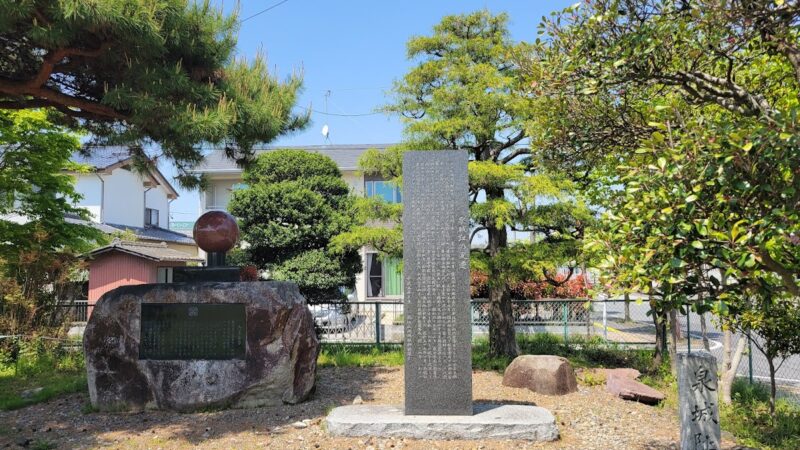
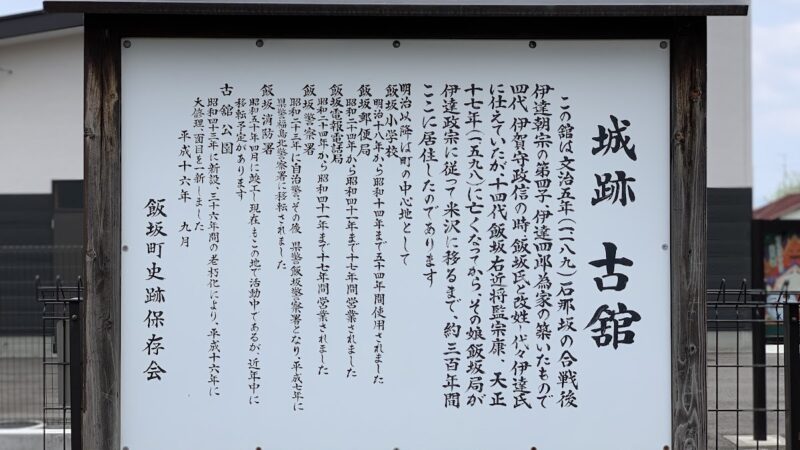
Naraha Castle is a medieval hilltop castle located in Yamadaoka, Naraha-machi, Futaba-gun, Fukushima Prefecture. Also known as “Yamadaoka Castle” and “Kido Castle,” it functioned as an important “border castle” in the power struggle between the Iwaki and Soma clans during the Sengoku period.
Located almost in the center of the Hamadori region of Mutsu Province, this castle, built on a hill approximately 40 meters high, still retains well-preserved remains such as earthworks, baileys, and moats. It is an important historical site indispensable to understanding the history of medieval castles in Fukushima Prefecture, attracting attention from castle researchers and history enthusiasts.
History of Naraha Castle
The Naraha Clan Era
Naraha Castle is said to have originally been built as the residence of the local lord, the Naraha clan. The Naraha clan was a powerful local family that ruled this region during the medieval period, governing the area from their base at Naraha Castle.
While detailed historical records of the Naraha clan are limited, the fact that the clan name is derived from a local place name suggests that they were a family deeply rooted in this area from ancient times.
Sengoku Period: Under the Rule of the Iwaki Clan
With the arrival of the Sengoku period (Warring States period), the fate of Naraha Castle changed dramatically. As the Iwaki clan, based at Iino-daira Castle (Odachi Castle), expanded its power, it is said that their senior retainer, Igari Takakiyo, destroyed the Naraha clan and made Naraha Castle his own residence.
The Iwaki clan was a powerful daimyo in southern Mutsu Province, maintaining its power during the Sengoku period by forming an alliance with the Satake clan of Hitachi Province. Naraha Castle was located at the northeastern edge of the Iwaki clan’s territory and was considered a strategically important point on the border with the Soma clan.
Role as a “Border Castle”
Naraha Castle played its most important role as a “border castle” in the power struggle between the Iwaki and Soma clans. The Soma clan was a powerful daimyo in Mutsu Province and held power north of Naraha Castle.
In this region, Naraha Castle, Koyama Castle, Kobana Castle, and Uenohara Castle were positioned on the Iwaki side, while Tenjin-yama Castle, Otani-kan, and Nagaizawa-kan were built facing the Soma side. As a buffer zone between the two forces, Naraha Castle was constantly under tension.
Fall of the Castle in 1534
In 1534, Soma Moritane attacked Naraha Castle, and it fell. After this battle, Shimoura Hitachi-no-kami Yasukiyo, a general on the Soma side, became the castle lord, and Naraha Castle temporarily came under the control of the Soma clan.
During this period, Naraha Castle became a target for the Iwaki clan to recover lost territory and was the focal point of conflict between the two forces.
Recapture in 1570
In 1570, Iwaki Chikataka successfully recaptured Naraha Castle. This victory brought Naraha Castle back under the control of the Iwaki clan, and the Igari clan was once again appointed as the castle lords.
Iwaki Chikataka, as the head of the Iwaki clan, strived for the stability and expansion of his territory, and the recapture of Naraha Castle was a crucial achievement for maintaining the Iwaki clan’s power.
Abandonment in 1602
In 1602, the Iwaki clan was dispossessed of their domain as part of the post-Battle of Sekigahara settlement. It is believed that Naraha Castle was abandoned as a result.
During the Edo period, this region became a direct territory of the shogunate and the domains of other daimyo, and Naraha Castle ceased to function as a military base. From then on, the castle ruins were preserved as a local historical heritage site.
Structure and Layout of Naraha Castle
Location
Naraha Castle is a flatland castle built on a hill approximately 40 meters high. Located on a high vantage point overlooking the surrounding area, it was ideally situated for monitoring the territory of the Soma clan.
This hill, known as Yamadaoka, is a castle that skillfully utilizes the natural terrain, with a strategically advantageous topography chosen for defense.
Main Enclosure and Enclosure Layout
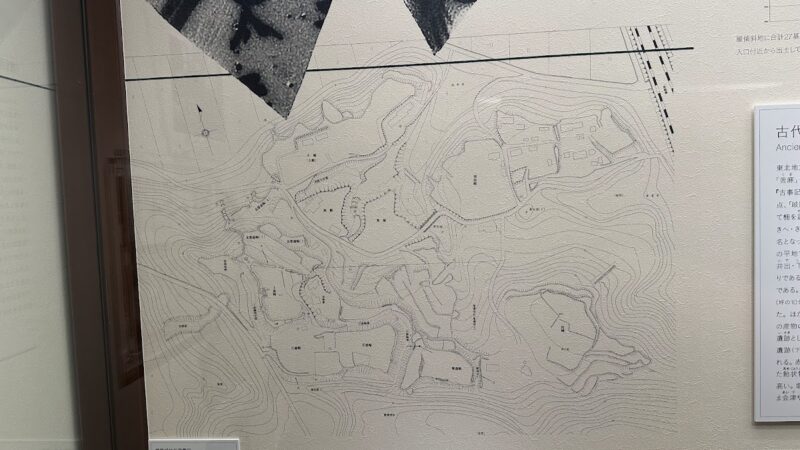
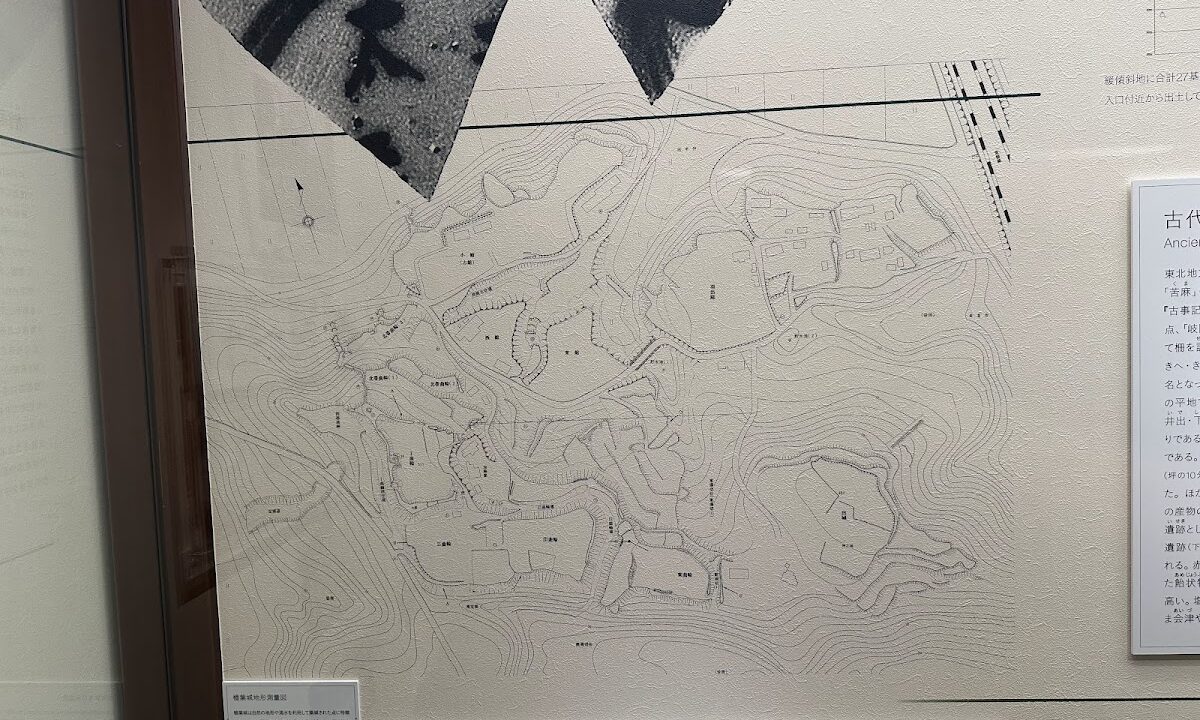
The central part of Naraha Castle is the main enclosure (honmaru). The main enclosure is located at the highest point of the castle and is surrounded by earthen ramparts. To the north of the main enclosure, several enclosures (kuruma) are arranged in a stepped pattern, further strengthening the defenses.
The layout of the baileys is designed to follow the terrain, demonstrating ingenuity in effectively preventing enemy intrusion. Each bailey is demarcated by earthworks and moats, designed to function as an independent defensive unit.
Earthworks and Moats
The most prominent remains of Naraha Castle are the earthworks. The earthworks surrounding the main bailey remain in good condition, and their height and scale provide insight into the castle-building techniques of the time.
The moats separate the main bailey from the outer bailey, and some remain as dry moats. The depth and width of the moats vary depending on the location, with particularly deep moats dug along important defensive lines.
Entrances (Koguchi)
The entrances to the castle, called koguchi, have a complex structure to prevent enemy intrusion. Curved passages are provided to avoid straight-line approaches, designed to give the defenders an advantage in battle.
Highlights of Naraha Castle
Well-Preserved Earthworks
The biggest highlight when visiting Naraha Castle is the well-preserved earthworks. The earthworks surrounding the main enclosure are still quite high, allowing you to truly appreciate the defensive features of a medieval castle.
Walking along the top of the earthworks allows you to experience the view that the castle lord and soldiers of the time saw, and appreciate the castle’s advantageous location.
Clearly Defined Enclosures
Naraha Castle has multiple clearly defined enclosures, making it easy to understand the layout of a medieval castle. By observing the role and arrangement of each enclosure, you can learn about the castle-building techniques and defensive philosophies of the Sengoku period.
Remains of Dry Moats
The remains of some dry moats are also a highlight. Walking along the bottom of the moats allows you to experience their depth and width, and understand their importance as defensive structures.
Views
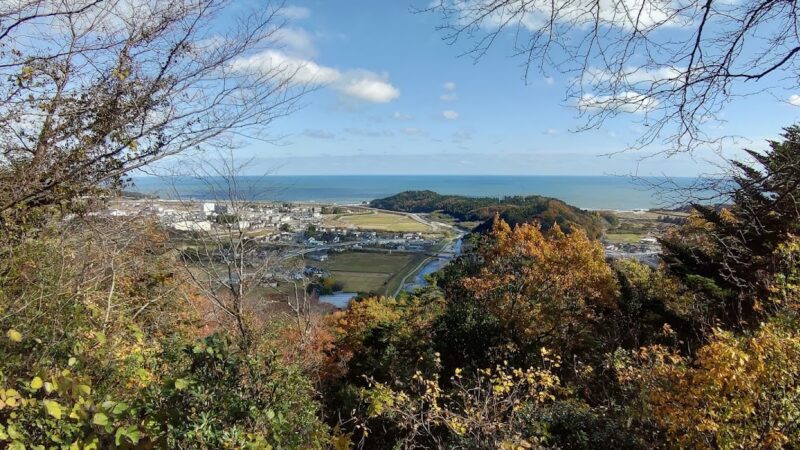
The views from the castle ruins are another attraction. You can see the surrounding terrain and understand why the castle was built in this location and how the surrounding area was monitored.
Access to Naraha Castle
Location
Address: Tate, Yamadaoka, Naraha-machi, Futaba-gun, Fukushima Prefecture
Access by Car
Approximately 10 minutes by car from the Naraha Smart Interchange on the Joban Expressway. Accessible via prefectural roads from the center of Naraha town.
There is no dedicated parking lot around the castle ruins, but there are spaces where you can park on the roadside. However, please be considerate of local residents.
Access by Public Transportation
The nearest station is Kido Station on the JR Joban Line. It’s approximately a 20-30 minute walk from the station to the castle ruins. A taxi will get you there in about 5 minutes.
Notes for Visitors
Naraha Castle Ruins are not a developed tourist facility, but rather a historical site preserved in its current state. Please note the following points when visiting:
- Wear comfortable clothing and shoes.
- Take insect repellent during the summer.
- Be careful as the ground can be slippery during and after rain.
- Always take your trash with you.
- Be considerate and do not damage the historical remains.
- Do not trespass on private property.
History and Culture of Naraha Town
Origins of Naraha Town
Naraha Town was formed in 1956 (Showa 31) through the merger of Kido Village and Tatsuta Village. Located almost in the center of the Hamadori region in eastern Fukushima Prefecture, it is a town with a mild climate facing the Pacific Ocean. Snowfall occurs only once or twice a year, making it a relatively mild region within Fukushima Prefecture.
The Great East Japan Earthquake and Reconstruction
Due to the Great East Japan Earthquake and the Fukushima Daiichi Nuclear Power Plant accident in 2011 (Heisei 23), Naraha Town was forced to evacuate its entire population. The evacuation order was lifted in 2015, and reconstruction efforts are currently underway.
Naraha Castle ruins were also affected by the earthquake, but efforts are being made to preserve and utilize them as a local historical heritage site.
Related Castles in the Surrounding Area
Koyama Castle
Similar to Naraha Castle, this castle functioned as a “border castle” of the Iwaki clan. Located within Naraha Town, it played an important role in the confrontation with the Soma clan.
Kobana Castle
A castle under the control of the Iwaki clan, it formed a northern defense line together with Naraha Castle.
Uenohara Castle
A castle that played a part in the Iwaki clan’s castle network. It is located not far from Naraha Castle.
Tenjin-yama Castle (Soma Clan Side)
A castle on the Soma clan side, located opposite Naraha Castle. An important historical site that tells the story of the tense relationship between the two forces.
Historical Significance of Naraha Castle
Importance of Studying “Border Castles”
Naraha Castle holds a significant position in castle research as a typical example of a “border castle” from the Sengoku period. It is a valuable case study for understanding the role and maintenance of frontline castles in power struggles between daimyo (feudal lords).
Importance in Regional History
Naraha Castle is an indispensable historical site for understanding the medieval history of the Hamadori region. It provides a wealth of historical information, including the history of the conflict between the Iwaki and Soma clans, the activities of local powerful families, and the state of regional society during the Sengoku period.
Research Value of Castle Structure
Naraha Castle, with its typical medieval flatland castle structure, is also valuable for the study of castle construction techniques and layout. It is a valuable site where the construction techniques of the time, such as earthworks, moats, and bailey arrangements, can be observed firsthand.
Points to Note When Visiting Naraha Castle
Preparation
Before visiting Naraha Castle, gaining some basic knowledge about the relationship between the Iwaki and Soma clans during the Sengoku period will deepen your understanding of the castle ruins. In particular, understanding the concept of a “border castle” will make the meaning of the castle’s location and structure clearer.
Points to Observe on-site
When visiting the castle ruins, please pay attention to the following points:
- Main Enclosure Earthworks: Observe the height and width to estimate its defensive capabilities.
- Arrangement of Enclosures: Consider the relationship with the terrain and defensive measures.
- Moat Remains: Understand the defensive line from its depth and location.
- View: Observe the surrounding terrain to confirm the range of surveillance.
- Northern Defense: Observe how the defenses toward the Soma clan’s territory were designed.
Points for Photography
When taking photographs, it is valuable as a record to photograph from angles that show the structure of the castle, such as the cross-section of the earthworks, the elevation differences of the enclosures, and the depth of the moats. Also, photographing the view from the castle ruins will allow you to later confirm the castle’s location.
Naraha Castle and the Iwaki Clan’s Castle Network
Iwaki Clan’s Base: Iinodaira Castle (Odachi Castle)
The Iwaki clan’s base was Iinodaira Castle (Odachi Castle), located in present-day Iwaki City. Naraha Castle was located northeast of the base and functioned as the front line of defense for the northern part of their territory.
Strategic Aspects of Castle Placement
The Iwaki clan strategically placed multiple branch castles to defend their territory. Naraha Castle, Koyama Castle, Kobana Castle, and Uenohara Castle, among others, were positioned along the border with the Soma clan, coordinating with each other to form a defensive line.
This castle network had the function of sending reinforcements from other castles when one castle was under attack, and mutually monitoring enemy movements.
The Role of the Igari Clan
The Igari clan, who became the lords of Naraha Castle, played an important role as senior retainers of the Iwaki clan. The lords of border castles held a crucial position, requiring not only military prowess but also diplomatic judgment.
The Igari clan, including Igari Takakiyo, maintained their base at Naraha Castle, continuously defending the front line against the Soma clan.
Hamadori Region in the Sengoku Period
Iwaki Clan’s Territory
The Iwaki clan was a powerful daimyo in southern Mutsu Province, controlling the area centered around present-day Iwaki City. During the Sengoku period, they formed an alliance with the Satake clan of Hitachi Province, opposing the power struggles with the Soma and Date clans.
Soma Clan’s Territory
The Soma clan was a powerful daimyo in Mutsu Province, controlling the area centered around present-day Minamisoma City. While prioritizing their relationship with the Date clan, the Soma clan maintained a tense relationship along the border with the Iwaki clan to the south.
Conflict Between the Two Factions
The conflict between the Iwaki and Soma clans was not merely a territorial dispute, but unfolded within a complex political situation involving their respective alliances (Iwaki clan = Satake clan, Soma clan = Date clan). Naraha Castle was located on the front lines of this conflict and was the site of numerous battles.
Future Preservation and Utilization of Naraha Castle
Preservation as a Historic Site
The Naraha Castle ruins are an important historical heritage site for the region and require appropriate preservation. Because the remains, such as earthworks and moats, are susceptible to natural weathering and vegetation changes, regular maintenance is necessary.
Utilization in History Education
Naraha Castle has potential as a teaching material for local history education. It can provide opportunities to learn about local history in local schools and lifelong learning settings.
Potential as a Tourism Resource
In Naraha Town, which is undergoing reconstruction, the Naraha Castle ruins have potential as a resource for historical tourism. As part of a tourist route targeting castle enthusiasts and history buffs, it can contribute to promoting the region’s attractions.
Summary
Naraha Castle, located in Naraha Town, Fukushima Prefecture, is a hilltop castle from the Sengoku period (Warring States period) that played a crucial role as a “border castle” in the power struggle between the Iwaki and Soma clans. Beginning as the residence of the Naraha clan, then under the rule of the Igari clan, and finally abandoned after the Iwaki clan’s downfall, this castle is a valuable historical site that tells the story of the Hamadori region’s history during the Sengoku period.
The remaining earthworks, moats, and baileys serve as important teaching materials for understanding the structure of medieval castles. When visiting Naraha Town, be sure to visit this historic castle site and reflect on the tension of the Sengoku period and the lives of the people who lived there.
In Naraha Town, where reconstruction is progressing, the Naraha Castle ruins are expected to be carefully preserved and utilized in the future as a symbol of the region’s history and pride.