Kirikida-date Ruins (Yuzawa City, Akita Prefecture) | A Thorough Explanation of the Heian Period Residence Ruins Where the Legend of Ono no Komachi Remains
Located in Yuzawa City, Akita Prefecture, the Kirikida-date Ruins are a valuable historical site believed to be the residence of Ono no Yoshimasa, a district magistrate of Dewa Province in the early Heian period. These ruins are deeply connected to the legend of Ono no Komachi’s birthplace, a legendary beauty, and still preserve remnants of the time, such as the remains of a well. This article provides a detailed explanation of the historical background of the Kirikida-date Ruins, the characteristics of the remains, its connection to Ono no Komachi, and related historical sites in the surrounding area.
Overview and Historical Positioning of the Kirikida-date Ruins
The Kirikida-date Ruins are the remains of a residence from the early Heian period, located in Yuzawa City, Akita Prefecture. These ruins are believed to have been the residence of Ono no Yoshimasa, who governed the region as a district magistrate of Dewa Province.
About Ono Yoshimasa, the District Magistrate of Dewa Province
Ono Yoshimasa was a local powerful figure who served as a district magistrate in Dewa Province during the early Heian period. Dewa Province spanned present-day Akita and Yamagata Prefectures and played a crucial role as the frontline of the central government’s control over the Emishi people. The district magistrate was an official responsible for the practical administration of local affairs, and Ono Yoshimasa is believed to have played a central role in governing this region.
The Ono clan was a well-known family of central nobility, producing prominent figures such as Ono no Takamura. It is presumed that Yoshimasa’s appointment to this region was driven by a policy intention to strengthen the central government’s control over the Tohoku region.
Location and Geographical Characteristics of the Manor Site
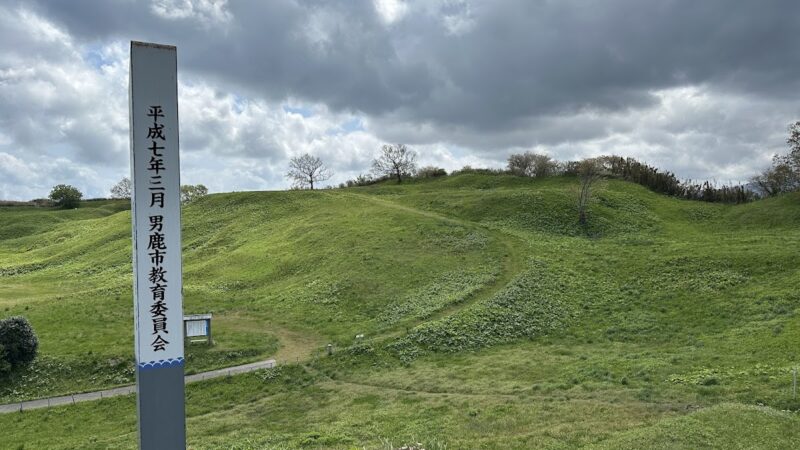
The Kirikida Manor site is located somewhat away from the urban area of Yuzawa City, in a quiet environment surrounded by nature. This location is thought to have been chosen considering both defensive advantages and agricultural production. Heian period residences were facilities that combined military defense and administrative functions, serving as centers of regional control.
At that time, Dewa Province was a border region with the Emishi people, and the district magistrate’s residence was not merely a residential facility, but also played a role as a center of regional defense and administration. It is believed that this strategic consideration is reflected in the selection of the location of the Kirikida Residence site.
The Legend of Ono no Komachi’s First Bath Well
The most noteworthy remains at the Kirikida Residence site are the wells said to have been used for Ono no Komachi’s first bath. These wells are still preserved today as a central structure of the residence site.
Structure and Characteristics of the Well
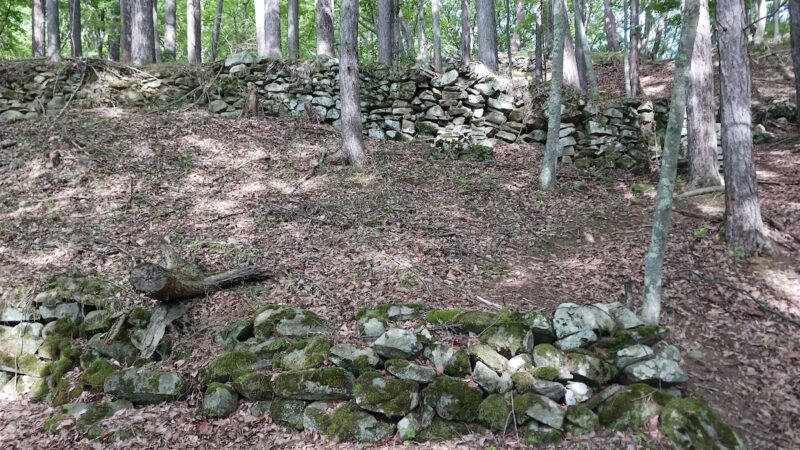
The well remaining at the residence site is a stone-built well with a diameter of approximately 50 centimeters. It is believed to have been constructed in the early Heian period and is a valuable remains that demonstrates the level of civil engineering technology at that time. The well’s structure exhibits the typical Heian period style of stacking stones in a circular pattern, and it remains in relatively good condition even after many years.
Structure and Characteristics of the Well
The well remaining at the residence site is a stone-built well with a diameter of approximately 50 centimeters. It is believed to have been constructed in the early Heian period and is a valuable remains that demonstrates the level of civil engineering technology at that time. The well’s structure exhibits the typical Heian period style of stacking stones in a circular pattern, and it has been preserved in relatively good condition even after many years. Wells in the Heian period served not only as water sources but also held ceremonial significance. Water used in childbirth and purification rituals, in particular, was treated as sacred. Therefore, the legend that this well was used for Komachi’s first bath reflects the beliefs and customs of the time.
Background of the Legend of Ono no Komachi’s Birth
Ono no Komachi is a renowned female poet of the early Heian period, counted among the Six Poetic Geniuses and the Thirty-Six Poetic Immortals. While famous for her beauty and poetic talent, much of her life remains shrouded in mystery, and there are various theories regarding her birthplace.
The legend of Komachi’s birth in Yuzawa City, Akita Prefecture, is based on the historical fact (or legend) that her father, Ono no Yoshimasa, was the local district magistrate. The story of her birth in Yuzawa as Yoshimasa’s daughter, and her later rise to prominence as a court poet in Kyoto, is an important element of the region’s historical identity.
The area around Yuzawa City retains numerous place names and historical sites related to Komachi, and is utilized for regional development as “Komachi’s Village.” The Kirikida Manor Site is positioned as a central historical site within this area.
Remains and Archaeological Value of the Manor Site
Several remains, in addition to a well, have been identified at the Kirikida Manor Site, providing valuable information for understanding the lives of local powerful families during the Heian period.
Scale and Structure of the Manor
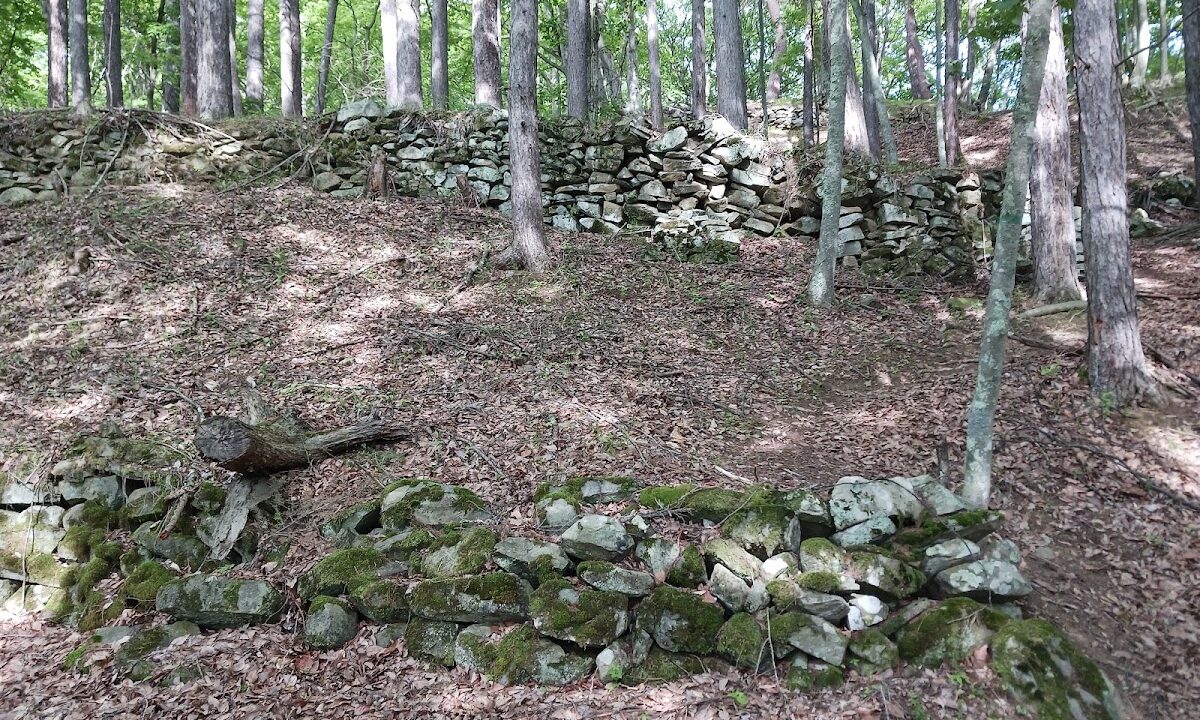
From archaeological excavations and topographical observations, it is inferred that the Kirikida Manor was a manor of considerable size. Manors of the Heian period, typically belonging to district officials, were complex facilities consisting of living spaces, administrative spaces, warehouses, and servant quarters.
It is possible that defensive structures such as moats and earthworks surrounded the manor, reflecting the tense political situation in the Tohoku region at the time. However, due to the limited scope of detailed excavations, further research is needed to fully understand the manor’s structure.
Excavated Artifacts and Dating
Fragments of pottery and everyday tools from the Heian period have been discovered around the Kirikida Manor site. These artifacts provide evidence that the manor was actually used from the early to mid-Heian period.
In particular, the style and manufacturing techniques of the pottery reflect the cultural characteristics of Dewa Province at that time, confirming a mixture of central government influence and unique regional elements. This archaeological data is an important clue to understanding local society in the Heian period, for which written historical sources are scarce.
Historical Sites Related to Ono no Komachi in the Yuzawa City Area
When visiting the Kirikida Manor site, a deeper understanding can be gained by also visiting the historical sites related to Ono no Komachi scattered around the area.
Ryusenji Temple (Yuzawa City)
Ryusenji Temple is an ancient temple located in Yuzawa City, and is said to have connections to Ono no Komachi. This temple preserves legends and artifacts related to Komachi, and is one of the centers of Komachi worship in the region. Within the temple grounds, there are stone monuments and explanatory plaques related to Komachi, introducing visitors to the historical background.
Atago Shrine (Atago-cho, Yuzawa City)
Atago Shrine is also known as a shrine connected to the legend of Komachi. Located in Atago-cho, Yuzawa City, this shrine has a long history as a center of local faith. A legend remains that Komachi visited the shrine in her childhood, and it has been carefully preserved by the local residents.
Mukono-ji Temple (Yuzawa City)
Mukono-ji Temple is a temple located in Yuzawa City, and is also a historical site linked to the legend of Komachi. The temple’s history records its connection to the Ono clan, making it an important cultural asset that tells the history of the region.
Heian Period Archaeological Sites in Akita Prefecture
To understand the Kirikida Manor Site, comparison with other Heian period archaeological sites in Akita Prefecture is also effective.
Akita Castle Ruins (Akita City)
Akita Castle Ruins are an ancient fortified settlement built in 733 AD (Tenpyo 5), serving as the political and military center of Dewa Province. Designated a National Historic Site, archaeological excavations have revealed the layout of buildings and the lifestyle of the time. Akita Castle was a higher-ranking facility than the Kirikida Manor, a residence of a district magistrate, and comparing the two provides insight into the administrative hierarchy of the time.
Haruta Fort Ruins (Daisen City)
Haruta Fort Ruins are a large-scale fortified settlement built around the 9th century, also designated a National Historic Site. With an outer perimeter stretching approximately 3.6 kilometers, it is a significant site illustrating the governing system of the ancient state in Dewa Province. While significantly different in scale from a district magistrate-level residence like the Kirikida Manor, it serves as an important point of comparison for understanding the state of Dewa Province during that period.
Jizōda Site (Akita City)
The Jizōda Site is a complex archaeological site dating from the Yayoi period to the Heian period, particularly famous for its Yayoi period rice paddy remains. The site reveals layers of remains from various periods, illustrating the long-term history of human activity in the Akita Plain. Heian period remains have also been confirmed, providing clues to the lifestyle of the same era as the Kirikida Manor Site.
Preservation and Utilization of the Kirikida Manor Site
The preservation and utilization of historical sites is a crucial issue for maintaining the region’s cultural identity and utilizing them as tourism resources.
Current Preservation Status
While the Kirikida Manor Site has been preserved to some extent through the efforts of local residents and the government, large-scale development has not yet been carried out. Major remains, centered around the well site, are protected, but further investigation and development are expected regarding the overall scope and detailed structure of the manor.
Positioning as a Cultural Property in the Region
In Yuzawa City, efforts are being made to introduce historical sites related to Ono no Komachi, including the Kirikida-kan ruins, as a unified “Komachi no Sato” (Komachi’s Village). Efforts are being made to convey the historical background to visitors through tourist brochures, websites, and the installation of information boards.
The site is also registered in Akita Prefecture’s Archaeological Site Map Information System and is officially recognized as a buried cultural property site within the prefecture. This database makes the site’s location and basic information publicly available, allowing researchers and the general public to access the information.
Future Challenges and Prospects
To further utilize the Kirikida-kan ruins, the following challenges need to be addressed:
Promotion of Academic Research: Detailed excavation surveys are needed to clarify the overall structure of the residence, its period of use, and the lifestyle of its inhabitants. It is also important to verify the historical factual accuracy of traditions through scientific dating and artifact analysis.
Maintenance and Public Access: Appropriate maintenance of the site is necessary to create an environment where visitors can safely visit. By improving explanatory signs and making the remains more visible, it is expected that the exhibition will be easier for the general public to understand.
Collaboration with surrounding historical sites: Developing tourist routes that connect with surrounding historical sites such as Ryusenji Temple, Atago Shrine, and Mukono Temple will enhance the appeal of the entire region. Creating historical walking maps and conducting guided tours are also effective methods.
Utilization of digital technology: By using 3D modeling and virtual reality technology to reconstruct the appearance of the Heian period mansion and developing online experience content, the value of the ruins can be conveyed to a wider audience.
Visiting Information and Access
Basic information for visiting the Kirikida Mansion Ruins is provided below.
Access Method
The nearest station to the Kirikida Mansion Ruins is Yuzawa Station on the JR Ou Main Line. It is approximately a 10-15 minute drive from the station. Public transportation access is limited, so renting a car or taking a taxi is recommended.
If accessing by private car, follow the signs from the Yuzawa city center. However, since the area surrounding the ruins is a quiet residential and farmland area, please be considerate of local residents when visiting.
Points to Note When Visiting
The Kirikida-kan Ruins are not a park, but primarily preserved as a historical site. Therefore, please observe the following points when visiting:
- Visit within the designated area to avoid damaging the remains.
- Do not enter restricted areas, as the surrounding area may include private property.
- Take all your trash with you and cooperate in environmental conservation.
- Photography is permitted, but please be considerate of the privacy of nearby residents.
Nearby Tourist Attractions
Besides the Kirikida-kan Ruins, Yuzawa City has many other tourist attractions. In addition to visiting historical sites related to Ono no Komachi, you can enjoy Yuzawa City’s traditional Inaniwa udon noodles and local sake. You can also visit Kawatsura lacquerware workshops and experience traditional Akita crafts.
Depending on the season, the surrounding natural scenery is also attractive. You can enjoy the changing scenery of each season: cherry blossoms in spring, fresh greenery in summer, autumn leaves, and snowscapes in winter. ## Summary
The Kirikida Manor Site is a valuable historical site that reveals the realities of local governance in Dewa Province during the early Heian period. Its historical background as the site of Ono no Yoshimasa’s residence, combined with the legend of Ono no Komachi’s first bath at the well, forms the core of the region’s cultural identity.
The remains, centered around a well with a diameter of 50 centimeters, are a valuable cultural heritage that conveys the lives of people from over a thousand years ago. Unlike large-scale castle ruins such as Akita Castle and Haruta Fort, its position as the residence of a local powerful family of the county magistrate class is of great significance in understanding the social strata and local administration of the time.
When visiting Yuzawa City, exploring the surrounding historical sites such as Ryusenji Temple, Atago Shrine, and Mukono Temple along with the Kirikida Manor Site will allow for a deeper understanding of the Ono no Komachi legend and the historical background of Dewa Province during the Heian period.
Future academic research and appropriate preservation and utilization are expected to further increase awareness of the Kirikida Manor Site as an important historical tourist resource in Akita Prefecture. This historical site is well worth visiting not only for history enthusiasts, but also for anyone interested in Ono no Komachi or the culture of the Heian period.