
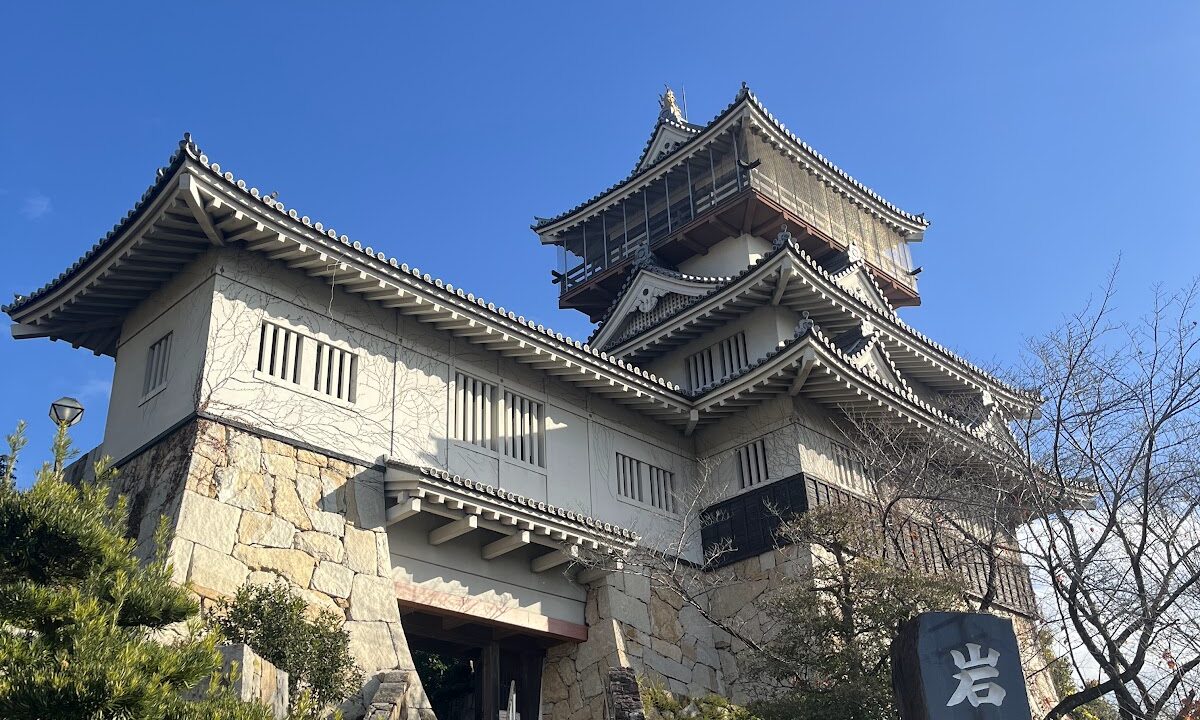
Complete Guide to the Iwasaki Jinya Ruins (Akita Prefecture): The Charm of Satake Yoshinobu’s Late Edo Period Jinya and the Millennium Park
Located in Yuzawa City, Akita Prefecture, the Iwasaki Jinya Ruins are the site of the domain office of the Iwasaki Domain, which existed for only a few years during the turbulent late Edo period. Established in 1868 as a branch domain of the Satake clan, this jinya is a valuable historical site symbolizing the turning point of the Meiji Restoration and continues to attract the attention of many history enthusiasts. This article provides a detailed explanation of the Iwasaki Jinya Ruins, from its historical background to current attractions and access information.
What is the Iwasaki Jinya?: The Base of a Short-Lived Domain Born in the Late Edo Period
The Iwasaki Jinya was the domain office of the Iwasaki Domain, established in 1868 by Satake Yoshinobu at the southern foot of the Iwasaki Castle ruins. Yoshinobu had previously based his base at Tsubakidai Castle, but due to the changing political situation at the end of the Edo period, he moved his encampment to Iwasaki, a location more suitable for defense.
Background of the Establishment of the Iwasaki Domain
The Iwasaki Domain was a branch domain of the Satake clan of the Akita Domain (Kubota Domain), and existed for an extremely short period of just over three years. Satake Yoshinobu was a member of the Satake clan, the lords of the Akita Domain, and the Iwasaki Domain was established as an independent domain to improve the efficiency of governing the territory during the turbulent period at the end of the Edo period.
The encampment was located at the southern foot of Iwasaki Castle, built by the Iwasaki clan in the Middle Ages, and was a geographically advantageous location that allowed the Minase River to be used as a natural moat. The encampment at that time is believed to have been located near the present-day Iwasaki Nursery School, and it served as both a government office for conducting domain affairs and a residence for the lord.
The Meiji Restoration and the End of the Iwasaki Domain
With the abolition of the feudal domains and establishment of prefectures in 1871 (Meiji 4), the Iwasaki Domain was renamed Iwasaki Prefecture. However, just two years later, in 1873 (Meiji 6), it was integrated into Akita Prefecture and ceased to exist. Thus, the history of the Iwasaki Jinya (fortified residence) was extremely short, but it remains a valuable historical site that tells the story of the turbulent times from the end of the Edo period to the early Meiji period, and is cherished as a regional historical heritage to this day.
Relationship with Iwasaki Castle: A Historical Stage from the Middle Ages to the End of the Edo Period
Understanding the Iwasaki Jinya is essential, as it relates to Iwasaki Castle, which rises to its north. Iwasaki Castle is a mountain castle built in the Middle Ages, and the Jinya was located at the southern foot of this castle site.
History of Iwasaki Castle
Iwasaki Castle is a medieval mountain castle built on a plateau on the south bank of the Minase River, and it served as the residence of the Iwasaki clan during the Sengoku period (Warring States period). During the Bunroku era (1592-1596), the Iwasaki Castle was the site of a battle against the Mogami clan, and it also holds a tragic history of the deaths of the Iwasaki family. Although the castle was later abandoned, its strategically advantageous terrain led to its selection as the location for Satake Yoshinobu’s encampment during the late Edo period.
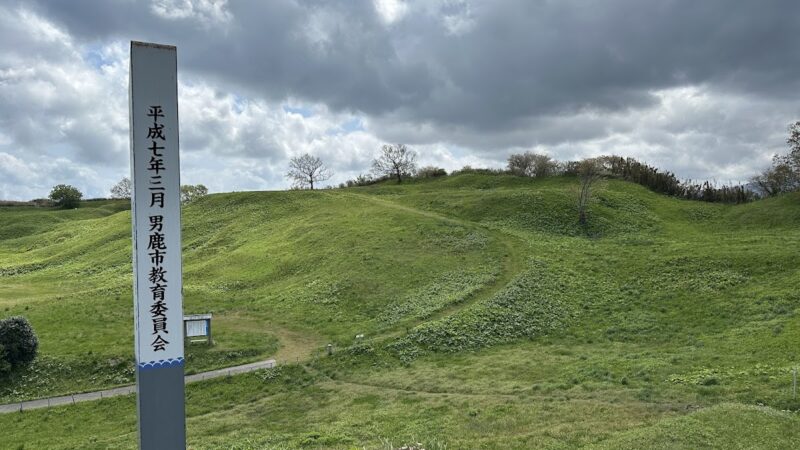
Currently, the Iwasaki Castle site is maintained as “Sennen Park,” where remnants such as earthworks and wells can be seen. The castle and encampment sites are preserved as a single historical site, making it a valuable place to experience the long flow of history from the medieval period to the end of the Edo period.
Development as Sennen Park
Sennen Park is a park developed around the Iwasaki Castle site, and the Iwasaki encampment site is also preserved as part of this park. Free parking is available within the park, making it a convenient environment for visitors to the historical site. The park’s name, “Sennen” (meaning “thousand years”), signifies that this area has been a place of human activity for over a thousand years, symbolizing the layered nature of history.
Highlights of the Iwasaki Jinya Site: Existing Remains and Relocated Buildings
Unfortunately, very little remains of the Iwasaki Jinya itself exist. However, important buildings related to the Jinya have been relocated and preserved within Sennen Park, allowing visitors to imagine what it was like in those days.
The Karahafu of the Hachiman Shrine’s Worship Hall
The worship hall of the Hachiman Shrine within Sennen Park retains a karahafu (a type of curved gable) said to have been relocated from the Iwasaki Jinya’s main building. This karahafu is a valuable relic demonstrating the high status of Jinya architecture and is an important cultural asset that conveys the architectural style of the late Edo period.
The karahafu is a decorative roof style in Japanese architecture, particularly used in buildings of high status. The ornamentation on the Iwasaki Jinya (fortified residence) buildings demonstrated its dignity as a domain government and symbolized the authority of the Satake clan.
Relocated Jinya Buildings
It is said that the buildings of the Iwasaki Jinya have been relocated to the southern foot of the Millennium Park. While these buildings were repurposed or relocated after the Meiji era, they remain valuable resources for understanding the architectural style and structure of the Jinya at that time.
Regarding the layout and size of the Jinya buildings, many details remain unclear due to the fragmentary nature of contemporary records. However, research into the relocated buildings is gradually revealing its original appearance.
Remains of Earthworks and Wells
Within the Millennium Park, there are remains of earthworks and wells believed to date back to the Iwasaki Castle era. These were built as defensive structures for a medieval mountain castle, but it is possible that parts of them were also used when the Jinya was established during the late Edo period.
Earthen ramparts are defensive structures built by piling up earth to prevent enemy intrusion, and are important remains that show the layout of Iwasaki Castle. Wells were facilities for securing water for daily life in castles and encampments, and also played an important role as a water source during sieges. By observing these remains, we can understand the actual state of castle facilities at that time.
Historical Changes in the Iwasaki Area: From Before the Encampment to the Present
The Iwasaki area, where the Iwasaki encampment was located, was an important regional center even before the establishment of the encampment. Understanding the historical changes in this area will allow for a deeper understanding of the historical significance of the encampment.
Iwasaki Village in the Edo Period
In 1688 (Genroku 1), a shogunate encampment was established in Iwasaki Village, and Nanjo Norihiro was appointed as the first magistrate. Iwasaki Village was governed under the jurisdiction of this shogunate encampment, with a scale of 200 bales of rice. Subsequently, in 1759 (Hōreki 9), it became a custodian of the Ōgaki Domain, and the governing system changed throughout the Edo period.
Thus, the Iwasaki area had already been home to a jinya (fortified residence) even before the establishment of the Iwasaki Domain’s jinya at the end of the Edo period. This historical background may be one of the reasons why Satake Yoshinobu chose this location for the jinya.
Iwasaki Town After the Meiji Era
In the Meiji era, Iwasaki developed as Iwasaki Town in Ogachi District, Akita Prefecture. The area of the former Iwasaki Town corresponds to the northern part of present-day Yuzawa City, the left bank of the Minase River, and the area around Shimoyuzawa Station on the Ōu Main Line. The area around the former jinya site is now used for residential areas and nurseries, serving as a living space for local residents.
After the municipal mergers of the Showa era, Iwasaki Town was incorporated into Yuzawa City, but the name Iwasaki remains as a local name, preserving its historical identity.
Satake Yoshinobu and the Iwasaki Domain: The Reality of a Satake Branch Domain in the Late Edo Period
Understanding the character of Satake Yoshinobu, the lord of the Iwasaki Jinya (fortified residence), and the reality of the Iwasaki Domain is crucial when discussing the Iwasaki Jinya.
The Biography of Satake Yoshinobu
Satake Yoshinobu was a member of the Satake clan of the Akita Domain (Kubota Domain) and established the Iwasaki Domain during the turbulent late Edo period. Yoshinobu, who had been based at Tsubakidai Castle, moved his Jinya to Iwasaki in 1868, the year the Boshin War began, to a location more suitable for defense.
This period was a turbulent time, with the collapse of the shogunate and battles raging between the new government forces and the former shogunate forces throughout the country. In the Tohoku region, the Ouetsu Reppan Alliance was formed, and the Akita Domain initially joined the alliance, but later switched sides to the new government, resulting in a complex political situation. It is possible that Yoshinori’s relocation of the encampment was a response to these military and political circumstances.
The Iwasaki Domain’s Rice Yield and Territory
While the exact rice yield and territory of the Iwasaki Domain are unclear due to limited historical records, it is believed to have been granted a certain territory as a branch domain of the Akita Domain. Because its existence as a domain was extremely short, very few detailed records of its administration remain.
However, the presence of an encampment and the function of a domain office indicate that it possessed a certain administrative organization and a group of retainers. It is presumed that the encampment housed the lord’s residence, as well as government offices and vassal quarters.
The Abolition of the Han System and Iwasaki Prefecture
In 1871 (Meiji 4), the Iwasaki Domain became Iwasaki Prefecture as part of a nationwide administrative reform that abolished domains and established prefectures. However, Iwasaki Prefecture’s period as an independent prefecture was short, and it was merged into Akita Prefecture in 1873 (Meiji 6) and ceased to exist. The history of the Iwasaki Domain and Iwasaki Prefecture was extremely short, lasting only about five years from its establishment to its demise. However, as a form of local governance during the most transformative period in Japanese history—the late Edo period and early Meiji era—it holds significant historical importance.
Local Visit Guide: Access and Visiting Information for the Iwasaki Jinya Ruins
This section summarizes practical information for visiting the Iwasaki Jinya Ruins and the Iwasaki Castle Ruins, which are now part of the Millennium Park.
Access Methods
By Public Transportation:
- Approximately 15-20 minutes on foot from JR Ou Main Line “Shimoyuzawa Station”
- Taxis are also available from Yuzawa city center
By Car:
- Approximately 10 minutes from the Yuzawa-Yokote Expressway “Yuzawa IC”
- Free parking is available at Millennium Park
- Easy access from National Route 13
Visiting Points
Millennium Park is always open and can be freely visited. There are no restrictions on opening hours or admission fees, but please observe proper park etiquette.
Estimated Visiting Time:
- Only the area around the Jinya (fortified residence) site: Approximately 30 minutes
- The entire Millennium Park, including the Iwasaki Castle ruins: Approximately 1-2 hours
Recommended Visiting Route:
- Head from the parking lot to Hachiman Shrine and view the karahafu (curved gable) relocated from the Jinya building.
- Observe the remains of Iwasaki Castle, such as the earthworks and wells.
- Enjoy the scenery of the Minase River while strolling through the park.
- Learn about the historical background from the information boards and explanatory signs.
Notes for Visitors
- The exact location of the Jinya site is believed to be near the current Iwasaki Nursery School, and entry into the nursery school grounds is prohibited.
- The remains within Millennium Park are valuable cultural assets, so please be careful not to damage them.
- Due to snow in winter, visits are recommended from spring to autumn.
- There are no detailed information facilities or tea houses, so it is recommended to gather information beforehand.
Nearby Tourist Attractions
When visiting the Iwasaki Jinya Ruins, you can enrich your historical exploration by also visiting nearby historical sites.
Yuzawa City Area:
- Yuzawa City Local History Learning Materials Exhibition Facility: Exhibits local historical materials
- Historical Sites Associated with Ono no Komachi: The legendary birthplace of Ono no Komachi
Related Historical Sites in Akita Prefecture:
- Kubota Castle Ruins (Akita City): The main castle of the Satake clan of the Akita Domain
- Kakunodate Samurai Residences: A group of samurai residences known as “Little Kyoto of Michinoku”
By combining these spots, you can gain a deeper understanding of Akita Prefecture’s history.
Historical Value and Current Status of Preservation of the Iwasaki Jinya Ruins
The Iwasaki Jinya Ruins occupy a unique position in the history of Japanese castles and feudal domains as the remains of a domain that existed for only a few years.
Significance in the History of the Late Edo Period
The Iwasaki Jinya (fortified residence) was established in 1868 (Keio 4), the very year the Edo Shogunate collapsed and the Meiji government was founded. The fact that a new domain was established and a fortified residence was built during this turbulent period is a valuable example illustrating the complexity of the political situation at the end of the Edo period and the reality of power reorganization in the provinces.
While many domains were established in the early Edo period and have long histories, the Iwasaki Domain can be considered one of the “last domains” established at the very end of the Edo period, when the domain system was coming to an end. This uniqueness creates significant value for historical research.
Characteristics as a Remains of a Short-Lived Domain
Remains of domains that existed for only a short period, like the Iwasaki Domain, are rare throughout Japan. In many cases, the fortified residences and castles of short-lived domains are lost due to subsequent development, but the Iwasaki Jinya site has been preserved as a thousand-year park and is cherished as a regional historical heritage.
While very little remains of the original fortified residence (jinya) itself, the relocated buildings and the integrated preservation of the site with the Iwasaki Castle ruins allow visitors to experience the atmosphere of the time, which should be commended.
Expectations for Future Preservation and Utilization
Currently, detailed archaeological excavations and academic research on the Iwasaki Jinya site are limited. Further detailed investigations may reveal the precise location, size, and building layout of the fortified residence.
Furthermore, its use as a resource for local history education and tourism is anticipated. Improvements such as enhanced information boards and the provision of digitally reconstructed images of the fortified residence are needed to help visitors gain a deeper understanding of the history.
Related Castles and Jinya: Historical Site Network in Akita Prefecture
Understanding the Iwasaki Jinya site requires knowledge of its connections to other castles and fortified residences in Akita Prefecture.
Kubota Castle (Akita City)
Kubota Castle was the main castle of the Satake clan of the Akita Domain and the base of the domain, which was the main residence of Satake Yoshinobu, the lord of the Iwasaki Domain. The site is now maintained as Senshu Park, and the corner turret has been restored. When visiting the Iwasaki Jinya (fortified residence), visiting Kubota Castle, the main castle of the Satake clan, will give you a better understanding of the overall structure of the Satake domain’s administration.
Tsubakidai Castle
Tsubakidai Castle was the base of operations for Satake Yoshinobu before he established the Iwasaki Jinya. Exploring why Yoshinobu moved his base from Tsubakidai Castle to Iwasaki is an interesting topic for understanding the political and military situation at the end of the Edo period.
Yokote Castle
Yokote Castle is an important castle in southern Akita Prefecture, and during the Edo period, it functioned as a branch castle of the Akita Domain. Located in the same region as the Iwasaki Jinya, it is an important site for understanding the regional castle network.
Significance of Visiting the Iwasaki Jinya Site: Learning from History
Visiting the Iwasaki Jinya site has significance beyond simply visiting a historical site.
Experiencing a Turning Point in History
The period from 1868 (Keio 4) to 1873 (Meiji 6), when the Iwasaki Jinya (fortified residence) existed, is one of the most important periods in Japanese history, marking Japan’s transition from feudalism to a modern nation. The rapid changes—from feudal domains to prefectures, and then to the unification of prefectures—over just a few years must have been a turbulent experience for the people of that time.
Standing at the site of the Jinya, you can feel this turning point firsthand. This place witnessed the end of the long-standing Edo period’s feudal system and the beginning of a new era.
Reaffirming the Importance of Local History
When studying Japanese history, attention tends to focus on the central government and the actions of large domains. However, the histories of small domains and branch domains like the Iwasaki Domain also contain important information for understanding the era.
Visiting the sites of small local Jinya and learning their history allows you to understand the diversity and complexity of history. You will realize that countless small stories were woven within the larger currents of history.
Considering the Significance of Cultural Property Preservation
Even at historical sites like the Iwasaki Jinya Ruins, where almost no buildings remain, the historical significance of the place is not lost. Through relocated buildings and the remains of the Iwasaki Castle Ruins, which are preserved as a whole, the history of that time can be conveyed to the present day.
Cultural property preservation does not necessarily mean only preserving buildings in their complete form; it also means passing on historical places and memories to future generations. The preservation efforts at the Iwasaki Jinya Ruins are a good example of the diverse ways in which cultural property preservation can be pursued.
Summary: The Story of the Late Edo Period to the Meiji Era Told by the Iwasaki Jinya Ruins
The Iwasaki Jinya Ruins in Yuzawa City, Akita Prefecture, is a valuable historical site that conveys the turbulent period from the late Edo period to the early Meiji era, as the site of the Iwasaki Domain’s administrative office, which existed for only a few years.
The fortified residence established by Satake Yoshinori after he moved his base from Tsubakidai Castle was built in 1868, the year of the collapse of the Edo shogunate, and disappeared in 1873 with the consolidation of Akita Prefecture. Within its short history, a major turning point in history is condensed.
Currently, the site of the fortified residence is preserved together with the Iwasaki Castle ruins, which have been developed into a Millennium Park. Through the remnants of the fortified residence’s main building (with its curved gable roof), which was relocated to Hachiman Shrine, and the earthworks and wells dating back to the medieval period, one can imagine the atmosphere of that time.
Visiting the Iwasaki Fortified Residence site offers an opportunity to experience a major turning point in Japanese history, reaffirm the importance of local history, and consider the significance of cultural property preservation. When visiting Akita Prefecture, be sure to visit this historical site and reflect on the turbulent era from the end of the Edo period to the Meiji era.
As the name Millennium Park suggests, this place is built upon more than a thousand years of accumulated history. From the medieval Iwasaki Castle, to the Edo period encampment, the Iwasaki Domain encampment at the end of the Edo period, and finally to a modern park, this place has always remained at the heart of local history, albeit in a transformation over time.
While not large in scale, the Iwasaki Encampment Site is an essential historical site for understanding Japanese history from multiple perspectives. Each visitor can engage in a dialogue with history here, feeling the flow of time from the past to the future.
-800x450.png)