Jingamine Castle (Fukushima Prefecture): The Complete Picture of a Late Heian Period Castle and National Historic Site
What is Jingamine Castle?
Jingamine Castle is a castle site located in Aizubange-machi, Kawanuma-gun, Fukushima Prefecture, built in the late Heian period, in the 12th century. Situated on the edge of a plateau in the northwestern part of the Aizu Basin, it occupies a strategic location controlling the Agano River, a vital transportation hub where it flows into Niigata Prefecture. As a rare example of a 12th-century castle site, it was designated a National Historic Site on July 26, 2007.
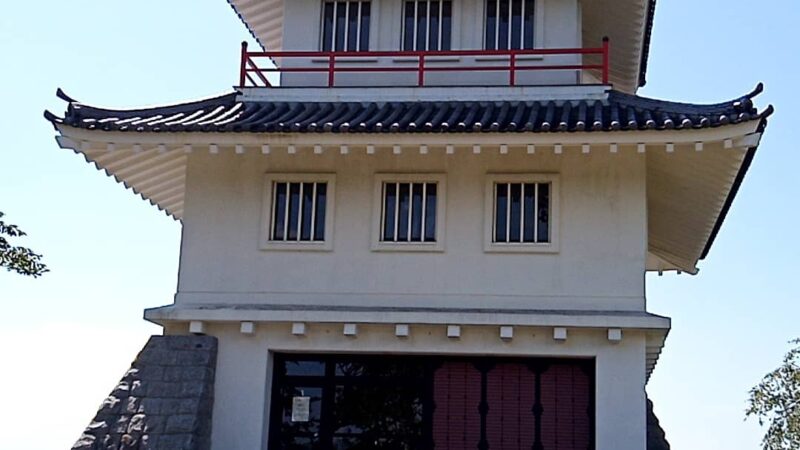
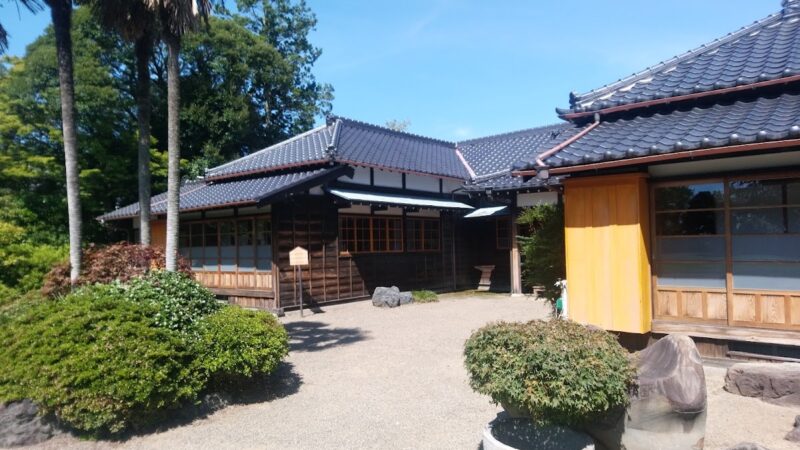
Currently, the former Kawanishi Community Center stands on the castle site, and defensive structures such as double dry moats and earthworks remain in excellent condition around it. It is considered one of the oldest castles in the Aizu region and is an extremely important site for understanding the castle structure of the Tohoku region during the transitional period from the Heian period to the medieval period. ## Basic Information on Jingamine Castle
Location and Geographical Characteristics
Location: Gome, Hinokuchi-ko, Unai, Aizubange-machi, Kawanuma-gun, Fukushima Prefecture
Elevation: Approximately 195 meters
Relative Height: Approximately 20 meters (height from the bottom of the basin)
The castle ruins are located on the edge of a plateau overlooking the Aizu Basin to the east. This area is at the entrance to the basin where the Agano River flows from the Aizu Basin to Echigo (Niigata Prefecture), and was a strategically important location for monitoring and controlling the transportation route connecting the Aizu region and Echigo from ancient to medieval times.
Common Names and Alternate Names
Jingamine Castle is also written as “Jingamine Castle” or “Jingamine Castle.” Locally, it is called “Jingamine-jo,” and this name is thought to originate from the topographical features of the castle’s location.
Castle Classification and Size
Castle Classification: Hilltop Castle (Castle on a Plateau)
Construction Period: Late Heian Period (12th Century)
Castle Size: Approximately 110 meters east-west, approximately 175 meters north-south
The castle site has a flat, plateau-like shape. The interior is generally flat, but it slopes gently towards the east. Except for the eastern edge, which is a terrace cliff, the castle is surrounded by a double moat. It is characterized by its large scale and well-planned layout for a castle from the late Heian period.
History of Jingamine Castle
Construction and the Jō Clan
Jingamine Castle is said to have been built in the late Heian period, in the 12th century, by the Jō clan. The Jō clan was a powerful local lord that ruled the Aizu region, and Jingamine Castle is counted as one of the “Eight Castles of Aizu.” The Aizu Eight Castles refer to a series of castles built by the Jō clan around the Aizu Basin, and Jingamine Castle is thought to have been its central stronghold.
Castle Lord and Power Base
Excavations have unearthed numerous expensive Chinese porcelain artifacts, including white and celadon. These artifacts were extremely valuable imports for the time, indicating that the castle lord possessed considerable economic power and influence. In the Tohoku region during the 12th century, only powerful individuals with strong ties to the central government and the Ōshū Fujiwara clan could acquire such luxury goods.
Transition from the Late Heian Period to the Middle Ages
The 12th century, when Jingamine Castle was in operation, falls within the transition period from the late Heian period to the Kamakura period. The Ōshū Fujiwara clan had established a powerful presence in the Tohoku region, and the Aizu region was under their influence. After the Oshu Fujiwara clan was destroyed in the Oshu War of 1189, the power structure of the Aizu region is thought to have changed significantly, and it is possible that Jingamine Castle lost its importance or was abandoned around this time.
Year of Abandonment and Later Changes
While there are no clear historical records of the year of abandonment, based on the remains and artifacts, it is estimated that the castle ceased to function as a fortress sometime between the late 12th and early 13th centuries. Afterward, the castle site was used for a long time as farmland and settlement, but the main remains continued to exist as part of the topography.
Details of the Remains
Structure of the Double Moat
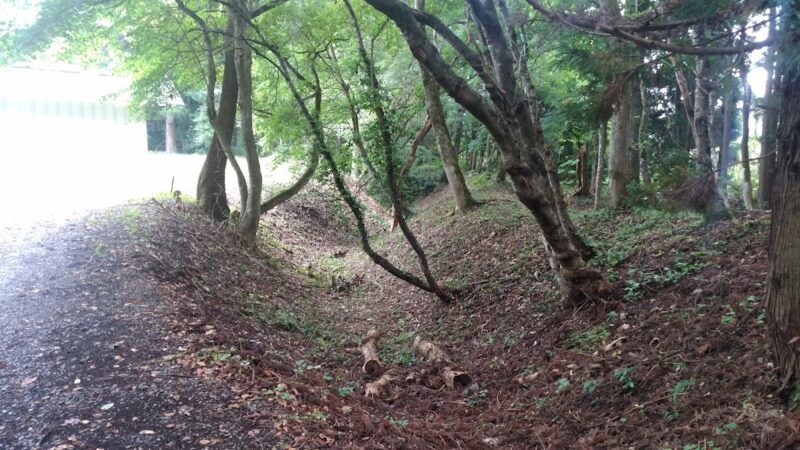
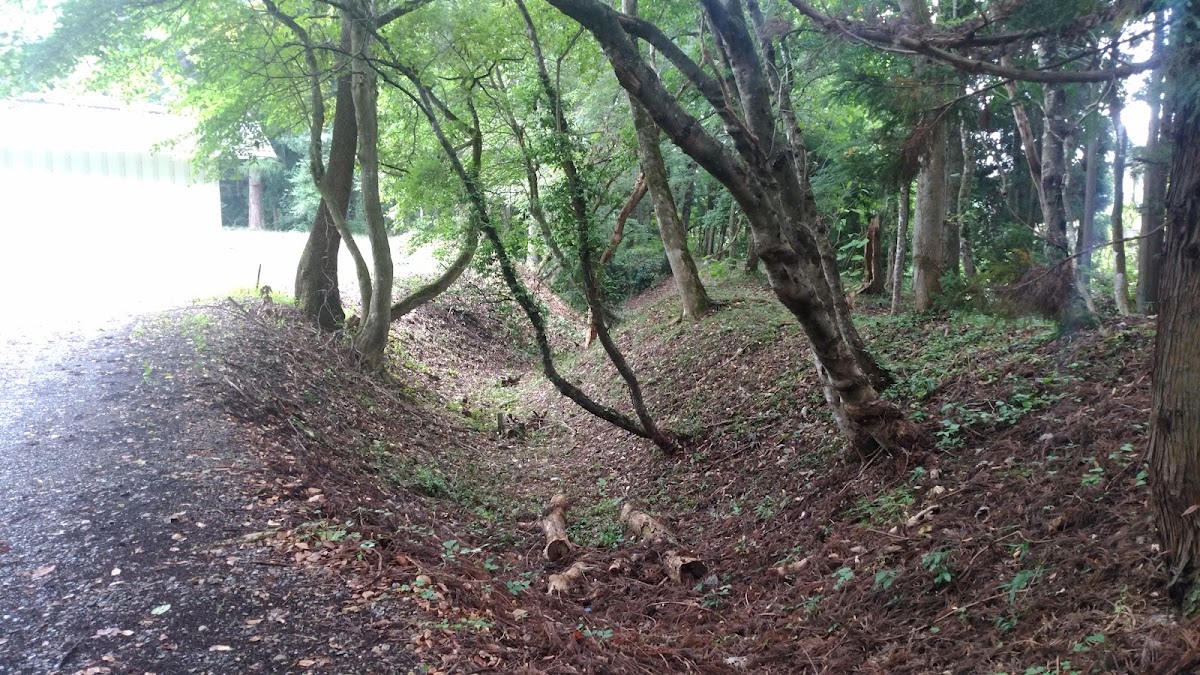
The most distinctive feature of Jingamine Castle is the double dry moat surrounding the castle grounds. The double moat surrounds three sides (north, west, and south), excluding the eastern side which is a terrace cliff.
Outer Moat: Approximately 8-10 meters wide, 3-4 meters deep
Inner Moat: Approximately 6-8 meters wide, 2-3 meters deep
These moats are still clearly visible today, and particularly near the entrance to the former community center, a deep, sharp moat remains in excellent condition. The double moat structure is thought to have served not only as a defensive structure but also as a symbol of the lord’s authority and prestige.
Earthworks
Earthworks were built inside the moats, and are particularly well-preserved on the west and north sides. The earthworks are currently about 1-2 meters high, but are estimated to have been higher when the castle was first built. It is possible that defensive structures such as fences or walls were built on top of the earthworks.
Post-and-Beam Building Remains
Excavation surveys have confirmed the remains of several post-and-beam buildings. These are postholes of buildings thought to be the lord’s residence, warehouses, or dwellings of retainers, and the building layout indicates planned use of space.
Of particular note are the remains of a relatively large building, which is highly likely to have been the lord’s main residence. Based on the arrangement of post holes, a building approximately 12 meters east-west and 8 meters north-south has been reconstructed.
Blacksmith’s Furnace and Workshop Facilities
The remains of a blacksmith’s furnace have also been discovered within the castle grounds, indicating that iron products were manufactured and repaired there. Excavated iron slag (the residue produced during iron smelting) and forging fragments suggest that weapons and agricultural tools were manufactured within the castle.
The existence of these workshop facilities indicates that Jingamine Castle was not merely a military base, but also an economic center that oversaw regional production activities.
Ditch Remains and Pits
Ditch remains and pits (holes) have been confirmed in various locations within the castle grounds. The ditch remains are thought to have functioned as drainage or partitioning facilities, while the pits may have been used as storage pits, garbage pits, or some kind of work pit.
These remains have yielded fragments of pottery and ceramics, iron artifacts, and animal bones, providing important clues to the lifestyle of the time.
Excavated Artifacts
Chinese Ceramics
Numerous 12th-century Chinese white and celadon porcelain pieces have been unearthed from the Jingamine Castle ruins. These were extremely expensive imports in Japan at the time, and only a limited class, such as nobles and powerful samurai, could own them.
The unearthed porcelain includes tableware such as bowls and plates, indicating that the castle lord used them daily. This suggests that the lord had strong ties to the central government and trade routes, and possessed considerable economic power.
Domestic Pottery and Earthenware
In addition to Chinese porcelain, a large quantity of domestic Sue ware and Haji ware (earthenware) has also been unearthed. These were used as everyday tableware, cooking utensils, and storage containers, providing important evidence of daily life within the castle.
Iron Artifacts and Weapons
Iron artifacts such as iron arrowheads, small knives, and nails have also been unearthed. These were used as weapons and tools, reflecting both the military character and daily life aspects of the castle.
Other Artifacts
Stone artifacts (such as whetstones), some wooden artifacts, and animal bones (food remnants) have also been unearthed, indicating that a variety of daily life items were used within the castle.
National Historic Site Designation and Preservation Activities
History of Historic Site Designation
The Jingamine Castle Ruins were designated a National Historic Site on July 26, 2007. The reasons for the designation are as follows:
- Historical Rarity: A rare 12th-century (late Heian period) castle site nationwide.
- Excellent Preservation of the Remains: Defensive structures such as double moats and earthworks remain clearly visible.
- Academic Value: An important site illustrating the castle structure of the Tohoku region during the transitional period from the Heian period to the medieval period.
- Importance of Excavated Artifacts: Valuable artifacts, including Chinese porcelain, have been unearthed, providing clues to understanding the social structure of the time.
History of Excavation
At the Jingamine Castle site, a full-scale excavation survey was conducted by the Aizubange Town Board of Education from 2005 to 2006, prior to its designation as a historical site. This survey revealed details about the castle’s structure, age, and excavated artifacts, accumulating academic data that formed the basis for the historical site designation.
The archaeological excavation systematically conducted cross-sectional surveys of the double moat, confirmation of building remains within the castle, and collection of artifacts, scientifically proving that Jingamine Castle was a large-scale castle planned and constructed in the 12th century.
Preservation and Utilization
After being designated a historical site, Aizubange Town is working on the preservation and utilization of the Jingamine Castle ruins. The main remains, such as the double moat and earthworks, are regularly mowed and maintained, creating an environment where visitors can easily observe the remains.
Explanatory boards are installed at the castle ruins to help visitors understand the castle’s history and structure. In addition, guided tours and tours are held irregularly by local history enthusiasts and cultural property preservation groups.
Highlights of Jingamine Castle
The Impressive Double Dry Moat
The greatest highlight of Jingamine Castle is undoubtedly the double dry moat. Immediately upon entering the entrance of the former community center, the deeply and sharply excavated moat appears before your eyes. The moat on the northwest side, in particular, is remarkably well-preserved, allowing visitors to appreciate the advanced civil engineering techniques of the late Heian period.
The height of the earthworks, viewed from the bottom of the moat, is breathtaking, making this a valuable site to experience the power of the defensive structures of the time. Observing the structure of the double moat provides a concrete understanding of 12th-century castle construction technology.
Remaining Earthworks
The earthworks remaining inside the moat are also a highlight. The earthworks on the west and north sides, in particular, are well-preserved, clearly indicating the outline of the castle grounds. Walking along the earthworks allows visitors to experience the difference in elevation between the castle grounds and the surrounding area, helping to understand their function as defensive structures.
Flat Areas within the Castle Grounds
The castle grounds are relatively flat, encompassing a vast space approximately 110 meters east-west and 175 meters north-south. It is believed that the lord’s residence, vassal residences, warehouses, and workshops once stood on this wide, flat area. While the former community center now stands there, walking around the perimeter allows visitors to appreciate the sheer scale of the castle. ### View
From the east side of the castle ruins, you can enjoy a panoramic view of the Aizu Basin. Located on a plateau approximately 195 meters above sea level, the view is excellent, visually explaining why the castle chose this location. On clear days, you can even see as far as Aizu-Wakamatsu, appreciating its strategic location as a transportation hub.
Surrounding Castles and the Eight Castles of Aizu
What are the Eight Castles of Aizu?
Jingamine Castle is counted as one of the “Eight Castles of Aizu.” The Eight Castles of Aizu is a collective term for a series of castles built by the Jo clan in the Aizu region during the late Heian period, and is said to include the following castles (there are various theories).
- Jingamine Castle (Aizubange Town)
- Aizu-Shingu Castle (Kitakata City)
- Takadera Castle (Aizubange Town)
- Daibutsu Castle (Aizubange Town)
- Other Castles and Fortifications (Various theories exist regarding their identification)
These castles and fortifications are scattered around the Aizu Basin, indicating the territory controlled by the Jō clan, and are thought to have cooperated with each other to govern the region.
Relationship with Aizu-Shingu Castle
Aizu-Shingu Castle is located very close to Jingamine Castle, and the two castles are thought to have had a close relationship. Aizu-Shingu Castle is also considered to be a castle and fortification related to the Jō clan, and visiting both Jingamine Castle and Aizu-Shingu Castle together allows for a deeper understanding of the actual state of the eight castles and fortifications of Aizu.
The two castles are located several kilometers apart in a straight line, and it is estimated that they were visible to each other. This suggests the possibility that multiple castles and fortifications cooperated to form a defensive network.
Other Major Castles in the Aizu Region
When visiting Jingamine Castle, we recommend also visiting other notable castles in the Aizu region.
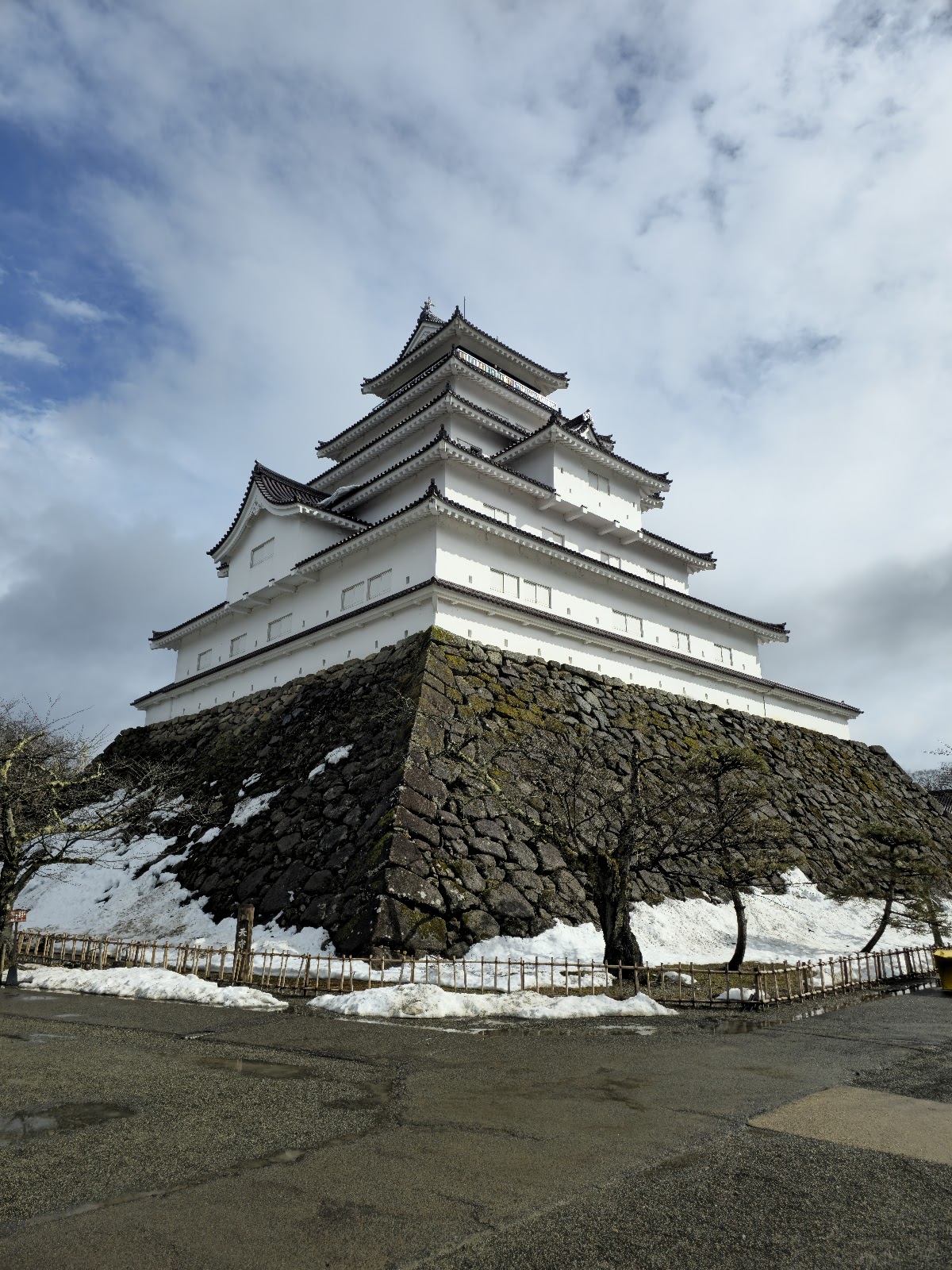
Aizu-Wakamatsu Castle (Tsuruga Castle): A representative early modern castle of the Aizu region. It was the center of Aizu from the Sengoku period to the Edo period.
Mukaihaguroyama Castle: A large mountain castle from the Sengoku period. Known as the base of the Ashina clan.
Kansashi Castle: An unfinished castle whose construction was begun by Uesugi Kagekatsu. It was never completed due to the Battle of Sekigahara.
Visiting these castles in chronological order allows for a systematic understanding of the history of castle development in the Aizu region from the Heian period to the early modern period.
Access and Visiting Information
Transportation Access
By Train/Bus
Approximately 30 minutes on foot or 5 minutes by taxi from JR Tadami Line “Aizu-Bange Station”. Rental bicycles are also available from the station.
By Car
Approximately 10 minutes from the Aizu-Bange Interchange on the Ban-etsu Expressway. Easily accessible from National Route 49. There are several parking spaces in front of the former Kawanishi Community Center.
Visiting Hours and Fees
The castle ruins are an outdoor historical site and are generally open to the public (free of charge). However, the interior of the former community center building is usually closed to the public.
Recommended Visiting Time: 30 minutes to 1 hour
Visiting Hours: Daytime (Avoid visiting at night as it is dangerous)
Precautions During Your Visit
- The castle ruins are designated as a historical site; please do not damage the remains or take any artifacts.
- The moat is deep and the slope is steep; please be careful not to fall.
- In summer, the area is overgrown with grass; wearing long sleeves and long pants is recommended.
- Insect repellent is recommended.
- Be careful as the ground can be slippery during and after rain.
Nearby Facilities
Aizubange Town Hall: You can view materials and make inquiries about the castle ruins.
Aizubange Town Historical Museum: (If available): Some excavated artifacts may be on display.
Michi-no-Eki Aizu: A facility where you can purchase local products from Aizubange Town.
Historical Significance of Jingamine Castle
The Importance of Studying Late Heian Period Castles in the Tohoku Region
Jingamine Castle is an extremely important archaeological site for understanding the structure of castles in the Tohoku region during the late Heian period. Castle remains from this period are rare nationwide, and especially rare in the Tohoku region. The results of the excavation of Jingamine Castle have brought new insights to the study of 12th-century castles.
Traditionally, castles from the late Heian period were thought to have simple structures, but the double moats and planned layout of Jingamine Castle indicate that advanced castle-building techniques already existed during this period.
Relationship between the Oshu Fujiwara Clan and Local Lords
The excavated Chinese porcelain suggests that the lord of Jingamine Castle had close ties with the Oshu Fujiwara clan and the central government. The Tohoku region in the 12th century was under the control of the Oshu Fujiwara clan, and it is thought that the local lord, the Jō clan, was strongly influenced by them.
Research on Jingamine Castle provides important clues to understanding the power structure of the Oshu Fujiwara clan and their relationship with local lords.
Position in the Medieval History of the Aizu Region
Jingamine Castle, as one of the oldest castles in the Aizu region, is a landmark site for understanding the medieval history of this area. In the history of Aizu castles, spanning from the late Heian period through the Kamakura, Sengoku, and early modern periods, Jingamine Castle is positioned as the starting point.
The existence of the Aizu Eight Castles indicates that the Aizu region in the 12th century was controlled by multiple strongholds, suggesting that the prototypes of the power structures of the later Sengoku and early modern periods may have already been formed during this period.
Summary
Jingamine Castle, located in Aizubange Town, Fukushima Prefecture, is a castle site from the late Heian period (12th century). It was designated a National Historic Site in 2007 as a rare example of a castle from this period nationwide. The castle retains well-preserved defensive structures such as double dry moats and earthworks, and valuable artifacts such as the lord’s residence, workshops, and Chinese porcelain have been discovered.
As one of the eight castles of Aizu, it symbolizes the transitional period from ancient to medieval times in the Aizu region and occupies an extremely important position in the study of castle history in the Tohoku region. The remains can still be viewed today, making it a valuable historical site where one can experience the castle construction technology and lifestyle of the late Heian period.
When visiting the Aizu region, be sure to visit Jingamine Castle, one of the oldest castles in Aizu, along with other famous castles such as Aizu-Wakamatsu Castle and Mukaihaguroyama Castle. The deeply excavated double moats and earthworks eloquently tell the story of its history spanning over 800 years.