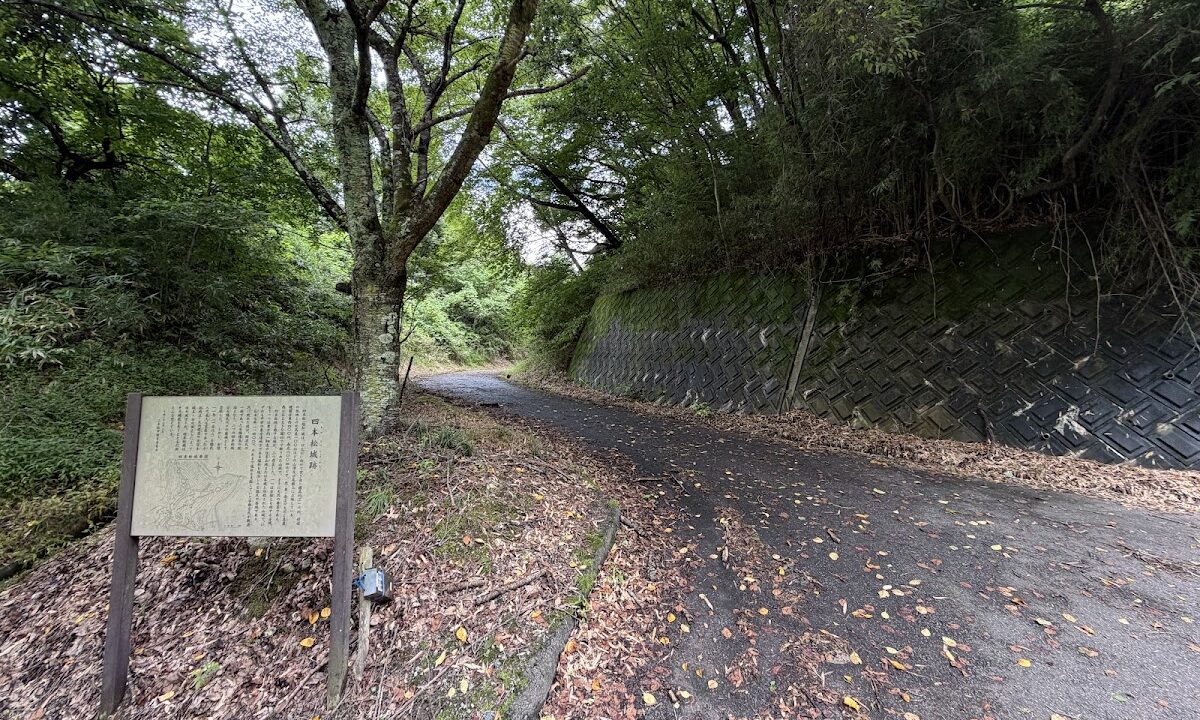
Complete Guide to Shihonmatsu Castle (Nihonmatsu City, Fukushima Prefecture): The Castle of the Ishibashi Clan, a Thriving Central Base in the Shiomatsu Region
Located in Nihonmatsu City, Fukushima Prefecture, Shihonmatsu Castle is a mountain castle known as the residence of the Ishibashi clan, a powerful local lord who wielded the greatest influence in the Shiomatsu region during the medieval period. Also known as “Shiomatsu Castle” and “Furudate,” it was one of the important strongholds of Mutsu Province during the Sengoku period. This article provides a detailed overview of Shihonmatsu Castle, from its historical background to the remains visible today and access methods.
Overview and Basic Information of Shihonmatsu Castle
Shihonmatsu Castle is a mountain castle located at an altitude of 316 meters (relative height approximately 100 meters) in Shibukawa, Tateyama and Kaminagaori, Furudate, Nihonmatsu City, Fukushima Prefecture. It functioned as the base of the Ishibashi clan, who ruled the Shiomatsu region in Mutsu Province during the medieval period.
Alternative Names and Designations
- Shiomatsu Castle: Derived from its status as the central castle of the Shiomatsu region.
- Furudate: A local nickname.
- Shihonmatsu Castle: The most common name.
These names are used interchangeably depending on the document and region, but all refer to the same castle.
Castle Classification and Scale
Shihonmatsu Castle is a typical medieval mountain castle, equipped with defensive structures that skillfully utilize the natural terrain. Its scale is among the largest in the Shiomatsu region, reflecting the considerable power of the Ishibashi clan.
History of Shihonmatsu Castle
Rise of the Ishibashi Clan and Shiomatsu Rule
The Ishibashi clan were local lords who ruled the Shiomatsu region (around present-day Nihonmatsu City) during the medieval period. With Shihonmatsu Castle as their base, they exerted strong influence over the surrounding area. The Ishibashi clan reigned as a powerful force in this region from the Muromachi period to the Sengoku period.
The Shiomatsu region is located in the Abukuma River basin and was a crucial transportation hub connecting Aizu and the Hamadori region. This geographical advantage was a key factor supporting the expansion of the Ishibashi clan’s power.
Relationship with the Date Clan
During the late Sengoku period, the Date clan rapidly expanded its power in the Tohoku region. The Ishibashi clan also had a complex relationship with the Date clan, sometimes allied and sometimes in conflict.
Especially during the time of Date Masamune, the number of local lords in the surrounding area forced to submit to the Date clan increased. The Ishibashi clan, based at Shiomatsu Castle, played an important role in this historical trend.
Changes and Demise of the Castle
After the turbulent Sengoku period, and with the major turning points of Toyotomi Hideyoshi’s pacification of Oshu and the establishment of the Edo Shogunate, the military importance of Shiomatsu Castle gradually declined.
In the early modern period, Nihonmatsu Castle (Kasumiga Castle) was developed as the central castle of the region, and Shihonmatsu Castle faded from the historical stage. However, its remains have been well preserved to this day, making it a valuable historical resource for the study of medieval castles.
Structure and Layout of Shihonmatsu Castle
Defensive System Utilizing the Topography
Shihonmatsu Castle is a mountain castle built around the summit of a mountain 316 meters above sea level. Its location, with a relative height of approximately 100 meters, provided sufficient height to defend against enemy attacks.
The castle’s layout skillfully utilizes natural ridges and valleys, exhibiting typical characteristics of medieval mountain castles. The steep terrain itself functioned as a natural defensive wall.
Major Remains
Enclosures (Kuruwa)
Shihonmatsu Castle has multiple enclosures. The group of enclosures, arranged in stages around the main enclosure, achieved a multi-layered defensive system. Each enclosure has an irregular shape, adapted to the terrain, and is characterized by a practical, battle-ready layout.
Moats
The moats, built to cut across the ridge, are an important defensive feature of Shihonmatsu Castle. They served to prevent enemy intrusion and clearly demarcate the castle grounds. The moats, still clearly visible today, demonstrate the high level of civil engineering technology of the time.
Earthworks
Earthworks were built around the enclosures, enhancing their defensive capabilities. Some of these earthworks remain in good condition today, providing important clues to understanding the castle’s structure at the time.
Characteristics of the Castle Layout
While Shihonmatsu Castle’s layout exhibits typical characteristics of a medieval mountain castle, it also shows unique elements reflecting the regional characteristics of the Shiomatsu area. The arrangement of interconnected enclosures utilizing the ridgeline is the result of ingenuity in making the most of the limited terrain.
Highlights of Shihonmatsu Castle
View from the Main Enclosure
From the main enclosure, the highest point of the castle, you can enjoy a panoramic view of the city of Nihonmatsu and the surrounding mountains. If the weather is good, you can enjoy the magnificent view of Mount Adatara, experiencing the scenery that the castle lords of the time saw. This view makes you realize that Shihonmatsu Castle was ideally located for monitoring and controlling the surrounding area.
Well-Preserved Remains
The remains of Shihonmatsu Castle have been preserved in relatively good condition, as they have not been affected by development. The moats and earthworks, in particular, remain clearly visible, making it a worthwhile point of interest for castle enthusiasts and history buffs.
Historical Value
As the base of the Ishibashi clan, the largest local lord in the Shiomatsu region, Shihonmatsu Castle occupies an extremely important position in regional history. It can be said to be a valuable historical heritage site for understanding the realities of local governance in the medieval period.
Related Castles in the Surrounding Area
Miyamori Castle (Miyamori Castle/Kamikan)
Miyamori Castle (also known as Shihonmatsu Castle, Miyamori Castle, and Kamikan) is located near Shihonmatsu Castle. This castle is also considered to be related to the Ishibashi clan, and visiting it together with Shihonmatsu Castle allows for a deeper understanding of the Ishibashi clan’s rule.
Miyamori Castle is ranked 1st in Nihonmatsu City’s castle rankings and 3rd in Fukushima Prefecture as a tourist attraction, making it well worth visiting along with Shihonmatsu Castle.
Nihonmatsu Castle (Kasumiga Castle)
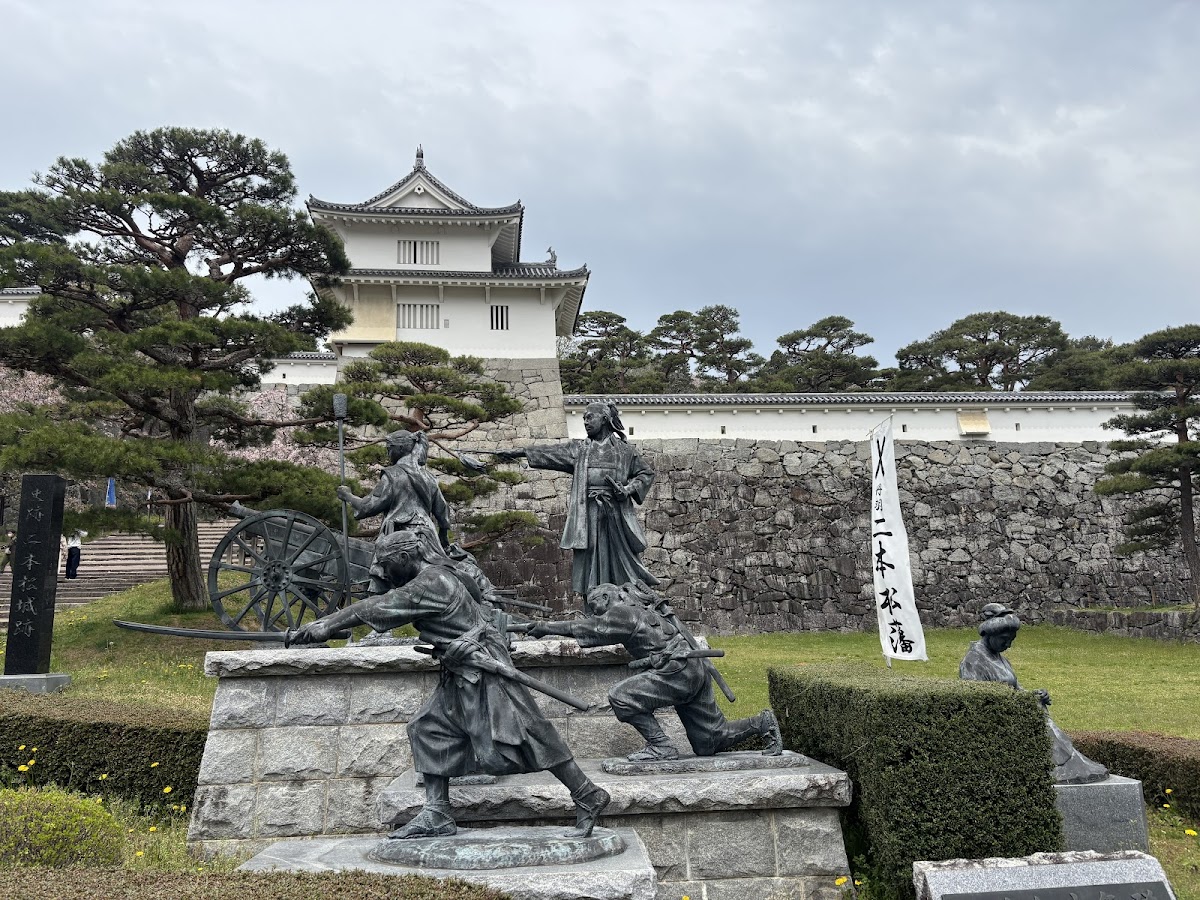
Nihonmatsu Castle, a representative castle of Nihonmatsu City, is located relatively close to Shihonmatsu Castle. It is a famous castle selected as one of Japan’s Top 100 Castles, and you can see magnificent remains that were developed as a modern castle.
Nihonmatsu Castle was built on the summit of Shirahata-ga-mine Mountain at an altitude of 345 meters and is a nationally designated historical site. While Shihonmatsu Castle is a representative example of a medieval mountain castle, Nihonmatsu Castle is a typical example of a modern castle, and comparing the two allows you to learn about the history of castle development.
Other Surrounding Castles
Numerous medieval castles are scattered around Nihonmatsu City, making it an ideal route for castle touring. Reflecting the complex power dynamics of the Shiomatsu region, numerous small forts and manor ruins remain.
Access Information
Location
Address: Tateyama, Shibukawa, Nihonmatsu City, Fukushima Prefecture; Furudate, Kamichoori
Access by Public Transportation
Access to Nihonmatsu Castle by public transportation is limited, so some planning is necessary for a visit.
Nearest Station: JR Tohoku Main Line, Nihonmatsu Station
From Nihonmatsu Station, you will need to use a local bus or taxi. The path to the castle ruins includes mountain trails, so comfortable clothing and shoes are recommended.
Access by Car
Tohoku Expressway:
- Approximately 15 minutes from Nihonmatsu IC
Parking space is limited, so it is recommended to check in advance. The road to the castle entrance has some narrow sections, so driving requires caution.
Points to Note When Visiting the Castle
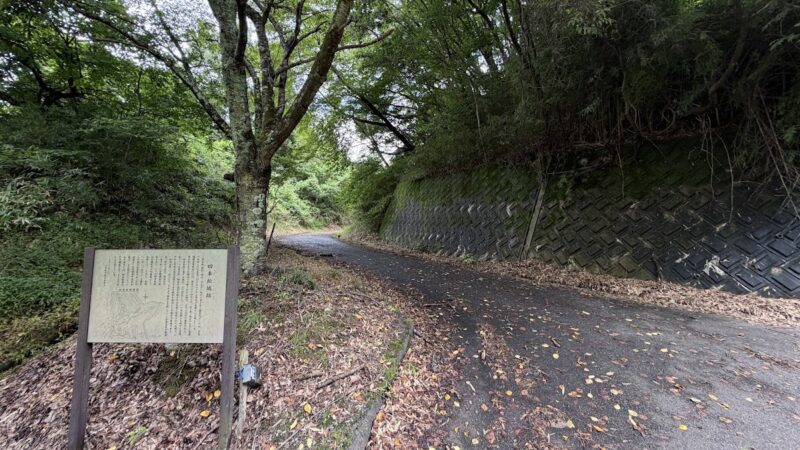
- Estimated Time Required: Approximately 20-30 minutes on foot from the entrance to the main enclosure
- Difficulty Level: Intermediate (including mountain trails)
- Attire: Comfortable clothing and trekking shoes recommended
- Items to Bring: Drinking water, insect repellent (summer)
- Best Season: Spring to Autumn (snow may be present in winter)
As this is a mountain castle, some areas may have unstable footing. It becomes especially slippery after rain, so it is recommended to check the weather before visiting.
Visitor Guide and Points to Note
Estimated Visiting Time
For a visit to Shihonmatsu Castle, it is advisable to allow approximately 1 hour 30 minutes to 2 hours, including the time spent ascending and descending. If you wish to carefully observe the remains, it is recommended to allocate more time.
Photo Spots
- View from the Main Enclosure: Views of Nihonmatsu city and surrounding mountains
- Moat: A typical defensive structure of a medieval mountain castle
- Earthwork: A well-preserved cross-section of the earthwork
- Enclosure Layout: An overall view of the castle’s layout, utilizing the terrain
Combining with Nearby Sightseeing
In addition to visiting Shihonmatsu Castle, we recommend visiting the following tourist spots:
- Nihonmatsu Castle (Kasumiga Castle): One of Japan’s 100 Famous Castles, a famous cherry blossom viewing spot
- Adachigahara Furusato Village: A local historical and cultural facility
- Dake Onsen: A hot spring resort at the foot of Mt. Adatara
Famous Castles of Fukushima Prefecture
When visiting Shihonmatsu Castle, visiting other famous castles in Fukushima Prefecture will allow you to gain a deeper understanding of the region’s history.
Japan’s Top 100 Castles
- Aizu-Wakamatsu Castle: The residence of the Aizu Domain, the stage of the Boshin War at the end of the Edo period
- Shirakawa-Komine Castle: One of the three most famous castles in Tohoku
- Nihonmatsu Castle: The residence of the Nihonmatsu Domain, the stage of a tragedy at the end of the Edo period
Continued Top 100 Castles of Japan
- Miharu Castle: The residence of the Tamura clan
- Mukaihaguroyama Castle: One of the largest mountain castles in Tohoku
Historical Significance of Shihonmatsu Castle
Importance in Regional History
Shihonmatsu Castle was the political and military center of the Shiomatsu region during the medieval period. As the base of the Ishibashi clan, a local lord, it is an important historical site that shows the reality of regional rule.
In medieval local society, local lords built their own systems of rule, and Shihonmatsu Castle conveys a concrete example of this to the present day. This site is a valuable historical document for understanding how regional powers maintained their influence in the Tohoku region, where the central government’s influence was less pronounced.
Value in Castle Research
The remains of Shihonmatsu Castle are an important example for studying the structure of medieval mountain castles. It provides insights into the castle-building techniques of the time, such as the layout that made maximum use of the terrain and the placement of practical defensive facilities.
Although it lacks the stone walls and keeps of early modern castles, it is highly valued academically as a site demonstrating the high level of earth-based castle-building techniques and excellent topographical interpretation.
Relationship between Shihonmatsu Castle and the Ishibashi Clan
Genealogy of the Ishibashi Clan
The Ishibashi clan maintained their power from the Muromachi period to the Sengoku period as local lords who ruled the Shiomatsu region. They established a wide-area control system by using Shihonmatsu Castle as their base and placing branch castles around it.
Control Structure of the Shiomatsu Region
The Ishibashi clan positioned multiple branch castles and residences around Shihonmatsu Castle. This network of castles and fortresses made it possible to efficiently control a wide area. It is believed that surrounding castles such as Miyamori Castle were also part of this network.
Summary
Shihonmatsu Castle (Nihonmatsu City, Fukushima Prefecture) is a mountain castle of significant historical value, having been the residence of the Ishibashi clan, the most powerful force in the Shiomatsu region during the medieval period. Built on a mountaintop 316 meters above sea level, the castle features a defensive system that skillfully utilizes the natural terrain, preserving typical characteristics of medieval mountain castles.
Also known as “Shiomatsu Castle” and “Furudate,” this castle has remained largely untouched by development, resulting in excellent preservation of its remains. Moats, earthworks, and baileys are clearly visible. For castle enthusiasts and history buffs, it is a valuable spot to experience the realities of medieval regional governance.
In addition to Shihonmatsu Castle, Nihonmatsu City boasts numerous other castles, including Nihonmatsu Castle (one of Japan’s Top 100 Castles) and Miyamori Castle. Visiting these sites together will allow you to gain a deeper understanding of the development of castles from the medieval to the early modern period, as well as the changes in the region’s history.
Fukushima Prefecture boasts many famous castles, such as Aizu-Wakamatsu Castle and Shirakawa-Komine Castle, making it an ideal destination for castle tours. Why not start your exploration of Fukushima Prefecture’s rich castle culture with a visit to Shihonmatsu Castle?