Complete Guide to Sukagawa Castle (Fukushima Prefecture) | A Thorough Explanation from the Nikaido Clan’s Residence to the Conquest by Date Masamune
What is Sukagawa Castle?
Sukagawa Castle was a flatland castle located in the center of Sukagawa City, Fukushima Prefecture. Built on a plateau approximately 20 meters high overlooking the flood plain of the Shakado River (Iwase River), it was an important fortress serving as a transportation hub where the Higashiyama Road, Iwaki Road, and Aizu Road intersected, and a base for controlling Iwase County.
It is believed to have been built in 1399 by Nikaido Yukitsugu and functioned as the residence of successive generations of the Nikaido clan for approximately 200 years. It fell in 1589 after being attacked by Date Masamune. Afterward, the castle changed hands between the Date, Uesugi, and Gamo clans, but was abandoned around 1627.
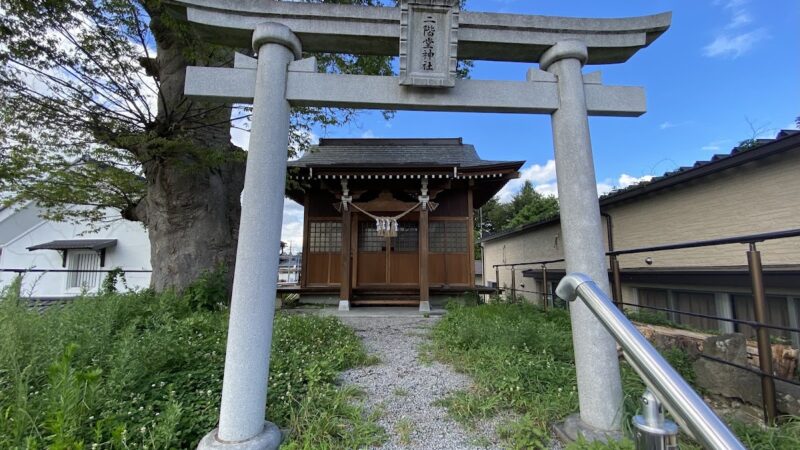
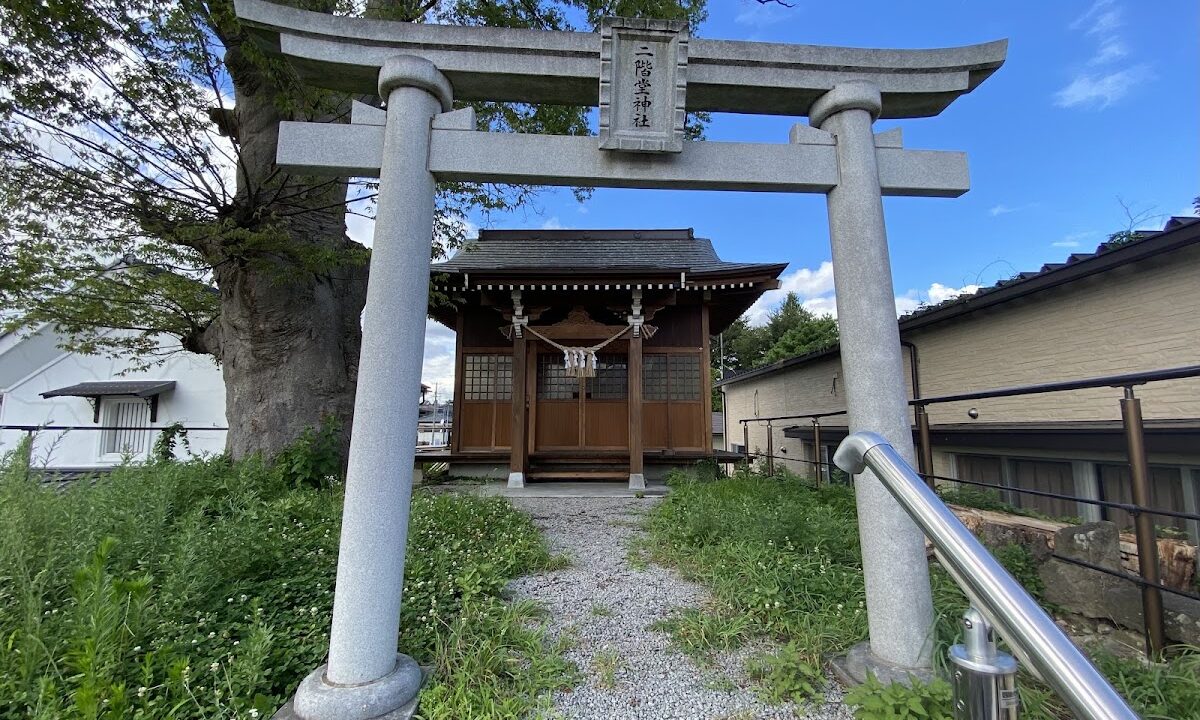
Currently, most of the castle ruins have disappeared due to urbanization, but the Nikaido Shrine stands on the site of the main keep, and remnants of earthworks and dry moats remain.
History of Sukagawa Castle
Construction and Development by the Nikaido Clan
Sukagawa Castle is believed to have been built in 1399 (Oei 6) by Nikaido Yukitsugu. The Nikaido clan was a family that had been based in Iwase District, Mutsu Province since the Kamakura period, and established their regional control with Sukagawa Castle as their residence.
The Nikaido clan ruled this area for generations, and during the Sengoku period, they maintained their power while maintaining relationships with powerful daimyo in the surrounding area. Their relationships with the Ashina and Soma clans of Aizu were particularly important, and they engaged in complex diplomacy, sometimes forming alliances and sometimes clashing with them.
The Conquest by Date Masamune in 1589
The most dramatic turning point in the history of Sukagawa Castle was the attack by Date Masamune in 1589.
That year, Masamune defeated the Ashina clan of Aizu in the Battle of Suriagehara, and riding that momentum, he launched an attack on Sukagawa Castle. Masamune established his headquarters on Jinbayama (near the present-day Kiriyo High School) on the north bank of the Shakado River and besieged Sukagawa Castle.
The then-lord of Sukagawa Castle, Nikaido Moriyoshi, had already died, and the castle was defended by Moriyoshi’s widow, Daijoin. Interestingly, this female lord was Date Masamune’s aunt. Daijoin, along with approximately 600 reinforcements dispatched from the Suda and Satake clans, faced the Date forces, but Sukagawa Castle fell due to the overwhelming difference in troop numbers.
After the castle fell, Masamune appointed Ishikawa Akimitsu, a member of his family, as its lord, and Sukagawa Castle came under the control of the Date clan.
Changes under the Toyotomi Regime
In 1590, Toyotomi Hideyoshi’s siege of Odawara and the pacification of Oshu drastically altered the power dynamics of the Tohoku region. Date Masamune had most of his territory, including Aizu, confiscated, and Sukagawa Castle also fell from his control.
Gamo Ujisato was appointed to Aizu, and Sukagawa Castle came under his control. Gamo Ujisato ruled southern Tohoku from his base at Aizu-Wakamatsu Castle (Tsuruga Castle), and Gamo Satoari and others were appointed as lords of Sukagawa Castle.
In 1598, when the Gamo clan was transferred to Utsunomiya, Uesugi Kagekatsu became the daimyo of Aizu with a domain of 1.2 million koku, and Sukagawa Castle came under the control of the Uesugi clan.
Edo Period and Castle Abandonment
After the Battle of Sekigahara, the Uesugi clan’s domain was reduced to 300,000 koku in Yonezawa, and Gamo Hideyuki was once again appointed to Aizu. In 1627, when the Gamo clan was dispossessed of their domain, Kato Yoshiaki took control of Aizu, and it is believed that Sukagawa Castle was abandoned around this time.
After the castle’s abandonment, the area of Sukagawa came under the control of the Aizu domain, and the Nikaido Shrine was built on the site of the main keep. Although it lost its function as a castle, Sukagawa continued to develop as an important town and a key transportation hub.
Structure of Sukagawa Castle
Layout and Arrangement
Sukagawa Castle was a flatland castle built on a plateau south of the Shakado River, with the current city center of Sukagawa corresponding to the castle grounds. The basic structure of the castle was a layout with the main keep (Honmaru) at the center, the second bailey (Ninmaru) to the east, and the third bailey (Sanmaru) to the north.
The castle cleverly utilized the topography of the plateau, employing a height difference of approximately 20 meters for defensive purposes. Located overlooking the floodplain of the Shakado River, the natural terrain served as a natural moat.
Main Keep (Honmaru)
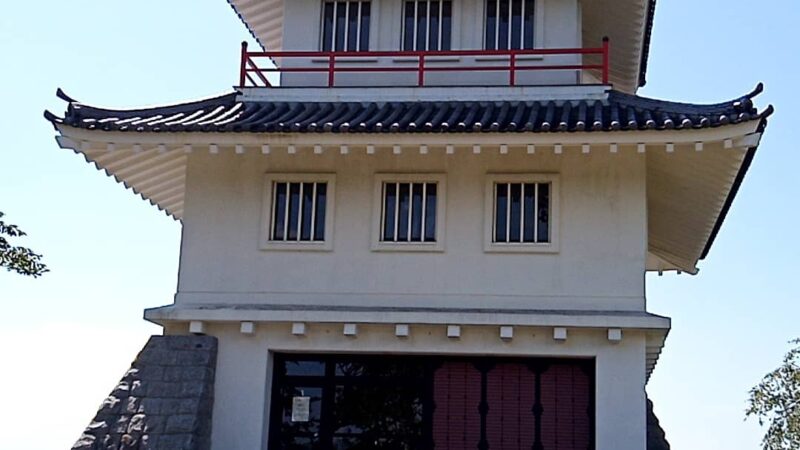
The main keep (Honmaru) is located where the current Nikaido Shrine stands. This was the core of the castle, housing the lord’s residence and major defensive facilities. The turret base on which the shrine now stands remains as a historical relic, conveying the height and scale of the main keep.
Earthworks surrounded the main keep, and parts of them can still be seen today. ### Second and Third Baileys
The Second Bailey was located east of the main bailey and is believed to have housed the residences of retainers and warehouses. The Third Bailey was located north of the main bailey and formed an even outer defensive line.
Due to urbanization, most of the remains of these baileys have disappeared, but their layout and size have been revealed through old maps and archaeological excavations.
Earthworks and Dry Moats
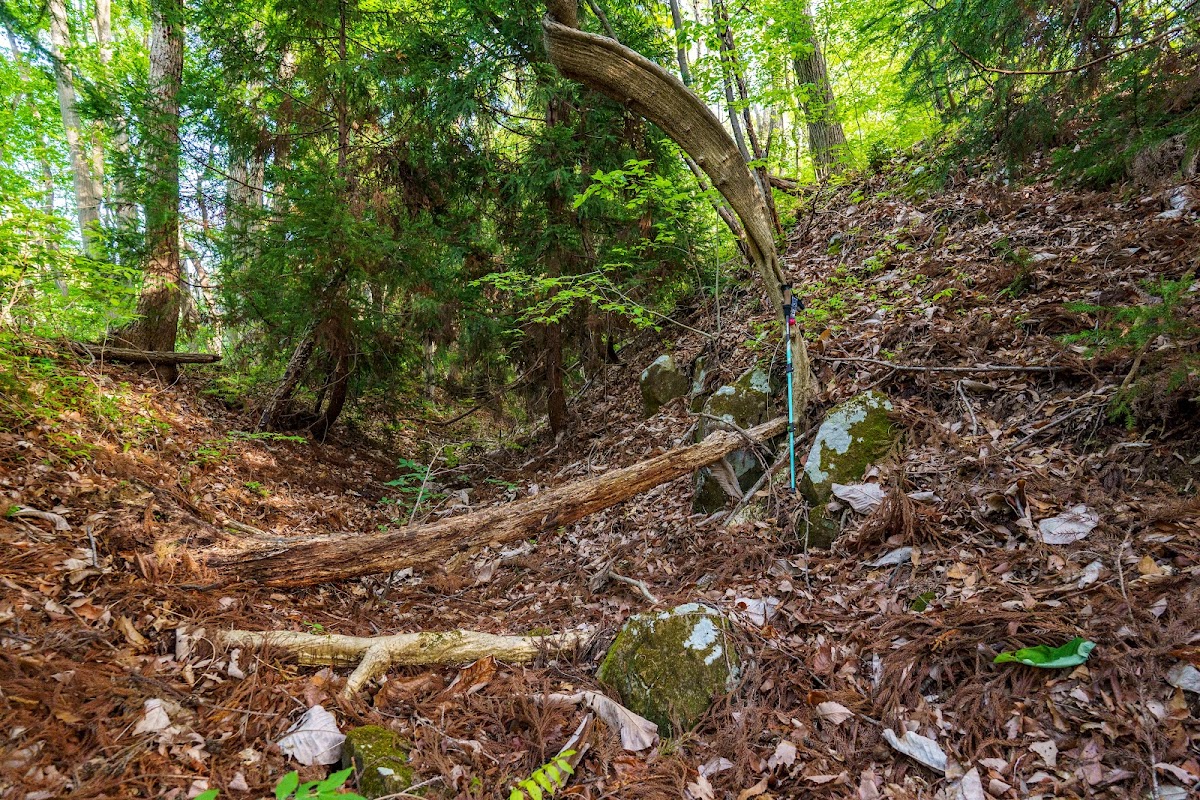
Earthworks and dry moats played an important role as defensive structures of Sukagawa Castle. Currently, parts of the earthworks and dry moats remain in good condition within the western grounds of Choshoin Temple.
These remains are valuable resources for understanding Sukagawa Castle’s defensive system, and the height of the earthworks and the depth of the moats provide insight into the castle’s defensive capabilities.
Structure of the Castle Town
A castle town developed around Sukagawa Castle. Taking advantage of its location at a transportation hub where the Higashiyama Road, Iwaki Road, and Aizu Road intersected, commerce flourished.
The castle town was divided into samurai residences, merchant districts, and temple/shrine areas, and was systematically laid out. The basic road layout of present-day Sukagawa city still reflects this era.
Highlights of Sukagawa Castle
Nikaido Shrine (Main Keep Site)
The biggest highlight when visiting Sukagawa Castle is Nikaido Shrine, located on the site of the main keep. The elevated area on which the shrine stands was once a watchtower base, offering panoramic views of Sukagawa town.
Nikaido Shrine was founded to enshrine the Nikaido clan, the lords of Sukagawa Castle, and is cherished by the local people. From the shrine grounds, you can feel the atmosphere of the castle ruins, and truly appreciate that this was once the heart of the castle.
Climbing the stone steps to the shrine, you can experience the elevation difference of the plateau and understand how this terrain was utilized for the castle’s defenses.
Earthworks and Dry Moat of Choshoin Temple
Located a short walk southwest from Nikaido Shrine, Choshoin Temple preserves the remains of the earthworks and dry moat of Sukagawa Castle. These are extremely valuable as some of the few remaining structures of Sukagawa Castle.
The earthworks visible within the western grounds of Choshoin Temple are several meters high, and traces of the dry moat can be seen below. It is miraculous that such remains have survived amidst urbanization.
Standing atop the earthworks, one can truly appreciate its function as a defensive structure and imagine the appearance of a castle from the Sengoku period.
Jinbayama (Site of Date Masamune’s Headquarters)
Jinbayama (near the current Kiriyo High School), located north of Sukagawa Castle across the Shakado River, is the site where Date Masamune established his headquarters in 1589.
Viewing Sukagawa Castle from here allows you to understand Masamune’s perspective when he attempted to capture the castle. This is a valuable point where you can feel the tension between the two armies facing each other across the natural obstacle of the Shakado River.
Traces of the Castle Remaining in the City
Walking through the city of Sukagawa, you can find remnants of its castle town era everywhere. The curvature of the roads and the placement of temples and shrines demonstrate the planning of a castle town, which remains as the framework of the city.
In particular, the topography around the main keep, with roads laid out along the edge of the plateau, provides clues to imagining the former castle grounds.
Access to Sukagawa Castle
Access by Train
The nearest station to the Sukagawa Castle ruins is Sukagawa Station on the JR Tohoku Main Line.
- From JR Tohoku Main Line “Sukagawa Station”: Approximately 15 minutes on foot
- Head northwest from the station, towards the center of Sukagawa City
- It’s easiest to walk with Nikaido Shrine as your destination.
Access by Car
The following routes are convenient if you are visiting by car:
- From Tohoku Expressway “Sukagawa IC”: Approximately 10 minutes
- From Tohoku Expressway “Koriyama IC”: Approximately 25 minutes
Nikaido Shrine has parking spaces for visitors, but the number of spaces is limited, so please consider using public transportation. There are also paid parking lots in the city center.
Nearby Tourist Facilities
When visiting Sukagawa Castle Ruins, we recommend also visiting the following nearby facilities.
- Sukagawa City Museum: A facility where you can learn about the history and culture of Sukagawa.
- Eiji Tsuburaya Museum: Established in the birthplace of Eiji Tsuburaya, the “God of Special Effects.”
- Peony Garden: Sukagawa is also known as a famous spot for peonies.
Location and Basic Information
Location: Honmachi, Sukagawa City, Fukushima Prefecture (Nikaido Shrine)
Castle Structure: Hilltop Castle
Builder: Nikaido Yukitsugu
Year of Construction: 1399 (Oei 6)
Main Lords: Nikaido clan, Ishikawa Akimitsu, Gamo Satoshige
Year of Abandonment: Around 1627 (Kanei 4)
Remains: Earthworks, dry moats, watchtower bases
Designated Cultural Property: None (Mostly destroyed due to urbanization)
Visiting Hours: Free (Nikaido Shrine visit hours should be considered)
Admission Fee: Free
Sukagawa Castle and Surrounding Castle Network
Sukagawa Castle did not exist in isolation; it formed a regional defense network in cooperation with surrounding castles.
The Nikaido Clan’s Branch Castles
The Nikaido clan used Sukagawa Castle as their main base and positioned several branch castles around it. These branch castles formed a defensive line for Sukagawa Castle and also functioned as centers for governing their territory.
Moriyama Castle, Ono Castle, and others were under the control of the Nikaido clan, forming a interconnected network of castles.
Relationship with the Aizu Region
Sukagawa Castle was located along the Aizu Highway and had close ties with Aizu-Wakamatsu Castle (Tsuruga Castle). During the Ashina clan’s era, they were allies, and during the Gamo and Uesugi clans, it functioned as a branch castle of the Aizu Domain.
From Aizu’s perspective, Sukagawa Castle occupied an important position as a defensive base on the east side.
A Strategic Point on the Sendo Road
Sukagawa Castle was an important point on the Sendo Road (Tosan-do), controlling the transportation route connecting Shirakawa to the south and Nihonmatsu/Fukushima to the north. This geographical advantage is one of the reasons why Sukagawa Castle was considered important for a long period of time.
Cultural Aspects of Sukagawa Castle
The Nikaido Clan and Cultural Promotion
The Nikaido clan was known not only as a samurai family but also as patrons of culture. Many temples and shrines were built in the town of Sukagawa, and cultural activities flourished.
In particular, temples such as Choshoin served as the Nikaido clan’s family temple and as a center of culture.
Sukagawa as a Holy Site of Haikai
During the Edo period, Sukagawa became known as a holy site of haiku. It is well known that Matsuo Basho visited Sukagawa during his journey on “Oku no Hosomichi” (The Narrow Road to the Deep North) and interacted with the haiku poet Sagara Tomi.
Basho stayed in Sukagawa for several days and composed the haiku, “The beginning of elegance, the rice-planting song of Oku.” The cultural foundation of Sukagawa, which developed as a castle town, made such cultural exchange possible.
Excavation and Research of Sukagawa Castle
Multiple archaeological excavations have been conducted at the Sukagawa Castle site in conjunction with urban redevelopment.
Results of the Excavation
The following results have been obtained from the excavations:
- Confirmation of the layout of the main keep, second bailey, and third bailey
- Clarification of the structure of earthworks and moats
- Clarification of daily life based on excavated artifacts such as ceramics and weapons
- Understanding the extent and structure of the castle town
These research results are exhibited at the Sukagawa City Museum and other locations, and are open to citizens and researchers.
Future Preservation and Utilization
As urbanization progresses, the preservation and utilization of the Sukagawa Castle site has become an important issue. Efforts are underway to protect the remaining remains, as well as to preserve records and install explanatory signs for lost remains, so that they can be passed on to future generations as historical heritage.
In Sukagawa City, efforts are being made to promote tourism and local education utilizing historical resources, including the castle ruins. The Sukagawa Castle ruins are being re-evaluated as a core element of the region’s historical identity.
Points to Note When Visiting Sukagawa Castle
Recommended Sightseeing Route
The following route is recommended for efficiently visiting the Sukagawa Castle ruins:
- Begin your visit at Nikaido Shrine to get a feel for the atmosphere of the main keep site.
- Move to Choshoin Temple to examine the remains of the earthworks and dry moats.
- Walk through the city streets, searching for remnants of the castle town.
- If possible, view the Sukagawa Castle ruins from the Jinbayama area (near Kiriyo High School).
- Learn more about the history of Sukagawa Castle at the Sukagawa City Museum.
Estimated Visiting Time
If you only want to see the main remains, about 30 minutes is sufficient. If you want to explore the castle town thoroughly, allow 1.5 to 2 hours. Including a visit to the museum, a half-day is ideal.
Recommended Photo Spots
- The watchtower base viewed from the stone steps of Nikaido Shrine
- The city of Sukagawa viewed from the shrine grounds
- The earthworks and dry moat of Choshoin Temple
- A distant view of the Sukagawa Castle ruins from the direction of Jinbayama Mountain
Best Season for Visiting
While the Sukagawa Castle ruins can be visited year-round, the following seasons are particularly recommended:
- Spring (April-May): The season for peonies, which can be enjoyed along with Sukagawa’s local specialties.
- Autumn (October-November): The autumn foliage is beautiful, and the weather is perfect for strolling around the castle ruins.
- Winter: You can reflect on the battles that took place there amidst the snowy landscape.
Summary
Sukagawa Castle was a castle that played an important role as the center of Iwase District in Mutsu Province for approximately 230 years, from its construction in 1399 (Oei 6) until its abandonment around 1627 (Kanei 4).
It flourished as the residence of successive generations of the Nikaido clan, experienced a dramatic history with its conquest by Date Masamune in 1589 (Tensho 17), and subsequently came under the rule of the Gamo and Uesugi clans under the Toyotomi regime. Although it was abandoned in the early Edo period, it laid the foundation for the history of Sukagawa, which developed as a castle town.
Although much of the castle’s remains have been lost due to urbanization, valuable remnants such as the watchtower base of Nikaido Shrine and the earthworks and dry moats of Choshoin Temple still remain. By observing these remains and the surrounding topography, one can imagine the former appearance of the castle.
The history of Sukagawa Castle, located at a strategic transportation hub, is an important case study for understanding the transition period from the Sengoku period to the early modern period in the Tohoku region. When visiting Fukushima Prefecture, be sure to visit the Sukagawa Castle ruins and experience its history and culture.