
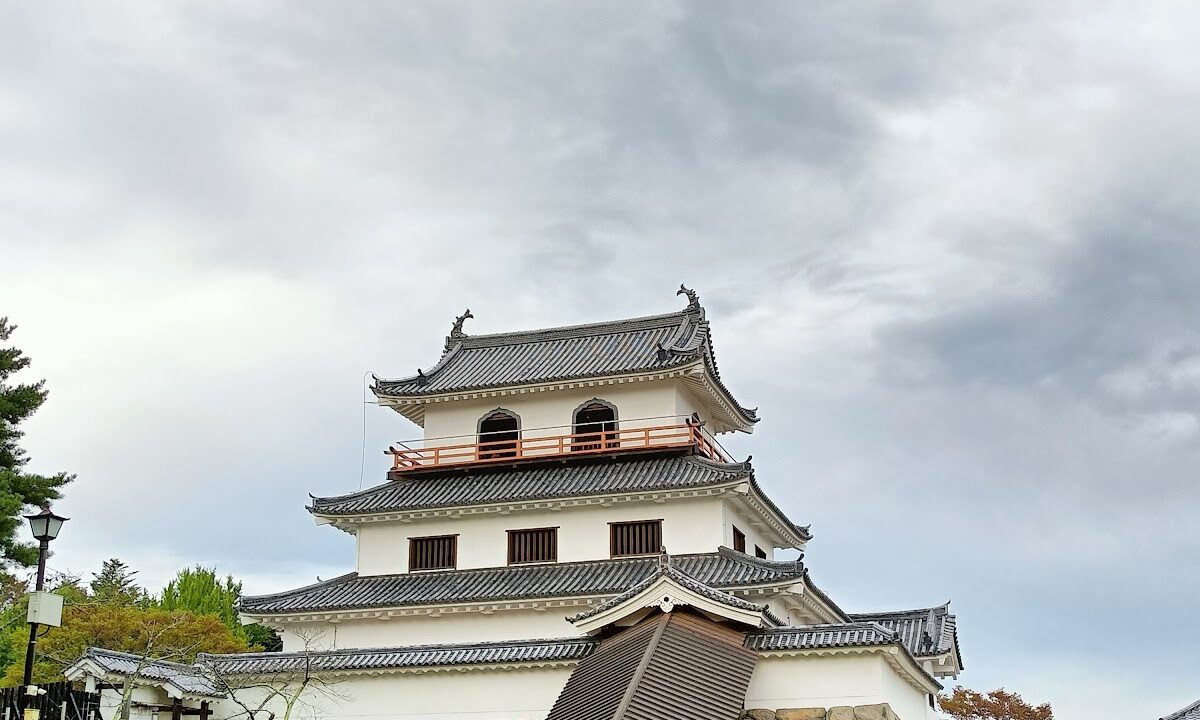
Shiraiwa Castle (Yamagata Prefecture) Complete Guide: The Mountain Castle of the Sagae Oe Clan and its Sengoku Period History
Overview
Shiraiwa Castle was a Japanese castle located in Shiraiwa, Sagae Manor, Murayama District, Dewa Province (present-day Shiraiwa, Sagae City, Yamagata Prefecture). Situated on a hill at an altitude of 150 to 220 meters at the southern end of the Hayama foothills, the castle grounds were a rectangular area approximately 600 meters east-west and 450 meters north-south, featuring five defensive fortifications.
Built at a geographically strategic point at the opening of the Sagae River alluvial fan, Shiraiwa Castle functioned as a strategic base controlling the Rokujurigoe Road. This road was an important transportation route connecting the Shonai region with the inland areas, and the ruler of Shiraiwa Castle wielded significant economic and military power.
During the Sengoku period, the Shiraiwa Oe clan, a branch of the Sagae Oe clan, served as the castle lords, and it became the stage for fierce battles against Mogami Yoshiaki. Until its fall in 1584 during the invasion of the Mogami clan, it played an important role as the political center of this region.
History and Background
Prehistory: The Oe Clan’s Expansion into Dewa Province
To understand the history of Shiraiwa Castle, it is necessary to first understand the circumstances of the Oe clan’s expansion into Dewa Province. The Oe clan was a prestigious family that had existed since the Heian period, and their relationship with this region began in the Kamakura period when Shiba Kaneyori entered Dewa Province.
The ancestors of the Sagae Oe clan are said to be descendants of Oe Hiromoto, and they established their power as the jitō (land steward) of Sagae Manor from the late Kamakura period to the Nanboku-chō period. The Sagae Oe clan strengthened their control over their territory by building several branch castles around their main base, Sagae Castle.
Establishment of the Shiraiwa Oe Clan
The first lord of Shiraiwa Castle is said to be Masahiro, the son of Mizunobu Shigenobu. Masahiro was adopted into the Oe clan and took the name Shiraiwa, and built a castle in this area. The Shiraiwa clan, as a branch of the Sagae Oe clan, were entrusted with the defense of the Sagae River basin and the management of the Rokujurigoe Road.
Shiraiwa Castle was not a standalone fortress, but rather developed as part of the Shiraiwa Castle complex, with Inariyama Castle at its core. This complex consisted of the following main fortresses:
- Shiraiwa Inariyama Fortress: The core fortress located at an altitude of approximately 200 meters
- Shiraiwa Hachiman Fortress: The main enclosure built around the Hachiman Shrine
- Shiraiwa Kamitateyama: A defensive base overlooking the Sagae River basin
- Shiraiwa Shintate: A mountain castle at an altitude of 226 meters
These fortresses worked together to form a wide-ranging defensive network.
Shiraiwa Castle in the Sengoku Period
As the Sengoku period began, the Mogami clan gradually expanded its power in Dewa Province. Mogami Yoshiaki, based at Yamagata Castle, aimed to unify the Murayama region, leading to increasing tensions with the Sagae-Oe clan.
Initially, the Sagae-Oe and Mogami clans were allies, but Mogami Yoshiaki’s ambitious expansionist policies worsened relations. Shiraiwa Castle, a branch castle of the Sagae-Oe clan, became an important defensive stronghold preventing the Mogami clan’s southward expansion.
Fall of Shiraiwa Castle in 1584
In 1584, Mogami Yoshiaki launched a full-scale attack on the Sagae-Oe clan. This attack targeted not only Sagae Castle, the Sagae-Oe clan’s base, but also a group of branch castles, including Shiraiwa Castle.
Mogami Yoshiaki’s forces, with overwhelming numbers, besieged Shiraiwa Castle, and a fierce battle ensued. However, after Sagae Castle, the Sagae-Oe clan’s base, fell, Shiraiwa Castle also came under their control. This battle led to the downfall of the Shiraiwa Oe clan, and Shiraiwa Castle came under the control of the Mogami clan.
Control by the Mogami Clan
After the fall of Shiraiwa Castle, Mogami Yoshiaki stationed his younger brother, Matsune Bizen, in the area. Matsune Bizen was granted 12,000 koku and entrusted with the governance of the Shiraiwa region. Under Mogami control, Shiraiwa Castle continued to function as a strategic base controlling the Rokujurigoe Road.
During the Keicho Dewa Campaign (1600), fierce battles were fought between the Mogami and Uesugi clans, and Shiraiwa Castle is believed to have played an important role in this conflict.
After the Edo Period
In 1622, the Mogami clan was dispossessed of their domain, and the Shiraiwa region became a direct territory of the shogunate before coming under the control of the Torii clan and others. During the Edo period, the castle lost its military function and gradually fell into disuse.
Since the Meiji era, a Hachiman Shrine has been built on the castle site, becoming a center of local faith. Currently, a monument to the war dead and a stone monument inscribed with “Sincerity and Unwavering Commitment” stand there, serving as a place that conveys the history of the region.
Structure and Layout
Overall Structure
Shiraiwa Castle was a typical mountain castle, possessing a defensive structure that skillfully utilized the natural terrain. The castle grounds extended over a vast area of approximately 600 meters east-west and 450 meters north-south, with multiple fortifications working together to form a defensive network.
Inariyama Castle, the core of the castle, was located at an altitude of approximately 200 meters, offering a view of the Sagae River and the surrounding plains. This geographical advantage allowed for early detection of enemy movements and the establishment of appropriate defensive positions.
Main Enclosure (Shiraiwa Hachiman Shield)
The Shiraiwa Hachiman Shield, located north of the current Shiraiwa Park entrance, functioned as the main enclosure. Access is possible from beside the Hachiman Shrine, and the remains of the main enclosure and watchtower base are still visible.
The main enclosure was surrounded by earthen ramparts, enhancing its defensive capabilities. The watchtower base offered a wide view of the surrounding terrain, suggesting it served as a lookout and command post.
Dry Moats and Vertical Moats
A dry moat (vertical moat) still exists on the southwest side of the main enclosure, providing a glimpse into the defensive structures of the time. Vertical moats, dug along the slope, prevented attacks from the enemy’s flanks and also functioned as rainwater drainage channels.
The moats of Shiraiwa Castle effectively formed a defensive line by utilizing the natural terrain while also incorporating artificial excavation. Particularly on steep slopes, multiple vertical moats were arranged in parallel, demonstrating a strategy to significantly hinder enemy advances.
Shiraiwa Kamitateyama
Shiraiwa Kamitateyama is located overlooking the Sagae River and served to monitor the Rokujurigoe Road that runs along its southern base. This fort likely functioned as a subsidiary castle complementing the defenses of Inariyama Castle, and is thought to have also managed the movement of people and goods along the road.
Shiraiwa Shintate
Located at an altitude of 226 meters, Shiraiwa Shintate is the highest point among the castle complex, allowing for wide-area surveillance. Remains such as earthworks, baileys, and moats exist, exhibiting a typical structure of a mountain castle from the Sengoku period.
The name “Shintate” (New Shield) suggests it may have been added relatively later, and it is presumed to have been built to strengthen defenses amidst rising tensions with the Mogami clan.
Location and Access
Location
Shiraiwa Castle Ruins are located around 1862 Shiraiwa, Sagae City, Yamagata Prefecture. The entrance to Shiraiwa Park is easy to find, using Hachiman Shrine as a landmark; it’s located next to the shrine.
The current city of Sagae was formed by the merger of several towns and villages in Nishimurayama District, including the former Shiraiwa Town. The Shiraiwa area is located in the northern half of Sagae City, on the left bank of the Sagae River, and is a region rich in nature and historical heritage.
Access Methods
Access by Car:
- Approximately 10 minutes from the Sagae IC on the Yamagata Expressway
- Accessible via National Route 112 and a prefectural road
- Parking available around Hachiman Shrine
Access by Public Transportation:
- Approximately 15 minutes by taxi from Sagae Station on the JR Aterazawa Line
- Access by car is recommended due to the limited number of bus services.
Local Information
The Shiraiwa Castle ruins are currently maintained as Shiraiwa Park and are open for strolling. A monument to the war dead and a stone monument inscribed with “Shisei Ikkan” (unwavering sincerity) are erected in the main enclosure, allowing visitors to reflect on the region’s history. Since the ruins are preserved in a natural setting, please note the following when visiting:
- Wear comfortable shoes and clothing.
- As it is a mountain castle, there are areas with uneven footing.
- Insect repellent is recommended during the summer.
- Snowfall may make walking difficult during the winter.
Strategic Importance of the Rokujurigoe Road and Shiraiwa Castle
What is the Rokujurigoe Road?
The Rokujurigoe Road was an important transportation route connecting the inland areas of Dewa Province with the Shonai region. The name “Rokujurigoe” indicates its length, and it was known as a difficult route crossing steep mountain paths.
This road was important not only as a route for transporting goods but also as a military movement route. The movement of troops from the Shonai region to the inland areas, or vice versa, had no choice but to pass through this road.
Strategic Location of Shiraiwa Castle
Shiraiwa Castle was strategically located at a crucial point in two ways: at the entrance to the Rokujurigoe Road and the Sagae River alluvial fan.
The Sagae River alluvial fan was an economically prosperous region with fertile farmland, and controlling its entrance meant controlling the entire area. Furthermore, controlling the Rokujurigoe Road allowed for control of trade with the Shonai region, generating economic benefits.
Militarily, this location allowed for monitoring enemy incursions towards the Shonai region and defending as needed. The Mogami clan’s emphasis on Shiraiwa Castle stemmed from their recognition of this strategic value.
Successive Lords and Related Figures
Successive Lords of the Shiraiwa Oe Clan
Regarding the successive lords of Shiraiwa Castle, the Shiraiwa Oe clan, many details remain unclear due to limited historical records. However, the following lineage is known:
First Lord: Oe Masahiro
Born as the son of Mizunobu Shigenobu, he was adopted into the Oe clan and took the name Shiraiwa. He built Shiraiwa Castle and established the base of control for this region.
Successive Lords
After Masahiro, the Shiraiwa clan served as lords for several generations, but details of their individual achievements are unclear due to a lack of historical records.
Rulers During the Mogami Clan Era
Matsune Bizen
After the fall of Shiraiwa Castle in 1584, Matsune Bizen, the younger brother of Mogami Yoshiaki, was granted 12,000 koku and entrusted with the governance of the Shiraiwa region. Matsune Bizen served as a senior retainer of the Mogami clan and worked to stabilize the region.
Related Important Figures
Mogami Yoshiaki
As lord of Yamagata Castle, he aimed to unify southern Dewa Province and conquered the territory of the Sagae-Oe clan, including Shiraiwa Castle. He is a representative daimyo of Dewa Province during the Sengoku period.
Shiba Kaneyori
He entered Dewa Province during the Kamakura period and laid the foundation for the samurai power in the region. He had close ties with the Oe clan and is an important figure in the history of Dewa Province.
Current Shiraiwa Castle Ruins
Preservation Status and Remains
The Shiraiwa Castle ruins are currently known as Shiraiwa Park and are popular with local residents. The following remains are preserved, mainly around the main enclosure:
Earthworks: A portion of the earthworks surrounding the main enclosure still exists, demonstrating the defensive structure of the time.
Dry Moats and Vertical Moats: Dry moats and vertical moats remain, mainly on the southwest side, providing valuable information for understanding the defensive system of the mountain castle.
Enclosures: The remains of multiple enclosures can be seen, indicating the large scale of the castle.
Watchtower Base: The watchtower base of the main enclosure remains, indicating the location of the watchtower at the time.
Memorials and Stone Monuments
The following memorials have been erected at the castle site:
Monument to the Loyal Souls: A monument commemorating those who died in battle, conveying the memory of the war along with the history of the region.
“Unwavering Sincerity” Stone Monument: A stone monument that represents the spirit of the region, expressing the determination of the people of Shiraiwa.
Hachiman Shrine
The Hachiman Shrine has been built at the Shiraiwa Castle site and is the center of local faith. Hachiman is revered as a god of war, and the construction of the shrine at the castle site symbolizes the history of the samurai in this area.
The shrine’s festival is an important local event and also plays a role in passing on the history of Shiraiwa Castle to future generations.
Shiraiwa Castle and Castles of Yamagata Prefecture
Characteristics of Castles in Yamagata Prefecture
Yamagata Prefecture has numerous castle ruins. Many of these are mountain castles, built amidst the fierce battles of the Sengoku period. Shiraiwa Castle is a typical example, possessing the following characteristics:
- Defensive structure utilizing natural terrain
- Coordinated defense using multiple shields
- Strategic placement controlling roads and rivers
- Defensive facilities centered on earthworks and moats
Related Castles
Sagae Castle
The main castle of the Sagae Ooe clan, which served as the base for Shiraiwa Castle. It formed a defensive system for the entire Sagae estate through cooperation with Shiraiwa Castle.
Yamagata Castle
The base of the Mogami clan, and the largest castle in southern Dewa Province. As the residence of Mogami Yoshiaki, who captured Shiraiwa Castle, it was the political center of the region. It is currently preserved as a nationally designated historical site.
Sagae Tateyama Castle
Another important mountain castle in the Sagae River basin. Similar to Shiraiwa Castle, it was a strategic base controlling key points for river and land transportation.
Cultural and Historical Significance of Shiraiwa Castle
Importance in Regional History
Shiraiwa Castle was not merely a military facility, but the political, economic, and cultural center of the region. It is believed that not only samurai but also merchants and artisans resided in the castle town, forming a small but distinct settlement.
The management of the Rokujurigoe Road facilitated thriving trade with the Shonai region, contributing to the development of the regional economy. Furthermore, the Sagae River’s water transport was utilized, and it functioned as a center for the collection and distribution of goods.
Value for Understanding Dewa Province during the Sengoku Period
The history of Shiraiwa Castle is a valuable example illustrating the rise and fall of regional power in Dewa Province during the Sengoku period. The historical process of the conflict between the Sagae Oe clan and the Mogami clan, and the eventual unification by the Mogami clan, can be understood through the rise and fall of Shiraiwa Castle.
Furthermore, the remains of Shiraiwa Castle provide important data for studying the construction techniques and defensive strategies of mountain castles. The structure of coordinated defense using multiple shields demonstrates the developmental form of mountain castles during the Sengoku period, making it valuable for castle research.
Significance in the Modern Era
Currently, the Shiraiwa Castle ruins are a source of regional identity. For local residents, the history of Shiraiwa Castle is a source of local pride, and its preservation and transmission are important issues.
With the development of Shiraiwa Park, it is also used as a place for history education, and local elementary and junior high school students visit the castle ruins as part of their local history studies. Such initiatives play an important role in passing on the region’s history and culture to future generations.
References and Research Materials
The following materials are useful for research on Shiraiwa Castle:
Basic References
- “Sagae City History”: A comprehensive city history of Sagae City, containing detailed descriptions of Shiraiwa Castle.
- *Medieval Castles and Fortifications of Yamagata Prefecture*: A comprehensive report surveying castles in Yamagata Prefecture, including a layout map and detailed information on the remains of Shiraiwa Castle.
- *Mogami Yoshiaki and the Sengoku Period of Dewa*: Focusing on the achievements of Mogami Yoshiaki, this book explains the history of Dewa Province during the Sengoku period, including the capture of Shiraiwa Castle.
Ancient Documents and Historical Materials
- *Mogami Family Documents*: A collection of ancient documents related to the Mogami clan, including materials concerning the capture of Shiraiwa Castle.
- *Ooe Clan Genealogy*: A historical document showing the lineage of the Sagae Ooe clan, important for understanding the position of the Shiraiwa clan.
Summary
Shiraiwa Castle is an important mountain castle site remaining in Sagae City, Yamagata Prefecture, and a valuable legacy that conveys the history of Dewa Province during the Sengoku period. Located at a strategic point between the Rokujurigoe Road and the Sagae River alluvial fan, it played an important role as a branch castle of the Sagae Ooe clan.
The conquest by Mogami Yoshiaki in 1584 marked a turning point in the history of this region and paved the way for the subsequent unification of Dewa Province. Currently, the site is maintained as Shiraiwa Park, where remnants such as earthworks and dry moats remain, allowing visitors to imagine the castle’s structure at the time.
Learning about the history of Shiraiwa Castle is a valuable opportunity to understand the rise and fall of regional powers during the Sengoku period, the techniques of mountain castle construction, and the development of local communities. When visiting Sagae City, be sure to visit the Shiraiwa Castle ruins and experience the traces of history etched into this land.


