
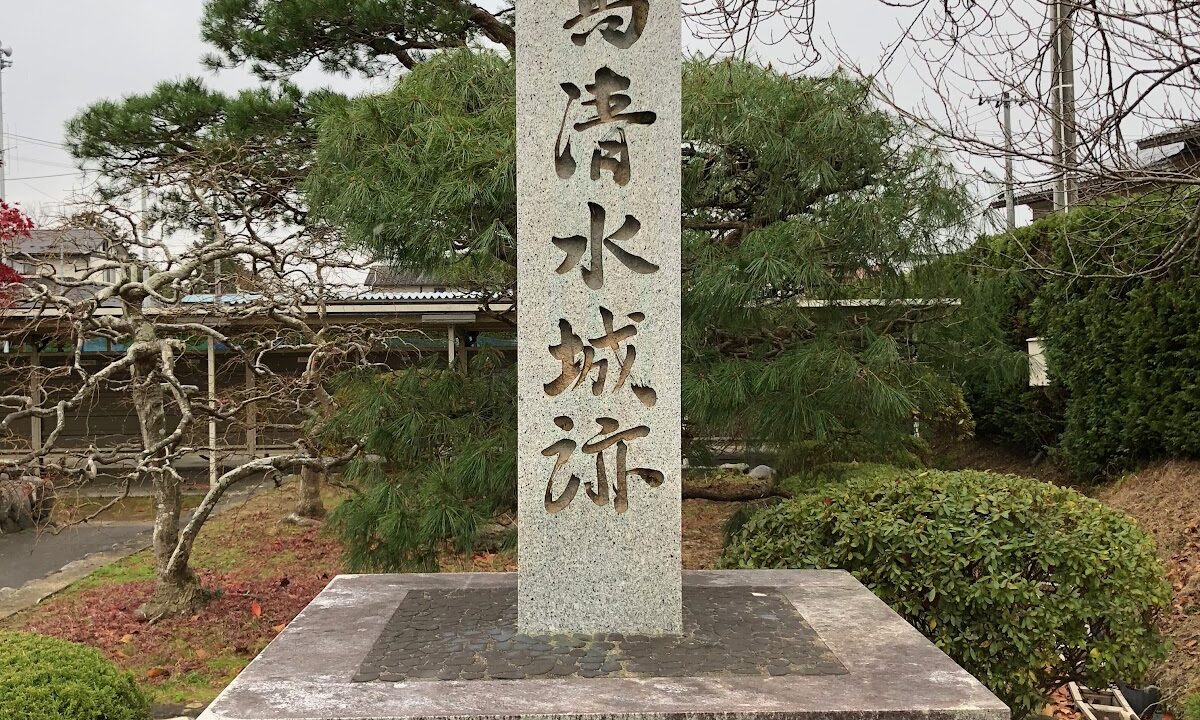
Takashimizu Castle (Miyagi Prefecture) Complete Guide: A Thorough Explanation of History, Remains, and Access
Takashimizu Castle is a castle ruin from the Sengoku period located in Kurihara City, Miyagi Prefecture. It flourished as the residence of the Osaki clan and later became an important base for the Date clan. As a historically valuable castle ruin, it continues to attract many history enthusiasts and castle fans. This article comprehensively explains everything you need to know before visiting Takashimizu Castle, from its history and highlights of the remains to how to access it.
Basic Information on Takashimizu Castle
Takashimizu Castle is a hilltop castle located in Higashidate, Kurihara City, Miyagi Prefecture (formerly Takashimizu Town). It is also known by other names such as “Takazumi Castle,” “Onigajo Castle,” and “Takashimizu Fortress,” and played an important role as one of the “21 Fortresses of the Date Clan” in the Edo period.
Location and Geographical Characteristics
Location: Higashidate, Takashimizu, Kurihara City, Miyagi Prefecture
Former Province: Mutsu Province
Takashimizu Castle is located at the end of the Tsukidate Hills, which extend eastward from the Ou Mountains. Built on a gently sloping, flat, slightly elevated area of approximately 20 meters above sea level, facing the alluvial plain, it features a layout that skillfully utilizes the surrounding terrain. This location is strategically important, offering a panoramic view of the plain, and is believed to have been chosen to control a key transportation hub.
Castle Scale and Structure
Takashimizu Castle is a flatland castle composed of multiple baileys and moats centered around the main keep. Currently, the site is occupied by Takashimizu Junior High School, so its original form cannot be fully seen. However, some earthworks and outer moats are preserved, allowing us to imagine the castle’s structure at the time.
History of Takashimizu Castle
Construction and the Osaki Clan Era
Takashimizu Castle is believed to have been built during the Tenbun era (1532-1555). The builder was Takaizumi Naokata, a member of the Osaki clan, the Oshu Tandai (military governor of Mutsu Province). Born as the third son of Osaki Yoshikane, Naokata built the castle in Takashimizu, making it a base of operations for the region.
The Osaki clan was a prestigious family connected to the Ashikaga clan, controlling a vast territory in Mutsu Province. Takashimizu Castle functioned as an important branch castle within the Osaki clan’s sphere of influence, playing a key role in the administration of their domain. During the turbulent Sengoku period, this castle developed into a political and military center of the region.
The Kasai-Osaki Rebellion and Date Masamune
The most dramatic event in the history of Takashimizu Castle is the Kasai-Osaki Rebellion, which began in 1590 (Tensho 18). After Toyotomi Hideyoshi’s pacification of Oshu, this region came under the control of Date Masamune, but former retainers of the old lords staged an uprising.
The rebels occupied Takashimizu Castle and used it as a base against the Date clan. However, Date Masamune swiftly mobilized his army and recaptured Takashimizu Castle. Masamune used the castle as a base and a crucial location for suppressing the uprising. This battle demonstrated Masamune’s military prowess and proved the strategic value of Takashimizu Castle.
The Era as one of the 21 Date Fortresses
In the Edo period, Takashimizu Castle was designated as one of the 21 Date Fortresses of the Sendai Domain. While the Genna One Castle Per Province Decree (1615) ordered each domain to demolish castles other than their main residence, Takashimizu Castle was permitted to remain as a “fortress.”
A fortified stronghold is a defensive structure built at a strategically important location. In peacetime, guards were stationed there, and in times of conflict, it functioned as a military base. Takashimizu Fortified Stronghold served as a key defensive point in the northern part of the Sendai Domain and was maintained throughout the Edo period. During this time, the castle was continuously maintained and managed, playing a crucial role as part of the domain’s defense system.
Changes in the Modern Era
After the Meiji Restoration, Takashimizu Castle was abandoned due to the abolition of the feudal domains and the establishment of prefectures. The castle site was sold to private individuals and used for farmland and residential development. In the Showa period, Takashimizu Junior High School was built, and the main area, including the former main keep, became part of the school grounds.
Currently, some of the remains are preserved as a local historical heritage site, and the area is utilized as a place to convey history, such as the Outer Moat Park. Preservation activities by local history enthusiasts and educators continue, working to pass on the historical value of Takashimizu Castle to future generations.
Highlights and Remains of the Castle Ruins
Existing Earthworks and Moats
While most of the remains of Takashimizu Castle have been lost, several important structures still remain.
Earthworks around the School Gate: Remains of earthworks from the time of the castle can be seen on either side of the gate of Takashimizu Junior High School. These are part of the castle’s defensive structures and are valuable remains that show the castle’s structure at the time.
Southern Earthworks: Earthworks are preserved on the south side of the junior high school, and an information board about Takashimizu Castle is installed there. Visitors can learn about the castle’s history and structure here.
Main Enclosure Earthwork Remains: Remains of the main enclosure earthworks can be seen on the west side of the swimming pool. The main enclosure was the core of the castle, where the lord’s residence and important facilities were located.
Outer Moat Park
The best-preserved remains of Takashimizu Castle are the outer moat. The outer moat, extending east-west to the north of the junior high school, has been developed and maintained as “Outer Moat Park.” This moat retains a certain degree of its original size and provides important clues to understanding the castle’s defensive system.
Outer Moat Park is also used as a place of relaxation for local residents, serving as a good example of the coexistence of historical heritage and modern life. Visitors can stroll through the park and experience firsthand how the castle was defended during the Sengoku period.
Information Boards and Signs
Several information boards are installed at the castle site, providing detailed information about the history and structure of Takashimizu Castle. These boards are written in Japanese and clearly explain the changes from the castle’s construction to the present day, the changes in castle lords, and the castle’s structure.
Takashimizu Castle Visitor Guide
Access Information
Access by Car:
- Approximately 15 minutes from the Tohoku Expressway “Tsukidate IC”
- Located along National Route 4, with good access
- Parking: Parking on the junior high school grounds is generally not permitted. Use the public spaces around Sotobori Park.
Public Transportation:
- Approximately 20 minutes by bus or taxi from JR Tohoku Main Line “Semine Station”
- Kurihara City Bus is also available (check the timetable).
Notes for Visitors
The main part of the Takashimizu Castle ruins is located on the grounds of Takashimizu Junior High School, so consideration is required when visiting.
- Visiting School Grounds: During class hours, please be considerate so as not to disrupt school activities. Visiting on weekends, holidays, or during long vacations is recommended.
- Sotobori Park: The park area can be freely visited.
- Photography: Please be mindful of school facilities and student privacy when taking photographs.
- Estimated Time Required: The average visit time is about 15-30 minutes. If you want to take your time, allow about an hour.
Nearby Historical Spots
Here are some nearby historical spots that you might want to visit along with Takashimizu Castle.
Tsukidate Castle: A medieval castle site located in Tsukidate, Kurihara City. It was one of the strongholds of the Osaki clan, and visiting it along with Takashimizu Castle provides a deeper understanding of the region’s medieval history.
Ichihasama Sanno-koi Ruins: An ancient settlement site, a historical site that tells the story of this region’s long history.
Kurihara City Historical Museum: A facility where you can comprehensively learn about the history of Kurihara City. Materials related to Takashimizu Castle are also on display.
Historical Value and Modern Significance of Takashimizu Castle
Its Place in Sengoku Period History
Takashimizu Castle is an important fortress for understanding the power structure of the Sengoku period in Oshu. As the stage for the transfer of power from the Osaki clan to the Date clan and the Kasai-Osaki Rebellion, a regional resistance movement, it provides historical evidence of the relationship between the central government and local forces.
This site is attracting attention in historical research as an important example of how Date Masamune incorporated the former Osaki and Kasai territories under his rule after Toyotomi Hideyoshi’s pacification of Oshu.
Military System of the Edo Period
Takashimizu Castle, which survived as one of the 21 Date strongholds, is a valuable example for understanding the domain defense system of daimyo during the Edo period. The castle, which was maintained as a stronghold even after the “One Castle Per Province” decree, demonstrates the balance between military rationality and political considerations under the shogunate system.
Local History and Cultural Heritage
Takashimizu Castle is an important cultural heritage of Kurihara City, contributing to the formation of the region’s identity. Locally, preservation activities for the castle ruins and its use in history education are underway, and it is used as teaching material for learning local history.
Although much of the remains have been lost, efforts to utilize the historical heritage in the modern age, such as the development of the outer moat park, continue. This can be considered a good example of passing on regional history while balancing development and preservation.
Current Status and Challenges of Takashimizu Castle Research
Excavation and Research Results
Regarding Takashimizu Castle, partial excavations have been conducted to date, gradually revealing the castle’s structure and changes over time. Excavated artifacts confirm its use as a castle from the 16th to the 17th centuries.
Research combining historical documents and archaeological evidence is deepening our understanding of the castle’s layout and building arrangements. In particular, new insights have been gained regarding the castle’s renovations and functional changes during the Osaki and Date clan periods.
Challenges of Preservation and Utilization
There are several challenges in preserving the Takashimizu Castle ruins. Because the main portion is part of a school site, large-scale excavations and maintenance are difficult. Furthermore, the remaining structures are subject to deterioration over time and development pressure, requiring continuous preservation and management.
On the other hand, utilization in a way that is familiar to local residents, such as the Outer Moat Park, is progressing, creating an environment where historical heritage can be felt close at hand. In the future, a multifaceted approach is expected, including its use as an educational resource and its development as a tourist attraction.
Visitor Feedback and Evaluation
Castle enthusiasts who have visited Takashimizu Castle have given positive feedback, such as, “Although the remains are limited, the outer moat is well-preserved,” and “The explanatory signs are comprehensive, allowing visitors to learn about history.” On the other hand, some have commented, “Visiting the site is restricted due to it being on a junior high school site,” and “Further development would be beneficial.”
The average visit time is about 15-20 minutes, and the main visitors are castle fans touring the 21 Date strongholds and history enthusiasts interested in medieval castles in Miyagi Prefecture. It is common to visit Takashimizu Castle in conjunction with surrounding castle ruins, using a map.
Summary: The Charm of Takashimizu Castle
Takashimizu Castle is an important castle ruin that tells the history of the Tohoku region from the Sengoku period to the Edo period. Its history, from the residence of the Osaki clan to a stronghold of the Date clan, reflects the complex political situation in the region.
Although much of the castle’s remains have been lost, the moat, now preserved as an outer moat park, and the earthworks remaining around the school gate evoke the castle’s former appearance. When visiting, carefully reading the explanatory signs and observing the surrounding terrain will help you understand the strategic intentions behind why the Sengoku-era warlords built a castle in this location.
Takashimizu Castle is not a flashy tourist spot, but for those interested in the history of Japanese castles, especially the Sengoku period history of the Tohoku region, it is a historical site well worth visiting. It is a castle ruin with a charm that allows you to feel the spirit of the Sengoku period in a quiet environment and reflect on a page of history.
If you have the opportunity to visit Kurihara City in Miyagi Prefecture, be sure to visit Takashimizu Castle ruins and experience the traces of history etched into this land.


