Masakadate Ruins (Miyagi Prefecture): A Thorough Explanation of the Sengoku Period Mountain Castle Remains and Historical Value
The Masakadate Ruins are the remains of a medieval mountain castle in Miyagi Prefecture, and are an important historical site that tells the story of the regional history of the Sengoku period. This article provides a detailed explanation of the historical background of the Masakadate Ruins, the characteristics of the remains, its current state, how to access it, and the highlights for visitors.
What are the Masakadate Ruins?
The Masakadate Ruins are one of the medieval castle ruins located in Miyagi Prefecture. Built as a mountain castle, this residence functioned as a base for regional control during the Sengoku period. Currently, the remains are preserved, and traces of defensive structures such as earthworks and baileys can be seen.
Geographical Location and Site Conditions
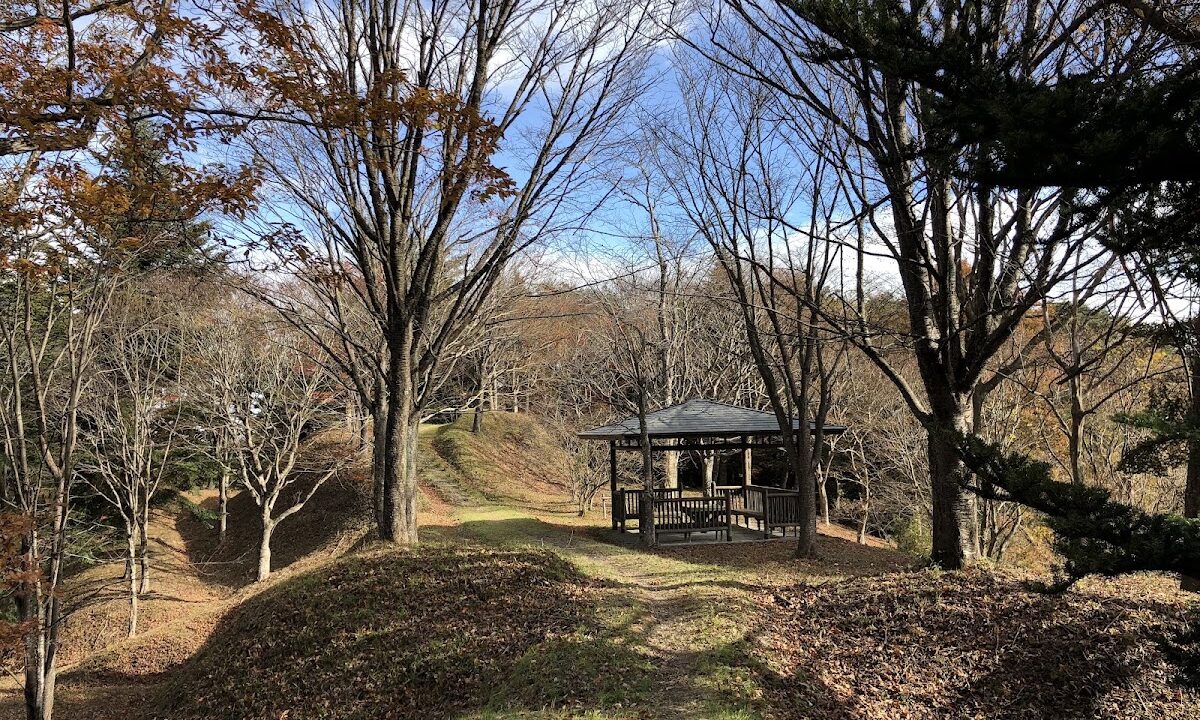
The Masakadate Ruins are located on a hilly area overlooking the surrounding region. This location is extremely advantageous from a military standpoint, allowing for early detection of approaching enemies and providing a favorable terrain for defense. The location, possessing typical characteristics of a mountain castle, reflects the castle-building techniques and strategic thinking of the time.
History of Masaka Castle Ruins
Period and Background of Construction
The construction period of Masaka Castle is estimated to be the Sengoku period (Warring States period). During this time, powerful warlords, including the Date clan, were competing for power in the Tohoku region, and castles were built throughout the area. Masaka Castle is also thought to have been built as a regional defensive base amidst the tensions of the Sengoku period.
Lord and Governing System
The warlord who ruled Masaka Castle is highly likely to have been a small to medium-sized local lord. In the Miyagi Prefecture area during the Sengoku period, as the Date clan’s power expanded, many local powerful families showed signs of subjugation or resistance. It is presumed that Masaka Castle played an important role in these regional political developments.
History of Abandonment
The exact time when Masaka Castle was abandoned is unclear, but it is thought to have been sometime between the end of the Sengoku period and the beginning of the Edo period. With Toyotomi Hideyoshi’s unification of Japan and the establishment of the Tokugawa Shogunate, many small and medium-sized castles became unnecessary and were abandoned. It is presumed that Masaka Castle followed a similar trajectory.
Features and Highlights of the Remains
Arrangement of Enclosures (Kuruwa)
At the Masaka Castle site, traces of multiple enclosures (kuruma) can be observed. An enclosure is a flat area within the castle grounds, used for constructing buildings and stationing troops. The topography suggests that multiple enclosures were arranged in a stepped or concentric pattern around the main enclosure (honmaru).
Earthworks and Moats
Remnants of earthworks, important defensive structures, still remain in some areas. Earthworks were earthen walls designed to prevent enemy intrusion, and their height and arrangement allow us to infer the defensive plan of the time. Moats (horikiri), which cut across the ridge, can also be observed; these were important defensive structures designed to block enemy intrusion routes.
Koguchi (Entrance)
Traces of the koguchi (entrance) to the castle remain. The koguchi was not merely an entrance, but also functioned as a defensive device to prevent enemy intrusion. Winding passages and narrow spaces were designed to make it difficult for large enemy armies to penetrate.
Archaeological Survey and Excavation Results
Past Survey History
The Masaka Castle site has been investigated by local historians and archaeologists. Surveying is gradually revealing the overall structure of the castle. These survey results are valuable resources for understanding the history of the region.
Excavated Artifacts
Artifacts such as pottery fragments and iron objects have been discovered through excavation and surface collection. These artifacts provide clues to the period when the castle was in use and the lifestyle of those who lived there. In particular, the type and age of the pottery are important evidence for determining the period of use of the castle.
Cultural Value of the Masaka Castle Ruins
Importance in Local History
The Masaka Castle Ruins are an important historical site for understanding the medieval history of Miyagi Prefecture. They are considered a valuable cultural asset that provides insights into the structure of regional society during the Sengoku period, the lives of samurai, and castle-building techniques. Their value is highly regarded from the perspectives of local history education and cultural property preservation.
Preservation Status and Challenges
Many mountain castle ruins are being lost due to development and natural erosion. The Masaka Castle Ruins are no exception, and preserving the remains is a challenge. Some parts of the ruins are unclear due to the collapse of earthworks and overgrown trees. Appropriate preservation management and maintenance are required.
Visiting Information and Access
Access Method
Access to the Masaka Castle Ruins varies depending on the local situation. Generally, mountain castle ruins are often difficult to access by public transportation, and visiting by private car is recommended. It is important to check the nearest major roads and landmarks in advance.
Important Points for Visitors
When visiting the mountain castle ruins, please note the following:
- Appropriate Clothing and Equipment: Since you will be walking on mountain paths, comfortable clothing and non-slip shoes are necessary.
- Seasonal Considerations: Insect repellent is necessary in summer, and warm clothing is necessary in winter.
- Safety Precautions: Avoid visiting alone; it is preferable to travel in a group.
- Protection of Remains: Take care not to damage the earthworks or baileys, and be sure to take all your trash with you.
Best Season for Visiting
The best time to visit the Masaka Castle Ruins is spring (April-May) and autumn (October-November). During these times, the weather is mild, and the trees have fewer leaves, making it easier to observe the remains. You can also enjoy the beautiful scenery of fresh greenery and autumn foliage.
Related Historical Sites in the Surrounding Area
Medieval Castle Sites in Miyagi Prefecture
Besides the Masaka Castle Site, many other medieval castle sites remain in Miyagi Prefecture. Visiting these together will allow you to gain a deeper understanding of Miyagi Prefecture’s history during the Sengoku period. Major related historical sites include:
- Iwakiri Castle Site: A large mountain castle site located in Sendai City
- Takamori Castle Site: An important castle site related to the Date clan
- Nakashinda Castle Site: A flatland castle site remaining in Kami District
Historical Walking Routes
By planning a historical walking route that includes the Masaka Castle Site, you can efficiently visit multiple historical sites in one day. Refer to materials published by local tourism associations and boards of education to create your own historical exploration route.
Current Status and Future of Research on the Masaka Castle Site
Trends in Academic Research
In recent years, research on medieval castle sites has progressed nationwide, with new discoveries and interpretations being published one after another. Further detailed investigations of the Masakakan site may reveal new facts. Many research questions remain, including the creation of a layout map and clarification of its relationship with the surrounding area.
Collaboration with the Community
The understanding and cooperation of local residents are essential for the preservation and utilization of historical sites. Activities by local history enthusiasts and preservation societies are expected at the Masakakan site. Collaborative efforts between the community and the government, such as installing explanatory signs, maintaining viewing paths, and regular grass cutting, are crucial.
The Position of the Masakakan Site in Castle Research
Characteristics of Mountain Castles in the Tohoku Region
Mountain castles in the Tohoku region have characteristics that differ from the stone-walled castles of western Japan. They are characterized by defensive structures primarily consisting of earthworks and moats, and layouts that skillfully utilize the terrain. The Masakakan site occupies an important position in castle research as a typical example of this Tohoku-type mountain castle.
Castle Construction Techniques of the Sengoku Period
The remains of the Masakakan site offer insights into castle construction techniques of the Sengoku period. The ingenuity and wisdom of the engineers of the time, who built effective defensive structures with limited resources and labor, are etched into the ruins.
Summary: The Charm and Value of Masaka Castle Ruins
Masaka Castle Ruins are a valuable historical site that tells the story of the Sengoku period in Miyagi Prefecture. The remains, such as earthworks and baileys, convey the castle-building techniques and strategic thinking of the time. In the face of development, preserving such historical heritage and passing it on to future generations is our important responsibility.
Visiting Masaka Castle Ruins allows you to experience living history that you can’t learn from textbooks. Walking through the ruins and reflecting on the lives of the people of that time will be a valuable opportunity to deepen your understanding of history.
We recommend visiting Masaka Castle Ruins to history enthusiasts and anyone interested in local history. Please visit the historical site with appropriate preparation and consideration, and experience Miyagi Prefecture’s rich historical and cultural heritage.
We hope that research into the Masaka-kan site will continue to progress, leading to new discoveries, and that this valuable cultural property will be properly preserved and enjoyed by many people.