A Complete Guide to the History and Highlights of Murayama Castle (Mizuho-machi, Tokyo) | Visiting the Headquarters of the Musashi Murayama Clan
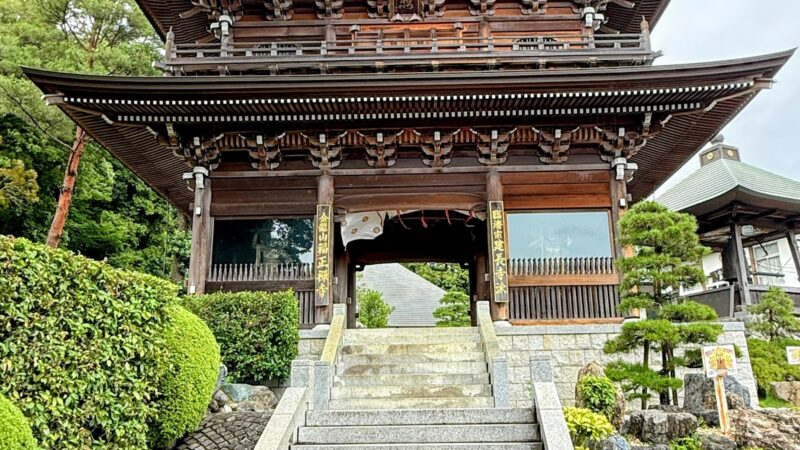
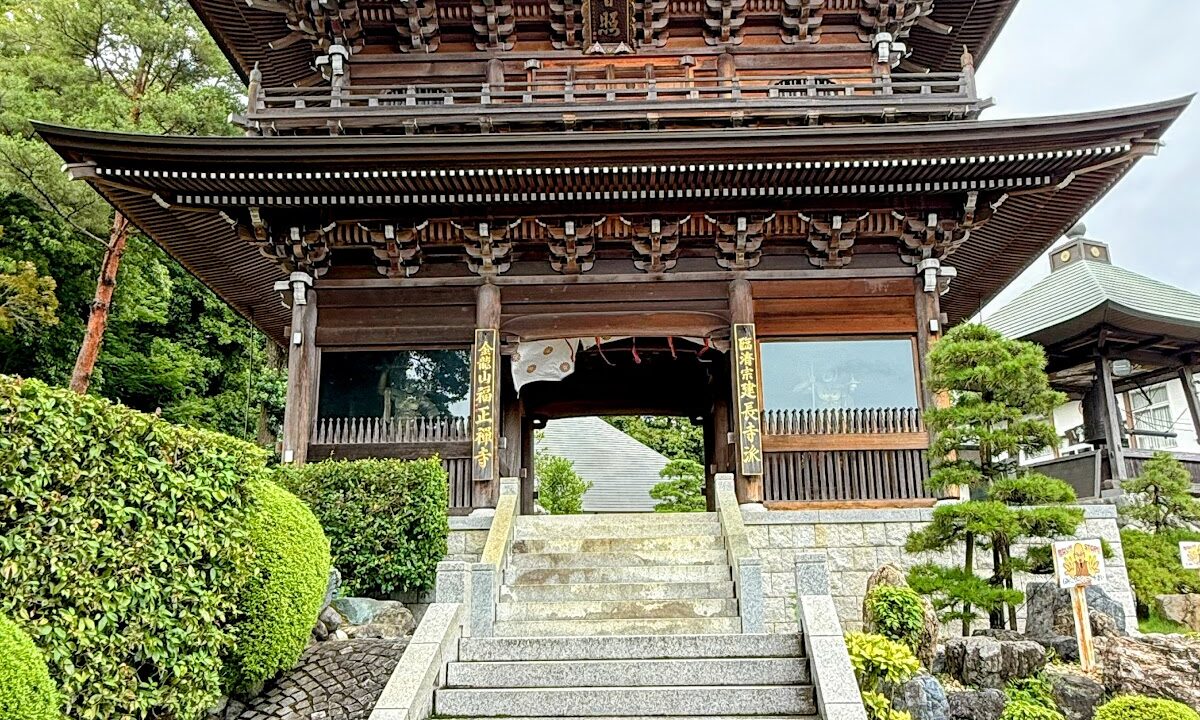
Murayama Castle, located in Tonogaya, Mizuho-machi, Nishitama-gun, Tokyo, is a medieval castle known as the headquarters of the Murayama clan, one of the seven clans of Musashi Province. Now the grounds of Fukushoji Temple, this castle site was an important base in Musashi Province from the late Heian period to the Sengoku period. This article provides a detailed explanation of Murayama Castle’s historical background, the characteristics of its remains, and information on visiting the site.
Basic Information on Murayama Castle
Murayama Castle (Murayama-jo), also known as “Murayama-kan,” “Murayama-shi-kan,” and “Tonogakiuchi,” is a hill castle. It is located in Tonogaya, Mizuho-machi, Nishitama-gun, Tokyo, on the western edge of the Sayama Hills.
Castle Overview
- Location: Tonogaya, Mizuho-machi, Nishitama-gun, Tokyo
- Castle Type: Hill Castle/Hilltop Castle
- Construction Period: Late Heian Period (according to tradition)
- Builder: Murayama Yorito or Murayama Yoshimitsu (various theories exist)
- Abandonment Period: 1590 (Tensho 18)
- Main Lord: Murayama Clan
- Current Status: Fukushoji Temple grounds, residential area
- Remains: Enclosure remains (estimated), topography
- Designated Cultural Property: None
Murayama Castle is a typical medieval castle that developed as the residence of a local lord in Musashi Province, strengthening its castle functions over time.
History of Murayama Castle
Late Heian Period: Establishment of the Murayama Clan and Construction of the Residence
The history of Murayama Castle dates back to the late Heian period. The Murayama Clan, one of the seven clans of Musashi Province, was based in Murayama-go, Tama District, Musashi Province (present-day Musashimurayama City and Mizuho Town, Tokyo).
Murayama Yorito, considered the founder of the Murayama Clan, is believed to have built a residence in this area during the late Heian period. Initially, it is thought that he built his residence on the gentle slope south of the current castle site, using it as a living space during peacetime. The Murayama Clan, as a powerful samurai group in Musashi Province, expanded its influence while deepening its relationship with the Minamoto clan.
Kamakura Period: Prosperity of the Murayama Clan
In the Kamakura period, the Murayama Clan played an active role as a retainer of Minamoto no Yoritomo. Branches of the Murayama Clan, such as the Kaneko, Miyadera, Yamaguchi, and Senba clans, branched off and each acquired territories within Musashi Province. During this period, Murayama Castle served as the headquarters of the Murayama clan, symbolizing the family’s unity. While maintaining relations with the Kamakura Shogunate, they established their position as local lords in the region.
Sengoku Period: Development of Castle Construction
With the arrival of the Sengoku period, the Murayama clan was incorporated into the sphere of influence of the Later Hojo clan. The head of the clan during this period is believed to have been Murayama Tosa-no-kami Yoshimitsu. It is presumed that, in order to cope with the turmoil of the Sengoku period, they moved their residence to the tip of a hill in the hinterland and strengthened its function as a castle.
Murayama Castle developed a highly defensible structure utilizing the topography of the Sayama Hills, and came to serve as a fort in times of emergency. However, by the end of the Sengoku period, under the control of the Later Hojo clan, it is thought to have functioned as part of a defense network centered around Odawara Castle.
1590 (Tensho 18): Toyotomi Hideyoshi’s Siege of Odawara and the Abandonment of the Castle
In 1590 (Tensho 18), Toyotomi Hideyoshi launched the Siege of Odawara, leading to the downfall of the Later Hojo clan. It is believed that Murayama Castle was abandoned as a result of this battle. The Murayama clan, vassals of the Later Hojo clan, is thought to have declined around this time, and the castle lost its function.
After the castle’s abandonment, Fukushoji Temple was built on the site of Murayama Castle and has been used as a temple to this day.
Layout and Structure of Murayama Castle
Castle Layout Utilizing the Topography
Murayama Castle is located on the western edge of the Sayama Hills, at the tip of a hill approximately 110 meters above sea level. A gentle slope spreads to the south, while steep cliffs form to the north and east, creating a natural stronghold.
The castle’s structure is thought to have been divided into two main periods:
- Early Residence (Late Heian Period – Kamakura Period): A peacetime residence built on the gentle southern slope
- Later Castle (Sengoku Period): A highly defensible castle moved to the tip of a hill
Existing Topography and Estimated Remains
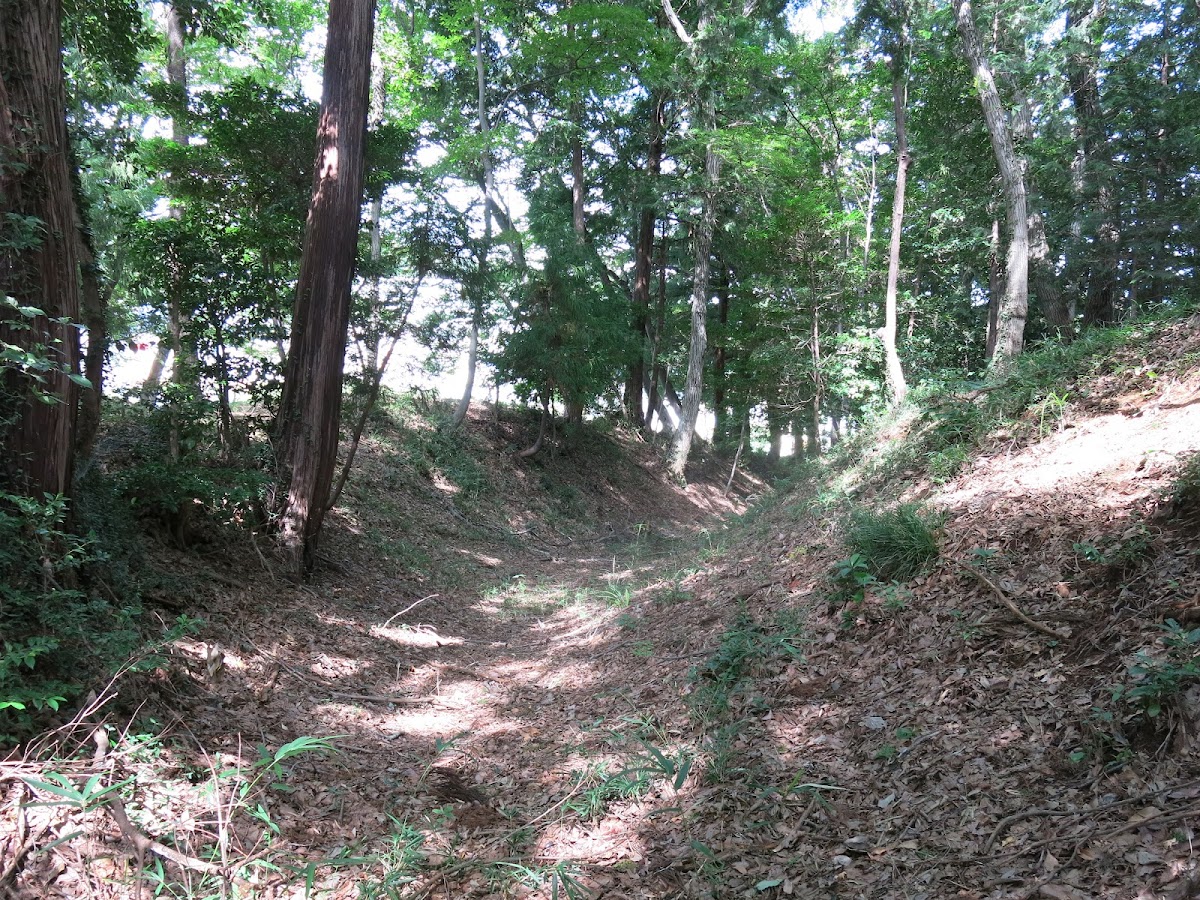
Currently, the Murayama Castle site is the grounds of Fukushoji Temple and surrounding residential areas, with very few clear remains. However, the following structure is estimated from observation of the topography:
- Main Enclosure: The area around the main hall of Fukushoji Temple is estimated to be the site of the main enclosure
- Enclosure: The temple grounds may have consisted of multiple enclosures
- Moat: There may have been a moat dividing the hill (now gone)
- Earthwork: Traces of earthworks may remain in some areas
Topographically, it is thought to have had the structure of a typical medieval hill castle, utilizing the tip of a hill.
The Murayama Clan and its Collateral Clans
The Murayama Clan’s Position within the Musashi Seven Clans
The Musashi Seven Clans are a collective term for seven samurai groups that were active in Musashi Province from the late Heian period to the Kamakura period. The Murayama Clan was one of them, holding power primarily in the Tama region.
Musashi Seven Clans:
- Yokoyama Clan
- Inomata Clan
- Noyo Clan
- Nishi Clan
- Kodama Clan
- Tan Clan
- Murayama Clan
The Murayama Clan was based in Tama County, Musashi Province, and possessed extensive territories extending from the Sayama Hills to the Iruma River basin.
Main Collateral Clans of the Murayama Clan
Many collateral clans branched off from the Murayama Clan, each developing independently:
Kaneko Clan
A family based in Kaneko-go, Iruma County (present-day Iruma City, Saitama Prefecture). Kaneko Ietada distinguished himself in the Genpei War and appears in the *Tale of the Heike*.
Miyadera Clan
A family based in Miyadera, Iruma District (present-day Iruma City, Saitama Prefecture).
Yamaguchi Clan
A family based in Yamaguchi, Tama District (present-day Tokorozawa City, Tokyo). They were active as retainers during the Kamakura period.
Senba Clan
A family based in Senba, Iruma District (present-day Kawagoe City, Saitama Prefecture). They contributed to the development of the Kawagoe region.
These branch families used Murayama Castle as the main base and built their own residences and castles in their respective territories.
Highlights of Murayama Castle and a Guide to Visiting the Site
Strolling Through the Grounds of Fukushoji Temple
The current site of Murayama Castle is within the grounds of Fukushoji Temple. When visiting the temple, pay attention to the following points:
Observing the Topography
Fukushoji Temple’s grounds are located on the tip of a hill, allowing you to feel the difference in elevation from the surrounding area. Since the area around the main hall is presumed to be the site of the main enclosure, it will be interesting to stroll around while imagining how this terrain was used as a castle.
Views from the Temple Grounds
From the temple grounds, you can enjoy a panoramic view of Mizuho town. You can imagine what kind of scenery the Murayama clan viewed from this spot during the Sengoku period.
Nearby Historical Spots
When visiting the Murayama Castle ruins, we recommend also visiting nearby historical spots:
Mizuho Town Local History Museum
This facility allows you to learn about the history and culture of Mizuho town. There may be exhibits related to the Murayama clan and Murayama Castle.
Sayama Hills
The Sayama Hills, where Murayama Castle is located, is an area with abundant nature. Hiking trails are also maintained, allowing you to enjoy the scenery of each season.
Hakonegasaki Area
Hakonegasaki, the central area of Mizuho Town, retains its historical streetscape. Its proximity to Murayama Castle makes it a good place to explore both.
Access Information
Access by Public Transportation
The following is how to access Murayama Castle Ruins (Fukushoji Temple) by public transportation:
By Train and Bus
- From JR Hachiko Line “Hakonegasaki Station”:
- Approximately 20 minutes on foot from the station
- Alternatively, buses are available (may vary depending on the route)
- From JR Ome Line “Fussa Station”:
- Approximately 15 minutes by bus, get off at “Tonogaya” bus stop, then approximately 5 minutes on foot
- From Seibu Haijima Line “Higashiyamato-shi Station”:
- Approximately 20 minutes by bus
Travel Time from Nearest Stations
- Approximately 1 hour 20 minutes from Shinjuku Station (via JR Chuo Line and Ome Line)
- Approximately 30 minutes from Tachikawa Station (via JR Ome Line)
Access by Car
Routes from Major Roads
- From Ken-O Expressway “Ome IC”:
- Approximately 15 minutes
- From the Ken-O Expressway “Iruma IC”:
- Approximately 20 minutes
- From National Route 16:
- Towards Mizuho Town, via Hakonegasaki Intersection
Parking Information
Fukushoji Temple may have parking spaces for visitors, but it is recommended to check in advance. There are also coin-operated parking lots scattered around the area.
Points to Note When Visiting
- Fukushoji Temple is an active temple. Please observe proper temple etiquette and visit quietly.
- There are few clear remains of the castle site, so learning about the historical background beforehand will deepen your understanding.
- Please follow the rules regarding photography within the temple grounds.
- As it is adjacent to a residential area, please be considerate of the surrounding residents.
Attractions and Tourist Spots of Mizuho Town
Overview of Mizuho Town
Mizuho Town, located in Nishitama District, Tokyo, is a town rich in nature, situated approximately 40 kilometers west of central Tokyo and about 1 hour and 20 minutes by train from Shinjuku. Located at the western edge of the Sayama Hills, Mizuho Town boasts abundant greenery and a tranquil living environment.
Main Tourist Spots in Mizuho Town
Sayama Hills
The Sayama Hills, spanning Tokyo and Saitama prefectures, are a region with rich natural beauty, said to be the model for “Totoro’s Forest.” Hiking trails offering seasonal scenery are well-maintained.
Rokudoyama Park
A park located in a corner of the Sayama Hills, offering panoramic views of the Kanto Plain from its observation deck. Mount Fuji can sometimes be seen on clear days.
Sayama-no-Mori
A facility where visitors can experience the nature of the Sayama Hills, offering a wide range of nature observation and environmental learning programs.
Access to Mizuho Town
The nearest station to Mizuho Town is Hakonegasaki Station on the JR Hachiko Line. From central Tokyo, the most common route is to take the JR Chuo Line to Tachikawa Station and then transfer to the JR Hachiko Line.
Advice for History Fans Visiting Murayama Castle
Recommended Prior Study
Since very few remains of Murayama Castle exist, studying its historical background beforehand will allow for a deeper understanding and appreciation of the site. It’s recommended to research the following points:
- History of the Musashi Seven Clans: The role the Murayama clan played in Musashi Province
- Characteristics of Medieval Castles: The development of castles from the Heian period to the Sengoku period
- Relationship with the Later Hojo Clan: The Murayama clan’s position during the Sengoku period
- Local History: The historical background of Mizuho Town and the Tama region
How to Enjoy Castle Site Visits
When visiting castle sites with few remains, such as Murayama Castle, here are some ways to enjoy the experience:
Observing the Topography
By observing the local topography, you can imagine how the castle was laid out at the time. Pay attention to its location on the tip of a hill, the difference in elevation from the surrounding area, and the way the view opens up.
Comparison with Old Maps
If possible, it would be interesting to bring old maps from the Edo period or Meiji period and compare them with the current topography.
Visiting Related Historical Sites in the Surrounding Area
By visiting the castle ruins built by branch families of the Murayama clan, and related shrines and temples, you can get a real sense of the Murayama clan’s sphere of influence and power.
Photography Points
Although there are few remains of the castle itself, there are the following points of interest for photography:
- Fukushoji Temple’s main hall and the surrounding topography
- View from the temple grounds (the townscape of Mizuho)
- Landscape showing the hilly topography
- The natural environment of the surrounding Sayama Hills
Historical Significance of Murayama Castle
Base of a Local Lord in Musashi Province
Murayama Castle was a typical base for a local lord in Musashi Province. From the late Heian period to the Kamakura period, it played an important role in connecting the central government and local samurai groups.
An Example of the Development Process of Medieval Castles
Murayama Castle is a good example of the process of development from a peacetime residence to a wartime castle. The transition from a residence on a gentle slope in the late Heian period to a castle on the tip of a hill during the Sengoku period illustrates a general development pattern for medieval castles.
Importance in Regional History
Murayama Castle is an important archaeological site for understanding the medieval history of the Tama region. As the base of the Murayama clan, one of the seven clans of Musashi Province, it played a central role in the region’s politics, economy, and culture.
Castles Related to Murayama Castle
Medieval Castles in the Tama Region
Several castles from the same period existed around Murayama Castle:
Takiyama Castle (Hachioji City)
A large mountain castle known as an important base of the Later Hojo clan. In contrast to Murayama Castle, many remains are preserved.
Hachioji Castle (Hachioji City)
A mountain castle built as a branch castle of the Later Hojo clan. This was the site of fierce battles during Toyotomi Hideyoshi’s siege of Odawara.
Kozukue Castle (Yokohama City)
One of the branch castles of the Later Hojo clan. Similar to Murayama Castle, it was a castle that came under the control of the Later Hojo clan from being a base for a local lord.
Castles and Residences Related to the Murayama Clan
Castles and residences built by branch families of the Murayama clan are also important for understanding Murayama Castle:
- Kaneko Clan Residence (Iruma City, Saitama Prefecture)
- Yamaguchi Clan Residence (Tokorozawa City, Saitama Prefecture)
- Senba Clan Residence (Kawagoe City, Saitama Prefecture)
Visiting these castles and residences provides a deeper understanding of the Murayama clan’s sphere of influence and reach.
Current Status and Challenges of Murayama Castle Research
Status of Archaeological Investigations
Very little full-scale excavation has been conducted at the Murayama Castle site. Currently, the site is the grounds of Fukushoji Temple and residential land, making large-scale investigations difficult.
Limitations of Documentary Sources
Contemporary documentary sources concerning Murayama Castle are extremely limited. Detailed information about the castle’s structure and historical changes can only be inferred from local traditions, topographical observations, and historical materials from the surrounding area.
Future Research Issues
Research on Murayama Castle faces the following challenges:
- Topographic Survey and Layout Map Creation: Detailed surveying of the existing topography to reconstruct the castle’s structure.
- Relationship Investigation with Surrounding Archaeological Sites: Comparative research with other castles and fortifications related to the Murayama clan.
- Re-examination of Documentary Sources: Re-examination of historical materials concerning the Murayama clan and the Murayama family.
- Collection of Local Residents’ Traditions: Recording of local traditions and oral traditions.
Summary: The Charm of Murayama Castle and the Significance of Visiting It
Murayama Castle, located in Mizuho-machi, Nishitama-gun, Tokyo, is an important historical site that conveys the history of the Murayama clan, one of the seven clans of Musashi Province, despite having few clearly identifiable remains. This castle ruin, which witnessed the history of Musashi Province for approximately 500 years, from the late Heian period to the Sengoku period, tells the story of the development of medieval castles and the history of local lords.
Although the Murayama Castle ruins now quietly mark the passage of time as the grounds of Fukushoji Temple, observing its topography and learning about its historical background allows you to imagine the lives and battles of the samurai of that time. When you visit Mizuho Town, be sure to visit this historic castle ruin.
Combined with the rich natural beauty of the Sayama Hills, Murayama Castle, located about an hour from central Tokyo, offers a glimpse into the romance of medieval history. It’s recommended not only for history buffs but also for those who want to combine a visit with hiking or nature walks. Why not spend some quiet time while feeling the history of Musashi Province firsthand?