Iimoriyama Castle (Toyota City) Complete Guide | History, Highlights, Access, and Relationship with Korankei Gorge Explained in Detail
Iimoriyama Castle, located in Asuke-cho, Toyota City, Aichi Prefecture, is a medieval mountain castle built on the summit of Mt. Iimoriyama, at an altitude of 254 meters. Situated just east of Korankei Gorge, it is known as a historically important castle site, having served as the residence of the Asuke clan for generations. This article provides a detailed explanation of Iimoriyama Castle’s history, structure, highlights, and surrounding tourist attractions.
Overview and Location of Iimoriyama Castle
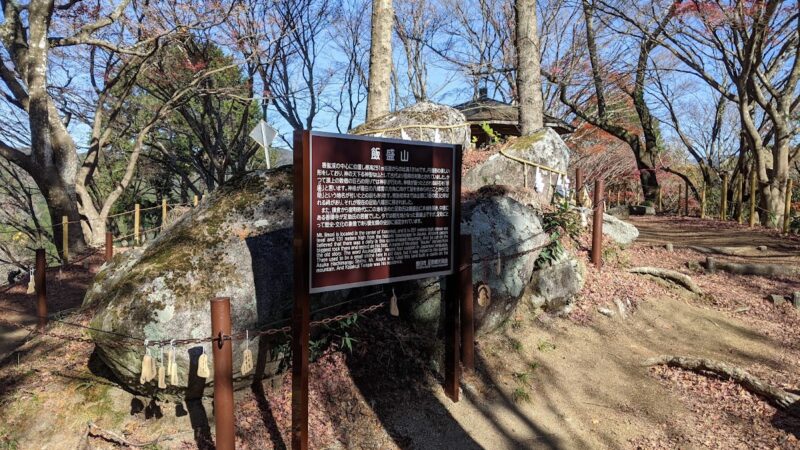
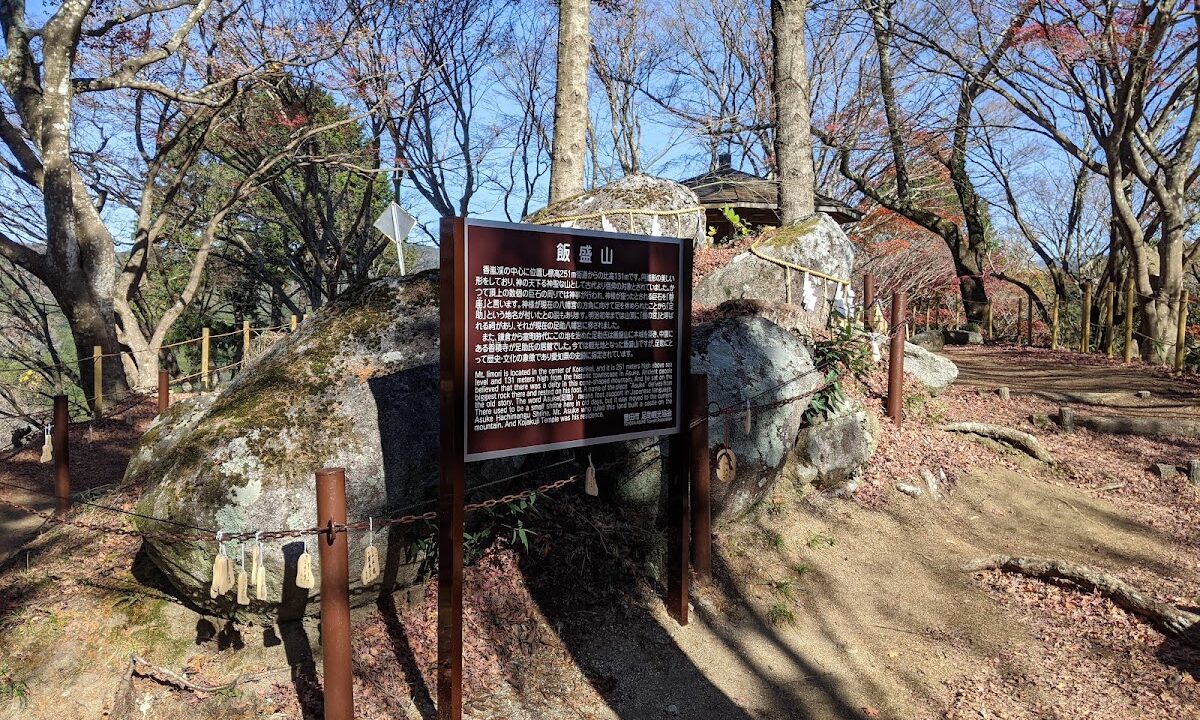
Iimoriyama Castle is a mountain castle located in the center of Asuke-cho, Toyota City, Aichi Prefecture, and is counted as one of the seven castles of Asuke. It is located southeast of the point where the Tomoe River meanders and merges with the Asuke River, at an altitude of 254 meters (some sources say 251 meters), with a relative height of approximately 131 meters from the main road.
Mt. Iimoriyama, with its beautiful conical shape, has been worshipped since ancient times as a sacred mountain where gods descended from heaven. Today, as part of the Korankei Gorge tourism experience, it has become a popular destination for many hikers and history enthusiasts.
Geographical Importance of Iimoriyama Castle
Iimoriyama Castle was located at a crucial transportation hub connecting Owari/Mikawa and Shinano provinces. This location was one of the main reasons the Asuke clan was able to maintain its power in this region during the medieval period. Overlooking the town of Asuke, through which the Ina Highway (Nakama Highway) passed, it was an ideal location for monitoring and defending the road.
From the mountaintop, one can enjoy a panoramic view of Asuke town, and the excellent views remain popular with visitors today. Especially during the autumn foliage season, one can enjoy the scenery of Korankei Gorge spread out below, painted in shades of red and yellow.
History of Iimoriyama Castle
Construction and the Asuke Clan Era
There are various theories regarding the construction period of Iimoriyama Castle, but it is generally believed to have been built by the Asuke clan sometime between the late Heian period and the early Kamakura period.
The first head of the Asuke clan, Asuke Shigenaga, migrated to this area during the Heian period (around 1177-1182) and initially resided at Kibiu Castle. Later, the second head, Asuke Shigehide, built a castle on Iimoriyama Mountain, and from then until the eighth head, Asuke Shigemasa, Iimoriyama Castle served as their base.
Genealogy and Rule of the Asuke Clan
The Asuke clan is considered to be a branch of the Fujiwara clan and expanded their power from their base in Asuke-sho, Kamo-gun, Mikawa Province. From the Kamakura period to the Muromachi period, they were influential local lords in this region, building a group of castles known as the Asuke Seven Castles to control their territory.
The Asuke Seven Castles include Iimoriyama Castle, Mayumiyama Castle (Asuke Castle), Kibiu Castle, Shirasagi Castle, Myogawa Castle, Odagi Castle, and Kounosu Castle. These castles worked together to support the Asuke clan’s rule.
The Sengoku Period and the Abandoned Castle
With the arrival of the Sengoku period (Warring States period), the Asuke clan declined, and this region became a target of various power struggles. Later, the Asuke Suzuki clan continued to hold Iimoriyama Castle as their possession, but in 1590 (Tensho 18), with Toyotomi Hideyoshi’s unification of Japan, the castle was abandoned.
During this period, many medieval mountain castles were abandoned, and in the flow of time, transitioning to modern castles on flat land, Iimoriyama Castle also ended its role.
Structure and Layout of Iimoriyama Castle
Main Enclosure Layout
Detailed research on the layout of Iimoriyama Castle has been conducted by castle researcher Kiyochika Saeki. According to his research, the mountaintop was leveled in three stages, with castle ramparts arranged from the main enclosure to the third enclosure.
Main Enclosure (Enclosure I)
The main enclosure, located at the highest point, is the central enclosure of the castle. This is considered the main enclosure and is thought to have functioned as the lord’s residence and command post.
Enclosure II
This enclosure is located one level lower on the east side of the main enclosure. It is presumed to have served a defensive role for the main enclosure and was used as a garrison for soldiers and a storage area for supplies.
Enclosure III
This enclosure is located one level lower on the west side of the main enclosure and, like Enclosure II, is thought to have served a defensive and logistical support function.
Residence IV
This is the site of a residence located on the western slope. It may have been used as a living space and a place for conducting government affairs during peacetime.
Enclosure V
This enclosure is located north of the main enclosure and is presumed to have been a defensive base to prepare for invasions from the north.
Defensive Facilities
Iimoriyama Castle was equipped with defensive facilities typical of medieval mountain castles.
Moat
Two moats (Moat A and Moat B) were cut into the north-south slope on the eastern side. The moat was a defensive structure that cut off the ridge to prevent enemy intrusion, and it was an important defensive line to prepare for attacks from the east of Iimoriyama Castle.
Archery Range
Archery ranges were located on the west and north sides. These ranges were places for archery attacks and played an important role in the castle’s defense.
Dry Moat
A dry moat has also been confirmed on the east side, functioning as an obstacle to hinder enemy advances.
Current Status of Remains
Currently, there are no clear remains of stone walls or buildings at the Iimoriyama Castle site, but the elevation changes of the baileys and traces of moats can be seen. The flat area at the summit gives a sense of the former main enclosure.
When walking the hiking trail, paying attention to changes in the terrain will allow you to find artificially leveled baileys and traces of moats.
Highlights of Iimoriyama Castle
View from the Summit
The greatest highlight of Iimoriyama Castle is the magnificent view from the summit. From the 254-meter-high summit, you can enjoy a panoramic view of the town of Asuke. Especially during the autumn foliage season, you can enjoy the spectacular view of Korankei Gorge spread out below.
On a clear day, you can see as far as the mountains of Mikawa, allowing you to imagine the view the Asuke clan once had as they surveyed their territory from this very spot.
Iwakura (Sacred Rock)
Near the summit of Mt. Iimori, there is a large rock called an Iwakura. Iwakura have been worshipped since ancient times as places where gods descended. It is an important historical site that shows that this mountain was revered as a sacred place even before it was used as a castle.
The area around the Iwakura is enveloped in a mystical atmosphere, allowing you to feel the depth of history and faith.
Dogtooth Violet Colony
Along the hiking trail up Mt. Iimori, there is a colony of dogtooth violets covering approximately 5,000 square meters. The dogtooth violet (Erythronium japonicum) is a plant that blooms with delicate purple flowers in early spring (late March to early April), attracting many flower enthusiasts during this time.
The dogtooth violet blooming season is an excellent opportunity to enjoy the spring nature in conjunction with a stroll through the castle ruins.
Site of the Asuke Clan Residence at Koshakuji Temple
Koshakuji Temple, located on the slopes of Mt. Iimoriyama in Korankei Gorge, is believed to be the site of the Asuke clan’s residence. Some earthen ramparts remain today, allowing us to imagine the scale of the residence at that time.
Koshakuji Temple is a Soto Zen Buddhist temple with a beautiful garden on its grounds, and is also known as a famous spot for autumn foliage. When visiting Iimoriyama Castle, be sure to stop by Koshakuji Temple as well.
Relationship with Korankei Gorge
Overview of Korankei Gorge
Iimoriyama Castle is located just east of Korankei Gorge, known as one of Japan’s leading spots for autumn foliage. Korankei Gorge boasts approximately 4,000 maple trees planted along the Tomoe River, creating a breathtaking spectacle in autumn when the entire gorge is ablaze with red and yellow hues.
Every November, the “Korankei Maple Festival” is held, attracting numerous tourists from across Japan. The area is also illuminated at night, allowing visitors to enjoy the magical beauty of the autumn foliage.
Sightseeing Route Visiting Iimoriyama Castle and Korankei Gorge
Iimoriyama Castle and Korankei Gorge are within walking distance of each other, making a combined sightseeing route popular. A well-maintained hiking trail leads from the northern entrance of Korankei Gorge to Mount Iimoriyama, providing easy access.
Recommended Route
- Stroll through Korankei Gorge (enjoy the autumn foliage along the Tomoe River)
- Visit Koshakuji Temple (visit the site of the Asuke clan’s residence)
- Climb Mt. Iimoriyama via the hiking trail to the summit (approx. 30-40 minutes)
- Enjoy the view and castle ruins at the summit
- Descend and stroll through the town of Asuke
This route allows you to experience nature, history, and culture all at once.
Precautions during the Autumn Foliage Season
Korankei Gorge becomes extremely crowded during the autumn foliage season (mid-November). Parking lots often fill up early in the morning, and surrounding roads become congested. If possible, we recommend visiting on weekdays or using public transportation.
Climbing Mt. Iimoriyama Castle is also a popular hidden gem for those who want to avoid the crowds of Korankei Gorge and quietly experience history.
Access Information
Access by Car
From Nagoya
- Approximately 45 minutes from the Tomei Expressway “Toyota IC” via National Route 153
- Approximately 15 minutes from the Sanage Green Road “Rikiishi IC”
From Iida/Nagano
- Head south on National Route 153 to Asuke Town
Parking
- Several paid parking lots are available around Korankei (approximately 500-1,000 yen per day during the autumn foliage season)
- Free parking is also available outside of the autumn foliage season
Access by Public Transportation
Train/Bus
- Take the Meitetsu Toyota Line from Meitetsu “Nagoya Station” and get off at “Toyota-shi Station”
- Take the Meitetsu Bus bound for “Asuke” from Toyota-shi Station (approximately 60 minutes), and get off at the “Korankei” bus stop
- Approximately 5 minutes on foot from the bus stop to the Iimoriyama trailhead
Temporary Buses during Autumn Foliage Season
- During the autumn foliage season in November, extra direct buses to Korankei Gorge will be added from Nagoya Station and Toyota City Station. Please check the Meitetsu Bus website for the latest service information.
Hiking Trail Information
The hiking trail to Mt. Iimoriyama begins near the northern entrance of Korankei Gorge. The trail is well-maintained, and it takes approximately 30-40 minutes to reach the summit.
Hiking Precautions
- Comfortable walking shoes are recommended.
- Be careful as the trail can be slippery in rainy weather.
- Take insect repellent in summer.
- Bring drinking water.
- Some parts of the trail are steep; those without confidence in their physical fitness should not push themselves.
Asuke Seven Castles and Surrounding Castle Ruins
Overview of Asuke Seven Castles
Mt. Iimoriyama Castle is one of the “Asuke Seven Castles.” The Asuke Seven Castles are a group of castles built by the Asuke clan for territorial control, and consist of the following seven castles.
- Iimoriyama Castle – The main castle of the Asuke clan
- Mayumiyama Castle (Asuke Castle) – A restored castle is currently open to visitors.
- Kibo Castle – The castle where the first head of the Asuke clan resided.
- Shirasagi Castle – A castle protecting the northern part of Asuke.
- Akegawa Castle – A defensive stronghold along the Asuke River.
- Odagi Castle – A defensive stronghold to the east.
- Kounosu Castle – A defensive stronghold to the south.
These castles worked together to form a defensive network protecting the Asuke clan’s territory.
Mayumiyama Castle (Asuke Castle)
Of the seven castles of Asuke, Mayumiyama Castle (Asuke Castle) is the only one where a restored structure can be seen. It is located on Mount Mayumi (elevation 301 meters), approximately 1.5 kilometers east of the town of Asuke.
Currently, the high tower, long barracks, watchtower, and stables have been restored, allowing visitors to experience the atmosphere of a medieval mountain castle. Visiting it in conjunction with Iimoriyama Castle will provide a deeper understanding of the Asuke clan’s castle system.
Basic Information on Mayumiyama Castle
- Opening Hours: 9:00 AM – 4:30 PM
- Closed: Thursdays (or the following day if Thursday is a public holiday), New Year’s holidays
- Admission Fee: 300 yen for adults, free for high school students and younger
Recommended Castle Ruins Tour Course
If you want to enjoy touring castle ruins in the Asuke area, the following recommended course is recommended.
One-Day Course
- Morning: Visit Mayumiyama Castle (approx. 1.5 hours)
- Lunch: Enjoy local cuisine such as Goheimochi in Asuke town
- Afternoon: Stroll through Korankei Gorge → Visit Koshakuji Temple → Climb Iimoriyama Castle (approx. 2.5 hours)
- Evening: Stroll through Asuke’s old town
This course allows you to fully enjoy Asuke’s history and nature.
Asuke Town and Tourist Spots
Asuke’s Old Town
Asuke has a history of flourishing as a post town on the Nakasendo Road. Even today, old townhouses from the Edo and Meiji periods remain, and the town has been designated as an Important Preservation District for Groups of Traditional Buildings.
The townscape, lined with white-walled storehouses and townhouses with lattice doors, has an atmosphere that makes you feel like you’ve traveled back in time. Visiting Iimoriyama Castle in conjunction with strolling through the townscape will allow you to understand Asuke’s history more deeply.
Sanshu Asuke Yashiki
Sanshu Asuke Yashiki is an open-air museum that opened in 1980, recreating a farmhouse from the Meiji era. Visitors can see demonstrations of traditional life skills such as charcoal making, papermaking, and weaving.
It is a valuable facility where you can learn about the traditional culture of this region, along with the history of Iimoriyama Castle.
Basic Information
- Opening Hours: 9:00 AM – 5:00 PM
- Closed: Thursdays (or the following day if Thursday is a public holiday), New Year holidays
- Admission Fee: Adults 300 yen, High school students and younger 100 yen
Utilizing the Asuke Tourism Association
The Asuke Tourism Association provides tourist information for the Asuke area, including Iimoriyama Castle. Their official website offers the latest event information, tourist maps, and accommodation information.
The tourist information center is located near the Taigetsubashi Bridge in Korankei Gorge, where you can obtain brochures and receive tourist advice. It is recommended to stop by and gather information before climbing to Iimoriyama Castle.
Best Season to Visit Iimoriyama Castle
Spring (Late March to May)
Spring is one of the best seasons to visit Iimoriyama Castle. From late March to early April, the clusters of dogtooth violets are in full bloom. The sight of the delicate purple flowers coloring the slopes is breathtaking.
From April to May, the fresh greenery is beautiful, and you can enjoy hiking in the refreshing weather. The fresh greenery of Korankei Gorge is also beautiful, offering a different charm from the autumn foliage season.
Summer (June to August)
Summer is a season when the greenery is lush, and you can enjoy forest bathing. However, the temperature and humidity are high, so heatstroke prevention is necessary. Be sure to stay well-hydrated and take plenty of breaks while hiking.
It is also a season with many insects, so insect repellent spray and wearing long sleeves are recommended.
Autumn (October-November)
Autumn, especially mid-November, is the peak season for autumn foliage in Korankei Gorge, and the view from Iimoriyama Castle is at its most beautiful. The view of Korankei Gorge, dyed in autumn colors, from the mountaintop is spectacular.
However, Korankei Gorge is very crowded during this time, so visiting early in the morning or on a weekday is recommended. Hiking Mount Iimoriyama is relatively uncrowded, allowing you to enjoy the autumn leaves in peace.
Winter (December-February)
Winter is a season with fewer tourists, allowing for a quiet stroll around the castle ruins. The clear air makes the view from the mountaintop particularly beautiful.
However, there is a possibility of snow and ice, so check the weather before visiting. Don’t forget to take precautions against the cold.
Historical Value and Preservation Activities of Iimoriyama Castle
Historical Value
Iimoriyama Castle is an important historical site that shows the reality of regional governance in Mikawa Province during the medieval period. This site is a valuable historical document for understanding how the local lord, the Asuke clan, controlled their territory and established their defense system.
In particular, its function as the center of the Asuke Seven Castles network is of great significance for studying medieval regional governance systems.
Preservation and Utilization Efforts
Currently, the Iimoriyama Castle ruins are protected as a cultural property of Toyota City. Efforts are underway to improve the environment so that visitors can safely explore the historical site, including the maintenance of hiking trails and the installation of information boards.
Guided tours of the castle ruins are regularly held by local history enthusiasts and the tourism association, allowing visitors to explore the site while listening to explanations from experts.
Future Challenges
Some parts of the Iimoriyama Castle remains are unclear due to years of weathering. Further detailed excavation and surveying could potentially reveal more about the castle’s overall structure.
While there are currently no plans for restoration and development like that of Mayumiyama Castle, efforts to deepen visitors’ understanding, such as improving information boards and installing explanatory panels, are expected.
Iimoriyama Castle and the Cultural Heritage of the Asuke Clan
Historical Role of the Asuke Clan
The Asuke clan held a strategically important position, both economically and militarily, by controlling a key point on the road connecting Mikawa Province and Shinano Province. Their prosperity was based on managing the trade route along the Nakama-kaido (a major road used for transporting salt and seafood to Shinano, and timber and mountain products from Shinano).
Iimoriyama Castle functioned as a base for monitoring and protecting these trade routes. It is believed that the castle allowed for monitoring the flow of people and goods along the road, and that tolls were collected from there.
Faith and Culture
Even before being used as a castle, Iimoriyama was revered as a sacred mountain. The rock formations on the mountaintop show traces of ancient beliefs.
It is believed that the Asuke clan built the castle while respecting these local beliefs. For medieval lords, protecting local beliefs and culture was crucial for gaining the support of their people.
Traditional Events of Asuke
In Asuke, various traditional events are still being passed down today. The “Asuke Festival,” held annually on August 15th, features a procession of the Asuke Hachimangu Shrine’s portable shrine through the town and a fireworks display.
Some of these traditional events date back to the time of the Asuke clan and are deeply intertwined with the history of Iimoriyama Castle.
Nearby Accommodations and Cuisine
Accommodations
There are various types of accommodations around Asuke, including hot spring inns, guesthouses, and pensions.
Recommended Accommodations
- Asuke Onsen Ryokan – Close to Korankei Gorge, offering hot springs and local cuisine
- Traditional House Guesthouse – Experience staying in a historic townhouse
- Hotels in Toyota City – Convenient access, about 30 minutes by car
Reservations fill up quickly during the autumn foliage season, so early booking is recommended.
Asuke’s Gourmet Food
When you visit Asuke, be sure to try the local cuisine.
Goheimochi
Goheimochi is a specialty of Asuke. It’s a simple local dish made by grilling mashed rice on a skewer and coating it with a sweet and savory miso sauce. Many Goheimochi shops can be found around Korankei Gorge.
Wild Boar Hot Pot (Botan Nabe)
Wild boars are hunted in the mountains around Asuke, and in winter, some restaurants serve wild boar hot pot. It’s a nutritious and warming winter delicacy.
Handmade Soba Noodles
There are many handmade soba noodle shops around Asuke, where you can enjoy fragrant soba made with locally produced buckwheat flour.
Chestnut Kinton
In autumn, Japanese sweets made with chestnuts are also popular. Japanese confectionery shops in Asuke sell chestnut kinton and other sweets made with locally produced chestnuts.
Summary
Iimoriyama Castle in Asuke-cho, Toyota City, Aichi Prefecture, is a medieval mountain castle built on a 254-meter-high mountaintop. It played an important role as the main castle of the Asuke clan. Currently, it’s a popular historical spot that can be visited in conjunction with Korankei Gorge.
With many attractions such as the view from the mountaintop, clusters of dogtooth violets, and sacred rock formations, you can learn about history while enjoying the changing seasons. As one of the seven castles of Asuke, it’s a valuable historical site for understanding the medieval regional governance system.
Be sure to visit Iimoriyama Castle in conjunction with your autumn foliage viewing at Korankei Gorge to experience the history and nature of Asuke. The hiking trails are well-maintained, making it safe even for beginners. It’s a recommended spot not only for history buffs but also for nature lovers and photography enthusiasts.
Why not plan a trip to Iimoriyama Castle and surrounding tourist spots, utilizing the information provided by the Asuke Tourism Association?