Complete Guide to Fushida Kanayama Castle | A Thorough Explanation of the Remains and History of Tosa Mountain Castles in Kochi City
Located in Fushida, Kochi City, Kochi Prefecture, Fushida Kanayama Castle is one of the mountain castles that symbolize Tosa during the Sengoku period. Built on a hill approximately 100 meters above sea level, this castle originally served as the residence of the Ishitani clan and later played an important role as a branch castle of the Chosokabe clan. Even today, the remains such as earthworks, dry moats, and trenches are well-preserved, making it a valuable historical site where you can experience the mountain castle culture of Tosa.
This article comprehensively explains information useful for castle enthusiasts and history buffs, from the historical background of Fushida Kanayama Castle to specific highlights of the remains, access methods, and surrounding tourist information.
The History of Nunoshida Kanayama Castle and the Changes in its Lords
The Ishitani Clan and its Relationship with Oshima Daimyojin Shrine
Nunoshida Kanayama Castle was originally built as the residence of Ishitani Minbu-no-shoyu Minamoto Shigenobu, who was also a Shinto priest of Oshima Daimyojin Shrine. The Ishitani clan was a family that maintained a certain level of power in Tosa as vassals of the Hosokawa shugodai (deputy governor).
Shigenobu worked as a Shinto priest at Tosa Shrine (present-day Tosa Taisha) in parallel with his activities as a samurai. According to tradition, Shigenobu, fearing the expansion of the Chosokabe clan’s power, began to call himself Shigyo Soboku, a Shinto priest. This dual position reflects the complex power structure in Tosa during the Sengoku period.
Surrender to Chosokabe Kunichika and Becoming a Branch Castle
In the mid-16th century, as pressure from Chosokabe Kunichika, who was advancing the unification of Tosa, increased, Ishitani Shigenobu surrendered without resistance. This surrender marked a significant turning point in the Chosokabe clan’s process of unifying Tosa Province.
After the surrender, Fushida Kanayama Castle was positioned as a branch castle of Okotoyo Castle (the Chosokabe clan’s main castle) and given to Hisatake Kuranosuke Chikanao, a senior retainer of the Chosokabe clan. The Hisatake clan was a particularly trusted family within the Chosokabe clan, and Fushida Kanayama Castle is believed to have functioned as a defensive stronghold in the Kokubu River basin.
The Role of Fushida Kanayama Castle in Tosa Province during the Sengoku Period
Fushida Kanayama Castle was located in the northeastern part of the Kochi Plain, a strategically important location for monitoring the transportation routes along the Kokubu River. Under the rule of the Chosokabe clan, it is presumed to have played the following roles:
- Monitoring of transportation routes: Monitoring the road along the Kokubu River and understanding the movements of enemy forces.
- Forward base for Okotoyo Castle: Part of the defensive line for Okotoyo Castle, the main castle.
- Center for regional control: A center for governing the surrounding area and collecting land tax.
It is believed that after the Chosokabe clan surrendered to Toyotomi Hideyoshi, and after the Battle of Sekigahara, the Yamauchi clan entered Tosa Province, Fushida Kanayama Castle was abandoned.
Layout and structure of Fushida Kanayama Castle
Basic structure and layout of a mountain castle
Fushida Kanayama Castle, as a typical Tosa mountain castle, is characterized by its layout that skillfully utilizes the terrain. The main components are as follows:
Main enclosure (tsume-no-dan)
Located at the highest point of the castle, it is presumed to have housed the lord’s residence and command post. A relatively large, flat area was secured, suggesting that important buildings were located there.
Second, Third, and Fourth Terraces (Sub-Enclosures)
This is a group of enclosures arranged around the main enclosure. It is presumed that these were used for defensive facilities, soldiers’ quarters, and supply storage. Each terrace is arranged with a difference in elevation, forming a multi-layered defensive structure.
Characteristics of Defensive Facilities
Dry Moats and Trenches
One of the greatest highlights of Nunoshida Kanayama Castle is the well-preserved dry moats and trenches. These remains are defensive structures excavated into ridges and slopes to prevent enemy intrusion.
The dry moats separated the enclosures and restricted enemy movement. The dry moats, still clearly visible today, demonstrate the high level of civil engineering technology at the time. The trenches were dug to cut across the ridges and served as an important defensive line to prevent attacks from the rear.
Earthworks
Earthworks were built along the edges of the enclosures, serving as defensive walls. These earthworks, constructed by piling up earth, protected against projectiles such as arrows and stones, while also creating a visually imposing structure.
Understanding the Castle’s Design Philosophy from the Layout Map
Currently, a layout map created by a castle researcher is publicly available, allowing us to understand the overall structure of Nunoshida Kanayama Castle. The layout map reveals the following design philosophies:
- Maximizing the Use of Topography: A design that utilizes natural ridges and valleys to achieve maximum defensive effect with minimal civil engineering work.
- Multi-Layered Defense: A tiered defensive system combining multiple enclosures and moats.
- Securing Visibility: The main enclosure is positioned to overlook the surrounding area, emphasizing information gathering.
These are common characteristics of mountain castles in Tosa Province and demonstrate the level of castle-building technology of the Chosokabe clan.
Highlights and Ruins of Nunoshida Kanayama Castle
Existing Major Ruins
Main Enclosure (Tsume-no-dan)
The Tsume-no-dan, the central area of the castle, retains a relatively wide, flat surface. Standing here, you can observe the surrounding terrain and views, experiencing the perspective of the castle lord during the Sengoku period. Even in its current state of preservation, it remains a valuable space where you can feel the atmosphere of the time.
Clear Dry Moats
The greatest highlight of Nunoshida Kanayama Castle is its well-preserved dry moats. These moats, several meters deep, have V-shaped and U-shaped cross-sections, conveying the excavation techniques of the time. Walking along the bottom of the moats, you will be amazed by their depth and scale.
Horikiri (Dry Moat)
The horikiri, which cuts across the ridge, is a ruin that clearly shows the castle’s defensive line. Standing on either side of the horikiri, you can truly appreciate how effectively this structure hindered enemy advances.
Earthworks
The earthworks surrounding the bailey, though low in height, are clearly visible. Walking along the top of the earthworks allows you to experience the perspective of the defending soldiers of that time.
Local Preservation and Maintenance
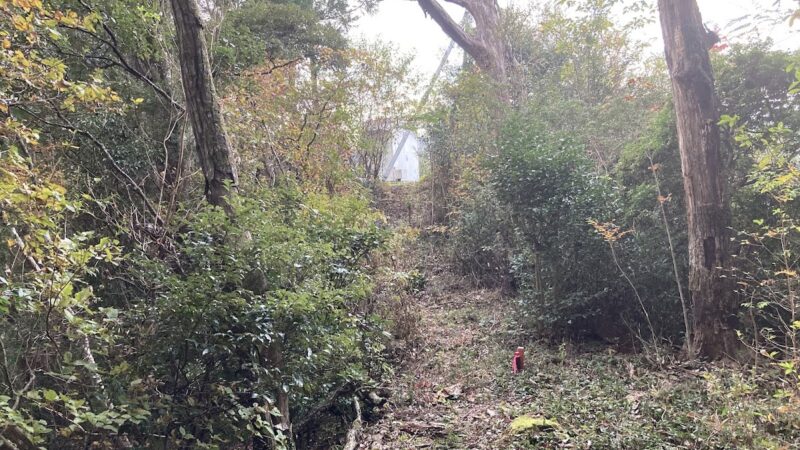
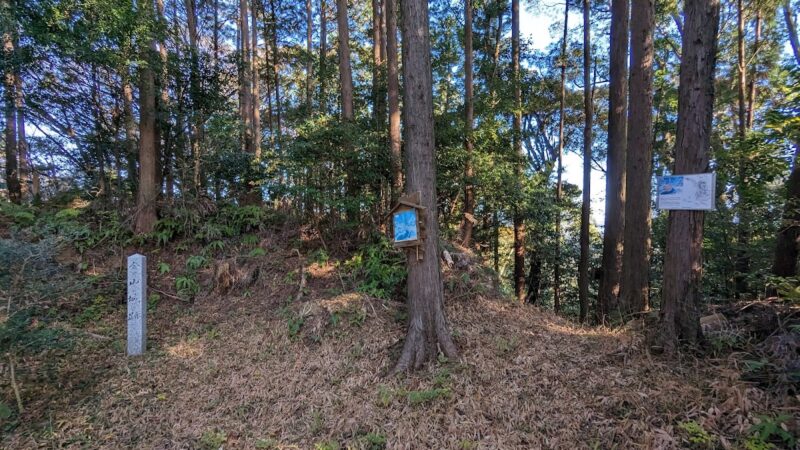
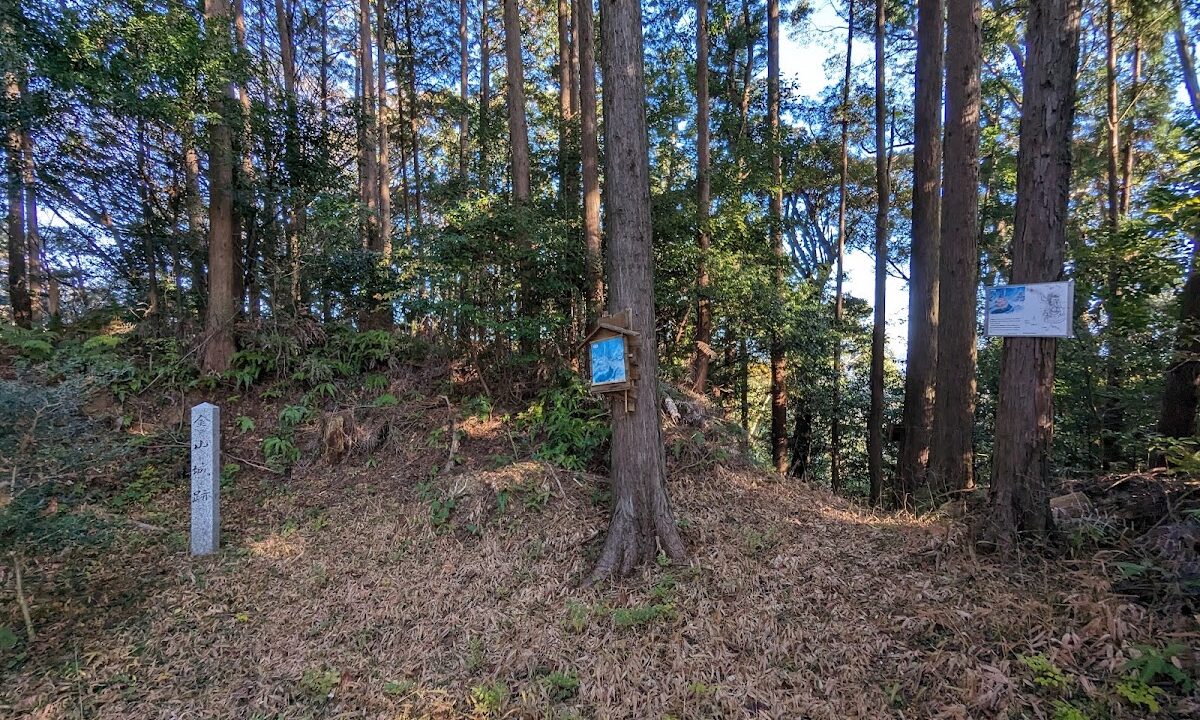
Nushida Kanayama Castle is being preserved and maintained by local history enthusiasts and the local government. Information boards are installed along the path to the castle, making it easy for first-time visitors to understand the location and significance of the remains.
Regular mowing and cleaning activities keep the remains in good condition, creating an environment that is easily accessible to castle enthusiasts. Thanks to these local efforts, Nushida Kanayama Castle functions as an important historical site that conveys the mountain castle culture of Tosa to future generations.
Photography Tips
Here are some photography tips for visiting Nunoshida Kanayama Castle:
- Panoramic View of the Dry Moat: Photographing the entire dry moat from its edge conveys its scale and depth.
- View from the End of the Moat: On a clear day, you can see the surrounding mountains and the Kochi Plain.
- Cross-section of the Moat: Photographing the moat from its side reveals the scale of the terrain modification.
- Lines of the Earthworks: Photographing the series of earthworks from a low angle expresses the continuity of the defensive line.
Access and Climbing Guide to Nunoshida Kanayama Castle
Basic Information
- Location: Nunoshida, Kochi City, Kochi Prefecture
- Elevation: Approximately 100 meters
- Climbing Time: Approximately 15-20 minutes one way
- Difficulty: Beginner to Intermediate (Well-maintained hiking trail available)
- Parking: Limited parking available (see below)
Access by Car
Main Route
From central Kochi City, head north on National Route 32 towards the bridge on Prefectural Route 249 over the Kokubu River. From the west end of the bridge, head north along the embankment, and you will see the JA Kochi City Nunoshida building on your left.
Approach to the Castle Entrance
There is a narrow road to the north (right) of JA Kochi City Nunoshida; follow this road towards the mountain. The road is narrow, so drive carefully. After a short distance, you will come to a cemetery; the trailhead is near the end of the cemetery.
Parking
There is limited parking space around the cemetery, but please be considerate of those visiting the graves. There is also a route from Fureai Hiroba (Community Plaza), which has a relatively larger parking area.
Access by Public Transportation
Bus Access
You can also access the castle on foot after getting off at the bus stop for Nunoshida on the Tosa Electric Railway. However, it takes about 20-30 minutes to walk from the bus stop to the castle entrance, so plan accordingly.
Detailed Castle Ascent Route
Main Route (Via JA Nunoshida)
- Proceed along the narrow road north of JA Kochi City Nunoshida.
- Pass through the cemetery and enter the mountain trail from the end of the cemetery.
- Follow the signs and climb the mountain path.
- Reach the final section in about 15-20 minutes.
Sub-Route (Via Fureai Hiroba)
You can also ascend from Fureai Hiroba, located slightly south of JA Nunoshida. This route is relatively gentle and has easy parking, making it recommended for beginners.
Points to Note When Visiting the Castle
- Clothing: Since you will be walking on mountain paths, athletic shoes or trekking shoes are recommended.
- Season: In summer, the vegetation is lush, so long sleeves and long pants are safer.
- Insect Repellent: Bring insect repellent spray during seasons when mosquitoes and gnats are abundant.
- Drinking Water: Hydration is especially important in summer.
- Time Allocation: Although the elevation is low, a thorough visit to the ruins will require approximately 1-2 hours round trip.
- Weather: The ground can become slippery in rainy weather, so a visit on a sunny day is recommended.
Castles to Visit in Combination with Nearby Tourist Spots
Tosa Shrine (Tosa Taisha)
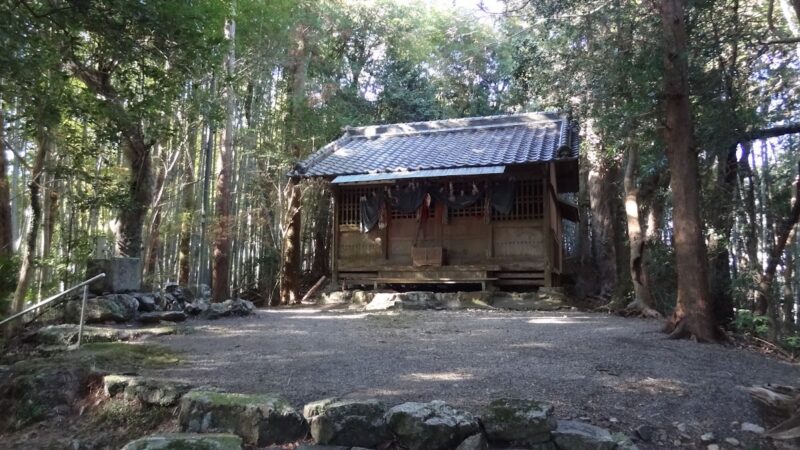
Tosa Shrine, where Ishitani Shigenobu, the lord of Nunoshida Kanayama Castle, served as a Shinto priest, is located about 10 minutes by car from Nunoshida. As the Ichinomiya (first-ranked shrine) of Tosa Province, it has long attracted worshippers and is attractive for its magnificent shrine buildings and abundant nature.
Visiting the Ishitani clan’s shrine in conjunction with a visit to Nunoshida Kanayama Castle will allow you to gain a deeper understanding of their dual roles as samurai and Shinto priests.
Okotoyo Castle Ruins (Kochi Prefectural Museum of History and Folklore)
The Okotoyo Castle Ruins, the main castle of the Chosokabe clan, are located about 15 minutes by car from Nunoshida Kanayama Castle. The Kochi Prefectural Museum of History and Folklore is adjacent, where you can learn in detail about the history of the Chosokabe clan and the Sengoku period in Tosa.
The Okotoyo Castle Ruins also retain well-preserved remains of a mountain castle, and visiting both Nunoshida Kanayama Castle and Okotoyo Castle will allow you to experience the Chosokabe clan’s castle network.
Kochi Castle
Kochi Castle, a representative castle of Tosa, is about 20 minutes by car from Nunoshida. It is a valuable castle with an existing keep and is designated as a National Important Cultural Property.
By comparing Nunoshida Kanayama Castle, a mountain castle from the Sengoku period, with Kochi Castle, a castle from the early modern period, you can understand the development process of castle architecture. ### Kokubunji Temple (Tosa Kokubunji Temple Ruins)
The ancient Tosa Kokubunji Temple ruins are located near Fushida Kanayama Castle. The remains of the temple, built during the Nara period, are still preserved, offering a glimpse into the layered history of Tosa from ancient times through the medieval and early modern periods.
How to Enjoy Visiting Fushida Kanayama Castle
How to Enjoy as a Castle Enthusiast
Observing the Ruins
Bringing a castle layout map and comparing it to the actual terrain will help you understand the castle’s design philosophy. Observing the arrangement of dry moats and earthworks, and the elevation differences of the baileys, allows you to learn about the castle-building techniques of the Sengoku period.
Photography
Fushida Kanayama Castle, with its ever-changing seasonal scenery, is also an attractive subject for photography. Especially during the fresh green season and autumn foliage season, you can enjoy the beautiful scenery where nature and the ruins harmonize.
Enjoying the Site as a Historical Exploration
Following the Footsteps of the Chosokabe Clan Starting from Nunoshida Kanayama Castle, you can experience the history of the unification of Tosa by visiting castles associated with the Chosokabe clan, such as Okotoyo Castle and Urado Castle.
Learning Local History By visiting while learning about the history and culture of the Nunoshida area, you can understand the role the castle played in the local community. Prior study at local libraries and museums will lead to a deeper understanding.
Enjoying the Site as a Hiking Trip
With an elevation of approximately 100 meters, it’s a suitable and easy hiking course. It’s easily accessible, even for locals who climb during their lunch break, making it ideal for getting some exercise.
Enjoy the view from the summit and refresh yourself in nature. However, it’s recommended to visit with plenty of time to spare.
Research and Preservation Activities for Nunoshida Kanayama Castle
Academic Surveys and Research
The Kochi Prefectural Buried Cultural Properties Center conducts fieldwork and lectures on Nunoshida Kanayama Castle. Programs such as the “Director’s Mountain Castle Lecture” allow participants to walk the castle ruins while listening to expert explanations, leading to a deeper understanding.
Through these academic surveys, the historical value of Nunoshida Kanayama Castle has been revealed, and the importance of its preservation has been recognized.
Local Preservation Activities
Preservation activities are continuously carried out by local history enthusiasts, the local government, and volunteer groups. Regular grass cutting, maintenance of hiking trails, and installation of information boards ensure that visitors can safely view the ruins.
Thanks to these local efforts, Nunoshida Kanayama Castle is being protected as a valuable cultural heritage to be passed down to future generations.
Future Challenges and Prospects
The preservation and utilization of Nunoshida Kanayama Castle faces the following challenges:
- Deterioration of Remains over Time: Measures to address deterioration of remains due to natural disasters and weathering
- Increasing Awareness: Disseminating information to let more people know the value of the castle
- Improving Access: Creating an environment where visitors can safely ascend the castle
- Continuing Research: Continuing academic research and accumulating new knowledge
By addressing these challenges, Nunoshida Kanayama Castle will further enhance its value as an important historical site that conveys the mountain castle culture of Tosa.
The Position of Nunoshida Kanayama Castle in Tosa’s Mountain Castle Culture
Characteristics of Tosa’s Mountain Castles
Due to its terrain of many rugged mountains, Tosa (present-day Kochi Prefecture) saw the construction of numerous mountain castles. Tosa mountain castles share the following common characteristics:
- Utilization of terrain: Layouts that make maximum use of the steep terrain
- Earth castles: Structures primarily based on earthworks and dry moats, rather than stone walls
- Compact design: Efficient defense achieved with the minimum necessary scale
- Coordination system: Regional control through a network of main castles and subsidiary castles
Fushida Kanayama Castle is a typical Tosa mountain castle possessing these characteristics, and played a part in the Chosokabe clan’s castle network.
Position in the Chosokabe Clan’s Castle Strategy
The Chosokabe clan adopted a strategy of placing numerous subsidiary castles around their main castle, Okotoyo Castle. Nunoshida Kanayama Castle, situated in a strategic location overlooking the important transportation route of the Kokubu River basin, is believed to have played the following roles:
- Information Gathering: Monitoring the movements of people traveling along the road
- Defense Base: Early detection of enemy incursions and reporting to Okotoyo Castle
- Regional Governance: A base for managing surrounding villages and collecting land tax
Thus, Nunoshida Kanayama Castle played a crucial role in the Chosokabe clan’s rule over Tosa Province.
Summary: The Charm and Value of Visiting Nunoshida Kanayama Castle
Nunoshida Kanayama Castle is a valuable Sengoku period mountain castle ruin remaining in Kochi City. Thanks to its history passed down from the Ishitani clan to the Chosokabe clan, its well-preserved remains such as dry moats and earthworks, and continuous preservation efforts by local residents, it remains an important historical site where one can experience the mountain castle culture of Tosa Province.
With its manageable elevation of approximately 100 meters and well-maintained hiking trails, this castle is easily accessible not only to castle enthusiasts but also to history buffs and hiking lovers. The surrounding area boasts numerous historically significant tourist spots, including Tosa Shrine, Okotoyo Castle Ruins, and Kochi Castle, and visiting them together will enhance your understanding of the area.
For those interested in the history of Tosa during the Sengoku period, those who want to experience the remains of a mountain castle firsthand, or those who simply want to enjoy a historical stroll amidst nature, Fushida Kanayama Castle is well worth a visit. When you visit Kochi, be sure to stop by Fushida Kanayama Castle and experience the spirit of the Sengoku period.