A Complete Guide to the History and Highlights of Kabuto Castle (Kameyama City, Mie Prefecture)
What is Kabuto Castle?
Kabuto Castle is a medieval mountain castle located in Kada-Ichiba, Kameyama City, Mie Prefecture. Also known as Ushitani Castle, Hakuyo Castle, and Kada Castle, it served as an important base for the Seki clan, who ruled the Suzuka River basin. Built in a strategic location within walking distance of JR Kansai Main Line Kada Station, the castle still retains remnants such as earthworks, stone walls, and wells, and was designated a Mie Prefecture Historic Site on March 14, 1981.
Built on Ushitani Mountain, approximately 200 meters above sea level, Kabuto Castle is located at the eastern foot of the Suzuka Mountains, controlling a strategically important point connecting the Tokaido Road and Ise Province. From the castle ruins, one can enjoy a panoramic view of the Ise Plain, imagining how the former lords looked out over their territory from this spot.
History of Kabuto Castle
Construction of the Castle and the Establishment of the Kabuto Clan
Kabuto Castle is believed to have been built during the Shohei era (1346-1370), specifically around 1367 (Joji 6th year/Shohei 22nd year), by Kabuto Sanuki-no-kami Morimune. The Kabuto clan originated when Shiro Morimune, the fourth son of Seki Morimasa, the sixth head of the Seki clan, a powerful daimyo family that ruled the Suzuka River area during the Sengoku period, took control of Kabuto Valley and adopted the name Kabuto.
The Seki clan was a powerful local lord in northern Ise Province, and the Kabuto clan was a branch family, one of the five important Seki families. When Morimune first entered Kabuto Valley, this castle was called Ushiya Castle. It is believed that the castle’s name was derived directly from the name of Ushitaniyama, the mountain from which the place name originated.
Renovation by Sadayoshi, the 7th head of the Kabuto clan
The name Kabuto Castle became established during the time of Sadayoshi, the 7th head of the Kabuto clan. It is said that Sadayoshi extensively renovated the castle, and it was at this time that the name Kabuto Castle came into use. This renovation strengthened the castle’s defensive capabilities, preparing it for the turmoil of the Sengoku period.
During the time of Sadayoshi’s son, Sadatomo, there is a record of a white hawk being presented to Shogun Ashikaga Yoshiharu. Because of this story, Kabuto Castle also came to be called Shirataka Castle (White Hawk Castle). A white hawk was an extremely valuable gift at the time, suggesting that the Kabuto clan valued their relationship with the Shogunate.
The Turmoil of the Sengoku Period and the Kabuto Clan
During the Sengoku period, the Kabuto clan served as powerful vassals of the Seki clan. Ise Province became the stage for fierce battles as Oda Nobunaga’s power expanded. The Seki clan was initially subordinate to the Kitabatake clan, but came under their control following Oda Nobunaga’s invasion of Ise Province.
The strategic value of Kabuto Castle lay in its control of the transportation route connecting the Tokaido Road and Ise Province. Located on a crucial route crossing the Kada Pass into Ise Province, it was a militarily and economically important base.
Fall and Abandonment of the Castle in the Tensho Era
The history of Kabuto Castle came to an end in 1583 (Tensho 11). In the succession dispute following the fall of Oda Nobunaga in the Honnoji Incident, Kabuto Sadayoshi sided with Oda Nobutaka. However, under attack from the forces of Oda Nobuo and Hashiba Hideyoshi, Kabuto Sadayoshi was forced to abandon the castle and leave the area.
During this period, the combined forces of Oda Nobuo and Hashiba Hideyoshi successively suppressed the forces of Oda Nobutaka’s faction in Ise Province. It is believed that Kabuto Castle also fell during this process and was subsequently abandoned. The history of the Kabuto clan, who ruled the Kabuto Valley for over 200 years, came to an end here.
Kabuto Castle’s Layout and Structure
Castle Layout and Characteristics
Kabuto Castle is a mountain castle built primarily on the summit of Ushitaniyama Mountain. Multiple baileys were arranged around the main enclosure, and its defenses were strengthened by earthworks and trenches. While it is a medium-sized mountain castle, its layout, which skillfully utilizes the terrain, is distinctive.
The JR Kansai Main Line tracks still cross the castle site, effectively dividing the castle grounds. Remains exist on both the north and south sides of the tracks, suggesting that some remains were destroyed during railway construction. However, even so, sufficient remains remain to understand the castle’s structure at the time.
Major Remains
Earthworks
Earthworks remain in various parts of the castle site. The earthworks around the main enclosure are particularly well-preserved, with earthworks approximately 2 meters high surrounding the enclosure. These earthworks served to prevent enemy intrusion and defend against arrow and gunfire.
Stone Walls
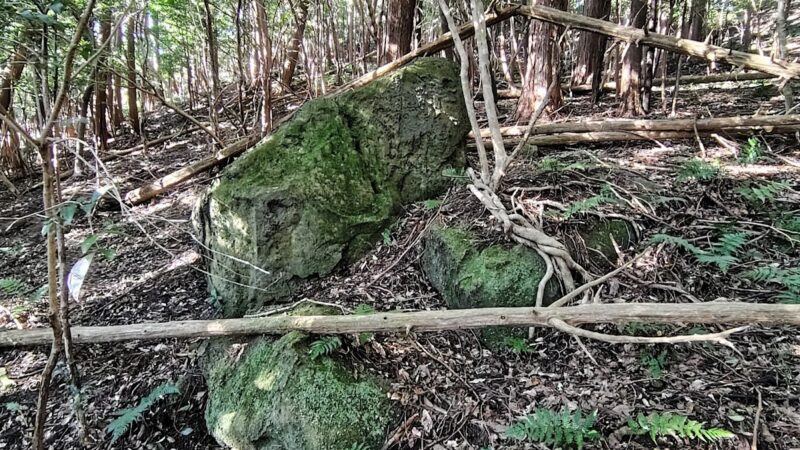
Stone wall remains have also been confirmed at Kabuto Castle. Relatively impressive stone walls remain for a medieval mountain castle, and are presumed to have been constructed during renovations in the late Sengoku period. These are rough-hewn stone walls, made by stacking natural stones, and are valuable resources for understanding the castle construction techniques of the time.
Well Sites
Multiple well sites have been confirmed within the castle grounds. Securing water was a matter of life and death for mountain castles, and wells were dug in preparation for sieges. The well sites, which remain as depressions today, offer a glimpse into the castle life of that time.
Gate Entrance
The remains of the gate entrance to the castle also remain. The koguchi (gate) was a crucial defensive point, featuring a complex structure designed to prevent enemy intrusion. The koguchi of Kabuto Castle combined earthworks and a moat.
Existence of Residence Site
Besides the castle on the mountaintop, it is believed that a residence site existed at the foot of the mountain. It appears that a typical medieval mountain castle system was employed, with administrative affairs conducted at the foot of the mountain and the castle on the mountaintop being used for siege during wartime. The area around the current Kada Market is presumed to be the site of the residence, and some remains have been confirmed through archaeological excavations.
Status of Excavation and Development
Excavation in Fiscal Year 2000
In fiscal year 2000, the Mie Prefectural Buried Cultural Properties Center conducted an excavation survey in conjunction with a road improvement project below the castle site. In the same year, the Seki Town Board of Education (at the time) also conducted a trial excavation on residential land north of the road. These surveys provided new insights into the extent and structure of the castle site.
The survey confirmed the structure of the earthworks, the arrangement of the moats, and the remains of buildings, revealing the actual state of the castle that could not be understood from historical documents alone. Excavated artifacts confirm the castle’s use from the late 14th century to the late 16th century, consistent with historical records.
Preservation Status and Current Condition
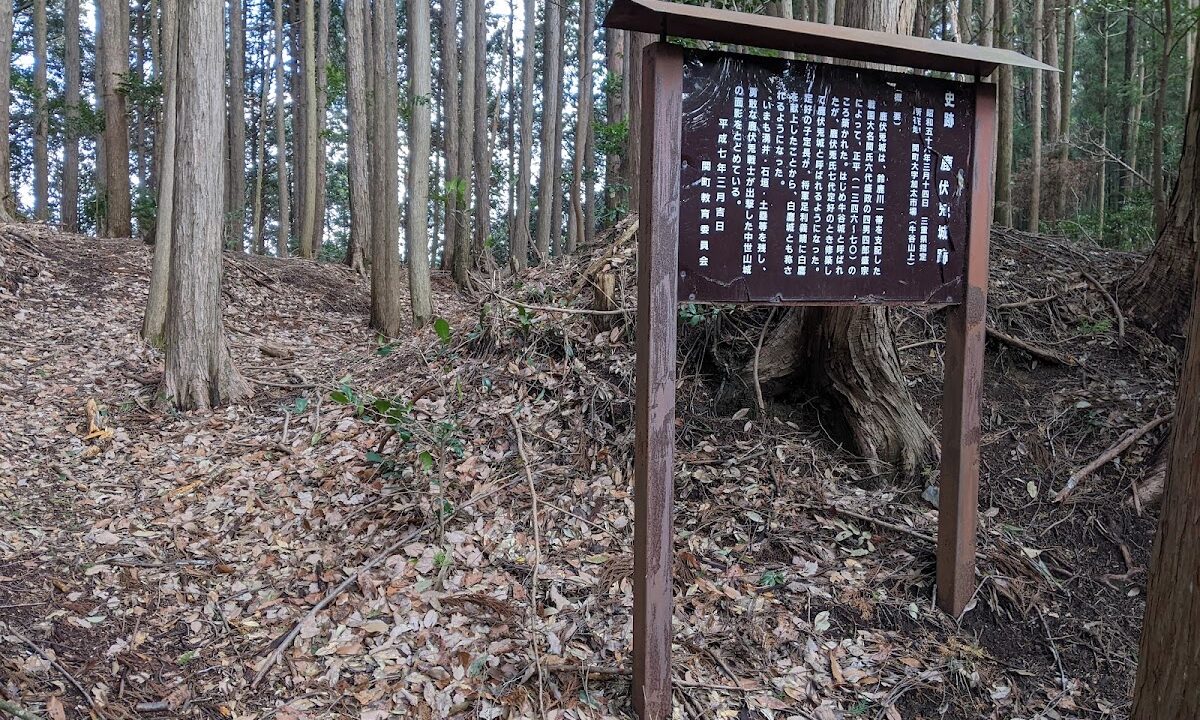
The Kabuto Castle ruins are protected as a Mie Prefecture designated historical site, but much of the area is covered in forest, and some of the remains are obscured by trees and undergrowth. However, the main remains are preserved in relatively good condition, making it a worthwhile place for history enthusiasts to visit the castle ruins.
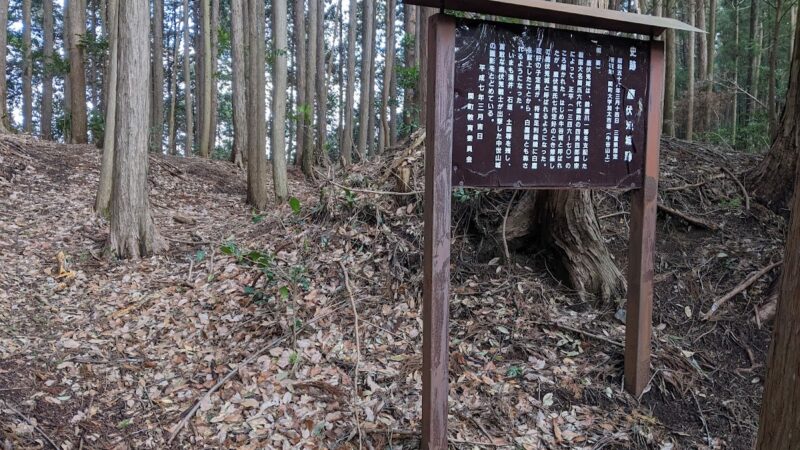
Explanatory boards and stone monuments are installed at the castle ruins to help visitors understand the castle’s history and structure. In particular, a magnificent stone monument stands near JR Kada Station, indicating the historical importance of Kabuto Castle.
Highlights of Kabuto Castle
Stone Monument and Information Board
A magnificent stone monument marking the Kabuto Castle ruins stands near JR Kansai Main Line Kada Station. This stone monument marks the entrance to the castle ruins, and many visitors begin their exploration from here. Detailed explanatory signs are also installed within the castle grounds, allowing visitors to learn about the castle’s history and structure.
Unique Landscape Crossing the Railway Tracks
One of the unique features of Kabuto Castle is the distinctive landscape, rarely seen at other castle ruins, where the JR Kansai Main Line railway tracks cross the castle grounds. It offers an interesting perspective as a place where you can witness the impact of modernization on historical heritage. Because the castle ruins are divided on both sides of the tracks, visitors must be careful and prioritize safety while exploring.
Remains of Earthworks and Stone Walls
Walking through the castle ruins, you can observe the remaining earthworks and stone walls up close. The earthworks around the main enclosure, in particular, are well-preserved, maintaining almost their original height. The stone walls also showcase the skillful construction of natural stones, allowing visitors to appreciate the medieval castle-building techniques.
Views
From the castle ruins on the mountaintop, you can enjoy a panoramic view of the Ise Plain. On a clear day, you can see as far as Ise Bay, giving you a real sense of why the Kabuto clan chose this location as their base. It’s a valuable place where even we, in modern times, can experience its strategic importance.
Location and Access Information
Basic Information
Location
1518, Okunohira, Kada-Ichiba, Kameyama City, Mie Prefecture (Ushiyayama Mountain)
Designation Classification
Mie Prefecture Designated Historic Site (Designated March 14, 1981)
Other Names
Ushiya Castle, Shirataka Castle, Kada Castle
Access by Public Transportation
JR Kansai Main Line
The castle ruins entrance is approximately a 5-minute walk from Kada Station on the JR Kansai Main Line. It’s known as a castle ruin that is very close to the station and easily accessible by public transportation. Kada Station is approximately 15 minutes from Kameyama Station and is also accessible from the Tsuge Station direction.
Access by Car
Tomeihan Expressway
It’s about a 10-minute drive from the Kameyama Interchange on the Tomeihan Expressway. From National Route 1, take the prefectural road to enter the Kada area.
Parking
There is no dedicated parking lot for the castle ruins, but there are some parking spaces around Kada Station. However, using public transportation is recommended for visitors.
Precautions for Visiting
The castle ruins are located in a forested area, so comfortable clothing and shoes are necessary. Particular caution is needed after rain, as the ground can become slippery. Also, there are places where you will need to cross the JR Kansai Main Line tracks, so please exercise caution regarding safety.
In summer, there are many insects such as mosquitoes and bees, so don’t forget insect repellent. Winter is a relatively easy season to visit, but sunset is early, so plan accordingly.
Nearby Tourist Attractions
Ise Kameyama Castle Ruins
There is another important castle ruin in Kameyama City, the Ise Kameyama Castle Ruins. The Tamon-yagura (multi-story turret) is known as the only surviving castle structure in Mie Prefecture and is an important cultural asset symbolizing Kameyama City. Visiting it together with Kabuto Castle will give you a deeper understanding of Kameyama City’s castle history.
Mine Castle Ruins
Kameyama City also has the ruins of Mine Castle, allowing for a historical walk through the castle complex of the Seki clan. Visiting these castle ruins will give you a three-dimensional understanding of the power dynamics in northern Ise Province during the Sengoku period.
Sekijuku
Sekijuku, which flourished as a post town on the Tokaido highway, is about a 20-minute drive from Kabuto Castle. Its Edo-period townscape is preserved, and it has been designated a National Important Preservation District for Groups of Traditional Buildings. Visiting it together with a visit to Kabuto Castle allows you to experience different eras of history.
Historical Walk in the Kada District
The Kada district, where Kabuto Castle is located, retains traces of the old highway. You can explore the local history while feeling the atmosphere of the former post town. The local history museum also displays materials related to Kabuto Castle and the Seki clan.
Attractions of Visiting Kabuto Castle
Value for History Enthusiasts
Kabuto Castle possesses a typical structure and history as a castle of a local powerful family during the Sengoku period (Warring States period). It is an ideal place to learn about the characteristics of medieval mountain castles, which differ from large-scale early modern castles. By learning about the history of the Seki clan, a powerful local lord of Ise Province, you can gain insight into the realities of regional society during the Sengoku period.
Easy Access
Its extremely easy accessibility, within walking distance of JR Kada Station, is another attractive feature for a mountain castle. While visiting mountain castles usually requires long hikes, Kabuto Castle is an easily accessible castle ruin, making it recommended for beginners.
Excellent Preservation
As it is protected as a Mie Prefecture designated historical site, the main remains are preserved in excellent condition. Being able to actually observe important elements of a medieval mountain castle, such as earthworks, stone walls, and well remains, is extremely valuable for history study.
Summary
Kabushito Castle, located in Kada-Ichiba, Kameyama City, Mie Prefecture, is a medieval mountain castle and an indispensable historical site when discussing the Sengoku period history of Ise Province. Built by Kabushito Morimune during the Shohei era, it functioned as the residence of the Kabushito clan for approximately 200 years. Also known as Ushitani Castle and Shirataka Castle, this castle was an important base controlling a strategic point in the Suzuka River basin until its fall in 1583 (Tensho 11).
The remaining earthworks, stone walls, and well remains are valuable resources for understanding the structure of medieval mountain castles. Its convenient access, within walking distance of JR Kansai Main Line Kada Station, is also a major draw, making it a historical site worth visiting for a wide range of people, from history enthusiasts and castle fans to those interested in local history.
Visiting the Kabushito Castle ruins, protected as a Mie Prefecture designated historical site, allows you to experience firsthand the history of Ise Province and the Seki clan during the Sengoku period. Visiting the nearby Ise-Kameyama Castle ruins and Sekijuku will provide a deeper understanding of the region’s history. If you’re looking for a historical sightseeing destination, be sure to visit Kabuto Castle.