History and Highlights of Chikara-o Castle (Komono-cho, Mie-gun, Mie Prefecture) | A Sengoku Period Castle Ruins Built by Hijikata Takehisa
Chikara-o Castle is a Sengoku period castle located in Komono-cho, Mie-gun, Mie Prefecture. Although only a portion of the remains survive today, it is attracting attention among history enthusiasts as a castle that played an important role in the history of the Sengoku period in northern Ise. This article provides a detailed overview of Chikara-o Castle, from its historical background to its current state and access methods.
Overview and Location of Chikara-o Castle
Chikara-o Castle was a hilltop castle located near 158 Komono, Komono-cho, Mie-gun, Mie Prefecture. It was conveniently located about a 6-minute walk from Komono Station on the Kintetsu Yunoyama Line, in the present-day center of Komono-cho.
Geographical Characteristics
Komono-cho, where Chikara-o Castle was built, is located at the eastern foot of the Suzuka Mountains and was a strategically important location overlooking the Ise Plain. Located at a strategic point along the Happo Kaido, a side road of the Tokaido, and serving as an important link between northern Ise and Omi, it held significant military value.
While Mie Prefecture boasts numerous famous castles such as Iga Ueno Castle, Matsusaka Castle, Tsu Castle, and Kuwana Castle, Rikio Castle, though smaller in scale, was an important castle that functioned as a base for regional control.
History of Rikio Castle
Background of Construction and Hijikata Katsuhisa
Rikio Castle was built by Hijikata Katsuhisa. Construction is believed to have taken place after 1583 (Tensho 11).
Hijikata Katsuhisa was a samurai serving Oda Nobuo. Oda Nobuo was the second son of Oda Nobunaga and controlled the northern Ise region after the Honnoji Incident. Katsuhisa, as a retainer of Nobuo, was entrusted with governing this region.
The Situation in Northern Ise during the Tensho Period
The construction of Rikio Castle was rooted in the complex political situation of the Tensho period. After the Honnoji Incident in 1582, the power dynamics of the Oda clan changed dramatically.
Particularly important are the events before and after the Battle of Shizugatake in 1583. During this period, Takigawa Kazumasu held power in northern Ise, but he was defeated by the invasion of Hashiba Hideyoshi (later Toyotomi Hideyoshi). As a result, northern Ise became the territory of Oda Nobuo, and this land was given to Hijikata Takehisa, who served Nobuo.
Takigawa Kazumasu and the Battle of Northern Ise
Takigawa Kazumasu was one of Oda Nobunaga’s senior retainers and was entrusted with Kozuke Province as the Kanto Kanrei (Governor of the Kanto region). However, after the Honnoji Incident, he was defeated by the Hojo clan at the Battle of Kannagawa and returned to Ise. Kazumasu claimed control of northern Ise, but ultimately succumbed to Hideyoshi’s overwhelming military power.
To fill this political vacuum, Oda Nobuo established control of northern Ise, and it is believed that his subordinate, Hijikata Takehisa, was granted the land of Rikio, where the castle was built.
Relationship with Oda Nobuo
After the death of his father, Nobunaga, Oda Nobuo formed a domain centered on Ise and Owari. However, he was in a politically unstable position, as evidenced by his conflict with Hideyoshi in the Battle of Komaki and Nagakute in 1584.
Hijikata Takehisa is presumed to have been one of the local lords supporting Nobuo, governing the Komono area from Rikio Castle. This region was a crucial point both militarily and economically, as it was a vital route across the Suzuka Mountains to Omi.
Changes after the Edo Period
In the Edo period, the Komono area was established as the Komono Domain. The Komono Domain was a small domain of 12,000 koku ruled by the Hijikata clan, but it survived until the Meiji Restoration.
It is believed that Rikio Castle itself was abandoned in the early Edo period, and the domain’s administrative functions were moved to the Komono Jinya (fortified residence). The Komono Jinya was established in a different location from Rikio Castle and became the center of domain administration.
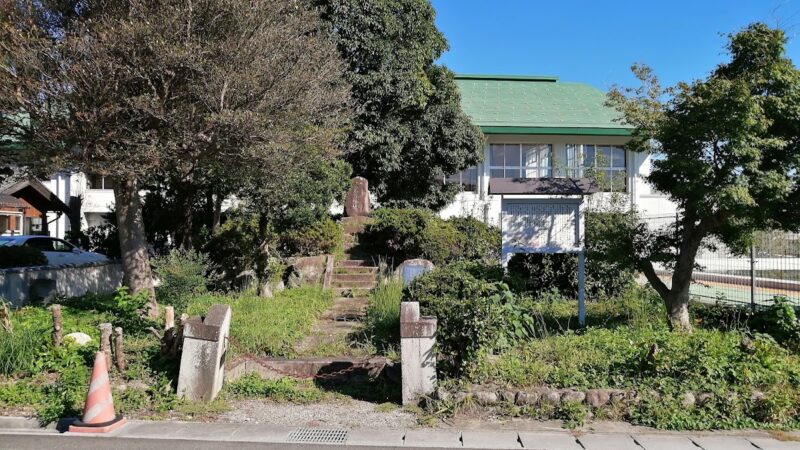
Currently, the site of Rikio Castle has been urbanized, making it difficult to confirm clear remains, but traces of it remain in the place names and topography.
Structure and Layout of Rikio Castle
Scale of the Castle
Rikio Castle was a small to medium-sized castle classified as a hill castle. While detailed layout maps do not remain, the topography and surrounding conditions suggest it was a typical residence of a local lord during the Sengoku period.
Defensive Structures
As a castle from the Sengoku period, it is believed to have had the following defensive structures:
- Earthen ramparts: Earthen walls to prevent enemy intrusion
- Moat: Defensive ditches surrounding the castle
- Enclosure: Partitioned defensive spaces
- Tiger’s mouth: Defensive gates serving as entrances to the castle
Compared to other castles of the same period in Mie Prefecture, such as Kobe Castle and Kameyama Castle, Rikio Castle, though smaller in scale, is thought to have possessed sufficient functionality as a base for regional control.
Living Spaces
There must have been buildings for the castle lord, Hijikata Takehisa, and his retainers to live in. Unlike full-fledged early modern castles using stone walls, it is presumed that these were mainly wooden structures.
Current Status of Rikio Castle
Preservation Status of Remains
Currently, the site of Rikio Castle is part of the Komono town urban area, making it difficult to clearly identify castle remains on the ground. Due to residential development and road construction, the original topography has been significantly altered.
However, traces of the former castle can still be found in subtle undulations of the terrain and in surrounding place names. Castle researchers and local history enthusiasts are working to estimate its location.
Signs and Information Boards
Currently, there are no large-scale information boards or signs at the Rikio Castle ruins. However, local history research groups are conducting investigations, and more detailed information may be revealed in the future.
Archaeological Excavations
To date, no large-scale archaeological excavations have been conducted at the Rikio Castle ruins. While urbanization limits future investigations, there remains the possibility of new insights being gained through partial investigations.
Highlights and Points of Visit at Rikio Castle
Exploring the Area Around the Castle Ruins
When visiting the Rikio Castle ruins, it is recommended to explore the area around Komono Station and imagine where the castle once stood. Although it is now a residential area, you may be able to sense remnants of the past in the topography and road layout. ### Historical Spots in Komono Town
When visiting the Rikio Castle Ruins, we recommend also visiting other historical spots in Komono Town:
- Komono Jinya Ruins: The site of the administrative office of the Komono Domain during the Edo period
- Komono Castle Ruins: The ruins of a castle also known as Chigusa Castle
- Kenshoji Temple: The family temple of the Hijikata clan, lords of the Komono Domain
Visiting these spots will allow you to gain a deeper understanding of Komono’s history.
Combining with Yunoyama Onsen
Komono Town is also a tourist destination known for Yunoyama Onsen (hot springs). It’s possible to combine historical exploration and sightseeing by relaxing in the hot springs after exploring the castle ruins.
Connections to Surrounding Castles
Northern Ise Castle Network
Rikio Castle functioned as part of the Northern Ise Castle Network. The following castles existed in the surrounding area:
Kambe Castle (Suzuka City): The residence of the Kambe clan, located at a strategic point on the Tokaido road.
Kameyama Castle (Kameyama City): The central castle of Kameyama, a post town on the Tokaido road.
Kuwana Castle (Kuwana City): A water castle facing Ise Bay, the northern gateway to Ise Province.
Chikusa Castle (Komono Town): A castle located in Komono Town, the same town as Rikio Castle.
These castles shaped the history of the region, sometimes cooperating and sometimes clashing, depending on the political and military situation in northern Ise.
Castles of the Three Provinces of Ise
Mie Prefecture has historically consisted of Ise Province, Iga Province, Shima Province, and a part of Kii Province. Each region boasts unique castles:
Ise Province: Rikio Castle, Tsu Castle, Matsusaka Castle, Tamaru Castle, etc.
Iga Province: Iga Ueno Castle, Kitabatake Clan Residence, etc.
Shima Province: Toba Castle, etc.
By visiting these castles, you can understand the history of castles throughout Mie Prefecture.
Access Methods
Access by Public Transportation
Train: Get off at Kintetsu Yunoyama Line “Komono Station,” approximately 6 minutes on foot.
- From Nagoya: Kintetsu Nagoya Station → Kintetsu Yokkaichi Station (transfer) → Komono Station (approx. 50 minutes)
- From Osaka: Osaka Namba Station → Kintetsu Yokkaichi Station (transfer) → Komono Station (approx. 2 hours)
Komono Station is an unmanned station, but it has a certain number of users as a gateway to Yunoyama Onsen.
Access by Car
Tomeihan Expressway: Approximately 15 minutes from Yokkaichi IC
Shin-Meishin Expressway: Approximately 5 minutes from Komono IC
Setting “Komono, Komono-cho, Mie-gun, Mie Prefecture” or “Komono Station” as your destination on your car navigation system is convenient.
Parking Information
There is no dedicated parking lot at the castle ruins themselves, but there are public parking lots around Komono Station and the Komono Town Hall. Parking lots in the direction of Yunoyama Onsen are also available.
Notes for Visitors
Considerations for Visitors
The site of Rikio Castle is currently a residential area. Please note the following when visiting:
- Do not trespass on private property.
- Be considerate of residents and avoid making excessive noise.
- When taking photographs, be careful not to include houses or residents in your shots.
- Please take all your trash with you.
Best Time to Visit
Since Rikio Castle Ruins are outdoors, they can be visited year-round, but the following times are especially recommended:
Spring (March-May): The weather is mild and ideal for strolling.
Autumn (October-November): The autumn foliage season, and the scenery around Yunoyama Onsen is also beautiful.
Summer is extremely hot, and winter brings cold winds from the Suzuka Mountains, so warm clothing is necessary.
Estimated Time Required
If you only plan to stroll around Rikio Castle Ruins, 30 minutes to 1 hour is sufficient. If you combine it with other historical sites in Komono Town or Yunoyama Onsen, it is recommended to plan a half-day to full-day itinerary.
The History and Culture of Rikio Castle and Komono
Establishment of the Komono Domain
During the Edo period, Komono was established as the Komono Domain under the Hijikata clan. The first lord was Hijikata Takeshi (a descendant of Takehisa), and the Hijikata clan ruled the domain until the Meiji Restoration.
Although the Komono Domain was a small domain with a stipend of 12,000 koku, it possessed its own economic base through the management of Yunoyama Onsen (hot spring resort) and the maintenance of the road crossing the Suzuka Mountains.
Komono in the Modern Era
After the Meiji Restoration, the Komono Domain became Komono Prefecture under the abolition of the feudal system and was later incorporated into Mie Prefecture. Present-day Komono Town has developed as a tourist destination centered around Yunoyama Onsen.
In recent years, the development of a ropeway to Mount Gozaisho and complex hot spring resort facilities such as Aqua Ignis has made it a town that attracts many tourists.
Local Cultural Assets
Komono Town possesses many historical and cultural resources besides Rikio Castle:
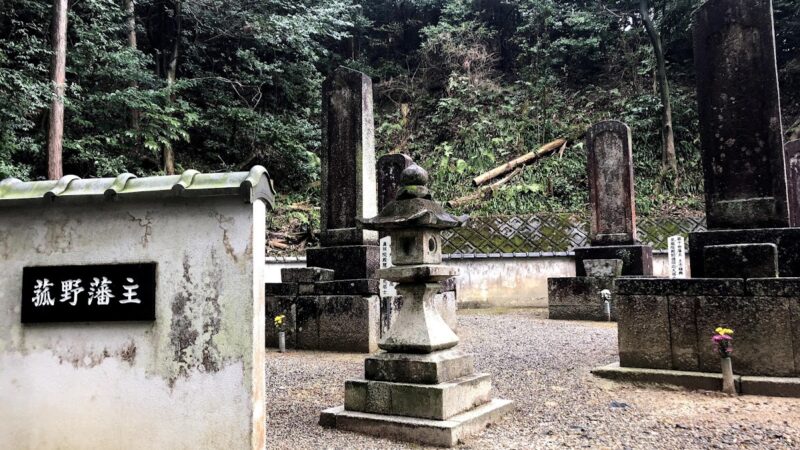
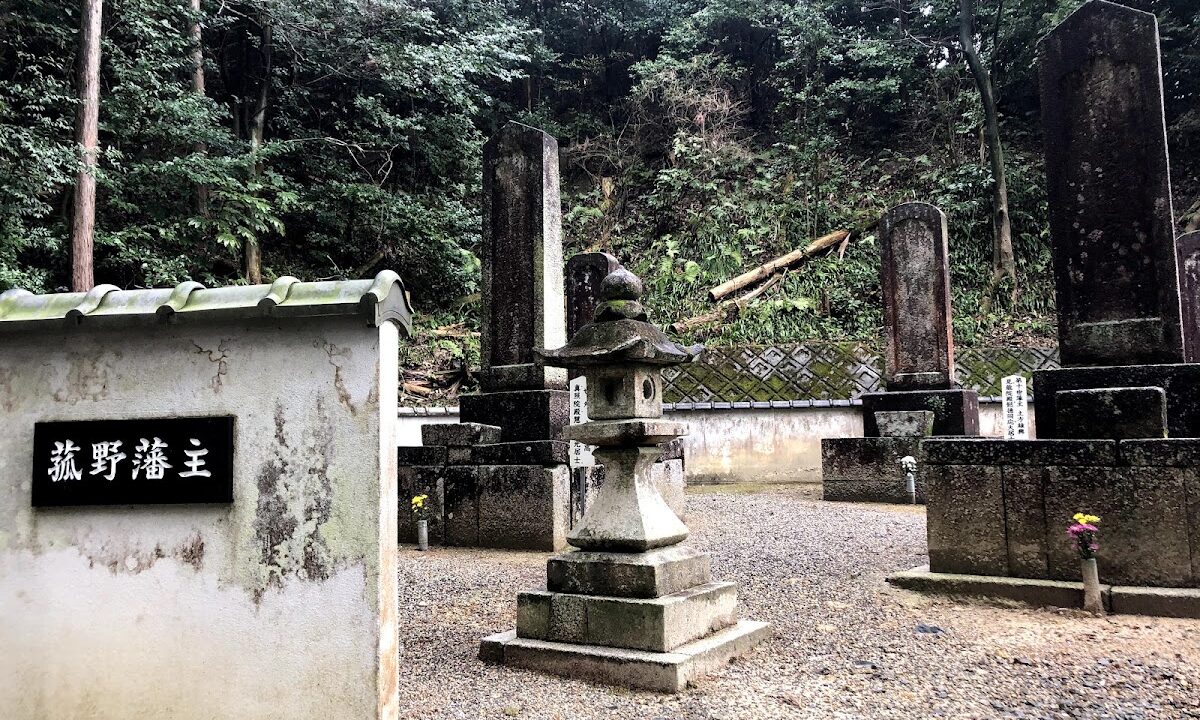
- Hijikata Family Cemetery at Kenshoji Temple: The burial grounds of the Hijikata family, lords of the Komono Domain.
- Remains of the Komono Jinya (fortified residence): Some stone walls and moats remain.
- Ancient Documents: Valuable historical materials related to the Komono Domain are preserved here.
These cultural assets are important materials that tell the history of Komono Town.
The Position of Rikio Castle in Castle Research
As a Local Lord’s Castle
Rikio Castle holds considerable value in castle research as a typical example of a local lord’s castle from the Sengoku period to the early Edo period.
Although smaller in scale compared to large-scale early modern castles (such as Iga Ueno Castle and Matsusaka Castle), it is an important example for understanding the realities of regional rule.
Castles of the Oda Clan’s Retainers
As a castle built by Hijikata Takehisa, a retainer of Oda Nobuo, it is an interesting example for understanding the layout of castles among the Oda clan’s retainers.
It provides clues to how local lords managed their territories amidst the complex political situation of the Tensho period.
Future Research Topics
Many aspects of Rikio Castle remain unknown, and further research is anticipated:
- Detailed reconstruction of the castle’s layout
- Determination of the construction date
- Identification of the period of abandonment
- Detailed clarification of the relationship between the Hijikata clan and Rikio Castle
Resolving these issues will provide a clearer picture of the Sengoku period history of northern Ise.
Castle Tours in Mie Prefecture and Rikio Castle
Characteristics of Castles in Mie Prefecture
Mie Prefecture has over 200 castle ruins confirmed, making it a treasure trove of castles. Its characteristics are:
- Regional Diversity: Castles belonging to different cultural spheres: Ise, Iga, Shima, and Kii
- Historical Diversity: Castles from various periods, from the medieval to the early modern era, remain
- Diversity of Builders: Built by diverse daimyo, including the Kitabatake, Oda, Gamo, and Todo clans
Recommended Castle Tour Routes
Starting from Rikio Castle, you can create the following castle tour routes:
Northern Ise Route: Rikio Castle → Kobe Castle → Kameyama Castle → Kuwana Castle (1-day course)
Mie Prefecture Traverse Route: Kuwana Castle → Rikio Castle → Tsu Castle → Matsusaka Castle → Iga Ueno Castle (2-day course)
Hot Springs and Castle Tour: Rikio Castle (Komono Onsen) → Yunoyama Onsen → Nagashima Onsen (Nagashima Castle Ruins) (1-day course)
Advice for Castle Enthusiasts
Unlike famous, touristy castles, Rikio Castle is a castle ruin that quietly tells the history of the region. When visiting:
- Learn about the historical background beforehand through historical materials.
- Imagine the castle’s past from the topography and place names.
- Gather information from local historians and museums.
- Visit it in conjunction with other nearby castles.
By approaching your visit with these considerations, you will gain a deeper understanding and greater satisfaction.
Summary
Rikio Castle is a Sengoku period castle located in Komono-cho, Mie-gun, Mie Prefecture, built by Hijikata Takehisa during the Tensho era. After Takigawa Kazumasu’s defeat, it played a crucial role in protecting a strategic point in northern Ise under the control of Oda Nobuo.
Although no clear remains exist today due to urbanization, it is an important castle for understanding the Sengoku period history of northern Ise. Its convenient access, approximately a 6-minute walk from Kintetsu Komono Station, is also a major attraction.
When visiting Komono Town, starting from the Rikio Castle ruins and exploring the surrounding historical sites and tourist attractions such as the Komono Jinya ruins and Yunoyama Onsen will make for a more fulfilling trip. Visiting other castles in Mie Prefecture, such as Iga Ueno Castle, Matsusaka Castle, Tsu Castle, and Kuwana Castle, will allow you to experience the rich castle culture of Mie Prefecture.
For castle enthusiasts, Rikio Castle may not be flashy, but it is a deeply meaningful castle site where you can carefully trace the history of the region.