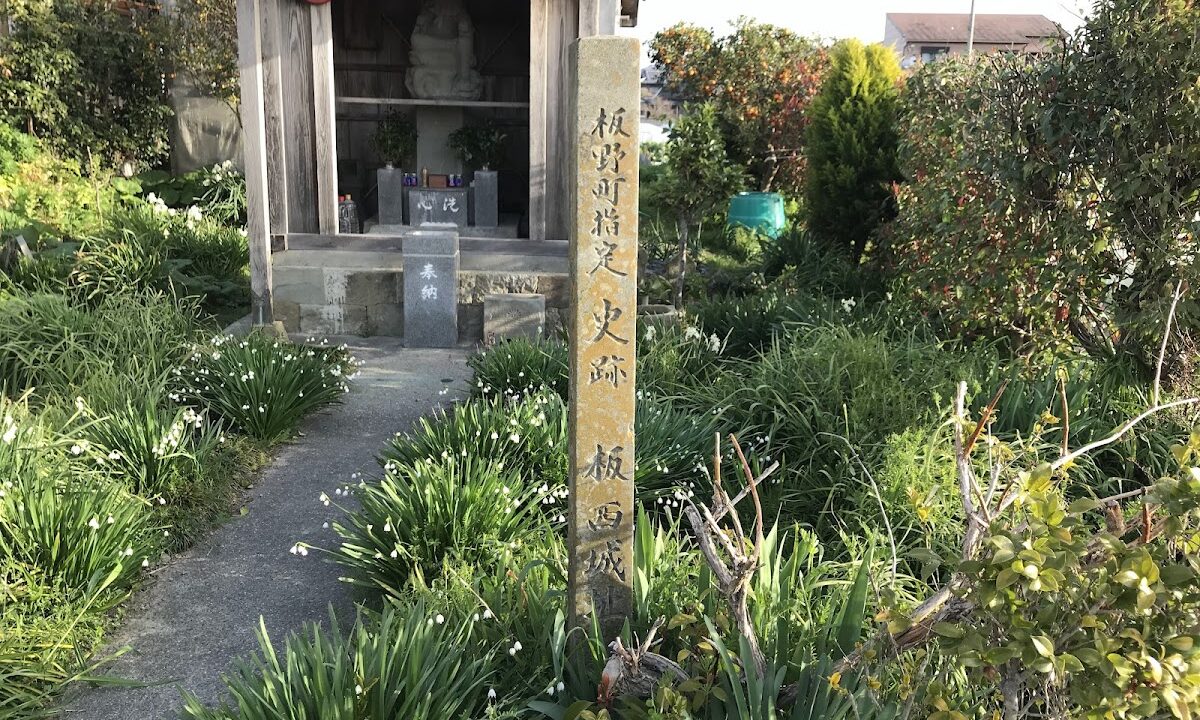
Banza Castle (Itano District, Tokushima Prefecture) Complete Guide: History, Highlights, and Access Information
What is Banza Castle?
Banza Castle is a medieval mountain castle located in Itano Town, Itano District, Tokushima Prefecture. It is said to have been built in 1177 (Jisho 1) and functioned as an important military base in Awa Province.
Its current location is around Kojō Wakamiya, Itano Town, Itano District, Tokushima Prefecture, and it has a history of being strategically important as an outpost of Shōzui Castle. It is an indispensable part of the history of medieval castles in the Shikoku region, and played a particularly important role in Chōsokabe Motochika’s invasion of Awa during the Tenshō era.
Basic Information on Itanishi Castle
- Location: Kojō Wakamiya, Itano-cho, Itano-gun, Tokushima Prefecture
- Year of Construction: Jishō 1 (1177)
- Castle Type: Hilltop Castle
- Main Lords: Itanishi clan, samurai under the Miyoshi clan
- Year of Abandonment: After Tenshō 10 (1582)
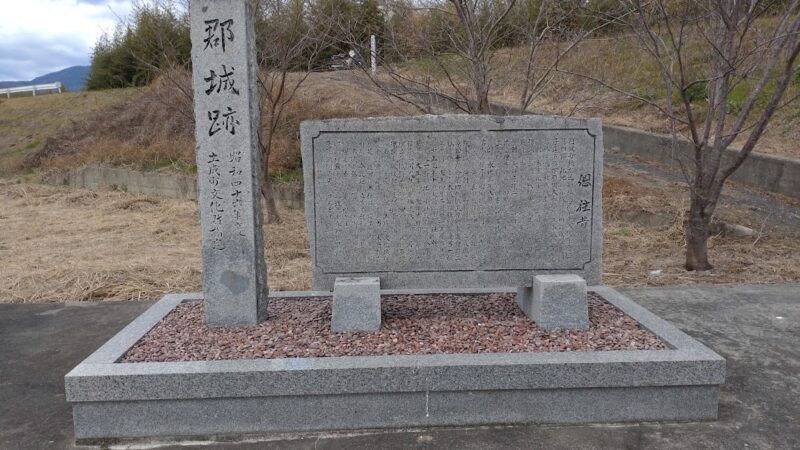
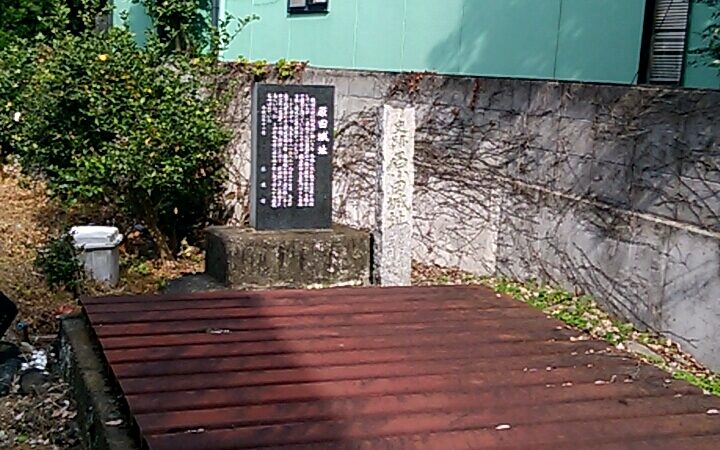
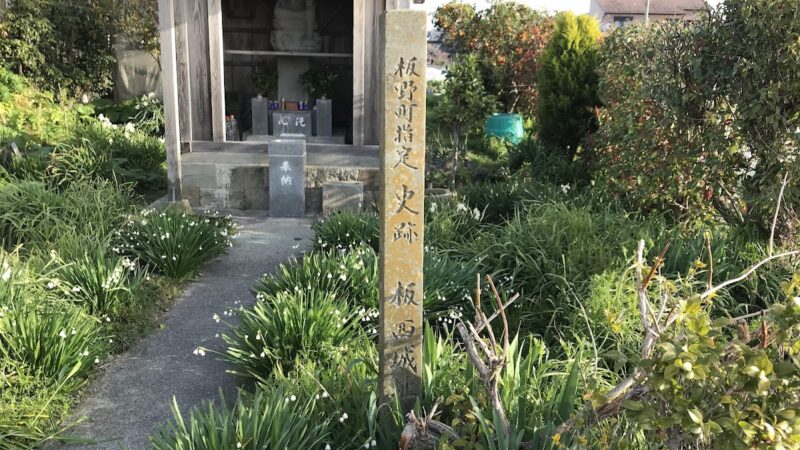
- Remains: Earthworks, bailey remains
- Designated Cultural Property: None
History of Itanishi Castle
Construction History and the Late Heian Period
Itanishi Castle is said to have been built in Jishō 1 (1177). This period was the late Heian period, a tense time just before the start of the Genpei War. It is believed to have been built by the Itanishi clan, one of the powerful samurai groups in Awa Province, and began to function as a base for regional control.
The castle’s connection to Minamoto no Yoshitsune has also been noted, and there is a legend that Yoshitsune passed through this area on his way to the Battle of Yashima. At that time, Awa Province was a crucial region where the forces of the Taira and Minamoto clans intersected, and Itanishi Castle’s importance increased within this political and military context.
Muromachi to Sengoku Periods: Under the Rule of the Miyoshi Clan
From the Muromachi period to the Sengoku period, Awa Province came under the control of the Hosokawa clan, and later their vassals, the Miyoshi clan. Itanishi Castle was positioned as an important outpost of the Miyoshi clan, whose base was Katsuzui Castle (present-day Aizumi-cho, Itano-gun, Tokushima Prefecture).
Katsuzui Castle was the political and economic center of Awa Province, and Itanishi Castle functioned as a defensive base protecting its northern territory. During the period when the Miyoshi clan wielded great power in the Kinai region, Awa Province increased in importance as the Miyoshi clan’s home province, and Itanishi Castle’s military value also increased.
The Battle of 1582
The most important event in the history of Itanishi Castle was the invasion of Awa Province by Chōsokabe Motochika on August 28, 1582.
Chōsokabe Motochika, who had unified Tosa Province (present-day Kochi Prefecture), began his invasion of Awa Province with the aim of unifying Shikoku. At this time, Itanishi Castle was defended by a general under the Miyoshi clan, who attempted to stop the advance of the Chōsokabe army.
Course of the Battle
The Chōsokabe army, with its overwhelming numbers and tactics, invaded Awa Province, capturing castles one after another. Itanishi Castle also suffered a fierce attack and is believed to have eventually fallen. After this battle, the power of the Miyoshi clan rapidly declined, and Awa Province came under the control of the Chōsokabe clan.
In 1585 (Tensho 13), Toyotomi Hideyoshi’s conquest of Shikoku took place, and the Chosokabe clan surrendered. Awa Province became the territory of the Hachisuka clan, and it is presumed that Itanishi Castle ceased to serve its purpose and was abandoned.
Structure and Layout of Itanishi Castle
Scale and Arrangement of the Castle
Itanishi Castle was built as a flatland castle, utilizing a relatively low hillside. In terms of scale, it is considered a small to medium-sized castle, and it is thought that multiple baileys were arranged around the main enclosure.
Based on the current topography, the following structure can be inferred:
- Main Enclosure (Honmaru): The central part of the castle, believed to have been the residence of the castle lord.
- Second Enclosure: Defensive positions arranged to surround the main enclosure.
- Earthwork: Defensive structures made of piled-up earth around each enclosure.
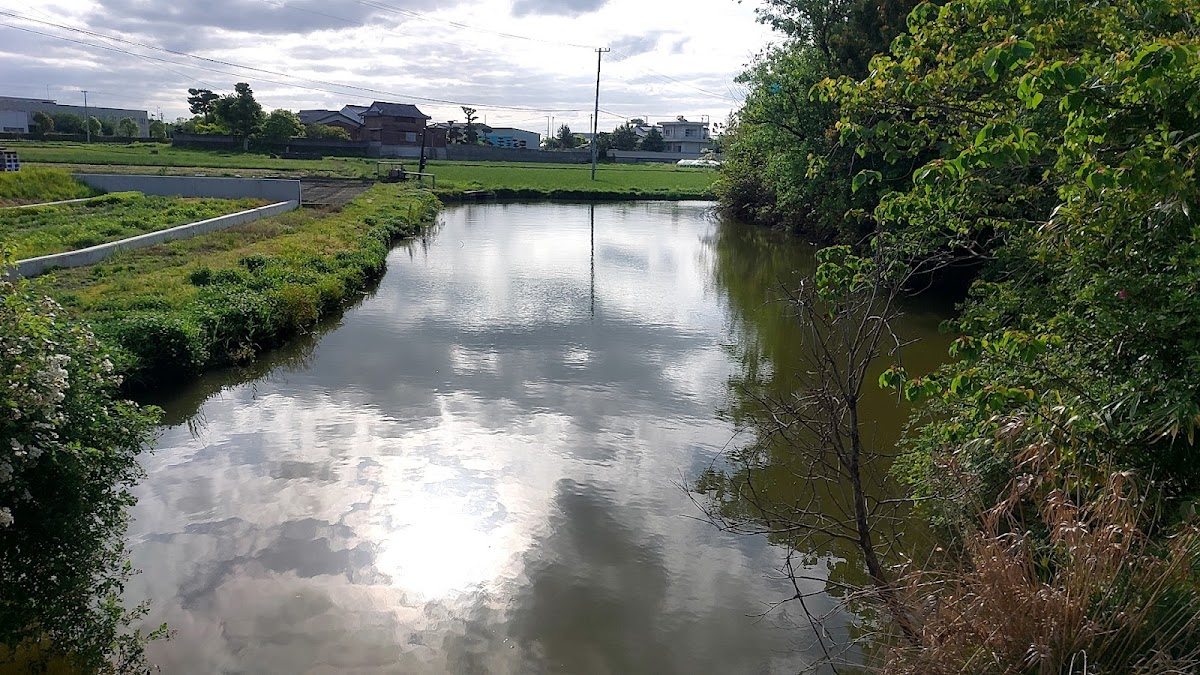
- Moat: Defensive structures dug to cut across the ridge (traces may remain).
Defensive System
As a medieval mountain castle, Itanishi Castle possessed a defensive system that skillfully utilized the natural terrain. It is believed that the differences in elevation of the hills were utilized to make it difficult for attackers to approach.
Given its location relative to Katsuzui Castle, Itanishi Castle is presumed to have played a role in monitoring and defending against invasions from the north, and that a communication system was in place. The possibility of facilities such as beacon towers and watchtowers has also been pointed out.
Highlights of Itanishi Castle
Existing Remains
At Itanishi Castle ruins, the following remains can still be observed:
- Traces of Earthworks: In some areas, elevations that appear to be the remains of earthworks can be seen.
- Remains of Enclosures: Flat terrain remains, allowing us to imagine the former layout of enclosures.
- Topographical Characteristics: The shape of the hilly area used as a castle site has been preserved.
Points to Note During Your Visit
When visiting Itanishi Castle ruins, paying attention to the following points will allow you to feel the history of the castle more deeply:
1. Observing the Topography
By carefully observing the topography of the castle ruins, you can understand how the natural hills were utilized as a castle. You can discern defensive ingenuity such as the difference in elevation and the way the view opens up.
2. Relative Position to Katsuzui Castle
Looking south from Itanishi Castle, you can see the direction where Katsuzui Castle was located. Experiencing the distance between the two castles provides a clearer understanding of their role as outposts.
3. Surrounding Historical Landscape
The area around Itano Town is dotted with place names, shrines, and temples that evoke the history of the Middle Ages. Visiting these historical sites in conjunction with the castle ruins will give you a more comprehensive understanding of the region’s appearance at that time.
Estimated Visiting Time
Visiting the Itano Castle Ruins requires approximately 15 to 30 minutes. If you plan to carefully observe the terrain or take photographs, it’s advisable to allow a little more time.
3. Surrounding Historical Landscape
The area around Itano Town is dotted with place names, shrines, and temples that evoke the history of the Middle Ages. Visiting these historical sites in conjunction with the castle ruins will provide a more comprehensive understanding of the region’s history.
Estimated Visiting Time
Visiting the Itano Castle Ruins requires approximately 15 to 30 minutes. If you wish to carefully observe the terrain or take photographs, it is recommended to allow a little more time. ## How to Access Itanishi Castle
Access by Train
The following routes are convenient when using public transportation:
- Get off at Itano Station on the JR Kotoku Line.
- Approximately 20 minutes on foot from the station to the castle ruins.
- Distance is approximately 1.5 km.
- Get off at Itanishi Station on the JR Kotoku Line.
- Approximately 15 minutes on foot from the station to the castle ruins.
- This station is closer to the castle ruins.
Access by Car
The following routes are recommended when visiting by car:
- From Aizumi IC on the Tokushima Expressway.
- Travel time: Approximately 10 minutes.
- Distance: Approximately 5 km.
- Route heading north on the prefectural road.
- From National Route 11.
- Use the prefectural road towards Itano Town.
- Follow the signs.
Parking Information
There is no dedicated parking lot around the castle ruins, but you may be able to use parking spaces at nearby public facilities or shrines. However, consideration must be given to avoiding causing inconvenience to local residents.
Map and Location Information
Itanishi Castle Ruins are located in Kojō Wakamiya, Itano-cho, Itano-gun, Tokushima Prefecture. You can check the approximate location by searching for “Itanishi Castle Ruins” or “Itano-cho Kojō” on your car navigation system or smartphone map app.
Itano-cho and Surrounding Area Tourist Information
About Itano-cho
Itano-cho is a town located in the northeastern part of Tokushima Prefecture, belonging to Itano-gun. It has a population of approximately 13,000 (as of 2024) and is a town with an industrial structure centered on agriculture.
Main Districts of Itano Town
- Inubushi
- Osaka
- Kawabata
- Ootera
- Suita
These districts were formerly settlements that made up Itano Village, each possessing its own unique history and culture.
Nearby Tourist Attractions
When visiting Itano Castle Ruins, we recommend also visiting the following nearby spots:
1. Katsuzui Castle Ruins (Aizumi Town)
The site of Katsuzui Castle, the main castle of Itano Castle. This castle flourished as the base of the Miyoshi clan and is now maintained as a historical park. It is approximately a 10-minute drive from Itano Castle.
2. Shikoku Pilgrimage Sites
Several pilgrimage sites of the Shikoku 88 Temple Pilgrimage are located around Itano Town, allowing visitors to experience history and the path of faith.
3. Itano Town Historical and Cultural Park
This facility allows visitors to learn about the town’s history and culture, exhibiting local traditional events and folk materials.
Accommodation
For those seeking accommodation around Itano Town, hotels and inns are available in the following areas:
- Tokushima City: Approximately 20 minutes by car, offering a variety of hotels.
- Naruto City: Approximately 15 minutes by car, also features hot spring facilities.
- Aizumi Town: A neighboring town with business hotels and other accommodations available.
Itano Castle and the Medieval History of Awa Province
The Sengoku Period of Awa Province
During the Sengoku period, Awa Province held an important position as the home province of the Miyoshi clan. Miyoshi Nagayoshi wielded great power in the Kinai region and established a political system known as the “Miyoshi regime.” Awa Province, his base, functioned as the economic and military foundation of the Miyoshi clan.
Itano Castle was positioned as one of the important branch castles protecting Katsuzui Castle within this Miyoshi clan’s system of rule.
Chosokabe Motochika’s Campaign to Unify Shikoku
Chosokabe Motochika, after unifying Tosa Province, began invading surrounding provinces with the aim of unifying all of Shikoku. During the Tensho era, he launched a full-scale invasion of Awa Province, systematically eliminating the forces of the Miyoshi clan.
The Battle of Itanishi Castle is positioned as part of this campaign to unify Shikoku and held significant importance in the process of establishing the Chosokabe clan’s rule in Awa Province.
Toyotomi Hideyoshi’s Conquest of Shikoku and the Hachisuka Clan
In 1585 (Tensho 13), Toyotomi Hideyoshi launched his conquest of Shikoku, forcing Chosokabe Motochika to surrender. As a result, Awa Province was given to Hachisuka Iemasa, leading to the establishment of the Tokushima Domain.
Itanishi Castle is believed to have already been abandoned by this time and did not function as a castle throughout the Edo period.
Preservation Status and Future of Itanishi Castle Ruins
Current Preservation Status
Itanishi Castle Ruins are currently not designated as a special cultural property and are maintained by local residents. While large-scale excavations and restoration work have not been carried out, the topography and some of the remains are relatively well-preserved.
Value in Castle Research
As a small to medium-sized medieval castle, Itanishi Castle has the following research value:
- An example of the Miyoshi clan’s castle network
- Study of the structure of a hilltop castle
- A strategic base during the Chosokabe clan’s invasion of Awa Province
- An important historical site for regional history research
Future Prospects
It is hoped that the value of Itanishi Castle Ruins as a regional historical asset will be re-recognized, and appropriate preservation and utilization will be pursued. Basic development such as the installation of information boards and surveying of the remains will increase opportunities for more people to learn about the history of Itanishi Castle.
Practical Information for Visiting Itanishi Castle
Best Time to Visit
Itanishi Castle Ruins are open year-round, but the following times are especially recommended:
- Spring (March-May): Mild weather, ideal for strolling
- Autumn (October-November): Beautiful autumn foliage and pleasant temperatures
- Winter (December-February): Good visibility, suitable for observing the ruins
Summer (June-September) may make observation of the ruins somewhat difficult due to overgrown vegetation.
Clothing and Items to Bring
When visiting the castle ruins, we recommend the following preparations:
- Comfortable walking shoes: Sneakers or hiking boots are recommended
- Long-sleeved shirt and long pants: To protect yourself from plants and insects
- Hat: For sun protection
- Drinking water: Essential, especially in summer
- Camera: For recording the ruins and scenery
- Map or smartphone: For checking your location on site
Precautions
- You may pass through private property, so please be considerate of local residents.
- Please take all your trash with you.
- Please be careful not to damage the ruins.
- Insect repellent spray is useful in summer.
- Visiting in a group is safer than visiting alone.
Other Castles in Itano District
Besides Itano Castle, there are several other medieval castle ruins in and around Itano District:
Katsuzui Castle (Aizumi Town)
The most important castle as the base of the Miyoshi clan. It has been designated a national historical site, and archaeological excavations are underway.
Ushiki Castle (Tokushima City)
This castle functioned as the Awa Province’s provincial governor’s residence and was a base for the Hosokawa clan.
Other Branch Castles
By visiting these castles, one can gain a deeper understanding of the medieval castle network and regional governance in Awa Province.
Summary
Itanishi Castle is a medieval castle site located in Itano-cho, Itano-gun, Tokushima Prefecture. Since its construction in 1177, it has played an important role in the history of Awa Province. In particular, as an outpost of Shōzui Castle and as the site of battles during Chōsokabe Motochika’s invasion of Awa in 1582, it is an indispensable historical site when discussing the history of the Shikoku region during the Sengoku period.
Although no large-scale remains exist today, the traces of earthworks and baileys allow us to imagine the castle’s structure at the time. When you visit Tokushima Prefecture, be sure to stop by the Itanishi Castle Ruins and reflect on the history of medieval Awa Province.
Its relatively easy accessibility, being within walking distance of JR Itanishi Station, is also a major draw. Visiting it along with the nearby Katsuzui Castle Ruins and the Shikoku Pilgrimage sites will make for a more fulfilling historical exploration.