Hinoe Castle (Minamishimabara City, Nagasaki Prefecture) Complete Guide | History, Highlights, and Access Information
Located in Kita-Arima-cho, Minamishimabara City, Nagasaki Prefecture, Hinoe Castle served as the residence of the Arima clan, who ruled Arima-sho in Takaki District, Hizen Province, and was the political and cultural center of the Shimabara Peninsula for approximately 400 years. Also written as Hinoe Castle, Hinoe Castle, Hinoe Castle, and Hinoe Castle, this castle became an important Jesuit base during the time of the Christian daimyo Arima Harunobu and is known as a place where Nanban culture flourished. Designated a national historic site in 1982, archaeological excavations continue to uncover new historical facts.
Overview of Hinoe Castle
Hinoe Castle is a mountain castle located in Otsuyakawana, Kita-Arima-cho, Minamishimabara City, Nagasaki Prefecture. Built on a hill approximately 100 meters above sea level, Hinoe Castle boasts an excellent location overlooking the Ariake Sea. The castle grounds feature a complex layout, centered around the main keep at the mountaintop, with the second bailey at the eastern foot of the hill, the third bailey to the west, and several other enclosures to the north.
A notable feature of the castle is the evidence of the evolution of castle construction techniques from the medieval to the early modern period. Excavations since the Heisei era have revealed a unique castle structure influenced by the architectural style of the Arima clan and Southern European culture, based on the structure of the stone walls and the discovery of roof tiles.
The Hizen Arima clan was a powerful local family that ruled the Shimabara Peninsula from the Kamakura period to the end of the Sengoku period, and Hinoe Castle was a symbol of their power. Many Christians resided in the castle town, and the construction of churches and seminaries created a unique landscape where Western and Eastern cultures intersected.
History of Hinoe Castle
From Construction to the Arima Clan Era
While there are various theories regarding the exact construction date of Hinoe Castle, the most widely accepted theory is that it was built when the Arima clan entered the Shimabara Peninsula during the Kamakura period. The Arima clan claimed descent from Fujiwara no Sumitomo and grew into a powerful local lord in Hizen Province.
During the Sengoku period (Warring States period), Hinoe Castle became a battleground for conflicts with powerful Kyushu daimyo such as the Ryuzoji and Otomo clans. The era of Arima Harunobu, who inherited the family headship in 1571 (Genki 2), is particularly important in the history of Hinoe Castle.
Arima Harunobu and the Rise of Christian Culture
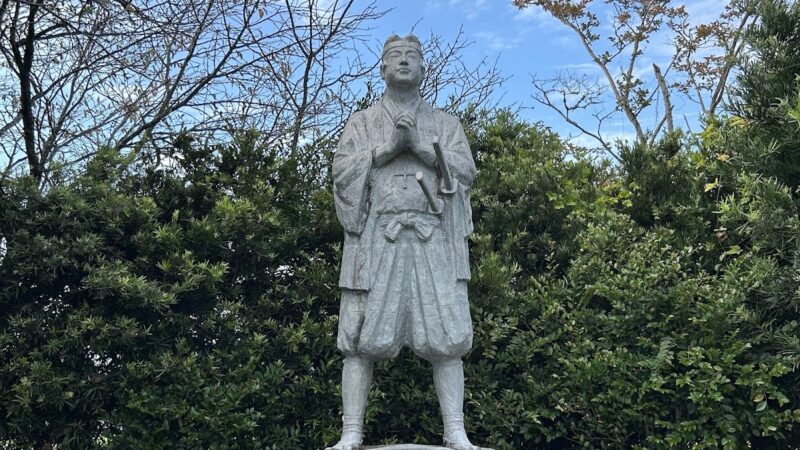
Arima Harunobu was baptized in 1580 (Tensho 8), becoming a Christian daimyo. He donated a portion of his territory to the Jesuits in order to receive military and economic support, partly for the political purpose of deterring the invasion of the Ryūzōji clan.
During this period, the town of Hinoe flourished as an important Jesuit missionary base and was deeply involved in the dispatch of the Tenshō Embassy to Europe. A seminary and printing press were established in the town, and Western technology and culture were actively introduced. Archaeological excavations have unearthed numerous artifacts, including Nanban tiles and objects adorned with cross motifs, attesting to the prosperity of Christian culture in the area.
Harunobu defeated Ryūzōji Takanobu at the Battle of Okita-Nawate (1584), establishing the power of the Arima clan. However, even after Toyotomi Hideyoshi’s expulsion order against missionaries (1587), he continued to protect missionaries and maintained his faith in Christianity.
The Okamoto Daihachi Incident and the Arima Clan’s Transfer
In 1612 (Keicho 17), Arima Naosumi, son of Arima Harunobu, was implicated in the Okamoto Daihachi Incident. This incident involved a corruption scandal in which the shogunate official Okamoto Daihachi accepted bribes, and Arima Naosumi was also allegedly involved, resulting in the confiscation of Hinoe Castle.
In 1616 (Genna 2), the Arima clan was transferred to Nobeoka in Hyuga Province (present-day Nobeoka City, Miyazaki Prefecture), bringing an end to the Arima clan’s rule over Hinoe Castle, which had lasted for approximately 400 years.
Matsukura Shigemasa’s Entry into the Castle and the Relocation to Shimabara Castle
After the Arima clan’s transfer, Matsukura Shigemasa entered the castle as the lord of the Shimabara Domain in Hizen Province. However, from 1618 (Genna 4), Matsukura Shigemasa began construction of a new Shimabara Castle and proceeded with plans to relocate the Shimabara Domain’s administrative center. With the completion of Shimabara Castle, Hinoe Castle ceased its role as a subsidiary castle and was abandoned around 1622. Since then, Hinoe Castle has disappeared from the historical stage, and the castle ruins have gradually returned to nature over many years.
Hara Castle and the Shimabara Rebellion
Hara Castle, a subsidiary castle of Hinoe Castle, is known as the site of the Shimabara Rebellion (1637-1638). Farmers, unable to bear the tyrannical rule of the Matsukura clan and the persecution of Christians, rose up and holed up in Hara Castle under the command of Amakusa Shiro Tokisada. Although this rebellion was suppressed by the shogunate army, it is remembered as an important event in the history of Christianity in Japan.
Structure and Remains of Hinoe Castle
Castle Layout
Hinoe Castle is a mountain castle with a multi-bailey layout, with the main keep at the highest point on the mountaintop and multiple baileys arranged to the east, west, north, and south. From the main enclosure (Honmaru), the Ariake Sea could be seen in its entirety, making it a strategically important location for monitoring and defending maritime traffic.
The main enclosure (Honmaru) was the core of the castle, and it is believed that the lord’s residence and other important buildings were located there. The second enclosure (Ninokuruwa) at the eastern foot of the hill was a relatively large, flat area, believed to have housed the residences of retainers and administrative facilities. The third enclosure (Sannomaru) on the west side had a similar function and was an important point of contact with the castle town.
To the north, multiple defensive structures, including enclosures 11 and 12, were arranged in stages, creating a structure that hindered enemy intrusion. These enclosures were positioned along the ridgeline, demonstrating skillful castle construction techniques that cleverly utilized the natural terrain.
Stone Walls and Earthworks
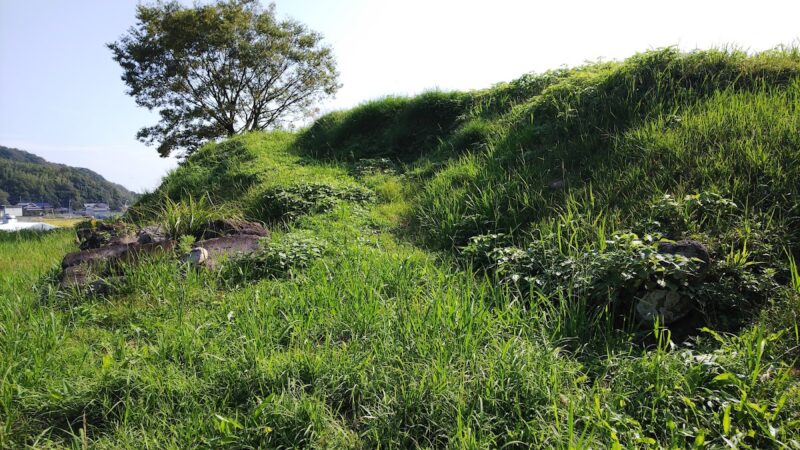
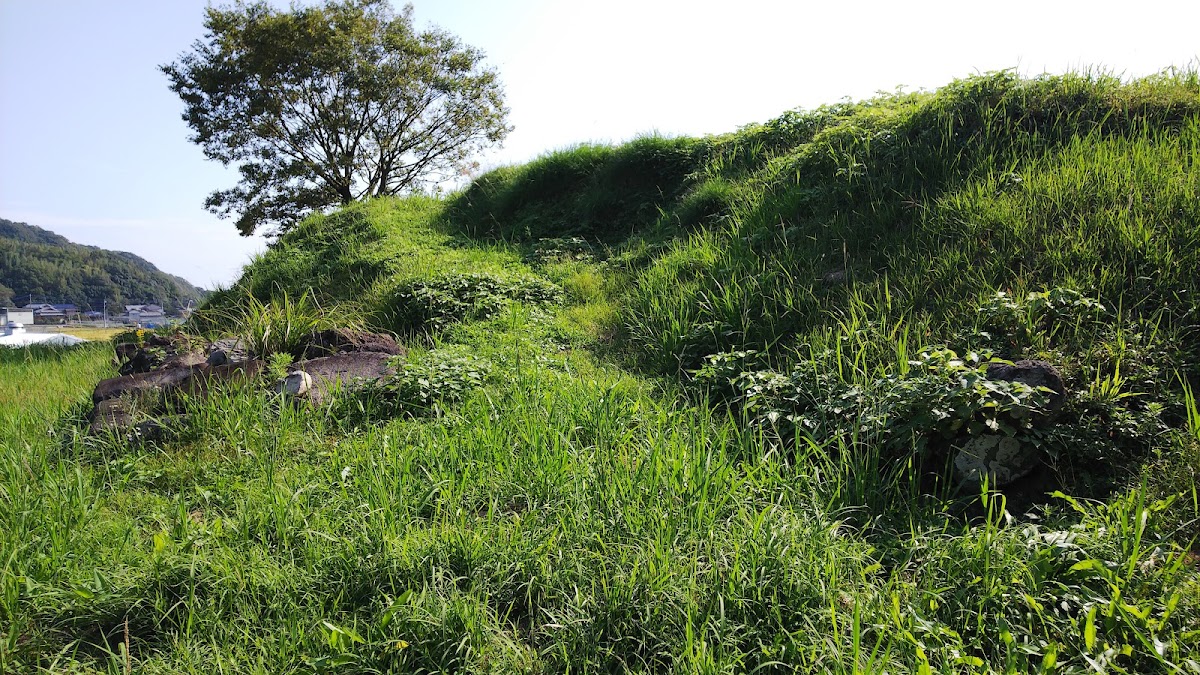
Excavations conducted since the Heisei era have confirmed the remains of stone walls at multiple locations within Hinoe Castle. These stone walls show a technical transition from rough-hewn stonework to fitted stonework, and are thought to be traces of renovations during the Arima clan’s era.
The stone walls, particularly those surrounding the main keep, were constructed using the latest technology of the time, reflecting the characteristics of the era of Arima Harunobu, a Christian daimyo who actively incorporated Nanban (Southern Barbarian) culture. Markings have been found on some of the stone walls, suggesting the existence of a group of stonemasons involved in the castle’s construction.
Earthworks also remain in several locations within the castle grounds, providing valuable information for understanding the construction techniques of the transitional period from medieval to early modern castles.
Excavated Artifacts
The excavation has yielded a wide variety of artifacts. Of particular note are the Western-style roof tiles known as Nanban tiles, evidence of architectural techniques introduced under the influence of the Jesuit order.
Furthermore, tiles adorned with cross motifs and artifacts believed to be parts of a rosary have been discovered, indicating the deep penetration of Christian culture within the castle. A wealth of ceramics have also been unearthed, including Chinese celadon and white porcelain, and Korean pottery, demonstrating the active state of overseas trade.
Furthermore, the discovery of bullets and fragments of swords and other weapons confirms that it was a practical, battle-ready castle during the Sengoku period.
Highlights of Hinoe Castle
View from the Main Enclosure
The greatest highlight of a visit to Hinoe Castle is the spectacular view of the Ariake Sea from the main enclosure. On a clear day, you can see as far as Kumamoto Prefecture on the opposite shore, experiencing the same scenery seen by the castle’s former lords. This vantage point, offering a panoramic view of the Shimabara Peninsula surrounded by sea and mountains, helps you understand why the Arima clan built their castle here.
Remains of Stone Walls
Around the main enclosure and at the boundaries of the baileys, some remains of stone walls confirmed during archaeological excavations are exposed. These stone walls are valuable historical documents illustrating the evolution of castle-building techniques from the Sengoku period to the early Edo period. By observing the stone stacking methods and processing traces, you can learn about the advanced skills of the stonemasons of that time.
Arrangement of the Enclosures
Walking through the castle grounds, you can experience the structure of the enclosures arranged in stages. The defensive structures, skillfully positioned along the ridgeline, are a typical example of a medieval mountain castle that made maximum use of the natural terrain. The differences in elevation between the enclosures and the arrangement of connecting paths reveal the ingenuity of the layout, designed with actual combat in mind.
Value as a Christian Site
Hinoe Castle ruins are not merely a castle site, but also an important legacy of Christian culture. The excavated Nanban roof tiles and artifacts with cross motifs are valuable evidence of the acceptance of Christianity in Japan in the late 16th century. There was a seminary and church in the castle town, and the Tensho Embassy to Europe also departed from this area.
Excavation Site
Excavation work is still ongoing, and it is sometimes possible to visit the excavation site. Witnessing archaeologists carefully digging up the soil and confirming the remains is a valuable opportunity to witness history being revived in the present day.
Tourist Information and Visitor Guide
Basic Visitor Information
Hinoe Castle Ruins are preserved as a nationally designated historical site and can be freely visited throughout the year. Admission is free, and information boards and explanatory signs are placed at key locations. However, as it is a mountain castle, comfortable clothing and shoes are recommended.
The round trip to the main keep takes approximately 40 minutes to 1 hour. If you want to thoroughly explore each enclosure, allow 1.5 to 2 hours.
Precautions for Visiting
As it is a mountain castle, the ground can become slippery during and after rain. Particular caution is needed around the stone walls and on steep slopes. In summer, bring insect repellent and plenty of drinking water.
There are no vending machines or toilets within the castle grounds, so it is recommended to prepare in advance. The nearest public toilet is near the parking lot at the foot of the mountain.
Nearby Tourist Attractions
There are several related historical sites scattered around Hinoe Castle Ruins. Hara Castle Ruins are registered as a component of the World Cultural Heritage site “Hidden Christian Sites in the Nagasaki Region,” serving as a subsidiary castle of Hinoe Castle and as the site of the Shimabara Rebellion.
Shimabara Castle is a modern castle built by Matsukura Shigemasa in place of Hinoe Castle, and its reconstructed keep is currently open to the public as a museum. Visiting these castle ruins together will provide a deeper understanding of the history of the Shimabara Peninsula.
Furthermore, in Minami-Shimabara City, there is the Arima Christian Heritage Museum, where you can view exhibits on Christian culture during the Hinoe Castle era and the Tensho Embassy to Europe. Visiting before visiting Hinoe Castle will allow you to gain a deeper understanding of the castle ruins’ historical background.
Access
Access by Public Transportation
If you are visiting Hinoe Castle Ruins by public transportation, the nearest station is Isahaya Station on the JR Nagasaki Main Line. From Isahaya Station, take the Shimabara Railway Bus bound for “Kuchinotsu” or “Katsusa,” and you will arrive at the “Kita-Arima” bus stop in about an hour. From the bus stop, it’s about a 20-minute walk to the Hinoe Castle Ruins.
However, since the number of buses is limited, we strongly recommend checking the timetable in advance. Especially on holidays and during peak tourist seasons, it’s a good idea to check the return bus schedule before starting your visit.
Access by Car
Access by car is the most convenient. From Nagasaki Airport, it takes about 1 hour and 30 minutes via National Routes 57 and 251. From the Isahaya Interchange, head south on National Route 57, and you will arrive in about 50 minutes.
If using a car navigation system, search for “Hinoe Castle Ruins” or “Nagasaki Prefecture, Minamishimabara City, Kita-Arima-cho, Otsu.” There is a free parking lot at the foot of the castle ruins with space for about 10 regular cars.
From Shimabara city center, it’s about a 30-minute drive south on National Route 251. It’s convenient to visit as part of a sightseeing route around the Shimabara Peninsula.
Parking Information
A free parking lot is located at the foot of the hill, exclusively for the Hinoe Castle ruins. It can accommodate approximately 10 cars, and large buses cannot park there. It can fill up during peak tourist seasons and weekends, so we recommend visiting early.
From the parking lot to the main keep, a well-maintained hiking trail is provided; simply follow the signs.
Works Set in Hinoe Castle
Numerous literary works and historical novels feature Hinoe Castle and the Christian daimyo, Arima Harunobu. While Shusaku Endo’s *Silence* isn’t directly set at Hinoe Castle, it’s important for understanding the historical context of the Hinoe Castle era as a work depicting the persecution of Christians on the Shimabara Peninsula.
Several historical novels depicting Arima Harunobu and the Tensho Embassy to Europe have been published, with Hinoe Castle appearing as an important setting. These works, while based on historical facts, dramatically portray the struggles of the Christian daimyo and their encounter with Southern European culture.
Furthermore, Hinoe Castle is sometimes featured in NHK Taiga dramas and historical documentaries when dealing with the Tensho Embassy to Europe or the Shimabara Rebellion.
Related Books
This section introduces books for learning about Hinoe Castle, the Arima clan, and the Christian history of the Shimabara Peninsula.
Specialized Books/Research Books
- *Hinoe Castle Ruins Excavation Survey Report* (Minamishimabara City Board of Education): This is the official report summarizing the results of the excavation survey, containing detailed information on excavated artifacts and remains.
- *Studies on the Hizen Arima Clan*: This is an academic book that comprehensively studies the history of the Arima clan, helping to understand the historical position of Hinoe Castle.
- *The True Image of Christian Daimyo*: A research book analyzing the political and religious aspects of Christian daimyo, including Arima Harunobu.
Books for the General Public
- *The Tensho Embassy to Europe*: A historical narrative depicting the eventful journey of the boy embassy that departed from Hinoe Castle.
- *Castles of the Shimabara Peninsula*: A guidebook introducing the major castles of the Shimabara Peninsula, such as Hinoe Castle, Hara Castle, and Shimabara Castle, with photographs and explanations.
- *Walking the Christian Historical Sites of Nagasaki*: A practical guidebook for touring Christian-related historical sites in Nagasaki Prefecture, including the Hinoe Castle ruins.
References
The following references are helpful when conducting academic research:
- *Comprehensive Survey of Japanese Castles*, Volume 17 (Nagasaki/Saga Edition): Contains detailed information on the castle structure and history of Hinoe Castle.
- *The History of Nagasaki Prefecture* (Prefectural History Series): This helps you understand the position of Hinoe Castle within the overall history of Nagasaki Prefecture.
- Articles on Hinoe Castle published in various archaeological journals: This allows you to learn about the latest excavation results and research trends.
Hinoe Castle and World Heritage Sites
The Hinoe Castle ruins occupy an important position in understanding the historical background of the World Cultural Heritage site, “Hidden Christian Sites in the Nagasaki Region.” The Christian culture that flourished during the Hinoe Castle era gave rise to a unique form of faith after the subsequent ban on Christianity and a 250-year period of concealment.
In particular, Hara Castle, a subsidiary castle of Hinoe Castle, is registered as a component of the World Heritage site and conveys the reality of Christian persecution through the historical event of the Shimabara Rebellion. Visiting the Hinoe Castle ruins will lead to a deeper understanding of the historical context of this World Heritage site.
Preservation and Utilization of Hinoe Castle
Minamishimabara City is actively working to preserve and utilize the Hinoe Castle ruins. Since the Heisei era, continuous archaeological excavations have been conducted, leading to the confirmation of new remains and the analysis of unearthed artifacts.
In recent years, a plan for the castle ruins’ development has been underway, including the renovation of hiking trails and the installation of information boards to ensure the safety of visitors. Furthermore, a local volunteer guide group has been formed to provide detailed explanations to visitors.
Every year, events such as history lectures and guided tours are held at the Hinoe Castle ruins, providing opportunities for local residents and tourists to learn about the historical heritage together. Through these activities, the Hinoe Castle ruins are being utilized not merely as a historical site, but as a “living teaching material” that conveys the history and culture of the region.
Summary
Hinoe Castle in Minamishimabara City, Nagasaki Prefecture, was the center of the Shimabara Peninsula for approximately 400 years as the residence of the Hizen Arima clan, and during the time of the Christian daimyo Arima Harunobu, it was a place where Nanban culture flourished. Also known as Hinoe Castle, Hinoe Castle, Hinoe Castle, and Hinoe Castle, this castle was occupied by Matsukura Shigemasa during the Genna era after the Okamoto Daihachi Incident, and was later abandoned when the domain’s administrative office was moved to Shimabara Castle.
Currently designated as a national historic site, archaeological excavations at the Hinoe Castle ruins have confirmed the existence of stone walls and Nanban roof tiles, revealing the castle-building techniques and the state of Christian culture at the time. The view from the main keep, the remaining stone wall structures in multiple locations, and the unearthed traces of Nanban culture convey the spirit of the Sengoku period to visitors.
Hara Castle, a subsidiary castle, was the stage of the Shimabara Rebellion and is registered as a component of a World Cultural Heritage site. Visiting the Hinoe Castle ruins will be a valuable opportunity to experience the rich history of the Shimabara Peninsula and the light and shadow of Christian culture. Access is convenient by car, but it is also possible to visit by public transport. This historic site is recommended not only for history buffs and castle enthusiasts, but also for anyone interested in the history of Christianity in Japan.
-680x450.png)