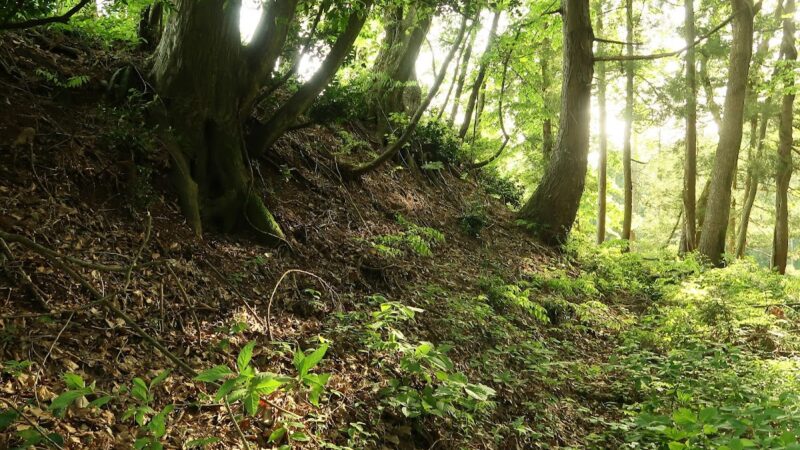
Iwaki Castle (Toyama City, Toyama Prefecture): A Little-Known Flatland Castle in Etchu Province and a Guide to Surrounding Areas
Iwaki Castle, located in the Iwaki district of Toyama City, Toyama Prefecture, is an important castle site that tells the story of Etchu Province from the Sengoku period to the early Edo period. While not as well-known as Toyama Castle or Takaoka Castle, it attracts attention from castle enthusiasts and history buffs as an essential historical site for understanding the region’s history.
This article comprehensively introduces the charms of the Iwaki area of Toyama City, including the historical background of Iwaki Castle, the remaining structures, access methods, and surrounding tourist spots and gourmet information.
History and Overview of Iwaki Castle
Construction and Location of Iwaki Castle
Iwaki Castle is a flatland castle built in the Iwaki district of Toyama City. Located on relatively flat land at an altitude of approximately 90 meters, it functioned as a defensive structure utilizing the surrounding terrain. During the Sengoku period (Warring States period), Etchu Province was a battleground for the power struggles of powerful daimyo such as the Uesugi, Oda, Sasa, and Maeda clans, and it is believed that Iwaki Castle was also influenced by these conflicts during its construction and renovation.
Located in the northeastern part of Toyama City, the Iwaki district was formerly part of Niikawa District in Etchu Province and was a crucial transportation hub connecting the Toyama Plain and the Tateyama mountain range. Given this geographical characteristic, it is presumed that Iwaki Castle functioned as an important base both militarily and economically.
Etchu Province and Iwaki Castle during the Sengoku Period
During the Sengoku period, Etchu Province was a turbulent region where local lords such as the Jinbo and Shiina clans were intricately intertwined with external forces such as Uesugi Kenshin, Oda Nobunaga, Sasa Narimasa, and Maeda Toshiie.
When Jinbo Nagashige built Toyama Castle in 1543 (Tenbun 12), many subsidiary castles and forts were constructed in the surrounding area. It is highly probable that Iwaki Castle was also developed during this period as part of the network of subsidiary castles of Toyama Castle.
In 1585 (Tensho 13), when Sasa Narimasa surrendered during Toyotomi Hideyoshi’s conquest of Etchu Province, Etchu Province came under the control of Maeda Toshinaga. Many small castles were abandoned during this period, but historical records regarding the exact date of Iwaki Castle’s abandonment are limited, and further research is needed.
Changes after the Edo Period
With the arrival of the Edo period, Toyama Castle came to play a central role under the control of the Kaga Domain (Toyama Domain), and smaller castles like Iwaki Castle ceased to serve a military purpose. Due to the “One Castle Per Province” decree (1615), many subsidiary castles were officially abandoned, and it is believed that Iwaki Castle had already lost its function as a castle by this time.
The castle site is now used for farmland and residential areas, and urbanization is progressing, but traces of earthworks and moats remain in some places.
Remains and Highlights of Iwaki Castle
Existing Remains
While most of the remains of Iwaki Castle have been lost due to years of development, careful observation allows us to perceive traces of its former appearance.
Traces of Earthworks
Parts of the earthworks, which played an important role as a defensive structure for the castle, can still be seen as undulations in the terrain. Although their height is low, only about 1-2 meters, they provide clues to imagining the scale of the former castle.
Moat Remains
Parts of the moat that surrounded the castle are now used as waterways and roads, but their arrangement allows us to estimate the castle’s original size. Traces of the moat are particularly clear on the north and east sides.
Arrangement of Enclosures
From observation of the terrain, it can be inferred that multiple enclosures were arranged around the main enclosure. This is a layout characteristic of flatland castles, featuring a defensive structure that skillfully utilizes the surrounding terrain.
Points to Consider When Exploring the Castle Ruins
When visiting the Iwaki Castle ruins, paying attention to the following points will allow you to experience history more deeply:
- Topography: Slight differences in elevation indicate the boundaries of former earthworks and enclosures.
- Road Layout: Current roads may follow the boundaries of the moats and enclosures of the time.
- Place Names: Places with place names such as “castle,” “moat,” or “mansion” likely indicate the presence of castle-related facilities.
- Stone Materials of the Stone Walls: Stone materials that appear to have been repurposed from the castle’s stone walls may be found in surrounding houses and stone walls.
Access and Basic Information to Iwaki Castle
Access Methods
Public Transportation
- From JR Toyama Station, take the Toyama Chihō Railway bus bound for “Iwaki,” get off at the “Iwaki” bus stop, and walk for approximately 5 minutes.
- From Toyama Chihō Railway Main Line “Etchū-Ebata Station,” walk for approximately 20 minutes.
By Car
- Approximately 15 minutes from the Hokuriku Expressway “Toyama IC” via National Route 41.
- Approximately 20 minutes from the center of Toyama City via the prefectural road.
- There is no dedicated parking lot; please use nearby public facilities or paid parking lots.
Notes for Visitors
The Iwaki Castle ruins are currently in an urbanized area and are not clearly developed as a castle ruins park. Please keep the following points in mind when visiting.
- Due to the large amount of private land, please do not enter restricted areas.
- Many of the ruins are located within residential and agricultural areas, so please be considerate of the residents.
- There are few information boards or explanatory signs, so it is recommended to prepare materials and maps in advance.
- The ground can become slippery in rainy weather, so please wear appropriate footwear.
Tourist Attractions Around Iwaki Castle
When visiting the Iwaki Castle ruins, you can have a more fulfilling travel experience by also visiting other tourist attractions in Toyama City.
Toyama Castle and Toyama City Local History Museum
Located in the heart of Toyama City, Toyama Castle is a representative castle of Etchu Province and has been selected as one of the Continued Top 100 Castles of Japan. It was built in 1543 (Tenbun 12) by Jinbo Nagashige, and famous historical warlords such as Sasa Narimasa and Maeda Toshinaga served as its lords.
The current castle tower is a reconstruction built in 1954, and the interior is open to the public as the Toyama City Local History Museum. The museum boasts extensive exhibits on the history of the Toyama Domain, the Maeda family, and the Sengoku period in Etchu Province, offering insights into surrounding castles, including Iwaki Castle.
Toyama Castle Park is renowned for its beautiful natural scenery throughout the seasons, particularly its cherry blossoms in spring and autumn foliage. The reflection of the castle tower in the moat is a popular spot for photography enthusiasts and one of Toyama’s most iconic views. The castle is also illuminated at night, creating a magical atmosphere.
Basic Information
- Address: 1-62 Honmaru, Toyama City, Toyama Prefecture
- Opening Hours: 9:00 AM – 5:00 PM (Last entry at 4:30 PM)
- Closed: New Year’s holidays, occasional temporary closures
- Admission Fee: Adults 210 yen, High school students and younger free
- Access: Approximately 10-minute walk from Toyama Station
Iwase Area
Located in the northern part of Toyama City, the Iwase area is a port town that flourished as a port of call for Kitamae ships from the Edo period to the Meiji period. The retro townscape has been preserved, and visitors can enjoy gourmet food made with seafood from Toyama Bay and tours of historical buildings.
Main Attractions
- Mori Residence (National Important Cultural Property): The residence of a wealthy merchant who prospered as a shipping agent for Kitamae-bune ships
- Iwase Canal Hall: A tourist hub facility along the canal
- Former Baba Residence: A merchant house from the Meiji era
- Toyama Port Observation Deck: A panoramic view of Toyama Bay and the Tateyama mountain range
The Iwase area is easily accessible, about 20 minutes by car from Toyama Station, or a short walk from Higashi-Iwase Station on the Toyama Port Line (Portram) tram.
Toyama Glass Art Museum
Located within TOYAMA Kirari in the central business district of Toyama City, the Toyama Glass Art Museum is a building designed by world-renowned architect Kengo Kuma and is known as a mecca for contemporary glass art.
The permanent exhibition features outstanding glass works from Japan and abroad, primarily focusing on the works of contemporary glass art master Dale Chihuly. The building itself is a work of art in its beauty, and the urban space integrated with “Grand Plaza” has become a new landmark in Toyama City.
Basic Information
- Address: 5-1 Nishimachi, Toyama City, Toyama Prefecture
- Opening Hours: 9:30 AM – 6:00 PM (until 8:00 PM on Fridays and Saturdays)
- Closed: 1st and 3rd Wednesdays, New Year holidays
- Admission Fee: 200 yen for permanent exhibitions (special exhibitions are a separate charge)
- Access: Approximately 15 minutes on foot from Toyama Station, immediately after alighting at “Grand Plaza-mae” tram stop
Toyama Prefectural Museum of Art (within Fugan Canal Kansui Park)
The Toyama Prefectural Museum of Art, located within Fugan Canal Kansui Park north of Toyama Station, is a new museum that opened in 2017. It houses masterpieces by Picasso, Miró, Chagall, and others, primarily focusing on 20th-century art.
The rooftop garden, “Onomatopoeia Rooftop,” is open to the public free of charge and is a popular spot for its spectacular views of the Tateyama mountain range. Within the park, there is also a Starbucks store described as “the most beautiful Starbucks in the world,” where you can enjoy a café break while taking in the waterside scenery.
Basic Information
- Address: 3-20 Kibacho, Toyama City, Toyama Prefecture
- Opening Hours: 9:30 AM – 6:00 PM (Last entry at 5:30 PM)
- Closed: Wednesdays (except national holidays), New Year holidays
- Admission Fee: 300 yen for permanent exhibitions (special exhibitions are a separate charge)
- Access: Approximately 15 minutes on foot from the north exit of Toyama Station
Toyama City Science Museum
Located within Jonan Park in western Toyama City, the Toyama City Science Museum is a comprehensive museum where you can learn about Toyama’s nature, science, and astronomy. It boasts particularly extensive exhibits on the geology and flora and fauna of the Tateyama mountain range, and also features a planetarium.
This facility is popular with families and offers many interactive exhibits, allowing children and adults alike to learn while having fun.
Basic Information
- Address: 1-8-31 Nishinakano-cho, Toyama City, Toyama Prefecture
- Opening Hours: 9:00 AM – 5:00 PM (Last entry at 4:30 PM)
- Closed: New Year’s holidays, occasional temporary closures
- Admission Fee: Adults 530 yen, High school students and younger free (Planetarium is a separate charge)
- Access: Approximately 15 minutes by car from Toyama Station, or take the bus and get off at “Science Museum” bus stop.
Toyama City Gourmet Information
When visiting Toyama City, you must try dishes made with fresh seafood from Toyama Bay. “Toyama Bay Sushi,” in particular, is highly regarded for its sushi made with locally caught fish and shellfish.
What is Toyama Bay Sushi?
Toyama Bay Sushi is sushi made with seasonal local fish caught in Toyama Bay, and is only served at restaurants certified by Toyama Prefecture. You can enjoy ingredients unique to Toyama Bay, such as white shrimp, firefly squid, yellowtail, and whelk.
Recommended Sushi Restaurants
Toyama Station Area
- Sushi Ei: Within walking distance of Toyama Station, boasting fresh local ingredients.
- Mawaru Toyama Bay Sushi Tama: A conveyor belt sushi restaurant offering high-quality Toyama Bay sushi.
- Sushi Jin: An authentic sushi restaurant where you can watch the chefs at work up close from the counter seats.
Iwase Area
- Iwase no Sushi: Uses exceptionally fresh seafood unique to this port town.
- Kaki no Takumi Seafood Wholesaler: Popular for its seafood bowls made with seafood directly from Toyama Bay.
Other Toyama Gourmet Foods
Toyama Black Ramen: A representative Toyama ramen characterized by its rich, dark, soy sauce-based soup. Famous restaurants include “Nishimachi Daiki” and “Menya Iroha.”
Masu Sushi: Masu sushi is a local Toyama dish known nationwide. It’s also popular as a bento box at train stations, with “Gen” and “Aoyama Sohonten” being well-known established shops.
White Shrimp Dishes
White shrimp, known as the “jewel of Toyama Bay,” can be enjoyed in various ways, including sashimi, tempura, and kakiage (mixed vegetable tempura). “Shiraebi-tei” in the Toyama Station building is a popular choice.
Firefly Squid Dishes
A representative spring delicacy of Toyama Bay. It can be enjoyed in a variety of ways, such as with vinegar and miso dressing, marinated in soy sauce, and as tempura.
Model Sightseeing Course for Toyama City
We introduce a model course for efficiently enjoying sightseeing in Toyama City, including the Iwaki Castle Ruins.
Full-Day Course: Exploring Toyama’s Castles and History
Morning
- 9:00 Departure from Toyama Station
- 9:30 Visit Toyama Castle and Toyama City Local History Museum (approx. 90 minutes)
- 11:00 Stroll through central Toyama City, visit the Glass Art Museum
Lunch
- 12:30 Sushi lunch near Toyama Station
Afternoon
- 14:00 Visit Iwaki Castle Ruins (approx. 60 minutes)
- 15:30 Stroll through Toyama Prefectural Museum of Art and Fugan Canal Kansui Park
- 17:00 Souvenir shopping near Toyama Station
Half-Day Course: Combined with the Iwase Area
Morning
- 9:00 Take the tram from Toyama Station to the Iwase area
- 9:30 Stroll through the townscape of Iwase, visit the Mori family residence
- 11:00 Enjoy the spectacular view from the Toyama Port Observation Deck
Lunch
- 12:00 Seafood lunch in the Iwase area
Afternoon
- 13:30 Visit to Iwaki Castle Ruins
- 15:00 Return to Toyama Station
Accommodation in Toyama City
Toyama City offers a variety of accommodations, from business hotels to luxury hotels.
Around Toyama Station
- ANA Crowne Plaza Hotel Toyama: A luxury hotel directly connected to the station
- Daiwa Roynet Hotel Toyama Ekimae: A clean and comfortable business hotel
- Toyoko Inn Toyama Ekimae Shinkansen-guchi: Affordable and convenient
Hot Spring Ryokan
- Toyama Onsen (City and surrounding areas): Day-trip hot spring facilities are also available, perfect for relaxing after sightseeing.
Practical Information for Toyama City Tourism
Best Season
Toyama City has its own charm in each of the four seasons.
- Spring (April-May): Cherry blossoms at Toyama Castle Park, opening of the Tateyama Kurobe Alpine Route
- Summer (June-August): Abundant seafood from Toyama Bay, numerous fireworks displays and events
- Autumn (September-November): Autumn foliage, delicious sushi and seafood in the autumn season
- Winter (December-March): Snow-covered Toyama Castle, winter delicacies such as yellowtail
Tourist Information Centers
- Toyama Station Tourist Information Center: Located inside JR Toyama Station, tourist brochures and maps are available
- Toyama City Tourism Association: Provides detailed tourist information and event information
Transportation
The following transportation options are convenient for getting around Toyama City.
- City Tram (Streetcar): Provides access to various locations within the city, starting from Toyama Station.
- Toyama Chihō Railway: Convenient for travel to the suburbs.
- Rental Bicycle: Multiple rental bicycle stations available around Toyama Station.
- Rental Car: Convenient for efficiently visiting surrounding tourist attractions.
Summary
Iwaki Castle is an important historical site in the history of Toyama City, yet it remains a hidden gem unknown to many. While the remains are limited, strolling through the site while imagining the state of Etchū Province during the Sengoku period allows you to feel the romance of history.
Besides Iwaki Castle, Toyama City offers a variety of attractions, including Toyama Castle, the townscape of Iwase, the spectacular views of Toyama Bay, art museums, and rich cuisine. Why not plan a trip to enjoy the history, culture, and nature of Toyama City, starting from the Iwaki Castle ruins?
Experience Toyama’s history, enjoy delicious food, and admire beautiful scenery. Such a fulfilling time awaits you in Toyama City.