Takashimizu Castle, Kurihara City (Miyagi Prefecture) – A Complete Overview of a Castle that Transformed from the Residence of the Osaki Clan to a Fortress of the Sendai Domain
Takashimizu Castle was a Japanese castle located in Higashidate, Kurihara City, Miyagi Prefecture (formerly Takashimizu Town). During the Sengoku period, it served as the residence of a branch of the Osaki clan, and during the Edo period, it functioned as an important fortress of the Sendai Domain. Also known as Takaizumi Castle, Onigajo Castle, and Takashimizu Fortress, it is a historical castle that witnessed the turbulent times following the pacification of Oshu.
Location and Geographical Characteristics of Takashimizu Castle
Takashimizu Castle is located at the end of the Tsukidate Hills, which extend eastward from the Ou Mountains. It is built on a gently sloping, flat, slightly elevated area of approximately 20 meters above sea level, facing the alluvial plain. This location held significant military importance, functioning as a defensive base that utilized its topography to overlook the surrounding plains.
The current Takashimizu district of Kurihara City corresponds to the former center of Takashimizu Town, and the castle ruins are spread around the grounds of Takashimizu Junior High School. Its location on a slightly elevated area facing the plains makes it a typical example of a Sengoku period hilltop castle, offering both strategic transportation control and excellent defense.
History
Construction and the Osaki Clan Era
There are several theories regarding the construction of Takashimizu Castle, but the most widely accepted is that it was built during the Tenbun era (1532-1555) by Takaizumi Naokata, the third son of Osaki Yoshikane. However, there is also a theory that it was built in 1356 by Osaki Naomochi, and historical sources differ in their descriptions of the construction year.
The Osaki clan was a branch of the Ashikaga family and a powerful Sengoku daimyo who wielded considerable influence as the Oshu Tandai of Mutsu Province. Takashimizu Castle was one of the Osaki clan’s branch castles and an important base for governing the territory. Takasumi Naokata, a member of the Osaki clan, entered the Takashimizu area, adopted the name Takasumi, and became the castle lord.
The Takasumi clan remained based at Takashimizu Castle until the time of Naokata’s son, Naotaka. However, in 1590, Toyotomi Hideyoshi’s pacification of Oshu led to the downfall of the Osaki clan. Consequently, the Takasumi clan also declined.
The Date Clan’s Rule and the Edo Period
After the pacification of Oshu, the former Osaki territory came under the control of Date Masamune. Takashimizu Castle also became a Date clan castle, and important retainers of the Date clan were appointed as castle lords. In particular, the Watari clan served as castle lords for a period, playing an important role within the Date clan’s retainer group.
During the Edo period, many castles were abolished due to the Genna Edict (1615), but Takashimizu Castle was permitted to remain as “Takashimizu Fortress.” It was counted as one of the 21 fortresses designated by the Sendai Domain and continued to function as an important base for the defense of the northern part of the domain until the Meiji Restoration.
The 21 fortresses of the Sendai Domain were key facilities for the domain’s territorial control and defense system, and Takashimizu Fortress held a particularly important position as a base for maintaining security and military operations in the northern region. Throughout the Edo period, vassals of the Date clan served as the castle lords (fortress guardians) for generations, governing the region.
After the Meiji Restoration
After the Meiji Restoration, with the abolition of the feudal domains and the establishment of prefectures, Takashimizu Fortress also ceased to serve its purpose. The castle facilities were gradually demolished, and the site was used for schools and residential areas. The current Takashimizu Junior High School was built in the center of the castle grounds during this period.
Castle Structure
Takashimizu Castle is classified as a hilltop castle, with a layout that skillfully utilized the slightly elevated terrain. It is believed to have had a central main enclosure surrounded by earthworks and moats, with multiple baileys arranged around it.
Main Structural Elements
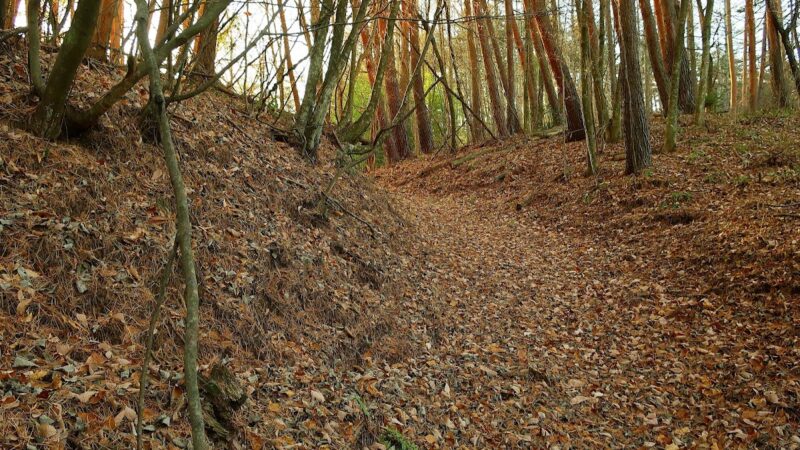
Earthworks: Earthworks, crucial for the castle’s defense, were constructed, and parts of them still remain today, including on the grounds of Takashimizu Junior High School. These earthworks are several meters high, giving a glimpse into the scale of the castle at the time.
Moat: A moat surrounded the castle, but most of it has now been filled in, leaving only scattered depressions in the terrain that are presumed to be the remains of the moat.
Bailey Arrangement: While it is believed that multiple baileys were arranged around the main enclosure, many details remain unclear due to limited archaeological excavations.
Given its nature as a hilltop castle, it is presumed that a defensive system was in place that controlled access from the plains while taking advantage of the excellent visibility overlooking the surrounding area. It can be said that the structure strongly retained the characteristics of castles in the Tohoku region during the Sengoku period.
Castle Ruins
Current Remains
The Takashimizu Castle ruins are centered around the current Takashimizu Junior High School grounds and spread out in the surrounding area. However, due to years of development, many of the castle remains have been lost, and only a limited number of clearly identifiable remains remain.
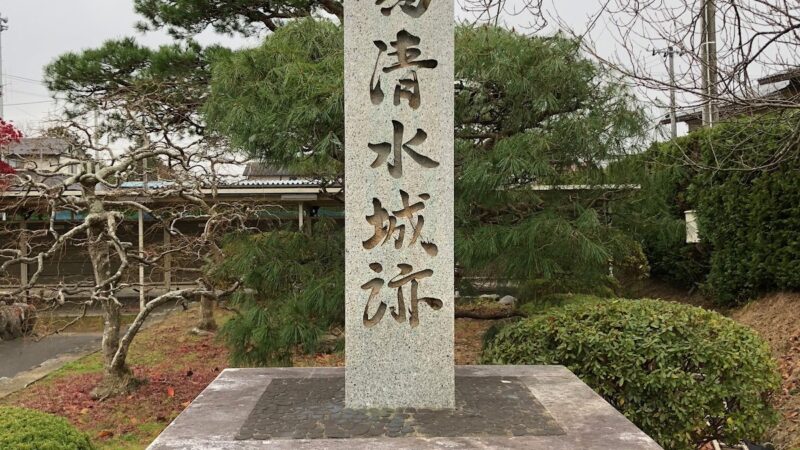
Within the Takashimizu Junior High School Grounds: Part of the earthworks remain within the school grounds, and a stone monument and explanatory sign indicating the castle site have been installed. These are important sources of information for visitors to the castle ruins.
Remains in the Surrounding Area: There are scattered topographical features that are presumed to be earthworks or moat remains around the houses and roads surrounding the junior high school, but there are few that can be definitively identified as castle remains, and the amount of interesting sights is limited.
Development Status
The castle ruins have not been fully developed, and due to their nature as junior high school grounds, there are restrictions on general visits. Although a stone monument and explanatory sign have been installed, development as a tourist destination has not progressed.
While well-known among local history enthusiasts and castle researchers, it’s not widely known nationwide, and visitor numbers are limited. Among castle fans, it’s recognized as a key point of interest when touring medieval castles in Miyagi Prefecture.
Visiting Guide
Access
Public Transportation: The nearest station is Semine Station on the JR Tohoku Main Line, but the castle ruins are approximately 5 kilometers from the station, taking over an hour on foot. Taking a taxi is more practical.
By Car: It’s about a 15-minute drive from the Tsukidate Interchange on the Tohoku Expressway. Heading towards Takashimizu Junior High School is the easiest way to find it. Regarding parking, since it’s school property, it’s best to avoid visiting during weekday daytime hours and instead visit on weekends or during school holidays.
Visiting Precautions
Because the ruins are located within the grounds of Takashimizu Junior High School, consideration for school educational activities is necessary during visits. It’s recommended to avoid visiting during weekday class hours and instead choose weekend or after-school hours. Furthermore, it is advisable to obtain permission from school officials before entering the grounds.
The stone monument and explanatory signs are located in a position visible from the public road, making it relatively easy to view the exterior. Since the remains themselves are not particularly conspicuous, it is recommended to check their location beforehand.
Estimated Visiting Time
15 to 30 minutes should be sufficient for visiting the castle ruins. Because the remains are limited, even a thorough visit will not take long. If you wish to stroll around and enjoy the historical atmosphere of the surrounding area, you may want to allocate a little more time.
Nearby Historical Attractions
Castle Ruins in Kurihara City
Besides Takashimizu Castle, Kurihara City has several other castle ruins. Tsukidate Castle was one of the strongholds of the Osaki clan, and visiting it along with Takashimizu Castle will provide a deeper understanding of the Osaki clan’s sphere of influence. Also, Iwagazaki Castle is known as one of the Sendai Domain’s strongholds and shares a similar historical background to Takashimizu Castle.
History of the Takashimizu Area
The former Takashimizu Town existed as an independent town until April 1, 2005, when all towns and villages in Kurihara District merged to form Kurihara City. It is a region with a history as a castle town, and even today, streetscapes and historical sites that retain the atmosphere of that time are scattered throughout.
Local history museums and local history museums may offer materials related to Takashimizu Castle and the Osaki clan. Visiting the castle ruins in conjunction with exploring the region’s history and culture will provide a deeper understanding.
Historical Significance of Takashimizu Castle
Position in the Osaki Clan’s System of Rule
Takashimizu Castle was one of the important branch castles in the domain rule of the Osaki clan, a powerful daimyo family during the Sengoku period. The Osaki clan ruled a vast territory as the Oshu Tandai (governor of Oshu), but their governance was a decentralized system, with family members and important retainers stationed in various castles. Takashimizu Castle was part of this system, with the Takasumi clan, a branch of the Osaki clan, serving as the castle lord and governing the region.
This network of branch castles for governing a territory was a typical form of governance in the Tohoku region during the Sengoku period, and Takashimizu Castle holds historical significance as a concrete example.
Northern Defense Base of the Date Clan
In the Edo period, Takashimizu Castle became an important base for the Date clan’s northern defense. As one of the 21 strongholds of the Sendai Domain, it played a role in protecting the domain’s northern border, and its continued existence even after the “One Castle Per Province” decree demonstrates its strategic importance.
The Sendai Domain was a large domain with a vast territory, but its defense system was based on the concept of base defense centered on strongholds. Within this system, Takashimizu Castle continued to function as an important facility to prepare for threats from the north.
Importance in Local History
Takashimizu Castle is an indispensable historical site when discussing the history of the Kurihara region. It is cherished by locals as a symbol of the region’s transformation from the Sengoku period to the Edo period and up to the Meiji Restoration.
Currently, the remains are limited, but as a historical element that forms the identity of the region, its preservation and research are expected to continue.
Genealogy of the Castle Lords
Takasumi Clan Era
Takasumi Naokata: Born as the third son of Osaki Yoshikane, he entered the Takashimizu area and adopted the name Takasumi. He is believed to have built Takashimizu Castle during the Tenbun era.
Takasumi Naotaka: Naokata’s son, he served as castle lord until the Oshu pacification in 1590. When the Osaki clan was destroyed by Toyotomi Hideyoshi’s Oshu pacification, the Takasumi clan also declined.
Date Clan Era
After the Oshu pacification, Takashimizu Castle came under the control of the Date clan, and senior retainers of the Date clan served as castle lords for generations. In particular, the Watari clan served as castle lords for a period, and throughout the Edo period, several Date retainers were stationed as stronghold guards.
Regarding the detailed genealogy of the castle lords, many points remain unclear due to limited historical records, and further research is awaited.
References and Research Materials
Research on Takashimizu Castle is being conducted as part of the study of medieval castles in Miyagi Prefecture. The main references include the following:
- “Medieval Castles and Residences of Miyagi Prefecture” (Miyagi Prefectural Board of Education)
- “Strategies and Castles of the Sendai Domain” (Local History Research Related Books)
- “Research on the Osaki Clan” (Tohoku Regional History Research Paper)
- Local Historical Materials by the Kurihara City History Compilation Committee
These materials are important sources of information for understanding the history and structure of Takashimizu Castle. Furthermore, research by local historians has contributed to clarifying the actual state of the castle ruins.
Summary
Takashimizu Castle was an important castle located in Kurihara City, Miyagi Prefecture, dating from the Sengoku period to the Edo period. Built by a branch of the Osaki clan, it became one of the 21 strategic strongholds of the Sendai Domain during the Date clan’s era, serving as a key point for northern defense.
Currently, the remains are limited, and development as a tourist destination is not yet underway. However, as an important historical site that tells the story of the region’s history, its preservation and research are expected to continue. For castle enthusiasts and history buffs, it is a place worth visiting to understand medieval castles in the Tohoku region.
The history of Takashimizu Castle reflects important phases in Japanese history, including the rise and fall of daimyo in the Tohoku region during the Sengoku period, Toyotomi Hideyoshi’s pacification of Oshu, and the governing system of the Sendai Domain during the Edo period. Although the remains are limited, their historical significance is by no means insignificant.