Atagoyama Castle (Yamamoto Town) Complete Guide | A Thorough Explanation of History, Remains, Access, and Surrounding Sightseeing
Located in Yamamoto Town, Watari District, Miyagi Prefecture, Atagoyama Castle is a valuable historical site that tells the story of the turbulent Sengoku period. This castle, which was abandoned after only a short period of one year, has a tragic history, but even today, remains such as earthworks can be seen, making it an attractive destination for history buffs and castle enthusiasts. This article will provide a detailed explanation of Atagoyama Castle, from its history and existing remains to access information and surrounding sightseeing information.
Overview of Atagoyama Castle
Atagoyama Castle is a medieval mountain castle located in Yamamoto Town, Watari District, Miyagi Prefecture. Built on a hill approximately 80 meters above sea level, the castle sits at a relative height of approximately 60 meters and has a defensive structure that utilizes the surrounding terrain.
Currently, Atago Shrine is enshrined on the castle site, and it also functions as a place of worship for the local community. Although the castle is small to medium in scale, clear traces of its layout remain, particularly around the main keep, making it an important historical site for studying the structure of castles during the Sengoku period.
Basic Information
- Location: Yamamoto-cho, Watari-gun, Miyagi Prefecture
- Castle Structure: Mountain Castle
- Year of Construction: 1570 (Genki 1)
- Builder: Sakamoto Daizen Takatoshi
- Year of Abandonment: Around 1571
- Main Remains: Earthworks, remains of baileys
- Designated Cultural Property: None
- Relative Height: Approximately 60 meters
History of Atagoyama Castle
The history of Atagoyama Castle is short but dramatic. The rise and fall of the Sakamoto clan, condensed into a mere one year, illustrates the harshness of the Sengoku period.
History of Construction
The Sakamoto clan originally resided at Shinjoyama Castle. However, in 1570 (Genki 1), Sakamoto Daizen Takatoshi, the head of the family, built Atagoyama Castle as a new base and moved his residence there. There are various theories as to the reason for the move from Shinjoyama Castle to Atagoyama Castle, but possible explanations include the need for a more defensible terrain, or its strategically advantageous location as a base for governing the territory.
Sakamoto Daizen Takatoshi was a powerful local lord in this region, maintaining his own influence amidst powerful forces such as the Date and Soma clans. The construction of Atagoyama Castle demonstrated the Sakamoto clan’s power and is thought to have been expected to serve as a new base for managing their territory.
Attack by Soma Moritane and the Death of Sakamoto Takatoshi
The fate of Atagoyama Castle changed dramatically just one year after its construction. In 1571, during an attack by Soma Moritane, the castle lord, Sakamoto Daizen Takatoshi, was killed in battle. While historical records detailing this battle are limited, it is certain that the Sakamoto clan became a target during the Soma clan’s expansion.
Soma Moritane, as the head of the Soma clan, was actively engaged in military operations during this period. The attack on Atagoyama Castle was likely part of the Soma clan’s southward expansion policy, aimed at subduing the Sakamoto clan’s sphere of influence.
Abandonment of the Castle and Relocation to Sakamoto Castle
After the death of Sakamoto Daizen Takatoshi, his son-in-law, Sakamoto Toshihisa, succeeded him. However, Sakamoto Toshihisa judged Atagoyama Castle, where his lord had died, to be an ominous castle and decided to abandon it. He then built Sakamoto Castle and moved his residence there.
It is speculated that this decision was not merely based on superstition, but also had military reasons. Possible reasons include the revelation of defensive weaknesses after the Soma clan’s attack, or the need to relocate the base due to considerations of relations with the Soma clan.
Thus, Atagoyama Castle was abandoned just over a year after its construction, ending its history as a short-lived castle.
Structure and Layout of Atagoyama Castle
Atagoyama Castle is a small to medium-sized mountain castle, but it retains many characteristics of castle structures from the Sengoku period. The remains that can be confirmed on-site allow us to infer the appearance of the castle at that time.
Main Enclosure Site
The main enclosure (honmaru), the center of the castle, was located where Atago Shrine is now enshrined. Even today, the shape of the flat area allows us to confirm the boundaries of the main enclosure. The main enclosure had a relatively large space, and it is thought that the lord’s residence and important facilities were located there.
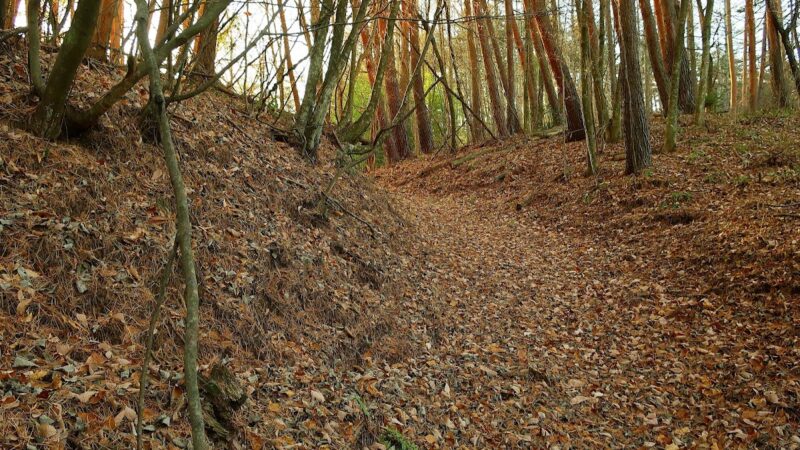
Remains of earthworks remain around the main enclosure, allowing us to confirm traces of defensive structures. The earthworks are about 1-2 meters high, and some parts remain clearly visible.
Earthworks and Enclosures
The greatest highlight of Atagoyama Castle is the remains of the earthworks that still exist. The earthen ramparts remaining around the main keep site are valuable historical materials demonstrating the castle-building techniques of the Sengoku period. These ramparts were earthen embankments designed to prevent enemy intrusion and were crucial to the castle’s defense.
It is believed that multiple baileys (enclosures) were arranged around the main keep. These baileys were flat, constructed spaces used as troop encampments and storage areas for supplies. Even today, the layout of the baileys can be inferred from the topography.
Defensive Structures
Atagoyama Castle is a mountain castle that skillfully utilizes the natural terrain. The elevation difference of approximately 60 meters posed a significant obstacle for attackers. Furthermore, the steep slopes functioned as natural defensive walls.
The access routes to the castle were limited, making it easier for the defenders to defend. While the location and structure of the castle’s entrances can be inferred to some extent from the current topography, many details remain unknown.
Highlights of Existing Remains
This section introduces the main points of interest when visiting Atagoyama Castle. By focusing on the following points during your exploration, you can gain a deeper understanding of the castle’s appearance during the Sengoku period.
Remains of Earthworks
The earthworks remaining around the main keep site are the most clearly visible remains of Atagoyama Castle. The earthworks on the north and east sides, in particular, are relatively well-preserved, allowing you to imagine their original height and width. Observing the earthworks up close allows you to appreciate the castle-building techniques and defensive ingenuity of the Sengoku period.
Observing the cross-section of the earthworks, you may sometimes see traces of rammed earth construction (a method of compacting soil). This was a technique used to strengthen the earthworks, demonstrating the high level of civil engineering technology at the time.
Atago Shrine
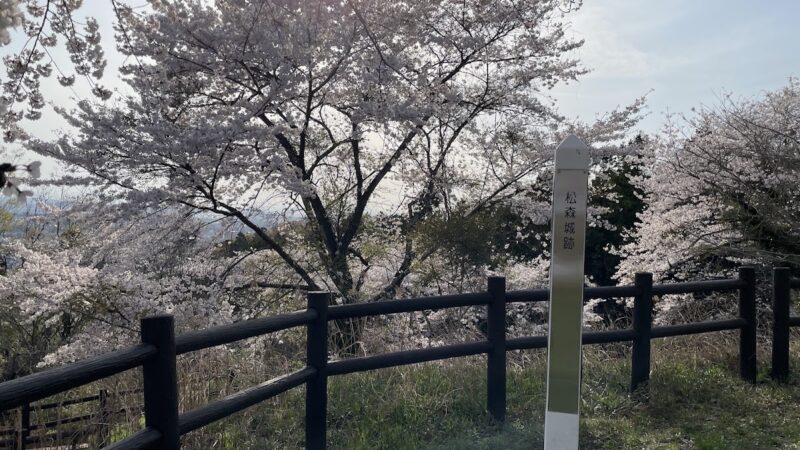
Atago Shrine, enshrined on the site of the main keep, is a symbolic presence at the castle site. Many castle sites have had shrines or temples built on them after the castles were abandoned, preserving the castle ruins as sacred places. Visiting Atago Shrine allows you to feel the connection between the history of the castle site and the local faith.
The area around the shrine is well-maintained, making it an ideal starting point for exploring the castle ruins. The view from the shrine is also excellent, helping you understand why the Sakamoto clan chose this location for their castle.
Topography and Views
Atagoyama Castle is located on a hill overlooking the surrounding area. On a clear day, you can see the townscape of Yamamoto and even the Pacific Ocean in the distance. This view speaks to the castle’s function as a base for surveillance and defense.
The view from the castle ruins offers a valuable opportunity to relive the scenery seen by the lords of the Sengoku period. You can imagine the perspective from which the Sakamoto clan ruled this region at that time.
Access Information
Detailed instructions on how to access Atagoyama Castle are provided below. This section describes how to visit using both public transport and by car.
Access by Public Transport
Using the JR Joban Line
- Get off at Yamashita Station on the JR Joban Line
- Approximately 30-40 minutes on foot from the station, or approximately 10 minutes by taxi
- Yamashita Station is the central station of Yamamoto Town and serves as the starting point for accessing the town.
Using the Bus
While there are town buses operating within Yamamoto Town, there are no routes that go directly to the castle ruins. Access will be on foot from the nearest bus stop. It is recommended to check the latest transportation information on the Yamamoto Town official website beforehand.
Access by Car
Using the Joban Expressway
- Approximately 10 minutes from the Yamamoto Interchange on the Joban Expressway
- Accessible via National Route 6
- Searching for “Atago Shrine, Yamamoto Town” on your car navigation system is convenient.
From Sendai
- Head south on National Route 6 towards Yamamoto Town
- Approximately 1 hour from central Sendai
Parking Information
There are small parking spaces around Atago Shrine. However, these are not dedicated parking lots, so consideration should be given to avoiding inconvenience to worshippers and local residents. Please avoid street parking and consider using nearby public parking lots.
Please note the following points when visiting:
- Parking space is limited, so plan ahead if visiting with multiple vehicles.
- Drive safely as you will be traveling on local residential roads.
- Please take all your trash with you.
Visitor Guide and Points to Note
This guide summarizes practical information for visiting Atagoyama Castle.
Best Time to Visit
Atagoyama Castle is open year-round, but the ease of visiting varies depending on the season.
Spring (March-May)
- Mild weather, ideal for strolling
- Beautiful fresh greenery, recommended for photography
- Dry and easy to walk on
Summer (June-August)
- Overgrown vegetation may obscure the ruins
- Insect repellent is necessary
- Visiting in the cool early morning or evening hours is recommended
Autumn (September-November)
- Beautiful autumn foliage, the most suitable season for visiting
- Comfortable temperatures allow for long walks
- Ideal season for photography
Winter (December-February)
- Withered vegetation makes the ruins easier to see
- Caution is needed when walking on snow
- Wear warm clothing
Estimated Time Required
- Visiting Atago Shrine only: Approximately 15-20 minutes
- Exploring the entire castle site: Approximately 30-45 minutes
- Detailed Observation and Photography of Ruins: Approximately 1-1.5 hours
Clothing and Items to Bring
Recommended Clothing
- Comfortable walking shoes (trekking shoes or sneakers)
- Comfortable clothing for easy movement
- Hat (for sun protection)
- Long-sleeved shirt and long pants (for protection from plants and insects)
Useful Items to Bring
- Drinking water
- Towel
- Insect repellent spray (spring to autumn)
- Camera (for documenting the ruins)
- Map or guidebook
- Binoculars (for enjoying the view)
Photography Tips
Here are some tips for capturing the charm of Atagoyama Castle in photographs.
Photographing the Earthworks
- Photographing from the side makes the height and shape of the earthworks easier to understand.
- Morning light beautifully highlights the texture of the earthworks.
- Including people conveys a sense of scale.
Photographing the View
- On sunny days, you can photograph distant landscapes.
- Using a wide-angle lens allows you to capture a broad view of the surrounding scenery.
- Evening light is particularly beautiful.
Photographing Atago Shrine
- The torii gate and shrine buildings are symbols of the castle ruins and are highly photographic value.
- Remember to be considerate if there are other visitors.
Nearby Tourist Spots
This section introduces tourist spots in Yamamoto Town and the surrounding area that can be enjoyed in conjunction with a visit to Atagoyama Castle.
Highlights in Yamamoto Town
Sakamoto Castle Ruins
This castle was built by Sakamoto Toshihisa after Atagoyama Castle was abandoned. Visiting both together is recommended for understanding the history of Atagoyama Castle. Located in the Sakamoto area, it is approximately a 10-minute drive from Atagoyama Castle.
Shinjoyama Castle Ruins
This castle was the residence of the Sakamoto clan before Atagoyama Castle. Together with Atagoyama Castle and Sakamoto Castle, it allows you to trace the evolution of the Sakamoto clan’s castles.
Yamamoto Town Historical and Folk Museum
This facility allows you to learn about the history and culture of Yamamoto Town. You may be able to obtain materials related to Atagoyama Castle and information about the Sakamoto clan. It is recommended to check the opening hours before visiting.
Yamamoto Strawberry Farm
Yamamoto Town is known as one of Miyagi Prefecture’s leading strawberry producing areas. During the strawberry picking season (December to June), you can enjoy fresh strawberries.
Castles in Neighboring Municipalities
Watari Castle Ruins (Watari Town)
This castle is known as the residence of the Watari Date clan. Located in Watari Town, just north of Yamamoto Town, it is about a 20-minute drive from Atagoyama Castle. Currently, it is developed as Watari Park and is famous as a cherry blossom viewing spot.
Soma Nakamura Castle Ruins (Soma City, Fukushima Prefecture)
This was the base of Soma Moritane, who attacked Atagoyama Castle. Located about 30 minutes south of Yamamoto Town, you can learn about the history of the Soma clan.
Yamamoto Town’s Local Products and Gourmet Food
Strawberries
Yamamoto Town is known as the “town of strawberries,” and varieties such as “Tochiotome” and “Mouikko” are cultivated there. They can be purchased at direct sales outlets and roadside stations.
Surf Clams
Surf clams are landed along the coast of Yamamoto Town. Dishes made with fresh surf clams are exquisite.
Apples
Apple cultivation is also thriving in Yamamoto Town. Fresh apples can be purchased in the autumn.
History and Culture of Yamamoto Town
Understanding the historical background of Yamamoto Town, where Atagoyama Castle is located, allows for a deeper understanding of the castle’s historical significance.
Geography and History of Yamamoto Town
Yamamoto Town is located at the southeastern tip of Miyagi Prefecture, a town rich in nature with the Pacific Ocean to the east and the Abukuma Mountains to the west. It has flourished as a transportation hub since ancient times, with the Oshu Kaido (Rikuzen-hama Kaido) passing through the town.
In the Middle Ages, this region was located on the border between the spheres of influence of the Date and Soma clans, becoming a stage for conflicts between the two forces. Local lords, including the Sakamoto clan, strived to maintain their own power amidst these powerful forces.
Recovery from the Great East Japan Earthquake
Yamamoto Town also suffered significant damage in the Great East Japan Earthquake of March 11, 2011. The coastal areas, in particular, suffered immense damage from the tsunami, but the town is steadily progressing with its recovery.
Following the earthquake, Yamamoto Town developed new residential areas such as “Tsubame no Mori,” and the JR Joban Line fully resumed operation in 2016. Currently, facilities that convey the memory of the earthquake have been established and also function as a place for disaster prevention education.
Research on Atagoyama Castle and Future Challenges
Atagoyama Castle occupies an important position in local history research, but many aspects remain unclear.
Current State of Research
Research on Atagoyama Castle has mainly been conducted by local historians and castle researchers. However, due to the short construction period, there is a challenge in that documentary materials are limited.
Currently, the main historical materials that can be confirmed are mainly local traditions and later records. Many details about the Sakamoto clan’s activities remain unclear, and further research is expected.
Efforts for Preservation and Utilization
While the remains of Atagoyama Castle are not currently designated as cultural properties, they are recognized as a valuable historical heritage site in the region. The presence of Atago Shrine has, in effect, contributed to the preservation of the castle site.
Future efforts are expected to include:
- Creation of a detailed layout map based on a thorough survey
- Confirmation of remains through archaeological excavations
- Installation of information boards and explanatory signs
- Utilization for local history education
- Development as a tourist resource
Engagement with the Community
Atagoyama Castle is a familiar historical heritage site for local residents. It also functions as a place for community bonding through events such as the Atago Shrine festival.
The preservation and utilization of the castle site cannot be achieved without the cooperation of local residents. Visitors are expected to respect the local history and culture and observe proper etiquette during their visit.
Significance of Visiting Atagoyama Castle
Atagoyama Castle, though not large in scale, is an important historical site for understanding the regional history of the Sengoku period (Warring States period). Its tragic history, ending after only one year of existence, speaks to the harshness of the Sengoku period and the difficult circumstances faced by local lords.
Visiting the site offers the following learning and experiences:
Experiencing History
Through the actual terrain and remains, which cannot be obtained from documents alone, you can experience the castle and the lives of the people during the Sengoku period. By reliving the scenery and paths that Sakamoto Daizen Takatoshi saw and walked, history becomes more tangible.
Understanding Regional History
The history of Atagoyama Castle is closely intertwined with the regional history of Yamamoto Town and southern Miyagi Prefecture. Visiting the castle ruins allows you to understand the historical background and cultural characteristics of this region.
Enjoying Castle Research
By observing remains such as earthworks and baileys, you can learn about the castle construction techniques and defensive ingenuity of the Sengoku period. For castle enthusiasts, this may be a lesser-known but worthwhile destination.
Connecting with Nature
The castle ruins are located in a rich natural environment, allowing visitors to enjoy the scenery of each season. Along with historical exploration, you can also enjoy the pleasure of nature walks.
Summary
Atagoyama Castle is a valuable historical site from the Sengoku period remaining in Yamamoto Town, Miyagi Prefecture. Built in 1570 by Sakamoto Daizen Takatoshi, it has a tragic history, having been abandoned after only a little over a year following an attack by Soma Moritane the following year in which the castle lord was killed.
Currently, Atago Shrine is enshrined on the castle site, and remnants such as earthworks can be seen around the main keep. Although not large in scale, it is an important historical site for understanding the regional history of the Sengoku period, making it a highly worthwhile place to visit for castle enthusiasts and history lovers.
Access is relatively good, by foot or taxi from Yamashita Station on the JR Joban Line, or by car, about 10 minutes from the Yamamoto Interchange on the Joban Expressway. When visiting, we recommend preparing comfortable clothing and shoes for walking and taking appropriate precautions for the season.
Yamamoto Town also has other castles associated with the Sakamoto clan, such as Sakamoto Castle Ruins and Shinjoyama Castle Ruins. Furthermore, local specialties such as strawberries and surf clams are also appealing. Take this opportunity to visit Atagoyama Castle and fully enjoy the history, culture, and natural beauty of Yamamoto Town.
Atagoyama Castle, a testament to the turbulent Sengoku period, tells us much about the history etched into this small mountain castle. Please visit the site, gaze upon the scenery that Sakamoto Daizen Takatoshi saw, and feel the spirit of the Sengoku period.