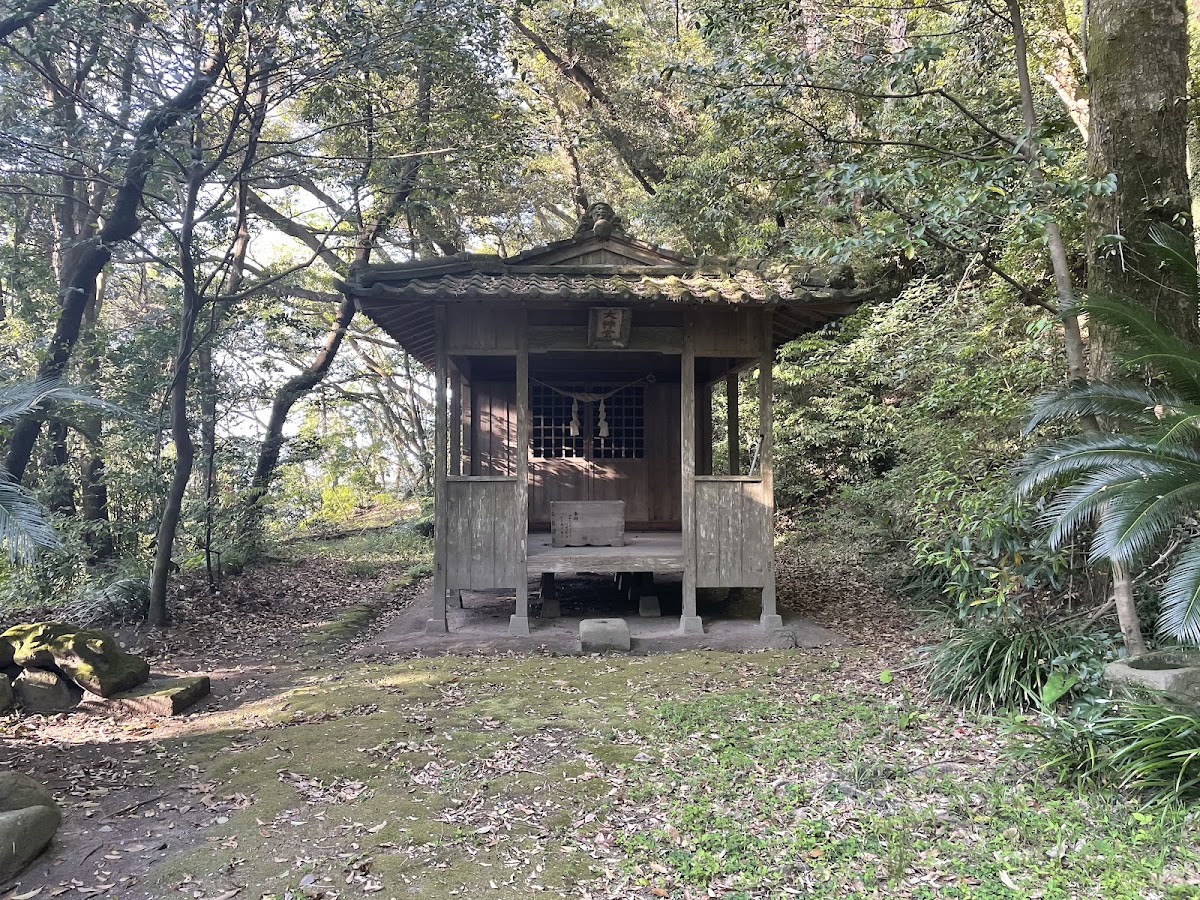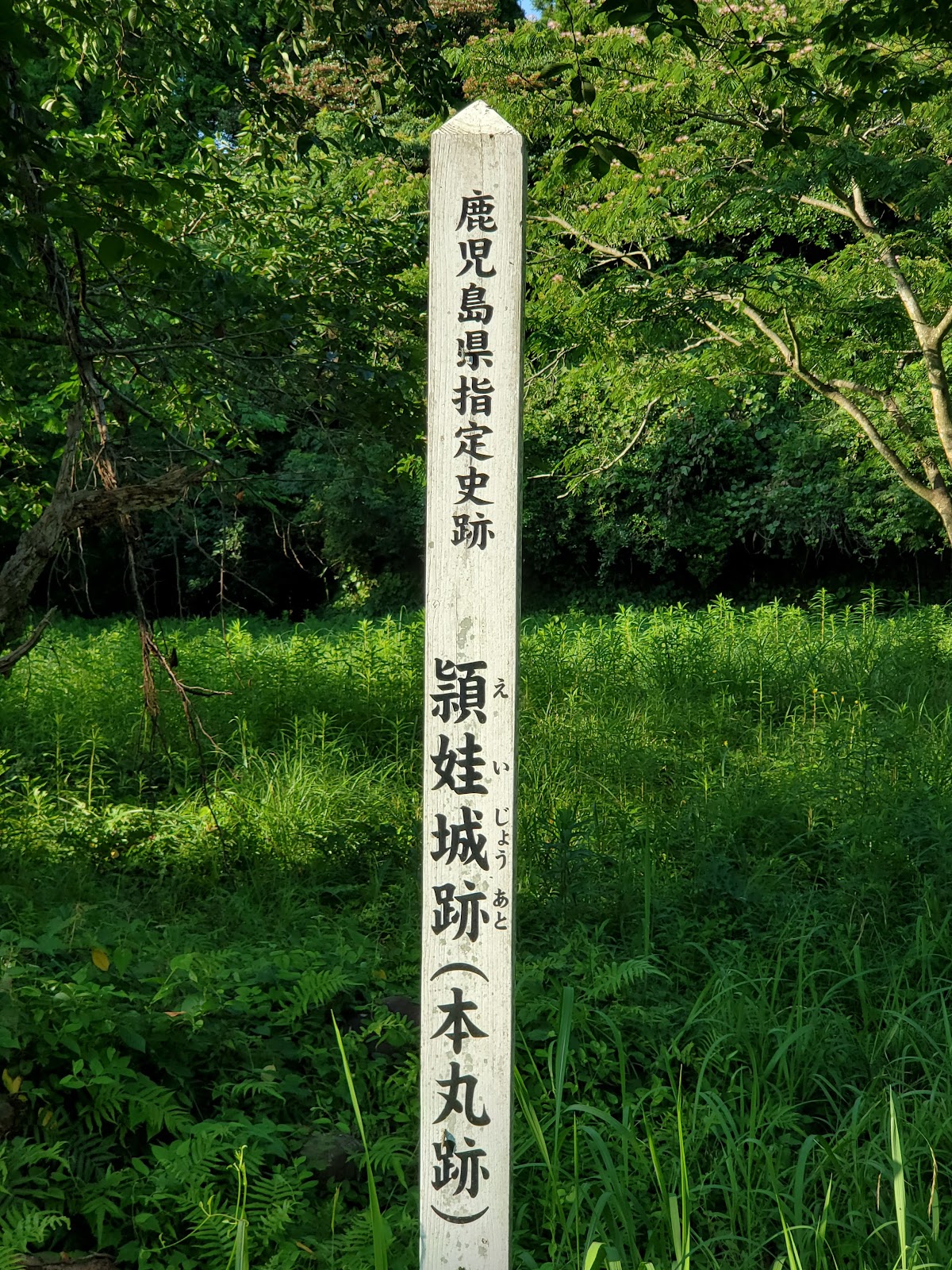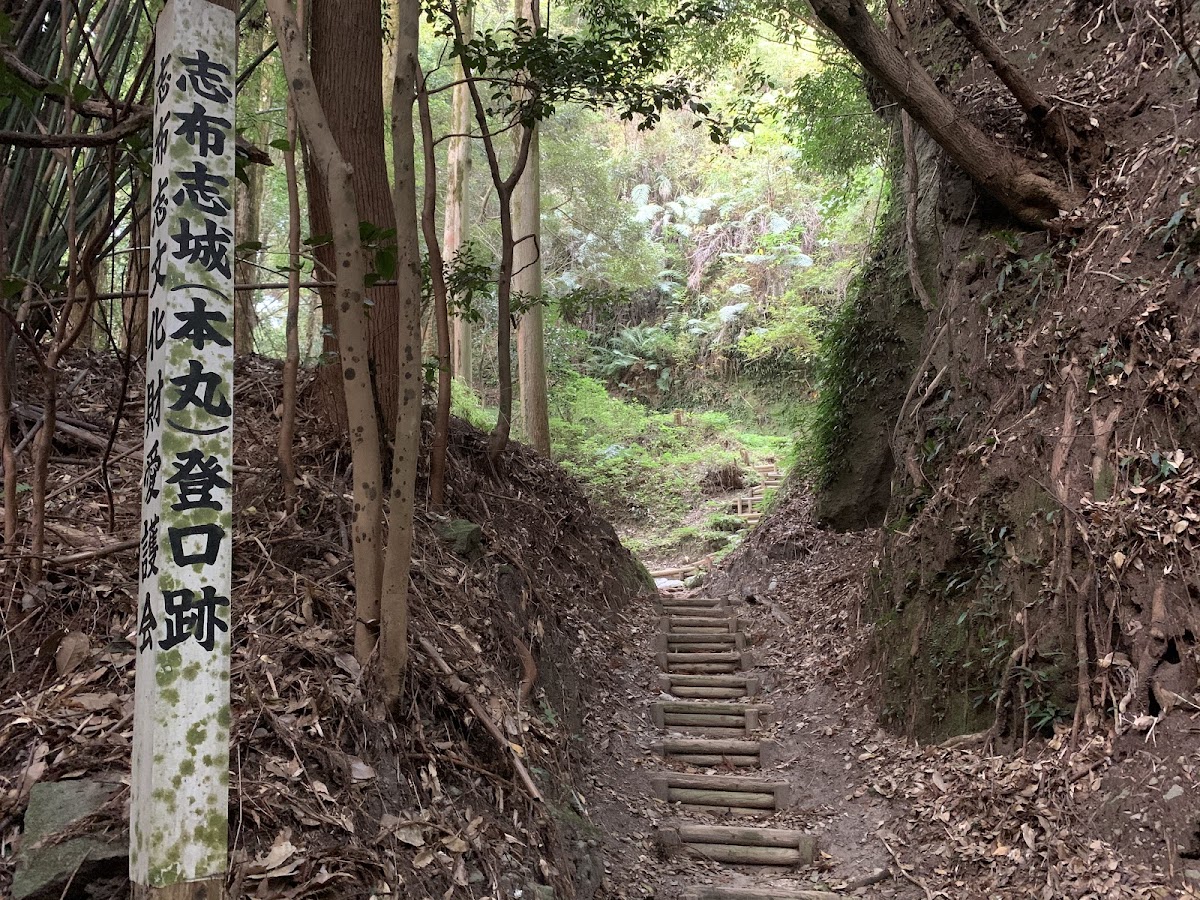
Complete Shibushi Castle Ruins: Yushiza Yamashiro Complex, the largest medieval Keiyama Castle Group in southern Kyushu
Shibushi Castle is this?
Shifu Castle is a medieval Xishan Castle located in Shifu Town, Shifu City, Yulu Island. Designated on July 14, 2005 as a national historical monument, selected on April 6, 2017 as one of Japan’s 100 most famous castles (No. 197), an important cultural heritage site in southern Kyushu.
The most notable feature of the castle fort is Inner Castle, Matsuo Castle, and Takajo Washin Castle are four independent mountain castles jointly constructed into one complete structure. The Shiza Mountain Castle complex is also known as “Shibushi Castle”. As you can see, the construction of a fort in a national capital is an exhibition of the unique fort construction techniques of the southern Kyushu era, and the rare history of the war strategy. During the medieval period, Shibushi District, Kuninin District, Hyuga Province, Shibushi District, Shibushi Bay, Shibushi Bay, a prosperous port castle town. The Shimazu clan, the Kimi clan, the Niina clan, and the other feudal lords fought fiercely, and during this period, Shibushi Castle continued to build and solidify their efforts.
Shibushi Castle History Exhibition
Built during the Northern and Southern Dynasties
The exact date of construction of Shibushi Castle has been confirmed, however, the earliest known document states that it existed in the Northern and Southern Dynasties (1365). ** During this period, the invasion of the Northern and Southern Courts was widespread, and Shibushi Castle was established in Kyushu, an important strategic location.
According to archaeological research, it is possible that the statue of Shibushi Castle existed at some point before this time. At first, Matsuo Castle was built as the main castle, afterward the need for military strategy, the constant construction of the inner city, and finally the development of four interconnected forts to form a powerful defense system.
War role
From the time of Muromachi to the time of the war, Shibushi Castle was one of the most important fortresses in southern Kyushu, and was also the site of the war.
After the Shimazu clan, the new name clan became the lord of Chengdu Castle, and after that, the Shimazu clan’s Tadayaki Shimazu clan took the title of the lord of the castle. However, in 1562, the powerful feudal lord Kimotsuki Kane of Osumi Peninsula invaded Shibushi Castle and became the lord of Chengdu Castle. During the reign of Shigetsuki Zaiki, Shibushi Castle was a powerful base for the Shigetsuki clan in the Osumi area.
After the Shimazu clan was established in Kyushu, Shibushi Castle was re-entered and under the control system. During the Tensho era (1573-1592), Shibushi Castle was an important division of the Shimazu clan, and after the conquest of Kyushu by Hideyoshi, a Japanese vassal, Shibushi Castle was a part of the Shimazu clan’s territory.
Changes since modern times
After the arrival of the Edo era, the intense demand for wars disappeared, and Shibushi Castle was destroyed and its military capabilities disappeared. Under the control of the Ibara domain, the castle town of Shibushi was developed, and the castle fort and fort was formed as a group of samurai residences known as “Fushimoto.”
During the Meiji period and after the new era, most of the fort-like area was destroyed, and part of it was remodeled. As a result of this, we were able to expand the model to a large extent, and the preservation of this long history was perfect.
Shibushi castle structure
As a result, Shibushi Castle has a unique structure and clever use of land to explore the special topography of the Hakujo Plateau in southern Kyushu. The main details are as follows:
Inner Castle
The inner city is the largest and most central castle pond in Shifu Castle, the east and west sides are about 300 meters long, the north and south are about 600 meters long, and the area is about 600 meters long. It is the central part of the designated country’s historical past.
A large dry castle on the Hakusu Plateau with seven main caves, separated by a river and a clear river. The dry city river area is more than 10 meters deep, and the infiltrators have been attacked since the first time.
Information on the layout of the inner castle:
- Main enclosure: In the center of Useong Pond, this is the most solid area for defense.
- Ninoyaku Wasanomaru: The main burial mound of the Honmaru.
- Outer fort defense work: Multi-level defense work protects the outer fort.
Due to this minor construction, the construction of the dry castle, Kawa Hijikata construction, connection, formation of maze and general defense system. Be careful, Horikiri (opening up the castle river), strategic geographical distribution of fortifications, Yokoyama spine, limited enemy invasion.
Matsuo Castle
Matsuo Castle is recognized as the oldest of the Seven Samurai Castles, and the first recognized as the main castle. The Zarazai troupe is located on an isolated mountain hill northwest of Unai Castle.
Yonai Castle is one castle, Matsuo Castle is a deep dry castle river, and many foreign castles are separated from each other. These various designs have been confirmed to be effective in preventing enemy’s lateral movement and enhanced defense effect.
Matsuo Castle is a small model of Naijo Castle, but its defense construction is very elaborate, its construction is an important historical site, and the construction technology of the medieval fort in southern Kyushu is extremely high.
Takajo
Takajo is Ichiza Mountain Castle, east of Iyu Naijo Castle, and overlooking Jianyu on the hill of Shifu Bay.鉴于 Its geographical location, people can see the direction of military movement at sea** important effects.
The three castle forts are similar, the size of the castle castle site is small, the outer fort is also small, but the defensive construction has been cleverly used to make the topography. Thinking about the importance of the port and the city, the importance of human resources and security in the city, and the important role of maritime transportation.
Shinshiro
The new castle is known to be the fourth castle fort, the oldest in its construction period, south of Unaijo Castle. As shown by the name, Shinjo Castle was able to be built after the end of the war period.
In addition, the fort is one of the main forts, and the structure of Shinjo Castle is also dry, and the castle of Kawata is the base of the castle, but its construction station is also used for further implementation. The attack was carried out in a joint effort to attack the southern part of the country.
Four castles combined defense system
The greatest feature of Shifu Castle is that it is an independent fort with four independent forts organic land cooperation, forming a comprehensive defense system.
If you are in the castle fortress, you can see this line within the camp, and you can communicate with the messenger and share the information and mutual support. Various designs can be used to quickly gather reinforcements from other forts, and when a certain fort is encountered and attacked, it can be used to launch an attack.
In addition, the structure of the castle fort has already been reflected in the small plains in southern Kyushu, and the terrain is characterized by hills, and the history of the castle has been exhibited during the long period of war.
Shibushijo Ryoten
规MO宏大的护城川绻
Shibushi Castle is the most beautiful place to visit, and the most beautiful place is the castle river system. In particular, the river in the inner castle has a partial river depth of over 10 meters, and its extent is completely preserved in southern Kyushu.
From the high technology of medieval fort construction, the defenders made a huge effort to protect the fort. The white castle river wall, which is unique to Hakusu, and the unique scenic charm of Sarasoe Ichiben.
Place of purchase
Shibushi Castle is one of the most attractive attractions, while visitors can walk there. Inside the castle, you can see the actual defense construction design at the time of the country, for example, connect the castle gates (small parts) of each castle with the river of the castle river.
At present, the main foreign hospital has information on the tablet, and the convenience of the guest is understood by each of the foreign hospital’s functions and special points.
scenery
The city’s ruins give you a panoramic view of Shifu Bay, giving you a real sense of its importance as a center of maritime transportation in ancient Japan. The view of Takashi Castle is especially magnificent, the sun is shining brightly, and the horizon of the Pacific Ocean is far away.
The scenery around the castle ruins is also beautiful enough, spring flowers are blooming, autumn leaves are falling, and the people are happy.
Samurai residence “Fushimoto”
Fushimoto, a samurai residence that formed during the Edo era, is located in the vicinity of the Fushi Castle ruins. This is a comprehensive historical view of the castle’s fort, which is also a part of the Japanese world’s history of “Samurai-based castles in Haguma — walking samurai residences ‘Fushimoto””, where visitors can enjoy the castle town. A man walking on the road to a samurai residence on a stone wall with a stone wall and a wooden fence, living the life of a samurai during the Edo period.
Shibushi Castle’s cultural scene
Historical importance of the National Palace Museum
Shibushi Castle site was designated in 2005 as a national historical monument, and the cause is as follows:
- Construction of a typical medieval Kiyama Castle in southern Kyushu, with important historical significance
- The construction has a unique construction with four interconnected castles, and an important academic world.
- Historic status of preservation
- This is a rare example of fort construction technology unique to the Plateau.
The reason for this is that the excavation of a large dry castle river on a plateau is an important milestone in the defense technology of modern medieval castles and castles.
Selected “Japan’s 100 Great Castles (End)”
In 2017, Shibushi Castle was selected as `Japan's 100 Great Castles (续)'', ranked 197th in the ranking. After the report was published, the Japanese Castle Fortress Association's presence report as `Japan’s 100 Great Castle Fortresses” was published, and it was selected and received by castle fortress enthusiasts from all over the country.
Honored with the commemorative medal of “Japan’s 100 Famous Castles”, Yu Zhifu City Burial Cultural Center, attracts a lot of people who love the castle fortress.
Composition Japan World Cultural Heritage
The ruins of Shibushi Castle consist of one of the world’s most important cultural heritage sites in Japan, such as the “Castle where the samurai resided in Hauma – the historical residence of the Fushimoto samurai”. A comprehensive historical view of the castle ruins, the history of the castle, and the history of the samurai life and cultural curiosities of the Ibaruma domain.
Visitor Guide
Transportation method
Self-indulgence:
- Departing from Shibushi IC on the East Kyushu Expressway, approximately 10 minutes by car
- Bus stop: Shibushi Elementary School nearby visitor stop
Public transportation:
- Approximately 5 minutes from JR Shibushi Station
- 也可乘某巴士 (也于幘士縭子 LIMITED, CONFIRMATION PRIOR TO CONSTRUCTION)
Visiting time and cost
- Viewing time: All sky open (However, safety considerations will be released, and the view will be viewed after sunset)
- Key vote: exemption
- Accuracy visit time: Visiting the inner city approximately 1 hour; Complete tour approximately 2-3 hours.
Customer precautions
- Caution below: Yuyu is a mountain fort, and wears shoes and Japanese clothing.
- Summer Precautions: :Shut up the water, wear a hat, and drink water.
- Instruction tiles for use: :Instruction tiles for each area in the reference park area.
- Mosquitoes:: The demand for mosquitoes during the summer.
Recommended tour route
The next visitor to the destination, the route below the construction arrangement:
- From the bus stop to Naijo Castle entrance (5 minutes)
- Visit Naijo Castle Lord’s Castle (45 minutes)
- Matsuo Castle (10 minutes walk)
- Visit Matsuo Castle (30 minutes)
- As long as you have time, you can also visit Takajo and Shinjo Castle.
Zhou
Shibushi City Underground Culture Center:
- Exhibition materials of Yoshibushi Castle Sokan in Fukutomi
- Seal of “Japan 100 Famous Castles”
- Opening hours: 9:00-17:00 (closed at one time)
Shibushifu Main Garden:
- Accessible samurai residence garden design
- Tour of the castle ruins during construction
Shibushi Castle’s protection and use
Protection measures
The following measures will be taken to ensure that Shibushi Castle is located and is properly utilized and that Shibushi City is currently open:
- Regular Warranty and Clean Condition: The local residents and volunteers have been working regularly and are in good condition since then.
- Installation information tile:Information tile for the details of the installation of each place at the location, the history of the fort’s history summaries that the guests understand.
- Holding scientific research: Holding and opening the excavation and exploration work, and the actual situation of the fortification.
Usage items
Shibushi Castle will not be built, the history of the building will be protected, the use of the site will be expanded, and local travel education resources:
- Guidance tour: Guided tour for those who wish to visit the area on a regular basis.
- School education: Local junior high and elementary school students can visit the fortress site, learn about local history, and understand the history of the area.
- Activity activity: Activities such as city-based fortifications, historical events, etc. throughout the year.
Conclusion
Shibushi Castle’s four interconnected mountain castle composition, unique structure, one of the largest medieval castle forts in southern Kyushu, with an extremely high historical and academic world. Stop looking at the large dry castle river in the deep Hakushu Plateau, which is a rare historical example of modern medieval castle construction technology.
Its importance has now been determined by its three cultural heritages: national history, one of Japan’s 100 most famous castles (renewed), and a part of Japan’s historical heritage. The site of Shibushi Castle is said to have played a fierce role in the war in southern Kyushu during the country’s era, but it is also a must-visit place for those who love castle forts, and a must-visit place for history lovers.
When I visited Shifu Castle, I was forced to walk at a leisurely pace, and I thought about the history of Southern Kyushu from the Middle Ages to the time when the country was conquered. Visit the “Fushimoto” samurai residence, and learn more about the history and culture of Shibushi Castle.