Kokura Castle (Fukuoka Prefecture, Kitakyushu City) Complete Guide | A Thorough Explanation of the Karazukuri Style Keep and Hosokawa Tadaoki’s Famous Castle
Located in Kokurakita Ward, Kitakyushu City, Fukuoka Prefecture, Kokura Castle is a famous castle beloved by many citizens and tourists as a symbol of Kitakyushu City. Built in 1602 by Hosokawa Tadaoki, this castle boasts a unique “Karazukuri” style keep and is the only traditional keep in Fukuoka Prefecture. This article comprehensively introduces information you should know before visiting Kokura Castle, from its history and architectural features to its highlights and access information.
History of Kokura Castle | From the Sengoku Period to the Present
Kokura Castle Before Construction
The history of Kokura Castle begins in 1569 (Eiroku 12) when the Mori clan, a Sengoku daimyo of the Chugoku region, built the castle. Initially, Takahashi Akimune, a vassal of the Mori clan, resided there, and later Mori Katsunobu became the lord of the castle. It is believed that Kokura Castle in this era was not the magnificent fortress it is today, but rather a relatively small, fort-like structure.
Major Renovation by Hosokawa Tadaoki
Kokura Castle took on its current form in 1602 (Keicho 7). Hosokawa Tadaoki, who distinguished himself in the Battle of Sekigahara, was granted Buzen Province and entered Kokura as a daimyo with a domain of approximately 399,000 koku. Tadaoki spent seven years extensively renovating Kokura Castle, completing it as a flatland castle with a terraced layout, surrounded by the main keep (Honmaru), the “Matsumaru” to the south, the “Kita-no-maru” to the north, and further enclosed by the “Nin-no-maru,” “San-no-maru,” and outer baileys.
Hosokawa Tadaoki was the son of the renowned Sengoku period warlord Hosokawa Fujitaka (Yusai), and a distinguished general skilled in both military and literary arts, married to Tama (Gracia), the daughter of Akechi Mitsuhide. He was also well-versed in the tea ceremony and waka poetry, and is known as a leading disciple of Sen no Rikyu. The Kokura Castle built by Tadaoki served not only as a military base but also as a cultural center.
The Ogasawara Clan and the Turmoil of the Late Edo Period
In 1632 (Kanei 9), after the Hosokawa clan was transferred to Kumamoto in Higo Province, Ogasawara Tadazane became the lord of the Kokura Domain. The Ogasawara clan continued to rule Kokura until the end of the Edo period. During this time, Kokura flourished as a transportation hub from all over Kyushu, to the point that it was said “all roads in Kyushu lead to Kokura,” and it functioned as an important base for monitoring various parts of Kyushu.
During the late Edo period, it became a frontline base for attacking the Choshu Domain, and in 1866 (Keio 2), it was the site of fierce fighting during the Second Choshu Expedition. In this battle, Kokura Castle was in danger, and the Ogasawara clan themselves set fire to the castle and retreated to Kawara in Tagawa District.
The Destruction and Reconstruction of the Castle Tower
Kokura Castle’s main tower was destroyed by fire in 1837 (Tenpo 8). For approximately 120 years afterward, the castle tower remained without a structure. However, in 1959 (Showa 34), the current tower was rebuilt. While the rebuilt tower is made of reinforced concrete, its exterior faithfully reproduces its Edo-period appearance. It is a beloved symbol of Kitakyushu and a major tourist hub.
In 2019 (Heisei 31), a large-scale renovation was carried out, transforming it into an experiential facility utilizing the latest XR (Cross Reality) technology. Furthermore, on February 11, 2026, the castle achieved the remarkable feat of reaching 10 million cumulative visitors since the tower’s reconstruction in 1959.
Architectural Features of Kokura Castle | Karazukuri and Nozurazumi Style
Unique “Karazukuri” Castle Tower
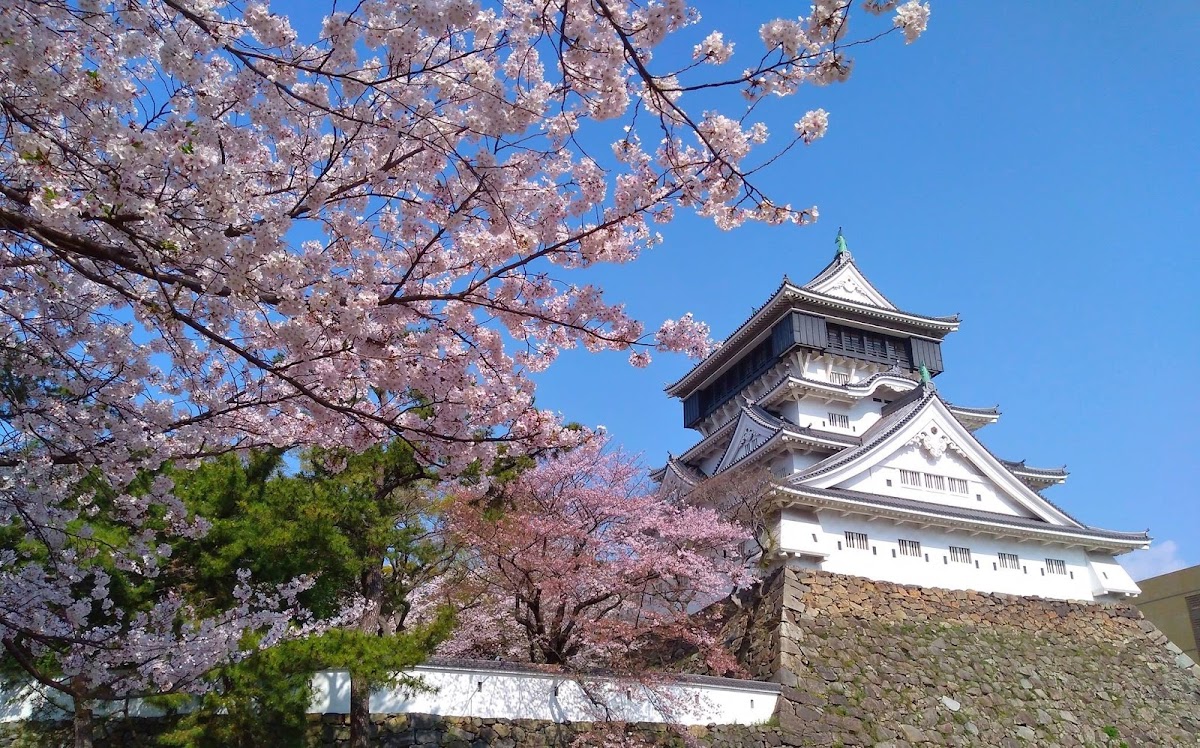
The most distinctive feature of Kokura Castle is its unique architectural style, known as “Karazukuri” or “Nanban-zukuri.” While typical castle towers have floors that gradually decrease in size from top to bottom, Kokura Castle’s fifth floor is larger than its fourth. This structure was unique and rare in Japan at the time of its construction.
Karazukuri is a style where the top floor extends beyond the lower floors, which is believed to have enhanced defensive capabilities militarily. When enemies attempted to climb the stone walls, the protruding section could be used to attack, providing a defensive advantage. Furthermore, it had a dignified appearance and functioned as a symbol of authority.
The castle tower boasts the sixth-highest height among all castles in Japan, and its first-floor area is among the largest in the country, making it a truly magnificent structure. This grand scale speaks to Kokura Castle’s position as an important strategic point in Kyushu.
Nozura-zumi Stone Walls
Another distinctive feature of Kokura Castle is its stone walls, constructed using a technique called “nozura-zumi.” Nozura-zumi is an old style of stone wall construction that uses natural stones with minimal processing, without the use of cut stones. While it may appear rough at first glance, it actually requires advanced techniques, maintaining strength by filling the gaps between the stones with smaller pebbles.
Nozura-zumi stone walls have the advantages of excellent drainage and earthquake resistance. Furthermore, they become stronger over time as the stones interlock. The stone walls of Kokura Castle remain remarkably intact even after more than 400 years since its construction, demonstrating the high level of stonemasonry skill of the time.
Castle Structure
Kokura Castle is a flatland castle built utilizing the shape of a hill on the west bank of the Murasaki River estuary. The structure consists of the main keep (Honmaru), Matsumaru, Kitamaru, Ninomaru, and Sannomaru, with the outer bailey surrounding the entire structure.
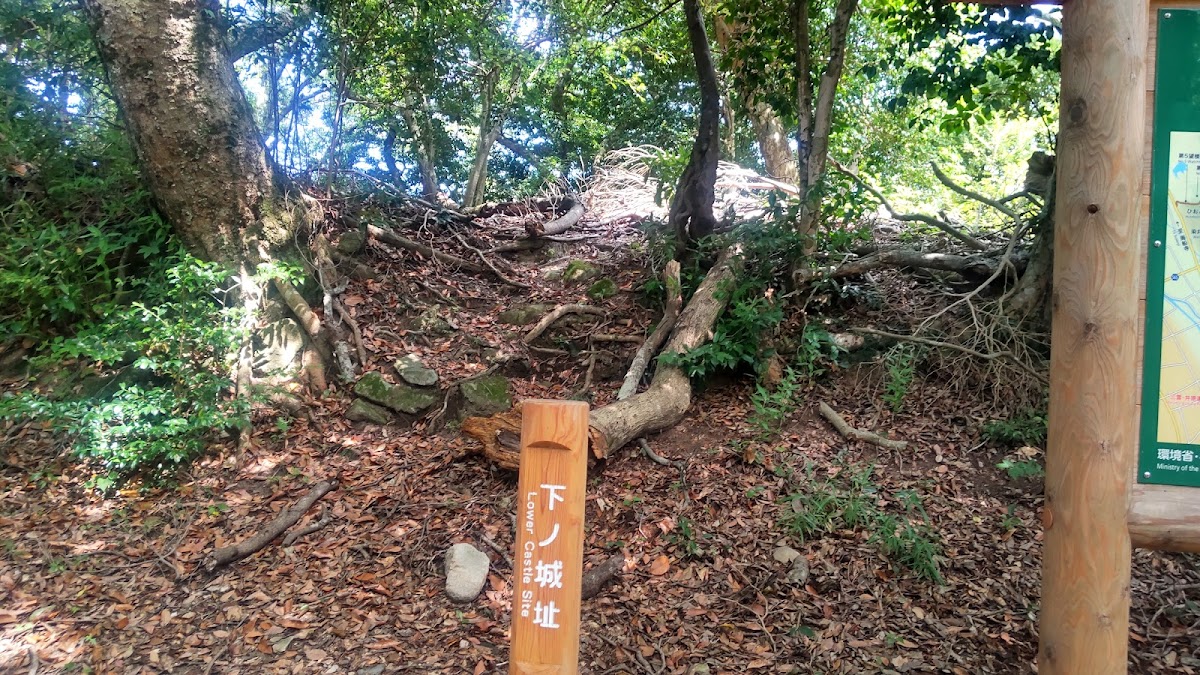
The castle had eight gates, including the Otemon and Tsukimon gates, each functioning as a key defensive point. Currently, the site is maintained as Katsuyama Park, with some stone walls and moats remaining. A stroll through the park allows you to appreciate the scale of the castle in its heyday.
Highlights of Kokura Castle | An Interactive Historical Space
Exhibits Inside the Castle Tower
After its renovation in 2019, Kokura Castle’s keep was reborn as an interactive historical space utilizing the latest technology, based on the concept of “Japan’s most interesting castle.” Each floor features exhibits with different themes, allowing visitors to learn about the history and culture of Kokura Castle while enjoying the experience.
Inside the keep is a large, impressive theater where you can experience the history of Kokura Castle through dynamic video. There are also exhibits introducing the lives of Miyamoto Musashi and Sasaki Kojiro, famous for the Battle of Ganryu Island, providing detailed information about the background of their confrontation and their connection to Kokura.
XR Escape Game
Starting July 25, 2025, the “XR Escape Game ~1837 Kokura Castle: Escape from the Burning Keep~,” an immersive attraction utilizing the latest XR (Cross Reality) technology, has begun. Based on the historical event of the castle keep burning down in 1837, participants will take on the mission of escaping from the blazing keep. It’s a groundbreaking attraction that allows you to experience history firsthand.
Encounter with Samurai and Ninjas
At Kokura Castle, staff dressed as samurai and ninjas will greet you, making you feel as if you’ve traveled back in time to the Edo period. Through interaction with visitors, such as commemorative photos and brief historical explanations, you can feel closer to history.
View from the Keep
From the top floor of the keep, you can enjoy a panoramic view of Kitakyushu city. You can see the Murasaki River, the city of Kokura, and even the Kanmon Strait in the distance, allowing you to truly appreciate the geographical importance of Kokura, which was said to be “the point where all roads in Kyushu lead.” The view, especially on a sunny day, is exceptional and it’s a popular spot for photography.
Seasons at Katsuyama Park
Katsuyama Park, where Kokura Castle is located, is a place of relaxation where you can enjoy the beauty of each season. In spring, cherry blossoms bloom in profusion, making it a popular spot for cherry blossom viewing. In autumn, the autumn leaves are beautiful, and the contrast between the castle tower and the autumn foliage is a spectacular sight. The park has plazas and walking paths, allowing you to enjoy a leisurely stroll.
Tourist Spots Around Kokura Castle
Kokura Castle Garden
Next to Kokura Castle is the Kokura Castle Garden, a facility where you can experience the life of a daimyo (feudal lord) during the Edo period. The shoin-style buildings and beautiful Japanese garden harmonize, and you can also enjoy tea ceremony experiences. Visiting both Kokura Castle and the garden allows you to experience Edo period culture more deeply.
Matsumoto Seicho Memorial Museum
Within walking distance of Kokura Castle is the Matsumoto Seicho Memorial Museum, dedicated to Matsumoto Seicho, a writer from Kokura. This is a must-visit spot for literature fans, featuring exhibits showcasing the life and works of Seicho Matsumoto.
Riverwalk Kitakyushu
Near Kokura Castle is Riverwalk Kitakyushu, a multi-purpose commercial complex where you can enjoy shopping and dining. It’s perfect for enjoying meals and shopping between sightseeing. The scenery along the Murasaki River is also beautiful, making it ideal for a stroll.
Tanga Market
Tanga Market, affectionately known as “Kitakyushu’s kitchen,” is also within walking distance. This traditional market offers fresh seafood, vegetables, and prepared foods, allowing you to experience local food culture. The famous “Daigaku Don” (University Bowl) is a popular tourist attraction, allowing you to create your own original bowl by purchasing your favorite ingredients at the market.
Basic Information and Access
Location and Contact Information
Address: 2-1 Jonai, Kokurakita-ku, Kitakyushu City, Fukuoka Prefecture 803-0813
Phone: 093-561-1210 (Kokura Castle Main Tower)
Opening Hours and Closing Days
Opening Hours: April-October 9:00-20:00 (Last entry 19:30), November-March 9:00-19:00 (Last entry 18:30)
Closing Days: Open all year round (except New Year holidays)
*Facility information may change, so please check the official website for the latest information before visiting.
Admission Fees
General: 350 yen
Junior and Senior High School Students: 200 yen
Elementary School Students: 100 yen
*A combined ticket with Kokura Castle Garden is also available.
Access Methods
Access by Train:
- Approximately 15 minutes on foot from JR Kokura Station
- Approximately 9 minutes on foot from JR Nishi-Kokura Station
- Approximately 5 minutes on foot from Kitakyushu Monorail “Heiwadori Station”
Access by Bus:
- Immediately after alighting at the Nishitetsu Bus “Kokura Castle/Matsumoto Seicho Memorial Museum” stop
Access by Car:
- Approximately 5 minutes from the Kitakyushu Urban Expressway “Katsuyama Exit”
- Parking: Katsuyama Park Underground Parking (paid) and several other parking lots in the surrounding area
Estimated Time Required
Approximately 1 hour is needed to visit Kokura Castle’s main tower, and approximately 2 hours including the Kokura Castle Garden. If you plan to visit other nearby tourist spots, we recommend allocating half a day to a full day.
Points to Note When Visiting Kokura Castle
Best Season
Kokura Castle can be enjoyed year-round, but the following seasons are especially recommended:
Spring (Late March to Early April): It’s cherry blossom season, and Katsuyama Park is bustling with visitors. The castle is also illuminated at night, creating a magical atmosphere.
Autumn (November): The autumn leaves are beautiful, and their harmony with the castle tower is magnificent. The weather is mild, making it ideal for a stroll.
Summer (July to August): Events such as the Kokura Gion Taiko Festival are held, allowing you to experience the lively atmosphere of Kokura.
Photo Spots
Recommended photo spots for Kokura Castle are various locations within Katsuyama Park. Angles that capture the stone walls and castle tower together, and shots of the castle across the Murasaki River are particularly popular. Combining them with seasonal flowers or autumn leaves will result in even more impressive photos.
Event Information
Kokura Castle hosts various events throughout the year. There are seasonal events such as the Cherry Blossom Festival, the Kokura Castle Festival, and the Autumn Leaves Illumination. Checking the latest event information on the official website before visiting will make for a more fulfilling experience.
Summary | The Charms of Kokura Castle
Kokura Castle is the only castle in Fukuoka Prefecture with a keep, and is a beloved symbol of Kitakyushu City. In addition to its architectural highlights, such as the unique Tang-style keep and the rough-hewn stone walls, its rich history, from its construction by Hosokawa Tadaoki through the turmoil of the late Edo period to its modern reconstruction, is also a major draw.
Following its 2019 renovation, it has been reborn as an interactive facility utilizing the latest XR technology, and is now promoting itself as “Japan’s most interesting castle.” It is also known as a place associated with Miyamoto Musashi and Sasaki Kojiro, making it an irresistible spot for history buffs.
When visiting Kitakyushu City, be sure to visit Kokura Castle. The views from the castle tower, the beauty of Katsuyama Park throughout the seasons, and the historical experience brought to life with the latest technology are sure to create unforgettable memories. Enjoy the sight of this magnificent castle, resurrected in the modern age, while feeling the history of Kokura, which flourished as a transportation hub.