History of Yamagata Castle and its highlights
Is that Yamagata Castle? | One of Japan’s famous plains castles, also known as Hana Castle
Yamagata Castle is located in Hanashiro-cho, Yamagata City, and is one of Japan’s famous plains castle forts. It was also called `Flower City'' or `Kasei Castle”, and when the spring flowers were in full bloom, the fort was given the name of Buddha. In addition to this, there is another name that is symbolically auspicious: Kichijo Castle.
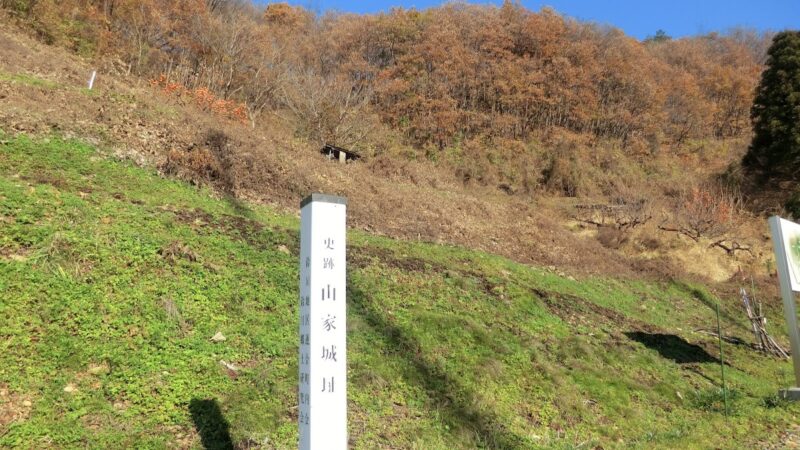
Yamagata Castle is currently designated as a national historical monument, selected as one of Japan’s 100 most famous castles (no. 10), and is an important cultural asset. After the Second War, Yamagata Castle was rebuilt and “Flower Castle Park” was opened to the outside world. After that, near the center of Yamagata City, a heated gate was removed for the citizens of the city.
Features of Yamagata Castle
The most distinctive feature of Yamagata Castle is its size. The length of the outer city of Yamanomaru to the east and west was 1480 meters, the distance from north to south was 1881 meters, and the total area of land occupied was 240 meters. The envoys formed Japan’s fifth largest castle fort, and the ranks included Jiangjo Castle, Osaka Castle, and Nagoya Castle, the Empress of Wakinze Castle.
Yamagata Castle’s three-layer structure, Yuhonmaru, Ninomaru and Yamanomaru structure, each layer of the city is built as a Kawa land-quality castle, which is a typical concentric circle-style plains fort design. Yamagata Castle is located on the south side of the Yamagata Basin, roughly in the center of the northern slopes of the Saki River, and has a geographical location of excellent location, with access to the Nyushu Highway and Sasadani Pass, which is an important transportation hub.
History of Yamagata Castle
Construction reached Mogami era
The history of Yamagata Castle began in 1356 (1st year of Enbun), when the governor of Dewa Province (guardian of Ushishu Province) arrived and completed the construction of Yamagata Castle. Kaneka Shiba was the first-ranking landlord of the Mogami clan, and his other works were the Muromachi shogunate’s command order for Dewa Province (deputy guardian of Ushishu Province), and he was responsible for ensuring that losses were guaranteed.
In Dewa, Yamagata, during the period of the Northern and Southern Dynasties, the fort was built by Shiba Kaneaki, who was built on this site. Since then, the district has been the center of Mogami County, and from then on, it has been the Mogami clan’s focal point. After this, the generation of the Mogami family was established and became a powerful daimyo in Dewa Province.
Mogami Yoshiaki’s major editing
The current owner of Yamagata Castle is Mogami Yoshiaki (1546-1614), the 11th lord of the castle.义昉昉显为一跃于战朘国时某轻旷旷时时间的 Famous General. In 1600, during the Battle of Kanbara, other eastern armies joined, and Naoe Kane and the Uesugi clan expanded their armies in the Nagoya Castle.
Thanks to the trust of Tokugawa Ieyasu, he was a powerful feudal lord with an area of 570,000 koku (570,000 koku). When the feudal lords of the time came to see the area, Yoshiaki used it to build and repair the large-scale model of Yamagata Castle. After the construction of the third layer of the castle, the construction of the castle river, and the repair of the castle gate, the basic structure of Yamagata Castle was completed at the same time.
Empress of the Mogami clan, the current lord of Yamagata Castle
In 1622 (8th year of Motna), during the reign of Mogami Yoshitoshi, the son of Yoshiaki Mogami, the Mogami clan lost 570,000 koku of land. Later, Tadamasa Tsurui was appointed lord of Toyamagata Castle, with an area of 240,000 koku. From the beginning of the Edo period to the end of the Edo era, the lords of Yamagata Castle were the lords of Yamagata Castle and the feudal lords of each family in the Nagoya clan, the Hoshina clan, the Matsudaira clan, and the Akimoto clan and the Mizuno clan.
It is important to be careful, the castle lords are changed, and Yamagata Castle’s growth is decreasing. The highest age was 570,000 koku, the last was 50,000 koku, and the decline in castle and pond management also decreased. Part of the Third Outer Castle was rebuilt and the samurai residence was a commercial district, and the functions of Yamagata Castle declined.
Changes from Meiji to New Years
After the beginning of the Meiji period, the establishment of the Yuyu feudal lord system, the construction of Yamagata Castle, and the removal of buildings within the castle. Comprehensive main shrine hall, corner tower of the castle gate, most of the main construction of the capital was destroyed, and some of the stone walls were destroyed. The site of the fort was used as an industrial training facility, and later was also used as a public facility for the Chengdu School.
In 1986, after Yamagata City was designated as a nationally designated city, the complete renovation process was completed. While excavation and restoration work is underway, Yamagata Castle is being rebuilt and renovated, giving off an old Japanese glow. “Ninomaru East Main Gate” was repaired in 1991, “Honmaru Ichimonji Gate Main Gate” was repaired in 2005.
Yamagata Castle Structure
Honmaru and Honmaru Shrine building site
The main enclosure is the central area of Yamagata Castle, with a distance of 230 meters from east to west and 260 meters from north to south. The Honmaru area was the Honmaru Palace, the residence of feudal owners, and the center of politics at the time.
Honmaru Goten (Honmaru Goten) is a large-scale construction group, Yumote Goten (front hall), Naka-oku (middle palace), and Wadai-oku (inner hall) are completed. During the Meiji period, the Honmaru Palace was established, and the Isawa wall remains as the base of its current existence. The archaeological excavations show step by step the detailed construction of the Honmaru Palace, and the basic materials for future restoration work.
The main entrance to the Honmaru Palace is the Honmaru 1 Monji Gate on the south side of U. The Honmaru one character gate was revised in 2005, it is one za square gate, and the main gate is the same style. All the main bridges were repaired, and the exhibition was finally held at the Honmaru Palace.
Special features of the East Gate after Ninomaru and repair
Ninomaru is a main enclosure area, east-west distance 640 meters, north-south distance 720 meters. The Ninomaru area is the address of high-level government officials and the location of important facilities in Japan.
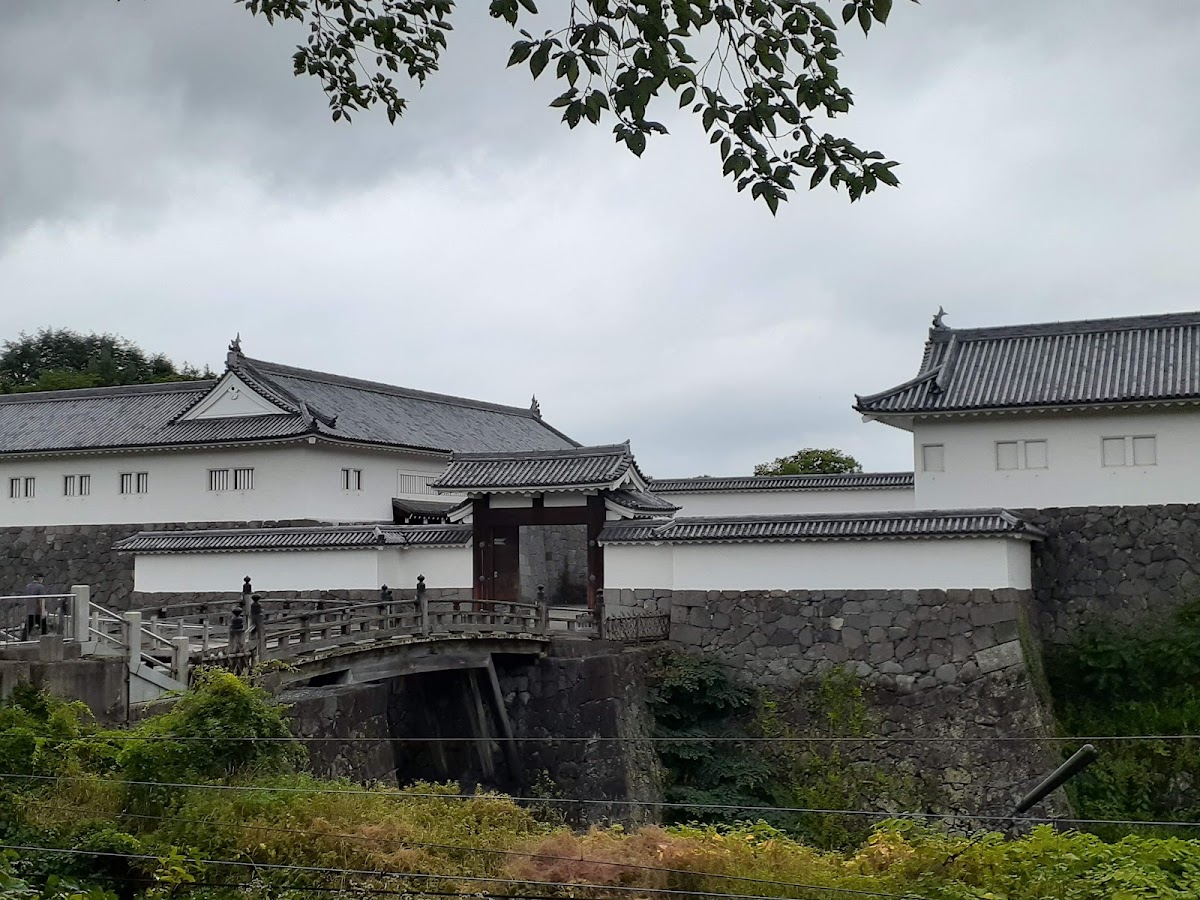
Ninomaru (Second Citadel) The most important existing construction is “Ninomaru East Main Gate”, revised in 1991. The castle gate is Yamagata Castle’s main gate, and it is Hiroya’s tower-style castle gate, 14 meters in height and 19 meters in height. Since the original appearance of the original land and the archaeological excavation that required the greatest amount of repair work, historical materials such as old manuscripts, encyclopedias, etc. have been progressing.
Ninomaru’s river is basically perfect now, and the mission’s strategy is to improve its performance. The maximum production of the castle river was approximately 50 meters, and the first work was injected with water and the function of the castle river.
Sannomaru (third layer) Japanese castle town
According to the previous article, Sannomaru (third-layered coffin) is the outermost citadel of the castle fort, east and west length approximately 1480 meters, north-south construction approximately 1881 meters. The Sannomaru area was removed from the samurai residence, and the commercial district was established as a castle town.
From the inside of the castle to the present, the part of the castle that has been reserved is a historical example of the construction of Hijikata’s construction in the third layer of the castle’s Kawawa, the middle of the walk, and the historical site of the fort. The third level of the castle gate was built, and the entrance to the castle town began to be restrained.
Xiacheng Park Liang Point | Construction and construction after renovation
City gate after repair
The Yamagata Castle ruins in Kasuga Castle Park are open, and you can visit and see the historical construction after the restoration.
Second Outer Castle East Main GateThis is Yamagata Castle’s most representative sexual repair construction. Since its restoration in 1991, it has been a conquest of Yamagata Castle for the enjoyment of its citizens and visitors. The castle gate can be opened to the outside, and the castle tower can be seen from a short distance, resulting in a defense mechanism of the castle gate.
Honmaru Ichimonji Gate and Main BridgeRevised in 2005. The formal entrance of the main outer castle, the main building has a rectangular structure, and various defensive measures have been implemented to make the interior visible. The wood quality of the castle tower was completed by adding a large bridge across the castle tower.
After the minor renovations, the construction of the fort was completed, and the appearance of Yamagata Castle during the Showa period was the best, and the culture was unique.
Cultural development within the park
Inside Hanajo Park, Arita can provide visitors with the history and culture of Yamagata.
Mogami’s history museum Summary of Mogami’s life and its fulfillment. Yamagata Castle is a huge scale model and a powerful feudal lord with an area of 570,000 koku. Exhibited in the hall are rare cultural artifacts such as armor used during the Showa era, Japanese correspondence with swords, and a deep understanding of the history of the Yamagata era and the early Jiang era.
Yamagata City Local History Museum Since the original building of the Yuhara Government Museum, it has been designated as a nationally important cultural treasure. The construction of the Western-style troupe in 1878 (Meiji 11) was a rare historical development of the troupe, and the modern evolution of the Yamagata troupe was confirmed.
The Yamagata Museum is also located in the Yu Park, with a full display of Yamagata’s natural scenery, history and culture. Inside the museum, you will find information about Yamagata Castle’s fortress, and visitors will be able to understand the history of the fort.
Gaseong Park: Victory Land
Kajo Park is one of the most famous places in Yamagata. About 1,500 kinds of Yoshino oak were planted in the garden, each spring blooms, and the castle grounds are decorated with powdered colors.
The second outer fort is located on the riverside of the castle, and its commanders stop looking at it. The reflection of the Japanese maple flower on the water surface, the reflection of the east gate crossing after the change, and the unique magnificent scenery of Yamagata Castle. The name of Yamagata Castle is `雾城'', which is the origin of the name `雾城”.
Every year, in mid-to-late April, Yamagata Castle enters the city, and when the curtain falls at night, the lights are lit, the castle gates are illuminated, and the construction is completed, and the general scenery of the dream is completed.
Status of archaeological excavation and repair items
Archaeological excavation in the right way
The archaeological excavation work was carried out in Yamagata City, and the Yamagata Castle ruins were preserved and used. Until now, the archaeological excavation team has shown many new images, comprehensive details of the castle tower, and the detailed structure of the castle river since the stone burial technique.
In particular, the foundation stone was excavated during the excavation work at the site of the main castle, and the drainage was designed for the Japanese garden, providing a detailed guide to the residences of feudal lords during the Edo period. These trivial research results are important resources for the future restoration of the main castle.
- The coordination of the three foreign temples and the construction of the location of the samurai’s residence in the Japanese castle town. As a result of the regular report format, the regular performance will be reviewed and the public will be released.
Future fix plan
Basic planning and renovation of the Yamagata Castle ruins in Masane, Yamagata City. The current progress is as follows:
Repair work on the main castle (honmaru), long-term goal is partial repair of the main castle palace. However, due to the enormous amount of time and expense involved in repair work, it is important to consider the basics of progress in order to protect the progress of each step.
In the Second Outer Hospital (Ninmaru) Middle School, outside the east main gate, and other castle gates, the tower tower was repaired and considered. Specially, the south main gate and the north main gate are repaired, and the key process of Yamagata Castle’s general appearance is monitored.
In addition, the construction of the river, the construction of the stone mound, etc. are still ongoing. As we progress through the trivial items, we walk through Yamagata Castle and the ancient days shine brightly.
Yamagata City’s positive power is pushing forward with Yamagata Castle’s repair work, comprehensively increasing the number of management staff, and under the joint efforts of the local citizens and families, with a long-term perspective on the repair work.
Yamagata Castle transportation and travel information
Transportation method
Sitting fire car
- Travel time approximately 15 minutes from JR Yamagata Station
- From JR Yamagata Station, Yamagata City Public Bus Station “Higashikururin”, located at “Hanajo Park” station, the car journey is approximately 5 minutes.
Running car
- Exit Yamagata Expressway Yamagata Kuroo IC, approximately 15 minutes by car
- East North Central Expressway Yamagata Chuo IC exit, approximately 10 minutes by car
There are many parking spaces in and around the park, with a capacity of approximately 230 feet. Traveling in the flower season, etc., building public transportation tools.
Opening time and gate
Huacheng Park is open 24 hours a day, free of charge. Unfortunately, the opening time of the main castle tower and the second castle tower is as below:
- April 1st to October 31st: 5:00 a.m. to 10:00 a.m.
- November 1st to March 31st: 5:30 a.m. to 8:00 a.m.
Each site in the park (for example, the best museum of history and the Yamagata City Regional Museum of History) has its own opening and closing dates and pre-construction plans.
Zhoujian Travel Scenic Spots
The surroundings of Yamagata Castle are a tourist attraction, and you can enjoy the history and culture of this area.
Center of Yamagata City It is a commercial district with a rich history and a long history, such as Shichikamachi Wahonmachi, a warehouse with a long history and a long history. You can enjoy handcrafted Japanese local delicacies from Yamagata.
Bunzhao Hall (Original Government Building/Entertainment Hall) is a Western-style construction built in 1916 (Taisho 5), and has been designated as a nationally important cultural item. It takes about 15 minutes to walk through the castle park, and you can enjoy the beauty of its construction in the Taisho era.
Yamadera (Risekiji Temple) is a famous temple located in the east of Yamagata City, approximately 15 km away. This is a famous haiku by Matsuo Basho called “Jakusei – Cicada’s Piercing Stone.” This is a must-see place for sightseeing in Yamagata.
Yamagata Castle’s culture and protection
Production list of Japan’s 100 most famous castles
Yamagata Castle is the 10th Great Castle in Japan selected by the Japan Castle Association. The selection will take into account the historical importance of the fort, its historical preservation status, and the local culture.
Reasons for entering Yamagata Castle:
- Size: The construction was the fifth largest castle in Japan, the construction was the highest and the most powerful, and the area was 570,000 koku.
- Importance of history: From the time of Nanboku-cho to the time of the Edo period, Soichiro was the center of politics and military affairs in Dewa Province.
- Historic Preservation: The second outer fort’s Kawaki Hijikata process has been perfectly preserved.
- Repairing process results: Fundamental scientific research in the repair process helps people understand the construction of the fort.
“Japan’s 100 Famous Castles” seal is available at the Yamagata City Regional History Museum in the Huacheng Park.
Protection of the National Museum’s History
Yamagata Castle Site was designated as a national castle monument in 1986. This is a designated fortress that provides important monuments with legal protection and limited development activities.
Work National History of the National History of the Preservation of Non-comprehensive Protection, Comprehensive Promotion of Scientific Research and Research Results. Yamagata City has been established to protect and utilize the historical site, to open up the museum, to protect the citizens, tourists, and tourists, and to create a cultural park that will not be damaged.
In 35.1 public days, the castle tower was the center of the second outer fort, and part of the third outer fort was included. Within the designated area, the security guard is responsible for the duty of the head, and at the same time, the security of the park is functional and the security is protected.
Regional cultural effects
Yamagata Castle Ruins (Flowers Castle Park) is not only a cultural space for Yamagata citizens’ history, but also for their daily life.
The park is a place where people walk in their daily lives, leisurely vacations, and seasonal changes that visitors can enjoy: spring flowers, early summer greenery, autumn red leaves, and winter snowscapes. This is a place where the citizens are free to leave their bodies and minds, and also understand the local history and cultivate a sense of pride.
Yamagata Castle is an important educational material for schools. The city’s elementary school, Japanese, and middle school students will have the opportunity to visit Gaseong Park, and part of the local history and culture studies, and the assistant students will understand the local history and culture.
In addition, Kajo Park is an important source of travel resources, attracting a large number of tourists all year round. Of course, when the flowers are in bloom, during the season and after the renovation, the construction and construction work will be completed, and the local construction will be completed.
Summary | Yamagata Castle, old Japanese style
Yamagata Castle has a history of more than 660 years, was built by Kensuke Yushiba, and after extensive renovations was completed in the 19th century, it became one of the largest castles in Japan. After the Meiji era and the end of the new era, many constructions were carried out, but the production of food was protected by the state’s national historical heritage, and as it was now developed, it was deeply appreciated by the local people – Gaseong Park.
Continuous archaeological excavation and restoration process, comprehensive restoration of Ninomaru East Gate and Japanese Honmaru character gate, Yamagata Castle’s successive reconstruction and ancient Japanese brilliance. It is one of the most important cultural historical sites in Japan, and is one of the most famous historical sites in Japan.
The park has many cultural facilities, the most comprehensive cultural history museum, and Yamagata City Local History Museum, which was also a famous historical site at the time. The park is located in the center of Yamagata City, with convenient transportation, which is why it is a paradise for history lovers, and people of all ages can visit here.
Arriving in Yamagata, a certain amount of time was passed to Yu Flower City Park, and the history of Hongya City Fortress was built with the finest details. After the excavation and repair, the fort’s main gate, the view of the castle river, and the feeling of true cutting of the land were reached.