Kadoki Castle’s history and charm: The most famous mountain castle in Japan is one of Japan’s 100 most famous castles.
Is that Kadoki Castle?
Kakunoki Castle is Ichiza Yamashiro, the base of Kakunoki Mountain in Kusunoki Town, Kakusu District, Kenyu, Oita Prefecture. Joba seaweed 577 meters, Hikusu Basin Takade approximately 240 meters. Three sides of the mountains, covered with cliffs, natural fortifications. During the war period, the fortifications of Sosaku Ichiza, the Shimazu clan’s large army, and Nadari Seishi’s retreat.
In 2005, Kakumurayama was designated as a national historical monument, and in 2017, he was selected as one of Japan’s 100 most famous castles (192nd). The production of one troupe and the construction elements of the Middle Ages and the early modern period is a rare castle fort site, and the important significance of the castle fort is that the stone fort and the stone tomb are the main ones.
From a geological perspective, Kakumura Mountain has a unique solitary topography, and its special expedition is a narrow plateau-like mountain. The Nanban Basin is an important transportation hub in front of Japan, and is an important strategic strategic point.
Kakumurayama’s history
Early history of construction
It was built in the early 19th century by Morisaburo Kiyohara Tomomichi (1278-1288). After recording the history of Japan, Tomomichi Mori chose this place and lived here.
On the other hand, there is also a story about this castle built in the original Dynasty, but there is a lack of historical materials, and there are stories about it. In the seventh year of Bunmei (1476), when the earliest written text was recorded, it was announced that at that time it was an important mountain fortress.
During the Eiroku era (1394-1427), this castle was under the control of the Otomo clan; during the Eiroku era (1558-1569), it was divided into branches of the Chengdu Otomo clan. During this period, Kakumura Castle was built as a defensive fortress for the residents, and played an important role.
number
In the history of Lingjiao Village Castle, from 1586 to 1587, there was a battle between two men and women. During the fierce battle between the Shimazu clan in Kyushu and the Otomo clan in the country, Kadomura Castle was established and became an important strategic point.
In December 1586, a large army of about 6,000 people attacked Shimazu and Hirokazu’s castle. The castle has a military force of approximately 1,000 people, and the main area is Kusunoki District. The commander’s military strength was in full force, and the castle’s defenders used the fort’s natural defenses.The three sides of the castle were built and the cliffs of the mountains were successfully defeated.
The Shimazu army made multiple attacks, but the capital was destroyed by solid defense construction works, and the final attack was impossible on the village castle. The successful attack on this field is one of the important reasons for the honor of the village castle.
Modern modification
After conquering Kyushu, his vassal Hideyoshi entered Keimura Castle and began a new stage. In 1593, Mori Takamasa’s establishment in Kushiro District led to the extensive remodeling of Komura Castle.
Masataka Moritaka was a member of the Murakami Navy, and was also the most famous naval commander. Other modern castle forts, including the stone castle complex, which was built in the medieval Qiyama Castle. The tall stone tomb built during this period is now the most prominent point of Kadomura Castle.
The technique of “Yasuno Yu” is a stone craftsmanship from Omi Province (Imaji Takashi) that has been used since its inception. The famous “Yasuno Stone” natural stone combination technique has achieved a perfect aesthetic appearance on the stone tombs of Kakumura Castle, and is an important resource for the development of fort construction techniques from the post-war era to the early Jiangzhou era.
Edo period Yoshiroike no Hibi
In 1600, after the conquest of Kanbara, the Mori clan disappeared, and Kadomura Castle entered the island clan’s territory. However, in 1601, Kakumura Castle was established under the “One Country, One Castle” ordinance of the Yue Jiang Shogunate.
After this, the Raishima clan completed the construction of defense works in Mouri City, the center of Kusunoki District, and the construction of Kadomura Castle, which became the historical stage of Tande. After the launch, the name of the local owner was “Shikushan Castle”, which has since been preserved.
Kadomura castle structure and light points
Clothing and organization structure
Kadomura Castle is a mountain castle in the style of a lantern, with a castle tower built in Kadomurayama, and a castle pond (car) built in Yuta. The main city is located in the center, the second and third castles are arranged in a ladder-like manner, and the stone mounds and earthworks are separated from each other.
The length of the city is 400 meters to the east and west, and the distance from north to south is 200 meters. The main road was closed to the south, and there were many defense works along the way.
Charm of high stone walls
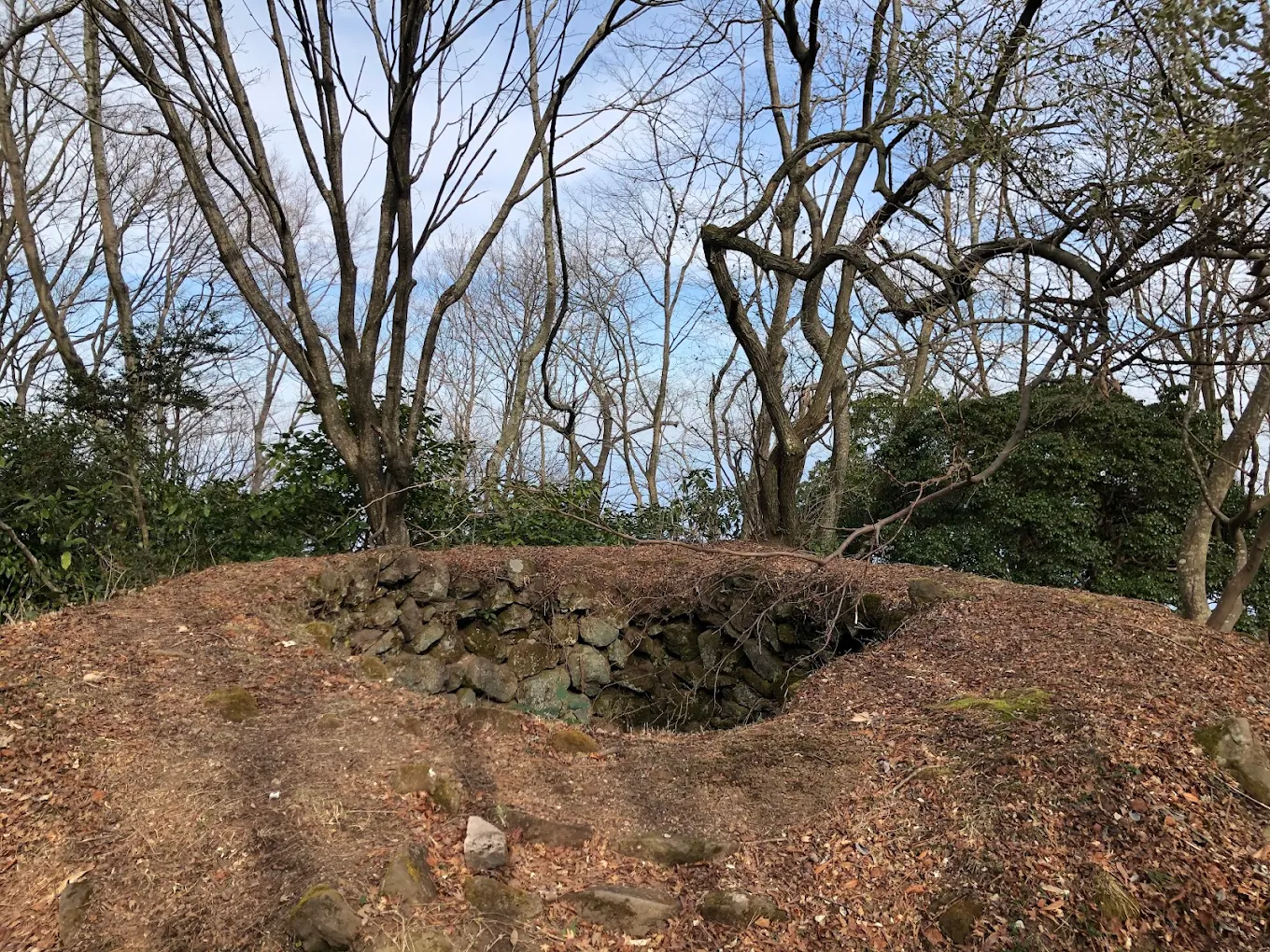
Kakumura Castle’s most outstanding feature is the perfectly preserved high stone tomb on top of the mountain. Around the main city, there are currently several roads that are over 5 meters high, and the stone burial ground is over 5 meters high, and visitors are not allowed to see it.
The stone tomb on the north side of the main fort has been preserved in perfect condition and can be clearly seen using the Ano corner brickwork technique. The natural stone used for the construction of a small stone burial mound, the skillful construction of the rough stone chisel technique, and the exquisite beauty of the existing structure. The three-stone corner (tui-shikake-chiku) technique has been developed, and the transition stage of the early modern fort construction technology has been realized.
The preservation of Shi Yao is quite complete, and the layout of the entrance to the fort was completed at a time when the construction was extremely level. The construction of the stone fort was completed by Mori Takamasa, and the commander of the former village of Shanghai Army, who built the castle on the mountain, was a heroic hero.
Main castle and outer fort
The main wall is located at the highest point of Yujiao Meishan, the distance from east to west is approximately 50 meters, and the distance from north to south is 30 meters. However, the current location is flat and flat, but the towers and towers are still in place. A panoramic view of the camphor tree basin overlooking the castle tower, the scenery is spectacular, and it is a very rewarding experience.
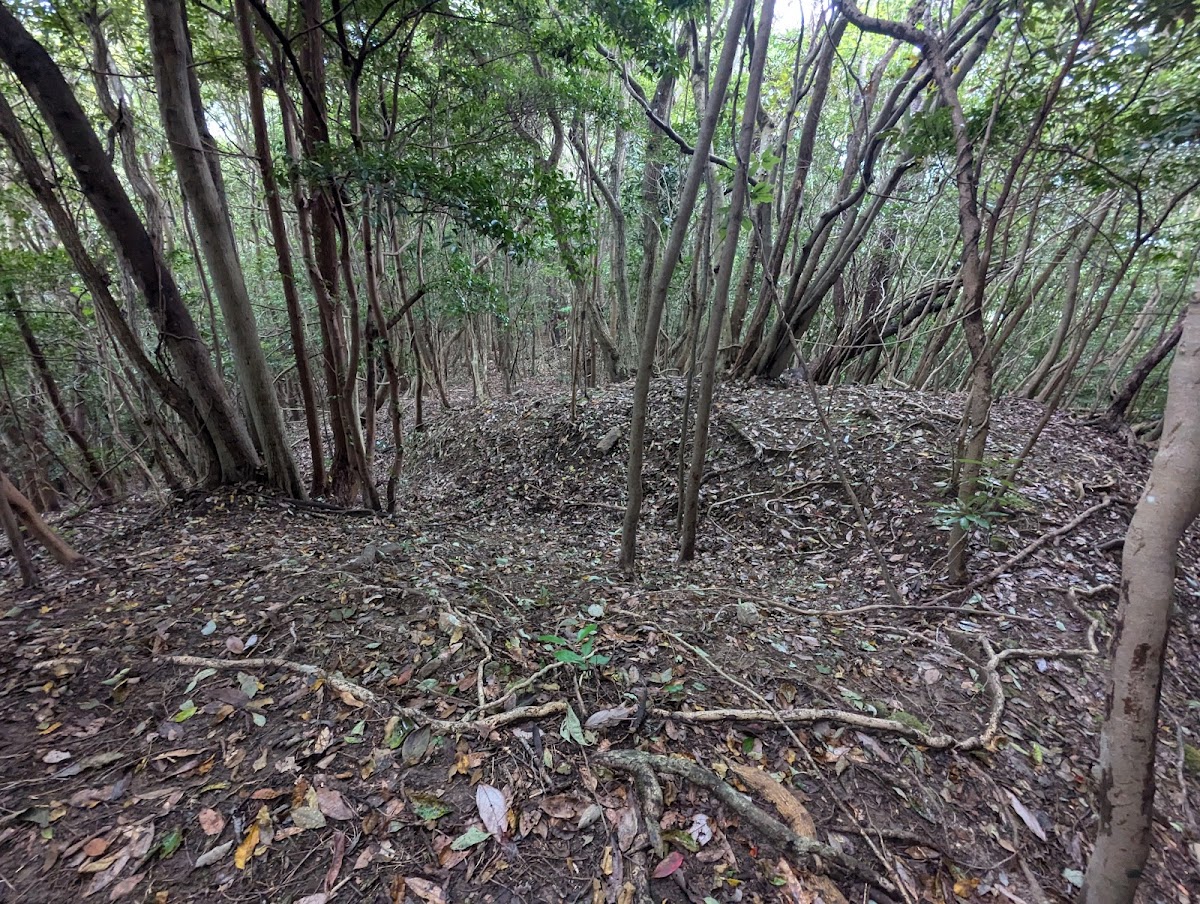
The main citadel is surrounded by several small citadels, including the second and third outer forts. From each castle to the capital, the defense construction of the castle and the castle world. In particular, there are a group of castle tombs on the west side, a cliff in the back, a natural fortification, and a conquering enemy.
Entrance and defense construction
Castle fort design entrance (small entrance). The main entrance is located on the south side of the city, passing through the main wall of the castle. The various twists and turns of the path were extended and the enemy attacked, and the defenders of the castle were successful.
The entrance to the castle fort is surrounded by a rectangular structure with stone pillars, and the castle fort has been fused into an early modern castle fort element. In addition, the fort’s internal defense works, such as the castle’s Hewa vertical trench and other medieval defensive works, will help you understand the history of the fort.
Natural Fort: Terrain
Kakumura Castle’s greatest defense is its topography. Corner Village Mountain three-faced cliffs, a natural fortification. Well, it’s Beipao, Dongpo and Xipo, it’s vertical cliff, and it’s difficult to climb manually.
Barely exposed andesite bedrock of the mountain, the hard bedrock of which was formed and the base of the fort. Fortress construction techniques such as stone mounds built directly on the rocks, which are directly in place in the middle of the fort, are fully utilized at the time of its construction.
This is the main reason for the decline of 1,000 famous soldiers and the decline of 6,000 people in the Island Army, which is also the reason why Kadomura Castle is recognized as a “hard young gold tank”.
Tour guide
Transportation method
The entrance to Kakunomura Castle is located in the Matomori area of Kusunoki, Kusunobu District, Oita Prefecture.
Motor vehicle route:
- From Oita Expressway, it takes about 10 minutes by car.
- Kazaisan Island Park Park (Warabi Park)
- You can reach the castle gate in about 5 minutes.
Public transportation:
- From JR Kyudai Main Line to Mori Station, it takes approximately 30 minutes to reach the castle gate.
- A 5-minute train ride is available immediately.
Kamishiro Road Line
The main road of Kakumura Castle.
Main route (toward Sanshima Park):
- Demand time: approximately 30-40 minutes
- Difficulty: Moderate
- A well-organized mountain climbing route, with a well-designed mountain trail
- There are rest points along the way, so it’s easy for beginners to climb the mountain.
Back gate route:
- Demand time: approximately 40-50 minutes
- Difficulty: medium to high
- This is the first step to change the challenging route, and to explore the defensive construction at the time.
When climbing, it is essential to wear appropriate clothing and slippers. After the rain, the demand is small, so the ground may be slippery. Construction equipment and drinking water.
Driving precautions
Counter demand time:
- 2-3 minutes to reach and descend Mt.
- Construction study 3-4 Short time depth tour
Best season:
- Spring season (April-May): 绿い盎RAN、气空气人
- Autumn (October-November): Autumn-colored lost people, spectacular scenery
- Summer: Warning against heat and temperature; Winter: Warning against ice and snow.
Recommendation point:
- Stone tomb on the north side of the main city
- Hushu City View Campanus Basin
- A clear and easy-to-see stone tower
- Three sides of the cliff (safety spot)
Collection of seals from Japan’s 100 greatest castles (complete)
Kadomura Castle selected Japan’s 100 most famous castles (192nd name), collected seals from Ekkai.
Seal collection point:
- Warabi Village (Sanshima Park)
- Opening time: 9:00-17:00
- Rest day: Shuichi (Return to Shuichi, the next day), New Year holiday
Zhou
Warabi Hall:
- Information about the history of Yokaku Village Castle and Kusunoki Town.
- Information regarding the construction of the castle fort.
Wenhousen Machinery Park:
- A fan-shaped train station built by the Japanese National Guard, which is preserved in the area.
- The generals of the group visited this park and visited Kadomura Castle together.
Takehiko Memorial Museum:
- A commemorative memorial to Takehiko Shimashima, a famous children’s story writer who was known as a “Japanese student”.
- Understanding Kusunoki Town Cultural Important Site.
Kadomura Castle’s cultural scene
Historical importance of the National Palace Museum
Kadomura Castle Site was designated as a National Palace Museum on March 2, 2005. It is important to understand that the designation is due to the historical causes of the national castle, and the transfer of the fort to the land fortification is important.
At the same time, the basic structure of the castle fort in the mountainous area was preserved during the medieval period, and the remains of the construction of the stone fort were used in large scale in the early modern period. A highly prized and rare historical site, a living place exhibiting a transitional period in the history of Japanese castle forts.
The meaning of the selection “Japan’s 100 Great Castles”
In 2017, Kadomura Castle was selected as one of Japan’s 100 greatest castle forts. After being recognized as one of Japan’s 100 greatest castle forts, the Japan Castle Fortress Association re-listed it as one of Japan’s 100 greatest castle forts.
Reasons for selecting the following points:
- An important position in military history during the invasion of Mishima Island
- Terrain Special Envoy’s Formation Natural Fortress
- From the end of the Middle Ages to the early modern period
- Perfectly preserved high-pitched stone burial mound constructed using the Yasuno Chikuchiku method
Middle position in the region
Kadomura Castle is an impressive construction of Kusunoki Town, and is deeply loved by the local residents. Yunan Basin, the local metropolitan area, Kakumurayama’s unique Yamagata, the local location of the development.
Yamaya Kadomura’s selection of “Oita City’s historical heritage”, the representativeness of Oita’s historical heritage, and the selection of travel resources in the area are important effects. The local operations were carried out and the protection of Kadomura Castle was carried out, and the generals were appointed afterward.
Character of Yokakumurajo Sokan
Mori Yutaka (Mori Saburo Kiyohara Yutaka)
Mori Yutaka (Mori Saburo Kiyohara)
Yutaka Mori, a member of the local family who came from Japan and returned to Japan, is credited with being the builder of Kadomura Castle. During the period of the civil service, others built the castle fort on the mountain top of Kakumura, and it has remained here ever since. The Mori clan’s family has had a great influence on the generations of the Nen County, and since then they have grown up and become a part of the Otomo clan.
Takamasa Mori
In 1593 (Bunroku 2nd year), the city of Kusunoki District, Kado-Kakumura Castle was extensively rebuilt, and the envoys were established and the castle was modernized. Others were members of the Shanghai Army in the village, Hideyoshi, a Japanese vassal, conquered Kyushu, and received 14,000 stones of land in Kusunobu District.
The story of a borrowed naval commander was completed, and Takamasa Mori completed the translation, which led to the great mission of Yamashiro. The high stone tomb was jointly built by Yoyasu no Yu (a group of stone craftsmen), and the other castle forts were built with great enthusiasm and enthusiasm. In addition to being in charge of the war, the Western Army supported the cause during the war, but the stone tombs were removed from the castle in the corner of the village, making it the most powerful place in the world.
Kusunoki District Samurai
After the war, the local samurai were stationed at Kadomura Castle during the Battle of Ibaraki. The vassals of the Otomo clan, and the other 1,000 people who retreated from the island army of 6,000 people, whose heroic deeds were still present, were arrogant to the locals of Tsutsu.
History of Kadomura Castle and Kusunoki District
Geographical importance of Kusunoki Basin
Kusunoki Basin is an important transportation hub for the neighboring countries (now Oita) and the former country (now Fukuoka). From ancient times to the Middle Ages, the area was an important transportation route, and the flow of goods and people was uninterrupted.
Kakumura Castle was built and operated as a strategic strategic point, and was also a major transportation route for observation and management. Corner Village Mountain, overlooking the camphor tree basin, is an important military location; the area is under control, meaning the road is connected to the border and the front of the country.
Otomo’s castle
During the war, the Otomo clan’s northern fortress was of great importance after the construction and restoration of Eimura Castle. The general of the Otomo clan resided in Kusunoki District, belonged to the domain, and the castle was built and attached to the castle pond.
During the period of prosperity, the Otomo clan took control of a large area in northern Kyushu, but the Shimazu clan rose to power, and its power gradually declined. After he was in Japan, he was successful in the war in Tokyo, and the guardian of the village was successful, which was one of the countless victories for the Otomo clan, and it was of great significance.
Yorijima clan, Kusunoki District, Edo era
During the Jiang Dynasty, it was the home of the Chengdu Lai Island clan in Nan County. The Raishima clan was a vassal of Hideyoshi’s vassal, a descendant of Michibō Raishima, who was in charge of the eastern military during the Battle of Kanbara, and was granted more than 10,000 koku of land in Kusunoki District.
The Raishima clan moved to the capital city of Mori, and the Meiji era was established. However, the castle was abandoned, but the site was carefully preserved, and the historical image of the Chengdu area was preserved. At the time of the restoration of the native island clan, a small area of Hita county under the control of the shogunate, Kusunoki County, had a culture exhibition.
Utilization of Umura Castle’s protection
Archaeological excavation research
Before and after the history of the nation’s history, the archaeological excavation work was carried out directly and continuously. The details of the investigation showed the construction of the stone citadel, and the construction of the outer fort.
The reason for this study is the detailed analysis of the construction techniques and construction dates of the tombs, and the background of Takamasa Mori’s restoration and construction of the castle fort. In addition, the excavated cultural artifacts and the excavation of the fort show the period in which it was used and the way of life at that time.
Protection and expansion items
This is the first item to be opened at the Kadomura Castle ruins, which is currently being used by Kusunoki Town. To ensure the safety of visitors, to ensure the safety of visitors, to ensure the safety of visitors, to comprehensively eliminate traffic routes, and to take security measures in dangerous areas.
At the same time, the protection of the stone wall and the restoration work were also carried out in a clear and unconventional manner, and the cultural heritage of the treasures of the generals was extended to the descendants of the children. During the construction work, the emphasis is on the rational use of the balance and the protection of the past.
Education promotion activities
This is a local history course for elementary school students from the beginning of elementary school to junior high school. Visit the castle fort, listen to the history of Liquor Palace, and enjoy the physical education and activities, and children have the opportunity to learn about the local history and Japanese culture.
The guide provided by the wisher’s guide is a detailed explanation of the history of Kakumura Castle. As the progress progresses, the progress of Kakumura Castle has been confirmed, and the protection of the castle fort has been recognized and continued to be deepened.
Use of travel resources
Kadomura Castle is an important source of tourist attractions in Kusunoki Town. Since being selected as one of Japan’s 100 most famous castles, the number of people who love visiting castles has continued to increase, and the local tourism exhibition has continued to grow.
In front of us is the scenic spot near Kado Village City (Rufushou Forest Park Park and Takehiko Memorial Museum), which is a jointly developed tourist route, which is an integrated travel destination where you can experience the history and culture of the city. In addition, when the new leaves bloom in spring and the cherry blossoms change color in autumn, visitors can enjoy the beautiful scenery that combines nature and history.
overview
Kadomura Castle is a mountain castle with equipment, and three major elements: the natural fortress of land construction, the historical meaning of the island army, and the history of the transition period from the medieval period to the early modern period. The idea behind the construction is that the construction of high-rise stone tombs was carried out by Yasuno Chikuzuki, the construction of important cultural heritage, the development of fort construction techniques in the post-war period, and the high-rise construction.
Kadomura Castle has been designated as a national historical monument, and has been selected as one of Japan’s top 100 famous castles, and is one of the most important castles in Japan. Located in Jiao Village, Shanbai, overlooking the camphor basin, the view of the garrison military post in the year when Buddha’s sense of empowerment was introduced, and since then other places have a rich history of garrison.
When I arrived in Oita, I had to go to Kakumura Castle, and I felt that the most important part of the story was the history of the castle. The fort in the mountains still stands quietly and calmly, and the number of visitors leaves a serious impression.