Shiraoi Chashi (Hokkaido) Complete Guide: History, Highlights, and Access Information Explained in Detail
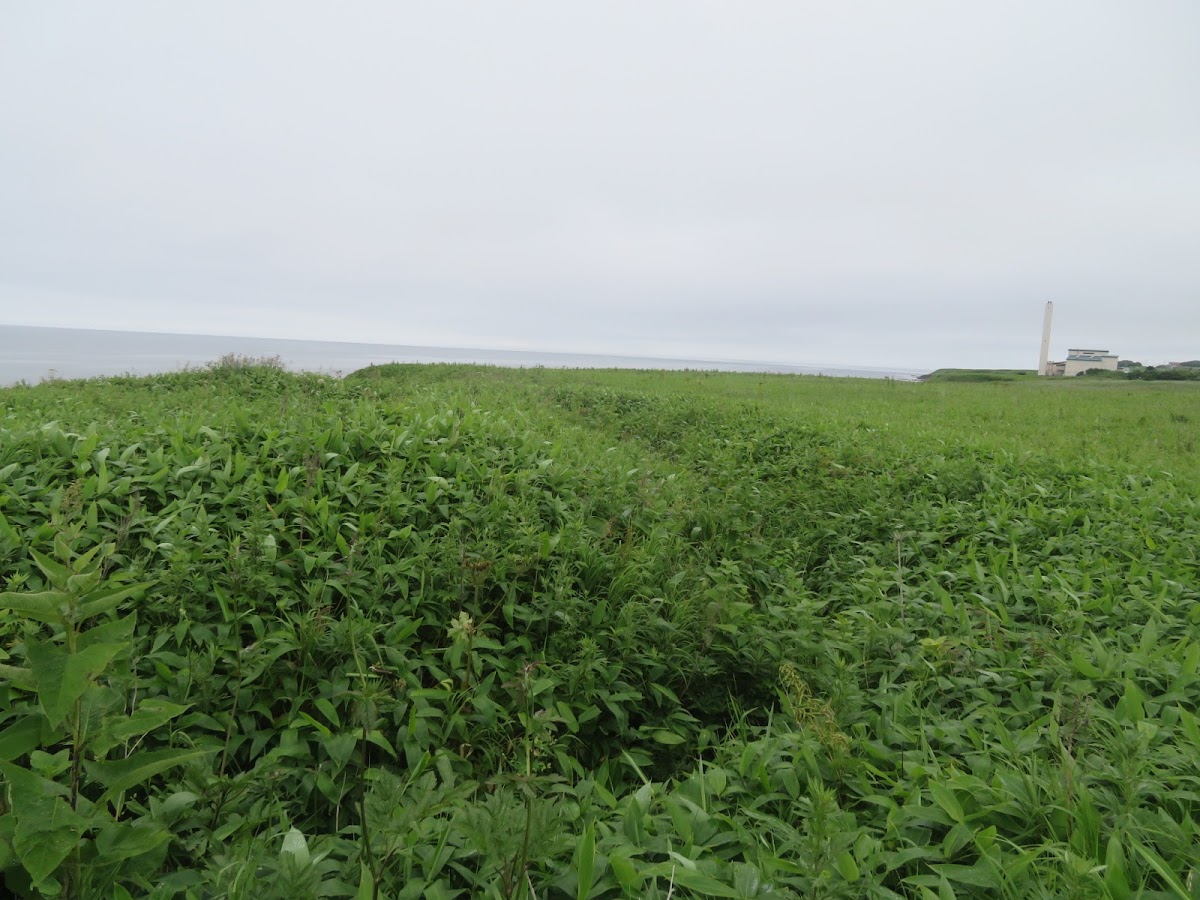
Shiraoi Chashi is a historical Ainu site that existed in Shiraoi Town, Hokkaido. Although no remains exist today, it is an important historical site for understanding Ainu culture and the history of Hokkaido, as it was a crucial location before the construction of the Shiraoi Date clan’s encampment. This article provides a detailed explanation of Shiraoi Chashi’s historical background, what a chashi is, local highlights, access methods, and surrounding tourist information.
What is Shiraoi Chashi?
Shiraoi Chashi is the site of an Ainu facility that existed in Shiraoi Town, Shiraoi District, Hokkaido. “Chashi” is an Ainu word meaning “fence,” “barrier,” “fort,” or “mansion,” and it was an important place related to the lives, defense, and rituals of the Ainu people.
Currently, there are no clear records regarding the detailed structure or size of Shiraoi Chashi. However, when the Shiraoi Date clan’s encampment was built in this area, the Shiogama Shrine (Shiogama Jinja) was erected on the site of the Chashi, suggesting that it was an important place for the Ainu people.
Historical Background of Chashi
More than 500 Chashi sites have been identified in Hokkaido, with a particularly high concentration in southeastern Hokkaido. Their distribution is thought to be closely related to Kotan (villages), making them important archaeological sites for understanding the formation of Ainu settlements and their social structure.
It is believed that Chashi were generally used as facilities by the Ainu people mainly from the 16th to the 18th centuries, that is, during the early modern Ainu culture period. The oldest record in historical documents is a description of Shakushain’s Rebellion in the “Tsugaru Ittōshi,” an official history book of the Hirosaki Domain compiled in 1731 (Kyōhō 16).
History of Shiraoi Chashi
Shiraoi Chashi during the Ainu Cultural Period
The Shiraoi region has long been inhabited by the Ainu people, and Shiraoi Chashi is thought to have played an important role within its cultural context. Chashi were not merely defensive structures, but were used for diverse purposes, including ritual sites, watchtowers, and meeting places.
While there are no records of the specific purpose of Shiraoi Chashi, research on other chashi in Hokkaido suggests it may have had the following functions:
- Defensive Structure: A fort to prevent enemy intrusion
- Ritual Site: A place for sacred ceremonies
- Watchtower: A base for monitoring the sea and surrounding areas
- Meeting Place: A venue for important meetings and events of the kotan (village)
- Symbol of Authority: A residence of a powerful figure or a symbol of power
Construction of the Shiraoi Date Clan Headquarters and the Establishment of Shiogama Shrine
A significant turning point in the history of Shiraoi Chashi was the construction of the Shiraoi Date Clan Headquarters. In 1856 (Ansei 3), the Edo Shogunate ordered the Watari Date family, a branch of the Sendai Domain, to guard the Shiraoi region as part of their duties for the defense and development of Ezochi (Hokkaido).
In response, the Watari Date family built a fortified residence in Shiraoi. It is believed that this residence was built on the very site of the Shiraoi Chashi (a fortified settlement). Following the construction of the residence, the Shiogama Shrine was erected in 1859 (Ansei 6).
The establishment of the Shiogama Shrine held significance beyond the mere establishment of a shrine. It is:
- Inheritance of Ainu Sacred Sites: By building shrines at important locations known as Chashi, the sacredness of the places was preserved.
- Introduction of Japanese Culture: Its role as a point of fusion between Ainu and Japanese cultures.
- Spiritual Center of the Region: Its function as a new center of faith in the Shiraoi region.
Changes Since the Meiji Era
After the Meiji Restoration, the Shiraoi Date Domain encampment was abolished, but Shiogama Shrine remains in Shiraoi Town and is cherished by the local people. Although the remains of Shiraoi Chashi itself no longer exist, its historical significance is carried on to this day through Shiogama Shrine.
Cultural Significance of Chashi
Distribution of Chashi in Hokkaido
Approximately 500-700 Chashi have been identified in Hokkaido, and their distribution has clear characteristics. They are particularly concentrated in the eastern Hokkaido region, especially around the Nemuro Peninsula. There are 32 Chashi in Nemuro City alone, 24 of which are designated as national historic sites as the “Nemuro Peninsula Chashi Sites.” Located in central Hokkaido, Shiraoi Chashi is not as densely populated as the Nemuro Peninsula, but it is believed to have been one of the important centers in the Ainu cultural sphere along the Pacific coast.
Types and Functions of Chashi
Chashi can be divided into several types based on their location and structure:
- Cliffside Chashi: Built on cliffs along the coast or riverbank, protected on one side by a natural steep slope
- Isolated Hill Chashi: Built on an isolated hill
- Hilltop Chashi: Built at the tip of a hill
- Climbtop Chashi: Built at the top of a hill
The specific type of Shiraoi Chashi is unknown, but considering its location where the Shiraoi Date clan’s encampment was built, it is highly likely that it was located on a high ground overlooking the surrounding area.
The Importance of Chashi in Ainu Culture
Chashi are extremely important archaeological sites for understanding the history and culture of the Ainu people. Archaeological excavations have yielded the following information:
- Lifestyle: Excavated artifacts reveal the daily life tools and trade practices of the time.
- Social Structure: The size and arrangement of the chashi (fortified settlement) allow for inferences about the social hierarchy and power structure of the settlement.
- Trade Network: Trade goods with Honshu and the continent have been discovered, confirming wide-area exchange.
- Defense Technology: Structures such as fences and moats reveal knowledge and technology related to defense.
Highlights of Shiraoi Chashi
Shiogama Shrine
Although the remains of Shiraoi Chashi itself no longer exist, Shiogama Shrine, built on the site, still remains and is an important spot where you can feel the history of Shiraoi Chashi.
Shiogama Shrine is a shrine whose main shrine is Shiogama Shrine in Shiogama City, Miyagi Prefecture, and is worshipped as the guardian deity of safe voyages and fishing. Because the Shiraoi Date Domain was established by the Watari Date family, a branch of the Sendai Domain, the Shiogama Shrine, which has ties to the Sendai Domain, was invited to the area.
Points of Interest:
- A building that tells the history of Hokkaido’s development in the late Edo period
- A place that shows the intersection of Ainu culture and Japanese culture
- A shrine that symbolizes the historical changes of Shiraoi
Shiraoi Date Domain Jinya Ruins
The remains of the Shiraoi Date Domain Jinya, built on the site of the Shiraoi Chashi, are also a historically important point of interest. Parts of the earthworks and moats remain at the Jinya site, allowing us to understand the defense system of Hokkaido in the late Edo period.
Characteristics of the Jinya:
- A vast site of approximately 30,000 tsubo (approx. 99,000 square meters)
- A defensive facility surrounded on all four sides by earthworks and moats
- Offices, samurai residences, and barracks were located there
Historical Landscape of Shiraoi Town
The history of Shiraoi Chashi and the Shiraoi Date Domain Jinya has influenced the current townscape of Shiraoi. The town is dotted with historical buildings and sites dating from the Edo to Meiji periods, making it a great place to enjoy a historical stroll.
Shiraoi Town Tourist Information
Upopoy (National Ainu Museum and Park)
A must-see when visiting Shiraoi Town is Upopoy (National Ainu Museum and Park), which opened in 2020. This cultural facility, centered around the National Ainu Museum, offers a comprehensive learning experience of Ainu history and culture.
Main Facilities at Upopoy:
- National Ainu Museum: Valuable materials and exhibits related to Ainu culture
- National Ainu Park: A recreation of a traditional Kotan (village)
- Memorial Facility: A place for commemoration and remembrance of the Ainu people
At Upopoy, you can also learn in detail about historical Ainu sites, including Chashi, making it an ideal facility for deepening your understanding of Shiraoi Chashi.
Shiraoi Beef and Local Cuisine
Shiraoi Town is also known as a food town, famous for “Shiraoi Beef.” Shiraoi Beef is one of Hokkaido’s leading brand-name beefs, characterized by its fine marbling and tender texture.
Recommended Gourmet Spots:
- Shiraoi Beef Specialty Restaurants
- Local Cuisine Restaurants Using Local Ingredients
- Restaurants Serving Fresh Seafood
Nearby Hot Spring Facilities
Shiraoi Town has several hot spring facilities where you can relax and unwind after sightseeing. In particular, Kojohama Onsen is popular for its spectacular views of the Pacific Ocean.
Access Information
Access to Shiraoi Town
Access by Train:
- Get off at Shiraoi Station on the JR Muroran Main Line
- Approximately 40 minutes by rapid train from New Chitose Airport
- Approximately 1 hour by limited express train from Sapporo Station
Access by Car:
- Approximately 5 minutes from Shiraoi Interchange on the Hokkaido Expressway
- Approximately 40 minutes from New Chitose Airport
- Approximately 1 hour 30 minutes from Sapporo city center
Access to Shiraoi Chashi (Shiogama Shrine)
Shiogama Shrine, built on the site of Shiraoi Chashi, can be accessed on foot or by taxi from JR Shiraoi Station.
Detailed Access Information:
- Approximately 15 minutes on foot from JR Shiraoi Station
- Approximately 5 minutes by taxi from JR Shiraoi Station
- Parking: Parking spaces are available around the shrine.
Notes for Visitors
- Since the remains of Shiraoi Chashi itself no longer exist, Shiogama Shrine and the Shiraoi Date Clan Jinya Ruins are the main points of interest.
- The shrine is a place of local worship, so please observe proper etiquette when visiting.
- Due to snow in winter, please wear appropriate clothing and shoes.
- Photography is permitted, but please be mindful that this is a sacred place.
Related Historical Sites in the Surrounding Area
Major Chashi Sites in Hokkaido
When visiting Shiraoi Chashi, visiting other Chashi sites in Hokkaido will deepen your understanding of Ainu culture.
Nemuro Peninsula Chashi Sites (National Historic Site):
- Selected as one of Japan’s 100 Famous Castles
- 24 Chashi sites designated as historic sites
- Representative sites include Onnemoto Chashi and Notsukamafu Chashi
- Approximately 5 hours by car from Shiraoi
Shinhidaka Town Chashi Sites:
- A group of Chashi sites distributed in the southern Hokkaido region
- Known sites include Shibechari Chashi
- Approximately 2 hours by car from Shiraoi
Related Historic Sites in Shiraoi Town
Sendai Domain Shiraoi Former Jinya Museum:
- A facility where you can learn in detail about the history of the Shiraoi Date Domain Jinya
- Adjacent to the Jinya site
- Ideal for understanding the relationship between Shiraoi Chashi and the Jinya
Shiraoi Ior Restoration Project Site:
- A project to restore the traditional living space of the Ainu
- An opportunity to experience Ainu culture coexisting with nature
Research and Preservation of Shiraoi Chashi
Current Status of Archaeological Investigations
Regarding Shiraoi Chashi, detailed archaeological investigations are difficult due to the loss of remains during the construction of the Shiraoi Date Clan’s encampment. However, excavations in the surrounding area and research into historical documents are gradually revealing aspects of Ainu culture in the Shiraoi region.
Protection as a Cultural Property
The site of Shiraoi Chashi is recognized for its historical value as the site of the Shiraoi Date Clan’s encampment. Shiogama Shrine is also carefully preserved as a local cultural property and plays an important role in telling the history of Shiraoi Town.
Future Challenges and Prospects
To pass on the historical value of Shiraoi Chashi to future generations, the following initiatives are expected:
- Preservation of Records: Documentation of remaining historical documents and oral traditions
- Educational Utilization: Utilization in school education and lifelong learning
- Information Dissemination: Strengthening information dissemination as a tourist resource
- Surrounding Area Development: Creating an environment that is easy to visit
Summary
Although no remains of the Shiraoi Chashi exist, it is an important historical site for understanding Ainu culture and the history of Hokkaido. While its appearance changed with the construction of the Shiraoi Date Clan Headquarters, its historical significance continues to be passed down through Shiogama Shrine.
When visiting Shiraoi Town, learning about Ainu culture comprehensively at Upopoy and reflecting on the history of Shiraoi Chashi at Shiogama Shrine and the Shiraoi Date Clan Headquarters ruins will allow you to deeply understand the rich history and culture of this region.
Over 500 Chashi sites have been identified in Hokkaido, each with its own unique history and story. A journey visiting Chashi sites throughout Hokkaido, starting from Shiraoi Chashi, would be a fascinating experience for history buffs. It is our important responsibility to carefully preserve the cultural heritage built by the Ainu people and pass it on to future generations.