Complete Guide to Kii-Ota Castle (Wakayama Prefecture) | A Thorough Explanation of Toyotomi Hideyoshi’s Water Siege and the History of the Ota Clan
What is Kii-Ota Castle?
Kii-Ota Castle (Kii-Ota-jo) was a flatland castle from the Sengoku period located in Ota, Wakayama City, Wakayama Prefecture. Also known as Ota Castle, it is famous for the “Water Siege of Ota Castle” by Hashiba Hideyoshi (later Toyotomi Hideyoshi). This water siege is considered one of the “Three Great Water Sieges of Japan,” alongside Bitchu-Takamatsu Castle and Musashi-Oshi Castle, and is an indispensable historical stage when discussing siege tactics of the Sengoku period.
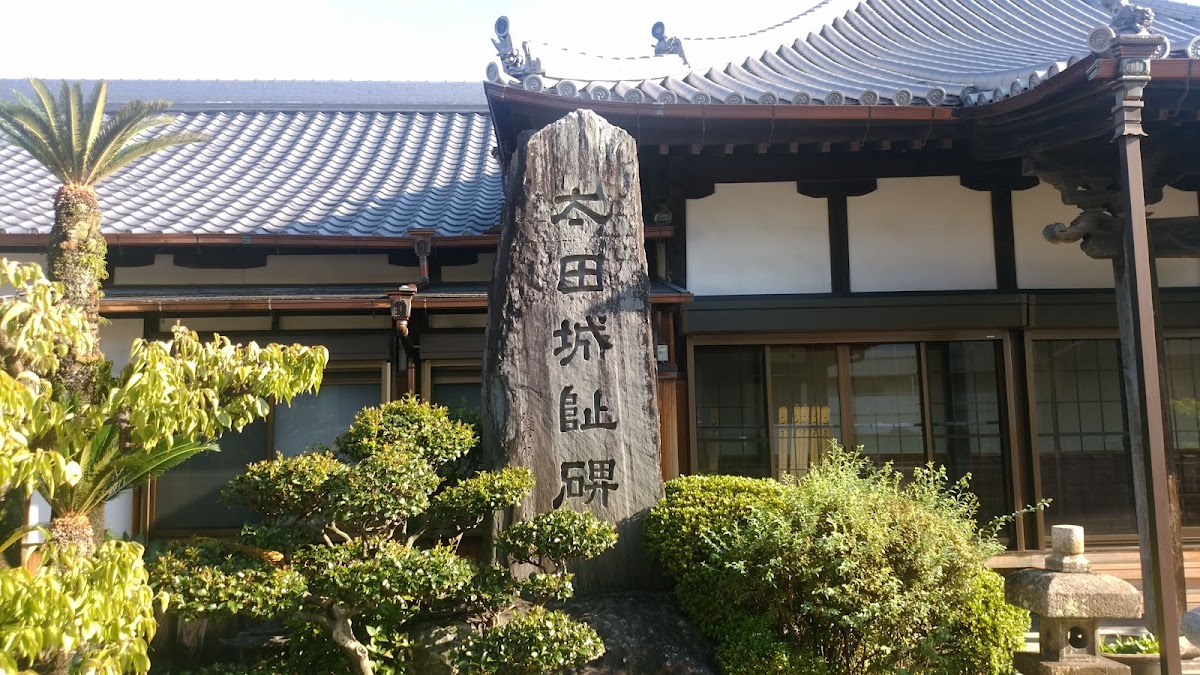
The area centered around the current Raikoji and Gentsuji temples is considered the castle site. It was once a strong flatland castle boasting a size of approximately 273 meters east-west and 218 meters north-south. Recent archaeological excavations have revealed that it was approximately 2.5 cho (about 273 meters) square.
History of Kii-Ota Castle
Construction History and Early Period
There are various theories regarding the construction period of Kii-Ota Castle, but the most widely accepted theory is that it was built during the Entoku era (1489-1492) by Ki no Toshitsura, the 64th governor of Kii Province. However, detailed records are not available, and many aspects of the castle’s early appearance remain unknown.
During the Tensho era (1573-1592), the castle underwent extensive renovations by Ota Gendayu. During this period, the Ota clan formed a regional power known as the “Ota Party,” expanding their influence with Kii-Ota Castle as their base. The Ota Party is known as a powerful local samurai group in Kii Province, alongside the Saika-shu.
Oda Nobunaga’s Invasion of Kii Province and the Ota Clan
In 1576, when the Ishiyama War broke out between Oda Nobunaga and Ishiyama Honganji Temple, the situation in Kii Province changed dramatically. While the Saika clan sided with Ishiyama Honganji and opposed the Oda army, the Ota clan maintained a distance.
In 1577, when Oda Nobunaga dispatched a large army to Kii Province, the Ota clan served as the vanguard for the Oda forces. This action created a serious conflict between the Ota and Saika clans. The following year, 1578, the Saika clan attacked Ota Castle, but Ota Castle, reinforced by the Negoro clan, displayed a strong defense, forcing Saika Magoichi to offer peace to Ota Sakon Munemasa. This battle demonstrated the high defensive strength of Ota Castle.
Toyotomi Hideyoshi’s Water Siege of Ota Castle
In 1585 (Tensho 13), Ota Castle in Kii Province faced a major historical challenge. During Toyotomi Hideyoshi’s (then known as Hashiba Hideyoshi) conquest of Kii Province, Ota Castle became a target of Hideyoshi’s army.
In his siege of Ota Castle, Hideyoshi employed the “water siege” tactic, which had proven successful at Bitchu Takamatsu Castle. In March of Tensho 13, Hideyoshi ordered the construction of a massive dike approximately 6 kilometers long. Amazingly, this enormous dike is said to have been completed in just six days. This demonstrated Hideyoshi’s organizational skills and construction capabilities, even with his large army.
Once the dike dammed up the surrounding water, Ota Castle was completely submerged, isolating the castle. The water siege lasted for about three months, and it is believed that many casualties resulted from food shortages and disease outbreaks within the castle. Ultimately, Ota Sakon Munemasa decided to surrender, bringing an end to the history of Ota Castle as a base for the Ota clan.
Ota Castle After the Water Siege
After Hideyoshi’s conquest of Kii Province, Kii Province came under the control of the Toyotomi regime, and Ota Castle ceased to serve its purpose. Subsequently, the Asano clan, and later the Tokugawa clan, took control of Wakayama, and Wakayama Castle became the center of Kii Province, causing Ota Castle to disappear from the historical stage.
Currently, most of the castle ruins are urbanized, making it difficult to imagine its former appearance, but traces of the main keep remain within the grounds of Raikoji and Gentsuji temples.
Structure and Characteristics of Kii Ota Castle
Scale and Layout of the Castle
Kii Ota Castle was built as a flatland castle and was centered around the present-day Raikoji and Gentsuji temples. Traditionally, the castle was believed to measure approximately 2.5 cho (about 273 meters) east-west and 2 cho (about 218 meters) north-south. However, recent archaeological excavations have revealed that it was closer to a square shape, roughly 2.5 cho on each side.
A deep moat surrounded the castle, and earthen walls were built on top of the ramparts. Tall watchtowers were erected at various points, suggesting that despite being a flatland castle, it possessed extremely strong defensive features for its time.
Castle Gates and Defensive Features
Ota Castle had three main gates: the Great Gate, the South Great Gate, and the Northwest Gate. These gates served to strictly control entry and exit to the castle and functioned as strategically important defensive points.
Despite its flatland location, the defensive system, combining deep moats, high earthen ramparts, and multiple watchtowers, was strong enough to repel an attack by the Saika clan in 1578. This high level of defense is thought to have been a factor in Hideyoshi’s later decision to employ the unique tactic of a water siege.
Main Enclosure and Major Facilities
Raikoji Temple is said to be the site of the main enclosure of Ota Castle, and it is presumed that the lord’s residence and major administrative facilities were concentrated in this area. The area around Gentsuji Temple was also an important section of the castle grounds, and remnants of the original topography can be felt within the temple grounds.
Remains of the Embankment from the Water Siege
Scale and Structure of the Embankment
The embankment built during the water siege of 1585 (Tensho 13) was a magnificent structure with a total length of approximately 6 kilometers. This embankment was constructed to surround Ota Castle, and its mechanism was designed to flood the castle by damming the water from the surrounding rivers and waterways.
Its completion in a short period of six days was a testament to the labor force of the large army mobilized by Hideyoshi and his excellent civil engineering skills. The scale and speed of this construction must have greatly astonished the people of the time.
Existing Embankment Remains
Most of the remains of the embankment from the water siege have disappeared over the long years. However, in two locations in the Izumi district of Wakayama City, traces of the embankment can be seen as small mounds of earth.
The place name “Izumi” itself is thought to indicate the location where water overflowed during the siege, making it a valuable place name that conveys the history of this event. In this way, several place names related to the siege remain around Ota Castle, providing clues to the events of that time.
Highlights of Kii Ota Castle
Raikoji Temple (Main Keep Site)
Raikoji Temple is the most important historical site, believed to be the site of Ota Castle’s main keep. Although it is now a quiet temple, standing on the grounds, one can truly feel that this was once the base of the Ota clan and the stage for the historical event of Hideyoshi’s siege.
The temple grounds contain magnificent buildings, retaining an atmosphere that evokes the former castle. Visitors can quietly reflect on history.
Around Gentsuji Temple
Gentsuji Temple also occupied an important section of Ota Castle. Along with Raikoji Temple, it plays a crucial role in castle research as a temple marking the central location of the castle ruins.
Dairitsuji Temple
Dairitsuji Temple is also known as a temple associated with Ota Castle. Several temples are scattered around the castle ruins, and visiting them allows you to experience the overall scale of the castle.
Remains of the Embankment in Izumi District
The remains of the embankment in the Izumi district of Wakayama City are valuable historical relics that tell the story of Hideyoshi’s water siege. Knowing that the earthen mounds, which look like small hills, are traces of civil engineering work from over 400 years ago, one cannot help but feel a sense of historical romance.
Along with the place name “Izumi,” this location serves as an important witness to the historical event of the water siege of Ota Castle.
Access Information
Access by Train
The nearest stations to the Kii Ota Castle Ruins are JR Wakayama Station or Nankai Electric Railway Wakayamashi Station.
- From JR Wakayama Station: Approximately 15 minutes by bus or taxi
- From Nankai Wakayamashi Station: Approximately 10 minutes by bus or taxi
From Wakayama Station, you can use Wakayama Bus’s local bus service. After getting off at the “Ota” bus stop, it’s a few minutes’ walk to Raikoji Temple.
Access by Car
- From Hanwa Expressway Wakayama IC: Approximately 15 minutes
- From Hanwa Expressway Wakayama Minami IC: Approximately 20 minutes
Raikoji Temple has parking spaces for visitors, but the number of spaces is limited, so we recommend considering using public transportation.
Notes for Visitors
Raikoji Temple, Gentsuji Temple, and Dairyuji Temple are all active temples. Please note the following points when visiting:
- Please observe quietly within the temple grounds.
- Please refrain from visiting if a memorial service or event is taking place.
- Please follow the temple’s instructions regarding photography.
- Parking is prioritized for worshippers.
Nearby Tourist Attractions
Wakayama Castle
Located approximately 3 kilometers north of Kii-Ota Castle, Wakayama Castle is a famous castle that flourished as the residence of the Kii Tokugawa family. It is interesting to visit it in comparison to Ota Castle, which became the center of Kii Province.
From the castle tower, you can enjoy a panoramic view of Wakayama city and even see the direction where Ota Castle once stood.
Saika Castle Ruins
The ruins of Saika Castle, the base of the Saika clan who were in conflict with the Ota clan, are also located within Wakayama City. It is a historical site worth visiting to understand the power dynamics of Kii Province during the Sengoku period.
Negoro-ji Temple (Iwade City)
Negoro-ji Temple, the base of the Negoro clan who reinforced Ota Castle, is located in Iwade City, south of Wakayama City. It is an important historical site for understanding the power of temples during the Sengoku period, and visitors can see valuable cultural assets, including the National Treasure Great Pagoda.
Points to Note When Visiting Kii Ota Castle
Estimated Visiting Time
If you plan to visit the main points of interest at the Kii Ota Castle ruins (Raikoji Temple, Gentsuji Temple, Dairyuji Temple), it will take approximately 30 minutes to 1 hour, including walking. If you extend your visit to the embankment ruins in the Izumi area, please allow an additional 30 minutes.
Recommended Time to Visit
Since the Kii Ota Castle ruins are an outdoor historical site, it is recommended to visit in spring (March-May) or autumn (October-November) when the weather is good. During the summer, temperatures are high, so please take sufficient precautions against heatstroke.
To Deepen Your Understanding of History
To gain a deeper understanding of history, research the following points before your visit:
- The situation in Kii Province during the Sengoku period (relationship between the Saika-shu, Negoro-shu, and Ota-to)
- The circumstances of Toyotomi Hideyoshi’s conquest of Kii Province
- The characteristics and history of the water siege tactic
- The origins and activities of the Ota-to
About the Ota-to
The Ota-to was a local samurai group active in Kii Province during the Sengoku period. A warrior group united around the Ota clan, they maintained their power with Ota Castle as their base.
While the Saika-shu allied themselves with Ishiyama Hongan-ji Temple and opposed Oda Nobunaga, the Ota-to pursued their own path, sometimes even cooperating with the Oda. This political decision later led to conflict with the Saika-shu.
Ota Sakon Munemasa, a central figure in the Ota-to, endured the water siege but ultimately decided to surrender the castle, attempting to save the lives of many of his retainers and subjects. That decision is praised as demonstrating a sense of responsibility as a feudal lord.
Significance as one of Japan’s Three Great Water Sieges
The water siege of Ota Castle in Kii Province is counted as one of Japan’s “Three Great Water Sieges,” alongside those of Takamatsu Castle in Bitchu Province (Okayama Prefecture) and Oshi Castle in Musashi Province (Saitama Prefecture).
Comparison with Takamatsu Castle in Bitchu Province
The water siege of Takamatsu Castle in Bitchu Province took place in 1582, three years earlier than the siege of Ota Castle. It is believed that Hideyoshi applied this successful experience to Ota Castle.
Comparison with Oshi Castle
The water siege of Oshi Castle in Musashi Province took place during the Siege of Odawara in 1590, but it was unsuccessful, and the matter was ultimately resolved through negotiations for the castle’s surrender. The water siege of Ota Castle, being a completely successful example, occupies an important position in the history of military strategy.
Progress in Archaeological Excavations and Research
In recent years, archaeological excavations of the Ota Castle ruins have been conducted by the Wakayama City Board of Education and other organizations. These investigations have yielded new insights into the castle’s precise size and structure.
The excavations have uncovered traces of moats, earthworks, and everyday objects from the period, gradually revealing the true nature of Ota Castle during the Sengoku period. Further investigations are expected to shed even greater light on the castle’s appearance.
Summary
Kii Ota Castle holds a significant place in the history of Japanese castles as the stage for the dramatic historical event of Toyotomi Hideyoshi’s water siege. While urbanization has made it difficult to fully imagine its former appearance, traces of its history can still be seen in the grounds of Raikoji and Gentsuji temples, and in the remains of the embankment in the Izumi district.
When you visit Wakayama Prefecture, be sure to visit not only the famous Wakayama Castle, but also the ruins of Kii-Ota Castle. This is an opportunity to learn about the complex political situation in Kii Province during the Sengoku period and Hideyoshi’s skillful tactics. By experiencing the history of the Ota clan, their relationship with the Saika clan, and standing on the stage of the magnificent siege involving water, you can experience living history that you can’t learn from textbooks.
Walking around the castle ruins and reflecting on the battles that unfolded here more than 400 years ago will be an invaluable experience for history enthusiasts.