#Guide to the completion of Guonji Castle
Is this Guanyinji Castle? | Koyasan Castle, representative of the time of the war
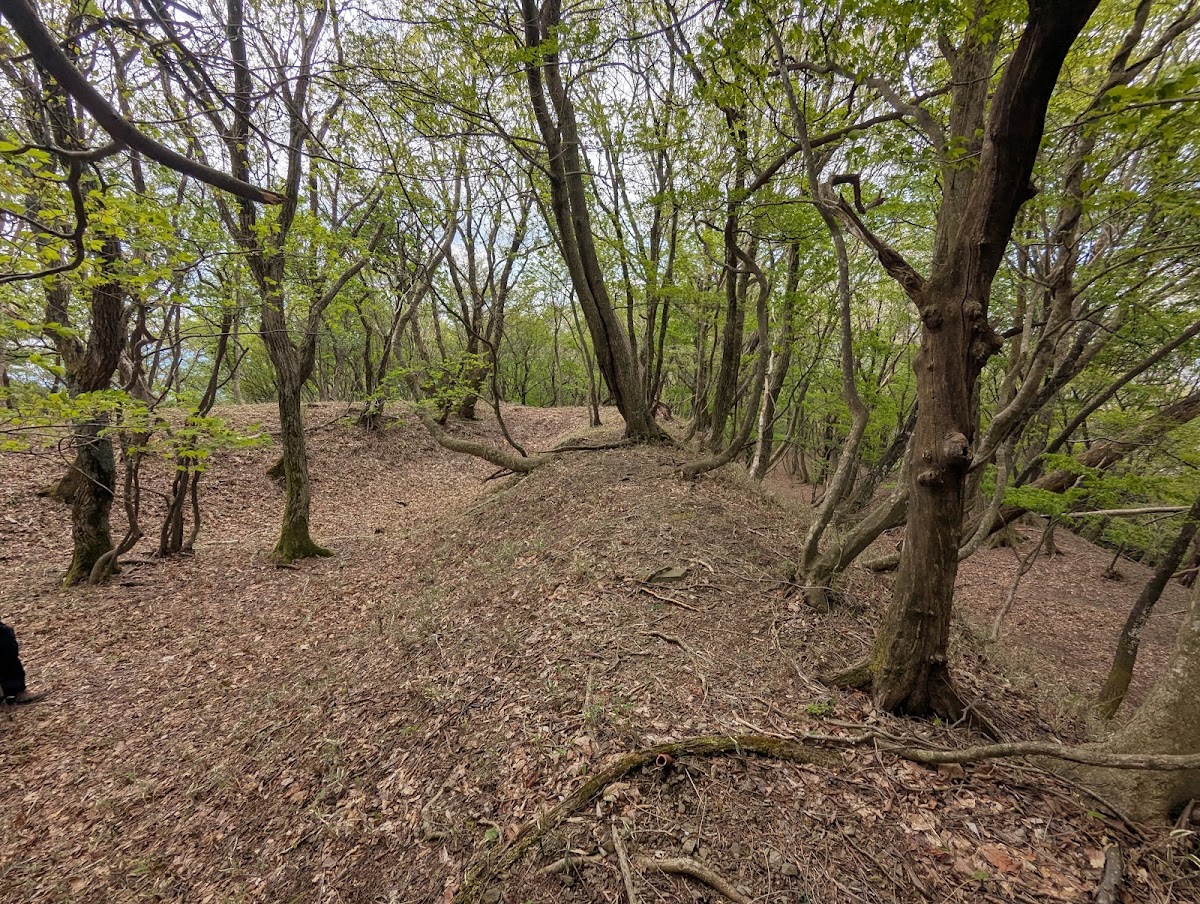
Kanonji Castle is one of the largest mountain castles during the war period, and is a well-equipped mountain structure located in Azuchi-cho, Omihachiman City, and located on Mt. Kinugasa (432.9 meters in height). This is the residence of the Rokkaku clan, the governor of Omi Province, and Hirohiro Kemo, ranked as one of Japan’s five great mountain castles.
Its most notable feature is the medieval castle fort in front of Azuchi Castle, complete with a complete construction of stoneware. During the war, most of the mountain castles relied on the soil quality, and the temple castle was also used by the masters of masonry techniques, and was built as a fort for the first time. This technology was tested after the construction of Azuchi Castle by Nobuaki Tada.
Guanyinji Castle is designated as a national historical monument, selected as one of Japan’s 100 most famous castles (ranked 51st), and is an important historical site in the construction of forts during the war.
Exhibition of the history of Guanyinji Castle
The Golden Era of the Rokkaku clan
At the time of the construction of Guanyinji Temple, however, it is universally recognized that its origin dates back to the early Nanboku Dynasty, when the Rokkaku clan went on to complete defensive construction. During the war period, Rokkaku Takaaki (1445-1520) completed the construction of Kanonji Castle and completed its construction.
The order of Rokkaku Takayuki and his vassal Yukitaka Isakawa and Yamauchi Masaaki was followed by a large-scale reconstruction and construction of On-ji Castle. During this period, Rokkaku’s work was the defense of Omi Province (military ruler), the control was established in the southern part of Omi, and the castle was established in Kanonji, with constant efforts.
During the Astronomical Years (1532-1555), the Ishidera Castle Town was established, and a free market was built and flourished. This is the first free market place in the early 19th century, and the free market system is the spiritual embodiment of the Hexagon clan.
Einjinran Yokanonji Castle
During the Einin Yobun Ming Rebellion (1467-1477), there were three attacks and attacks on Kanyonji Castle, but each time, the enemy was defeated. This battle reveals the solid defense of Kanonji Castle and the military performance of the Japanese Rokkaku clan.
Due to the topography of Guanyinji Castle, the castle is strong, the vassals are uniform, and the beauty of this place is “Gold Young Gold.”
The decline of the Rokkaku clan and the fall of Kanonji Castle
After the period of the War, under the rule of the Rokkaku clan and their children, the Rokkaku clan’s power declined. In September 1568, the army of Nobunaga and Ashikaga was transferred to Kyoto, and the Rokkaku side, Kazuya Haru, withdrew the resistance flight and completed the withdrawal of the castle.
The soldiers of Kanonji Castle fall to the ground, and the Rokkaku clan completes the battle. Not long after this, Kanonji Castle was visited. In 1579, the Empress of Azuchi Castle, Kensei Nobunaga, disappeared on stage during the tour of Kanonji Castle.
Since the place of trust, we have chosen to build a new castle in Azuchiyama, but not in the surrounding area, because of the locality of the construction of Guanyinji Castle in the mountains, and since then, we have combined with other construction sites to create a plain castle in the new era.
Features of Guanyinji Castle
Hiroshifu Station in Yokodankayama
The most notable feature of Guanyinji Castle is its large-scale construction, which is covered by the iron mountain. Wuda Castle Pond (car) is located in the southern part of Lingshan, and extends from north to south.
The owner of the castle is the owner of dozens of castles, the residence of the vassals of Kagami, and the residence of the local owner, which is similar to the castles in the mountains of Japan, such as Nanao Castle. As you can see, Shiroike’s demonstration of the Rokkaku clan’s great power and its many vassals.
New all-stone castle tomb construction
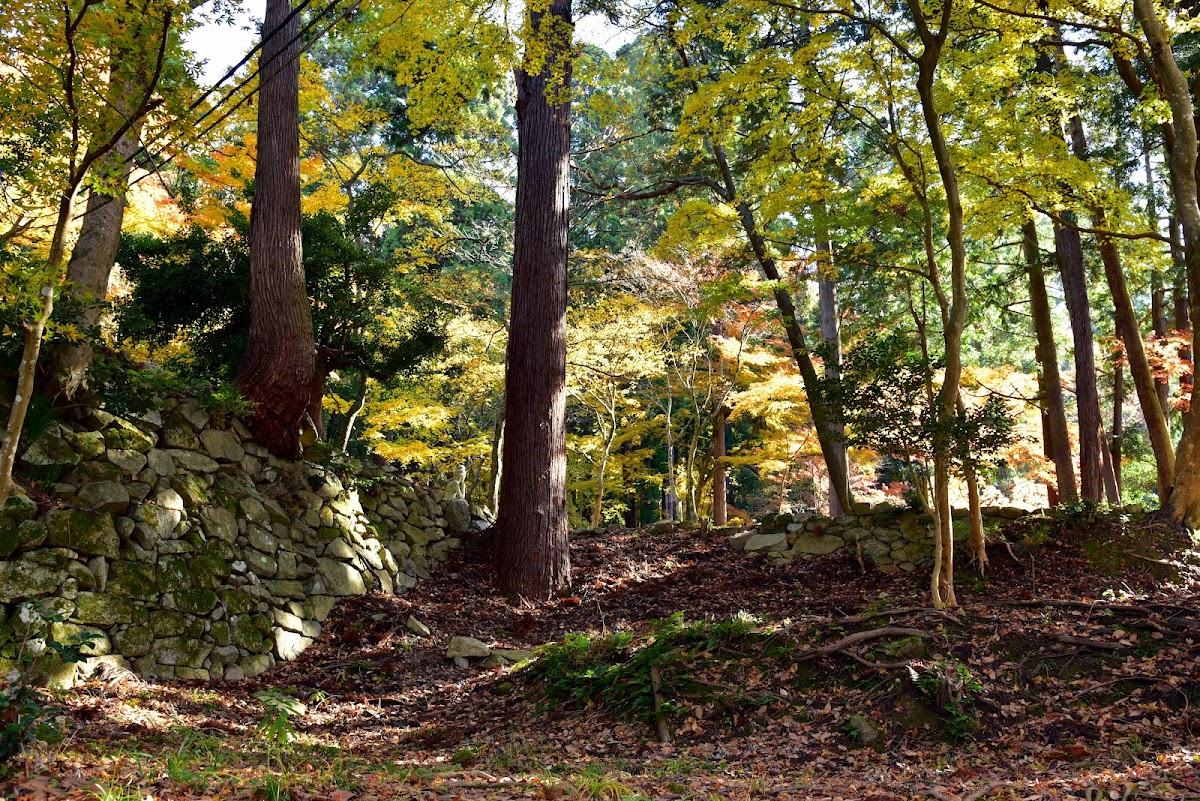
Guanyinji Castle is located in the history of the fort, and the main reason is its all-stone castle construction method. Here is a look at the medieval castle fort in front of Azuchi Castle. During the war, most of the mountain castles mainly depended on the soil quality, and the construction technology of the stone tombs was also used in the construction of the castle.
A tall stone tomb within the main castle, the largest entrance to the castle – Hiraimaru south gate – a gigantic stone that has been in use for over 2 years. This is because I believe in the small stone craftsmanship of Omi Province’s stone craftsmen.
The main field construction method for castle-like construction, this is a kind of ancient stone crock pile technique, and the immediate and direct pile of natural stone crocks. However, the degree of perfection of the model was outstanding at the time.
Main locations and monuments
Honmaru (main enclosure)
The central part of Guanyinsa City is located near Yonglu Mountain. This is a piece of stone covered with an empty space, and this is the residence of the Rokkaku clan.
Hiraimaru
On the south side of the U-honmaru, this is an important site for the troupe, and a megalithic stone was built at the south gate. The castle gate is a masterpiece of high-quality stonemasonry.
Ikemaru and Oishi Mound
At the back of the temple, Ikemaru’s stone tomb is more than 6 meters high. The huge stone tomb along the road is preserved perfectly during the journey.
Residence of vassal
Scattered on the mountain, it is the residence of the vassal and the local owner, and now you can see the stone mound and the foundation stone of the land. It is a small residence, and it is not a military fortress, but it is also a political and administrative center of the Rokkaku clan.
Ishidera Castle Town
Under the foot of Zainonji Castle, the castle town of Ryosekiji Temple was formed. Historical records, astronomical years, the area has been established as a free market, and business activities are very prosperous.
Ishidera’s free market was compared to Tian Shinji’s free market policy reform implementation, which is an important example of the Rokkaku clan’s progressive expansion policy. A castle town where merchants, Japanese craftsmen and craftsmen gather, and the construction of the castle town is based on the construction of the castle.
观音寺城的子城网络
It is the main center of Kanonji Castle, and is a branch castle built by the Rokkaku clan in the southern part of Omi Province. In addition, the construction of a branch castle, the fortification of the castle, and the location of the construction site.
The main castles of the Rokkaku clan, including Wadayama Castle, Chokoji Castle, and Biza Castle, are the Rokkaku clan’s high-ranking vassals and local lords. This is an important function of the land management system of the Rokkaku clan.
Kanonji castle light point
石墙遗迹
The biggest highlight of Guanyinji Castle is its complete stone burial structure. Each city within the castle can be viewed as a relic of the stonemasonry techniques of the current era, including the stone mounds surrounding the castle tower, the large stone mounds of Hiraimaru in the southern gate, and the large stone mounds of Ikedamaru.
In particular, it is the south gate of the Hirai Maru, where the castle gate was built over two years ago. As the former existence of the castle in Azuchi, the large-scale stonework construction, this has an important significance in the history of the castle pond.
Kanonji Temple
Guanyin Temple is the origin of the name Guanyin Temple, which is the oldest temple in Ucheng. The Rokkaku clan’s commander observed the Ongakuji Temple and established a religious and military establishment within the castle.
However, the current status of the temple in the Onion Temple is important, but the function of the staff inside the temple is a monument to the castle in the Onion Temple. Besides this, the road to and from the Onion Temple is also the one that passes through the Onion Temple and the castle.
scenery
Spectacular panoramic view of Mt. Linglu (432.9 m in sea), Lake Biwa and the Omi Plain. Haruharu’s Hikori, it is possible to see the ruins of Azuchi Castle, Kazuhikone Castle, and the Rokkaku clan had built it here with the intention of war. ### Archaeological excavation results
Started in 1969, details of the archaeological excavation team that has been visited over the past two years. The construction of the stone citadel, the outer fortress bureau, and the construction process have been confirmed, and we have provided information on the true state of the mountain castle during the country’s history.
Kanonji Castle transportation and visit information
Transportation method
Sitting fire car
From JR Biwako Line to Azuchi Station, it takes about 70 minutes to walk to Kanonji Temple, and you can reach the castle ruins immediately. Compatible mountain climbing equipment with construction and construction.
Self-indulgence
You can drive a car to the Guanyin Temple Parking Road (Guanyin Temple Forest Road) to the Guanyin Temple stop. It takes about 30 minutes to park your car and reach the main monument. Normal vehicle traffic fee for forest road is 500 days.
Kamiyama Road Line
Previous visit to Onji Castle Aritajo Road, main road below:
- The route to see the sound world temple: This is the most visible route, the route from which to see the sound world temple, and the castle pond ruins. The stones are fine, and the climbing speed is good.
- The route of the exit from the ruins of the temple: This is the long-established Shangshan Road, which passes through the ancient Japanese castle town of the old castle town. However, it is not possible to adjust the level of performance, but it is suitable for the body at the time of arrival.
- The path to the ancient San Temple: The path leads to the east side of the mountain, leading to the ancient San Temple.
Driving precautions
- Kanonji Castle is a complete mountain castle, and it is necessary to wear Japanese mountain climbing clothes and Japanese sandals.
- Summer demand for mosquito protection, winter demand for warm clothing.
- The service must be provided with drinking water.
- The stone burial ground is a rare cultural tradition, and it is a must-see.
- Rainy weather and wet ground after rain, extra cautious.
- Partial area hand signals are weak, construction and evacuation are unique climbing forts.
History of Kanonji Castle and Japanese Castle Fortress
Japan’s Five Great Mountains Jonoichi
Kanonji Castle, Nanao Castle (Ishikawa Castle), Kasugayama Castle (Niigata Castle), Gassan Kaden Castle (Shinone Castle), Wahachioji Castle (Tokyo) also known as Japan’s Five Great Mountain Castles. It is an important historical relic of Nanao Castle, which was built during the war and was built by Shifeng.
Impressions of Azuchi Castle
The construction technique of Kanonji Castle was completely influenced by the construction of Azuchi Castle. Originally from Omi Province, a stone craftsman’s army Yasunoya was summoned to build a stone burial mound for Azuchi Castle, and other architects were also able to build Kanonji Castle.
The arrival of Azuchi Castle’s masonry technology was the standard for castle fort construction in the early modern period, and one of the most important turning points in the history of Japanese castle construction.
History of Omi during the Rokkaku clan and the Kuni era
The Rokkaku clan was created as a military commander in Omi Province, and was established in the southern part of Omi, outside Kanonji Castle, where the area became independent. Other methods of consolidating, comprehensive promotion of free market, organization of vassals and construction of separate castles, it is recognized that this is the precedent of the daimyo (feudal lords) of the country.
However, in 1568, Nobunaga Soda’s army moved to Kyoto, the Rokkaku clan declined, and Kanonji Castle disappeared from the stage. The first incident is of great significance in the history of Japan, and it is a sign that the government of the country’s rulers and vassals passed through the country during the war in Japan.
Protection of Guonji Castle
Founded in 1969, the construction of Guanyinji Castle has progressed over the past two years, and the results of archaeological excavation and root-laying excavation have been designated as national historical monuments. Right now, the Health and Safety Education Committee is located in Omihachiman City, and is working hard to protect its security.
The construction work is currently underway, comprehensive prevention stone burial mounds, improved roads and improved information plates, creating a safe viewing environment for tourists. However, due to the unique characteristics of Yamashiro, it is difficult to completely repair it, and under the premise of coexistence of nature and harmony, there is no protection work.
overview
It is one of the largest mountain castles built in Kanonji Castle, and holds an important position in the history of castle forts in Japan. This is the residence of the Rokkaku clan, the governor of Omi Province, and the traditional all-stone burial technique used in its construction.
From Guanyinji Castle, its majestic layout spread across the country, and it has advanced stone tomb construction technology.The castle town is also a free market area, and it has become the pinnacle of land management during the construction of castle forts during the country’s era. After Nobunaga Soda’s army moved to Kyoto, Kanonji Castle surrendered to peace, and after the construction of Azuchi Castle, it was taken over. Of course, it was a long time ago, and now we are standing on Mount Zhonglu, and it looks like a long time ago.
The work includes the history of Japan’s 100 most famous castles, designated as one of Japan’s greatest castles, and the historical past of Guanyinji Castle, which is visited by many castle fort lovers. Climbing the mountain roads along the coast, the well-preserved stone tombs, the panoramic view of the mountains, full of charm, the romantic atmosphere of the country’s era.
The work is a masterpiece of Azuchi Castle’s predecessor, Yamashiro during the Japanese War, and is an important role played during research on the history of castle forts in Japan.