#Imajo Complete Guide: Complete explanation of the surname of Yumi-Henyama Castle
The word “Imajo” has multiple connotations in the history of Japanese cuisine, and is one of the most important words. It is already a mountain castle in the country’s era, and it is also a fortress built by Nobunaga Ida, and now it is a Japanese surname that is distributed throughout Japan. A complete explanation of the progress of “Imajo” from a small angle in the main text.
Memories
Main text details: Contents below:
- Overview and history of Imajo, Gifu Province
- Features of Imajo, Otsukuni (now Takatsuki City, Osaka Prefecture)
- Origin and distribution of Imajo surnames
- Local information and transportation method
- Imajo Ryokan and Ryoten
Overview of Imajo, Gifu Province
Basic information
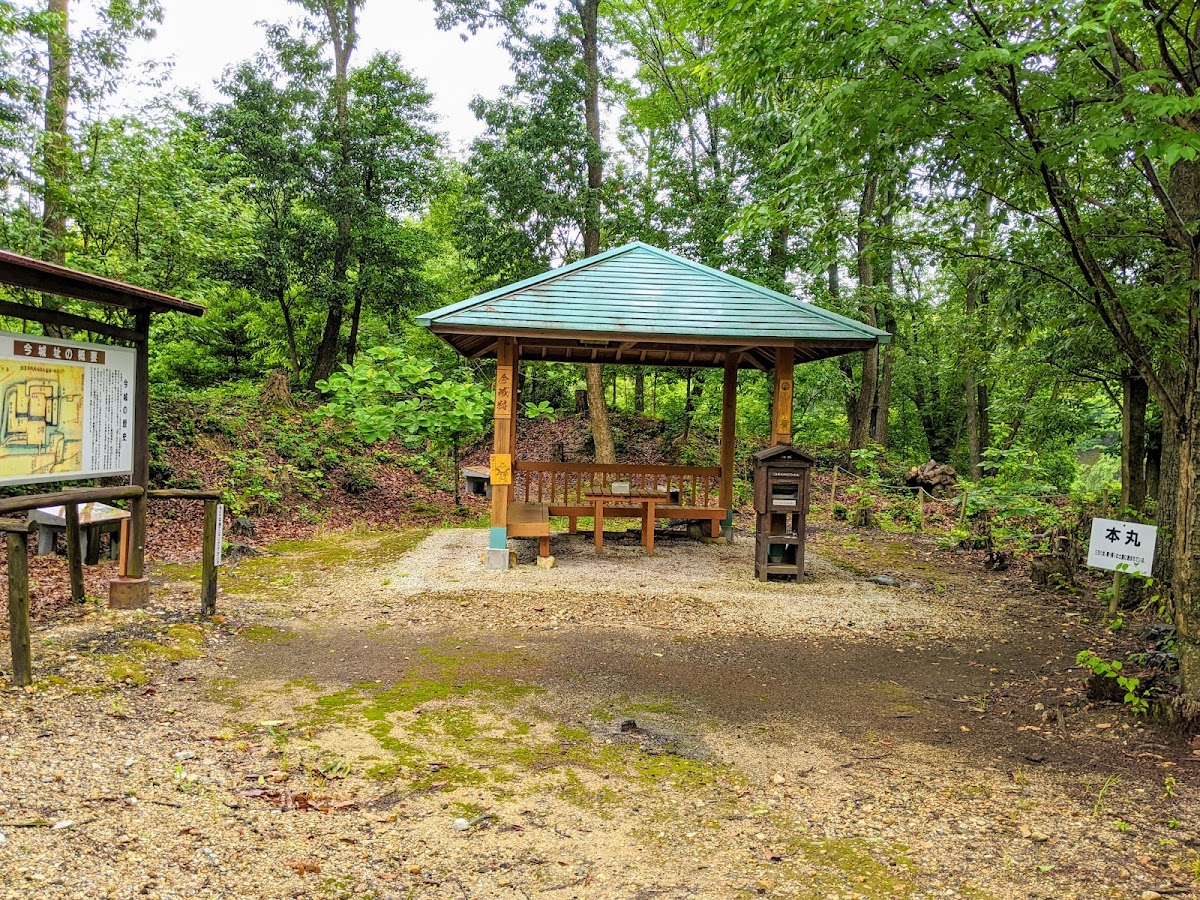
This is the mountain castle of Japan in the city of Gifu. Imajo Kenyu Aishan area, sea distance approximately 160 meters, height difference approximately 20 meters, the tip of the tongue-shaped mountain spine extending northward to Yu. This land was used as a typical mountain castle defensive terrain during the Edo period.
Currently, the castle is a castle pond attached to Kanayama Castle (Meihou Kanayama Castle), which is also one of the important defensive forts in the eastern part of Bien. However, the castle is now in a small state, but it is still possible to carry out a special expedition in the mountains during the country’s time, as in the case of a perfect small entrance (castle gate).
Builder Castle Lord
The current lord of the castle was Ietsugu Koike, the other samurai served as Kinsei Mori, and later the samurai served as Mori Chokichi. The Koike family was the number one local lord in the eastern part of the country, and played an important role during the reign of the Mori clan.
During the construction of the castle during the Tenbun period (1532-1555), during the period when the country was active, it was an important point in the regional dynamics of the Mori clan control system. During the course of the invasion of the Mōri clan in the Mōri district in the castle, an important military event took place.
Historical background of Imakikajo
It was time for Muromachi to reach the country.
After the end of the Muromachi period and the end of the war, it was a military field for the various feudal lords in the country, including Meihong Province and Dosan Saito. Nowadays, the castle was located in the beautiful eastern part of the city, and it was during this stage that it became active.
During the construction of the castle, this was the first residence of the Koike family. Afterwards, Nobunaga Qiuda conquered Meihuan, and Mori became the lord of Kanayama Castle, and now the castle was owned by the Mori clan, and a branch castle of Chengya Kanayama Castle.
Honnoji Temple and Imakika Castle
In 1582 (10th year of Tensho), an important incident in the history of Japan was the Honnoji Temple change. After Nobunaga Akechi was stabbed to death by Mitsuhide Akechi, the original text was written by Tadashi, and the local clans of the Mori clan started a rebellion in the eastern part of the country.
During this period, Chokichi Mori rebelled against the attack on the town. The lord of Ima Castle, Tsuguya Koike, was appraised of the key to the performance during the current disturbances. After the Honno-ji Temple change, the local owners of the eastern part of the Meibu region were given an independent opportunity to survive, but the envoys and others were able to survive and make their own choices.
Yokomaki Castle Common Defense Line
Since Ima Castle, Kanayama Castle has played a key role in the central defensive line. It is recognized that this is an important base for invasion in the Komaki area. During the period of war, the city’s fortifications usually consisted of multiple castle forts working together, forming defense networks, and not depending on the castle’s fortifications.
A bird’s-eye view of Ima Castle, the Karikawa Basin, which is an important influence on the early investigation of the enemy, and the commander’s information on the direction of Kanayama Castle. Various types of attached castle fortifications were established and the territory was controlled by feudal lords during the time of the war.
Japanese history
The perfect castle gate The special conquest of Izuma Castle is the perfect castle gate. The castle gate is the entrance to the fort, and is also the most important defensive construction to prevent enemy intrusion. The castle gates of Italy’s castles are now on display, exhibiting rare artifacts and fort construction techniques from the post-war period.
The construction of the castle gate, the construction of the stone wall, the use of clever defensive methods, and the effective prevention of the enemy’s intrusion. The traces of the defense work can now be seen clearly, and the study of its development is an important resource for the construction technology of forts during the time of the Empire.
Hijikata construction work
Kuruwa is a part of the castle. The field is a flat area within the fort, used for construction and raiding troops. With confidence, the main field is surrounded by a ladder-like distribution in multiple fields.
An earthen embankment in a remote area is an important monument in the castle. In this case, the construction of an earthen embankment inside the field to prevent the invasion of enemies. Part of the earthen embankment still exists, and we understand that the construction of the fortification will be provided at that time.
护城川 Vertical 护城川
护城川 Vertical 护城川This is a defensive construction unique to mountainous forts. This is a horizontal trench across the river and the mountain spine, which is an important defensive construction to prevent enemy invasion. Vertical excavation along the river means vertical excavation of trenches along the mountain, blocking the use of enemy attacks.
This is a small change in history, but the troupe is not in the castle, and the troupe is actually designed as an army.
Imajo, Otsutsukuni (Takatsuki City, Osaka Prefecture)
Use of Imajo castle defense construction
Located in Takatsuki City, Osaka Prefecture, Yuki Ichiza “Imajo”. The current castle was built using the fortifications of Koza Castle. Imajo Castle is a historical monument designated by the Japanese government, and is the tomb of Emperor Kotai.
Imajo Castle is a tomb shaped like a spoon hole, and is the first half of the 6th reign of Duke Jianyu. Due to its geographical location and topography, it has been adapted for defense, and its tombs have been under construction during the reign of the Empire.
Nobunaga Sota Yoimajo
In 1568 (Ei 61), when Nobunaga Hirota attacked and Chokichi Miyoshi attacked, the construction of Imajo Castle was completed. Kyoto is an important center for military operations in Kyoto.
This is where Cheng Zeng worked and worked, and was the operational base for Chengdu’s long-term military operations. There are also examples of ancient burial mounds and forts used in ancient tombs, but the size of the large spoon hole-shaped tombs used in the present day is small.
Current status of Imadaizuka tumulus
In front of the modern Tsuka Tumulus is a nationally designated monument of historical past. It is a rare historical site of the work of the ancient tomb and the history of the war and the castle fort, which is a delight for many history lovers.
Surname Imayo
Sound and distribution
“Today’s generation” has many types of surnames and names. Main notes below:
- Imashiro
-Imajo
- Imaki
-Imagi
- Imanari
-Konjo
- Konsei
The surname Imashiro ranks approximately 2,905th in the nation, and there are approximately 4,500 surnames in Japan. However, this is a specific area where surnames come and go.
Regional distribution and special expedition
The main surnames Imashiro are distributed in 冈山县和高ち县. There are many types of surnames, including “Imashiro” and “Imagi”, and “Imanari” and “Konjo”.
The surname Imashiro is concentrated in the southern part of the city. He lives in Kochi, has a surname in Shimanto City, and has a deep connection with the local history.
Surname origin
The surname Imashiro is a real property. The specific intention is “Shinshiro”. His surname is Imashiro, a descendant of the Doi clan who lived in Kudo Kurimoto Castle, Shimanto City, and lived in Kochi.
Inko, Japan’s surname is Dogenyu, residence, example castle fort or residence. Imashiro is the name of a person’s surname or origin, or a certain place name or construction name, and is used as the ancestral place of a newly built fort or residence.
Geographical distribution of Imajo surnames
The surname of Imajo in Kayama was a descendant of the owner of the samurai region in China. The surname of Imajo was established during the period of war, and the surname and surname of the local castle lords and their vassals formed during the course of the war.
The surname of Imajo in Kochi and the feudal lords of the Tosa Province were closely related to the owners of Tosa Province. This is an important line on the origins of the Imajo Yodoi clan.
Local information and transportation
Transportation system in Imajo, Gifu Prefecture
The following is a detailed method of the Imajo Castle site in Gifu City.
Sitting public transportation:
- From the JR Ota Line “Kankan Station” or the famous train line “New Kana Station”, walk or sit in front of the taxi.
- Distance from the city fort entrance: 2-3 km.
Self-indulgence:
- Departing from the East Coast Expressway “Kan Mitake IC”, approximately 10 minutes by car.
- Parking position limited, pre-construction review.
Imajo entrance and route
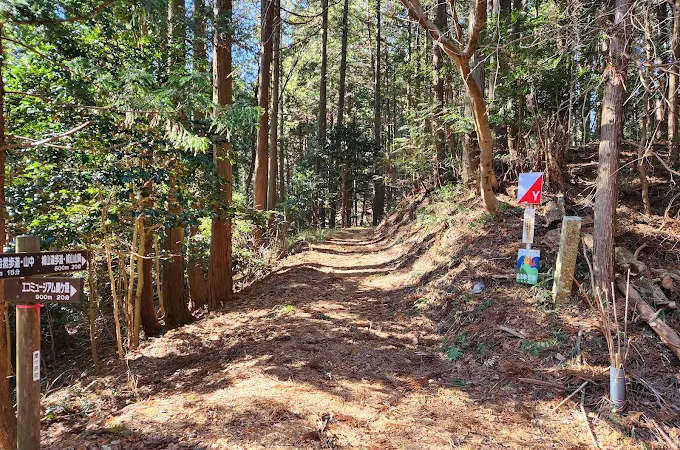
The entrance to the current castle is located at the foot of Uaishan Mountain. The road connection is good, but the mountain fort has special features that are often seen, and the work must be equipped with appropriate equipment (shoes, drinking water, etc.).
It takes 15-20 minutes to climb the entrance to the main castle. Along the way, you can visit the castle tower, the Hijikata process, etc.
Precautions for viewing
Please take a look at the following important points when leaving the castle:
- Yuyu is a mountain fortress, the ground can be wet and slippery during and after rain.
- Summer demand for mosquito protection, winter demand for warm clothing.
- If you enter an area other than the designated route, you will not be allowed to leave the area.
- The property is owned by the operator.
Transportation method in Maeokonjozuka (Takatsuki City, Osaka Prefecture)
Previously, Imajozuka Furobori in Takatsuki City, Osaka Prefecture, and the following route:
Sitting public transportation:
- Travel time approximately 25 minutes from JR Kyoto Line “Shotsu Tomita Station”
- Hankyu Kyoto Line “Tomita Station” walking distance approximately 20 minutes
-Yakayoshi, Takatsuki City.
Self-indulgence:
- Approximately 15 minutes from Ibaraki IC on the Meishin Expressway
- Provided parking lot for customers.
Imajozuka Old Moat Park Construction
The construction of Imajozuka Furobori Park, and the following design.
- Imayazuka Ancient History Museum: Exhibited tombs and excavated artifacts
- Walking path: The path of a green tomb
- Rest facility: Longchair Waryotei
During the opening period, the closing date of the meeting was changed, and the construction site was inspected before visiting the Takatsuki City Government Office.
Imayozuka’s history
Local governance lines during the war
It is an important historical site in terms of local governance during the war. This is a non-large fort, but it is an affiliated fort, an important function of the fort, which is an important historical milestone between the local rulers and the feudal lords of the country.
Since the construction of the present day mound, a part of Kanayama Castle’s central fort was built, supported by the Mori clan in the eastern part of the city. This is a small affiliated fortress that can be used by the feudal lords of the country and has effective land management for other areas.
The exhibition history of the castle pond construction technology
The construction of the castle’s castle gate and earthworks has been perfectly preserved, and is a rare monument to the exhibition of the castle pond construction techniques of the late modern era. In order to manage the castle’s size, we will be able to carry out defense operations, but we will also provide important information to the military technology level at the time.
Grave reuse perspective
Ima Castle in Otsu Province (Imashiro Castle) is a typical example of the construction and construction of tombs and funerals for warlords during the time of the war, and has important historical significance. However, in the history of Japan, the ancient history, the medieval period, the early modern period, and other usage circumstances are rare, but the large cylindrical hole-shaped tombs in the castle are not enough to be seen.
Visit Imajo’s meaning
Art History Museum
Visiting the city now is a first-time treasure opportunity, and you can experience the true face of the era of war. As I climbed the castle, I inspected the castle, looked at the construction of the castle, and understood how people should think about how to build defenses and build forts.
It’s a good idea to get one idea, visit the castle and Jinshan Castle together, and have a systematic understanding of the castle and pond at the time of the war.
Understanding local history
Imajo is an important historical site in the Watakatsuki area of Watakatsuki City. The local history is the key element of the local people’s personal understanding, and the ability to visit the castle, etc., and the local understanding of the local history.
Natural interaction
Imajo’s work is based on Yamashiro’s history, and the history of the story is also interesting. Walking around Usanseong, feeling the changes of the seasons, this is the unique taste of Usanseong.
Imajo Research and Insurance Activities
Archeology
Imajo Castle Site Expansion Multi-dimensional Archeology Series. The details of the fort’s construction, year of construction, and period of use.
From the analysis of the excavated cultural relics, I also understand the way people lived at the time, and it is clear that Imajo is not a military fortress, and it is also a place where people live their daily lives.
Protection and security work
In Kali City, human resources efforts to protect the current castle ruins, general works and treasured cultural heritage. The main body of the castle is removed, and the road to the fort is completely repaired, ensuring the safety of visitors.
Those who love local history and those who wish to explore Japanese history will also explore the activities of the modern Japanese tourism industry.
Challenge the future
The protection of the Imajo castle site was used for many challenges. Due to the current situation, the mountainous area of the castle area is easily affected by the wind, Japanese plants and plants are invaded, and the demand is maintained. In addition, the demand for public education activities will increase, and the current city history will be reviewed.
History of Imajo and Zhoukan
Miho Kanayama Castle (Kanayama Castle)
As you can see the current castle, there are also certain unnecessary places to visit Jinshan Castle (Kanashan Castle). Kanayama Castle is the main castle of the current castle, and is the important residence of the lords of the feudal lords of Mori and Seiwa Mori, and has been designated as a national historical monument. Jinshan Castle, you can understand the comprehensive layout of affiliated castles within the current castle, understand the territory control system during the war.
Kaman City and other historical sites
Excluding the castle now, there are other castle grounds in Kaen City, and the ruins of Kukuri Castle and Omori Castle. Take a look at the ruins of the castle fort, and read more about the history of the Dongmeihuan area during the war period.
Takatsuki city historical scenic spot
When I visited the castle mound old moat, I also visited other historical scenic spots in Takatsuki City, such as Takatsuki Castle Ruins and the Sea. Takatsuki City is a historical site from ancient times to modern times, making it an ideal destination for history buffs.
Conclusion
“Imashiro” has different meanings in historical contexts: it is a mountain castle in a beautiful country, a stronghold in a country, and a Japanese surname.
Ima Castle (now Gifu City) is an important historical site, available for research on local control Japanese fort construction techniques during the war. During the period of the Koike clan’s succession, the Koza castle fort was built and was used as an affiliated fortress by the Mori clan. The castle was completely preserved during its ruins, and the military technology level at the time of the construction exhibition was completed.
Architectural defense work on the Imajo Castle (the mausoleum of Emperor Kotai) used by the Ichiza troupe (now Takatsuki City, Osaka Prefecture) in Otsutsu Province. This is an important point for Nobunaga Kyoto’s military base in Kyoto. Nowadays, it is a nationally designated historical historical park, attracting many visitors.
“Imajo” means “Shinshiro” from the surname source, and its main distribution is in Ayama, Kochi, and other cities. The residence of the descendants of Japanese samurai who owned the area during the war period was named “Imajo”.
Every troupe “Imajo” is a part of Japanese history, and we are here to keep it as a treasure. When I visited my mother’s body, I looked at the place, looked at the place, thought about the history of my practice, and learned about the true face of the country and time.
Understand the history of the castle, the local shrines during the war, the construction techniques for fortifications, and the tools that shaped people’s daily lives. How many times have you visited Imajo Castle?