Complete Guide to Hida Matsukura Castle: History and Highlights of Japan’s Highest-Altitude Stone-Walled Castle
Hida Matsukura Castle is a Sengoku period mountain castle built on the summit of Mt. Matsukura (856.7 meters above sea level) in Takayama City, Gifu Prefecture. It is the highest-altitude stone-walled castle in Japan and, as a valuable historical site representing the transition from medieval to early modern castles, it was designated a National Historic Site in March 2025. This article provides a detailed explanation of the history, construction background, structure, and highlights of this magnificent mountain castle.
History of Hida Matsukura Castle
Construction by the Miki Clan and Ambitions for Unifying Hida
Hida Matsukura Castle was built around 1579 (Tensho 7) by Anegakoji Yoritsuna (Miki Jitsuna). The Miki clan was a powerful Sengoku-period daimyo (feudal lord) who controlled the southern part of the Hida region. During the time of Yoritsuna, their power expanded to the point of almost unifying Hida.
After advancing into the Takayama Basin, Yoritsuna moved his base from his previous castle, Sakurabora Castle, to Matsukura Castle. While Sakurabora Castle was known as the “Winter Castle,” Matsukura Castle was called the “Summer Castle.” This is thought to be because the higher elevation of Matsukura Castle made it unsuitable for habitation during winter due to heavy snowfall and cold.
Strategic Significance of Castle Construction
Matsukura Mountain is exceptionally high among the mountains surrounding the Takayama Basin, offering a strategic location overlooking the roads leading to Gujo, Toyama, Nagano, and Gifu. This location was militarily crucial, and it was chosen as a strategic base for establishing control over the Hida region.
Constructing a full-fledged castle using stone walls at an altitude of 856.7 meters (relative height of approximately 360 meters) was an extremely difficult undertaking with the technology of the time. Nevertheless, the Miki clan’s choice of this location demonstrates their strong will to solidify their control over Hida by building an impregnable fortress.
The Conquest and Fall of Matsukura Castle by Kanamori Nagachika
The glory of Matsukura Castle was short-lived. In 1585, Kanamori Nagachika, acting on orders from Toyotomi Hideyoshi, invaded Hida. Despite its reputation as impregnable, Matsukura Castle fell to Kanamori’s army.
Kanamori Nagachika was a samurai from Echizen Province (present-day Fukui Prefecture) and a powerful daimyo who served Oda Nobunaga and Toyotomi Hideyoshi. Granted Hida Province by Hideyoshi, Nagachika destroyed the Miki clan and became the new ruler of Hida.
The Kanamori Clan Era and its Aftermath
Kanamori Nagachika, who captured Matsukura Castle, chose to build a new castle closer to the Takayama Basin. While the Kanamori clan temporarily renovated and utilized Matsukura Castle, they eventually began construction of Takayama Castle (present-day Takayama city) and shifted the political and economic center there.
Subsequently, Matsukura Castle lost its strategic importance and was abandoned. However, its magnificent stone wall remains persist in the mountains, serving as a valuable cultural asset that conveys the castle architecture of the Sengoku period in the Hida region.
Structure and Layout of Matsukura Castle
Overall Composition
Hida Matsukura Castle is a typical mountain castle built on the ridgeline, centered around the summit of Mount Matsukura. The main enclosures (kuruwa) include the Honmaru (main enclosure), Ninomaru (second enclosure), Sannomaru (third enclosure), and Demaru (outer enclosure), each surrounded by stone walls.
The castle grounds are long and narrow from north to south, with multiple trenches along the ridgeline. These trenches were defensive structures designed to prevent enemy intrusion, significantly enhancing the castle’s defensive capabilities.
Honmaru (Main Enclosure)
The Honmaru is a square enclosure located at the summit of Mount Matsukura, and is the central part of the castle. Surrounded by high stone walls, its imposing presence still overwhelms visitors. The entrance (koguchi) is located on the south side, and stone steps leading down from the outer enclosure to the Ninomaru remain.
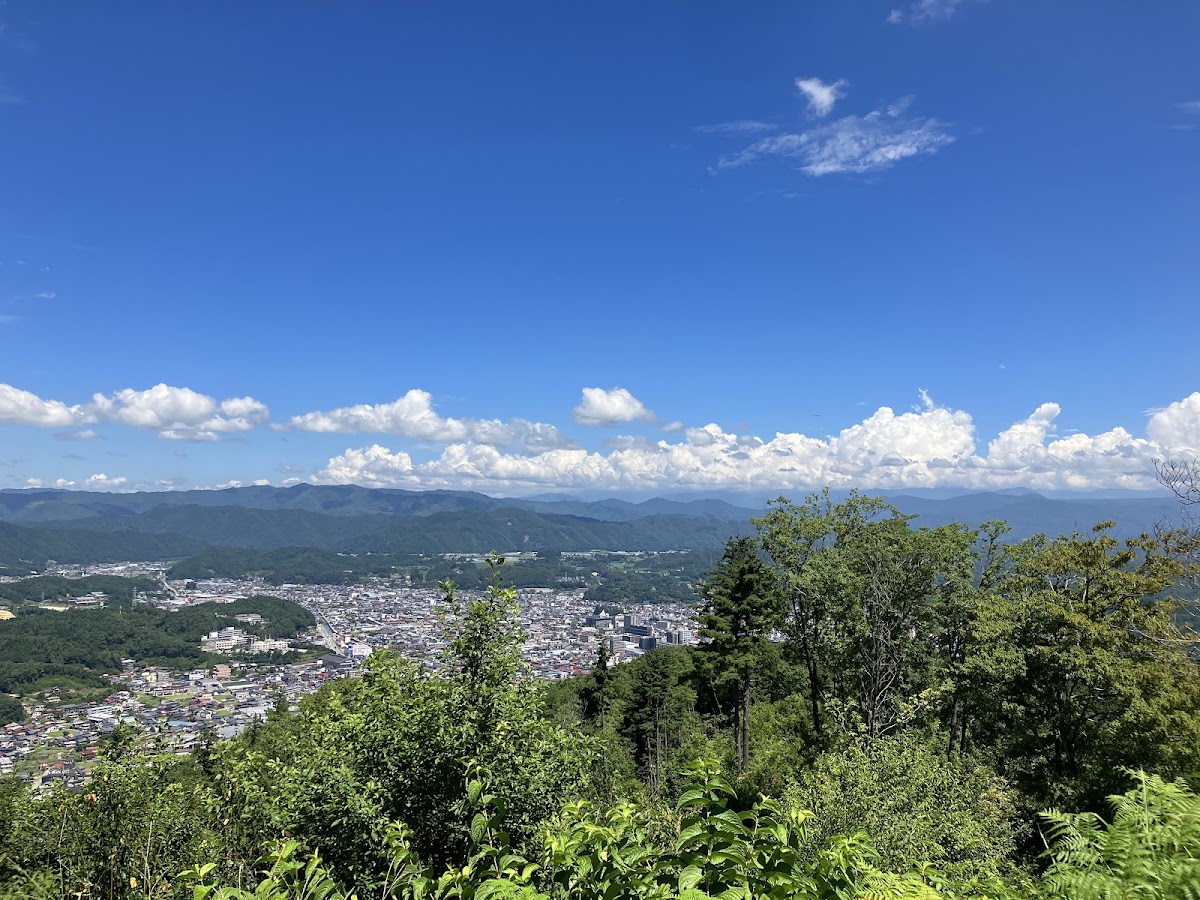
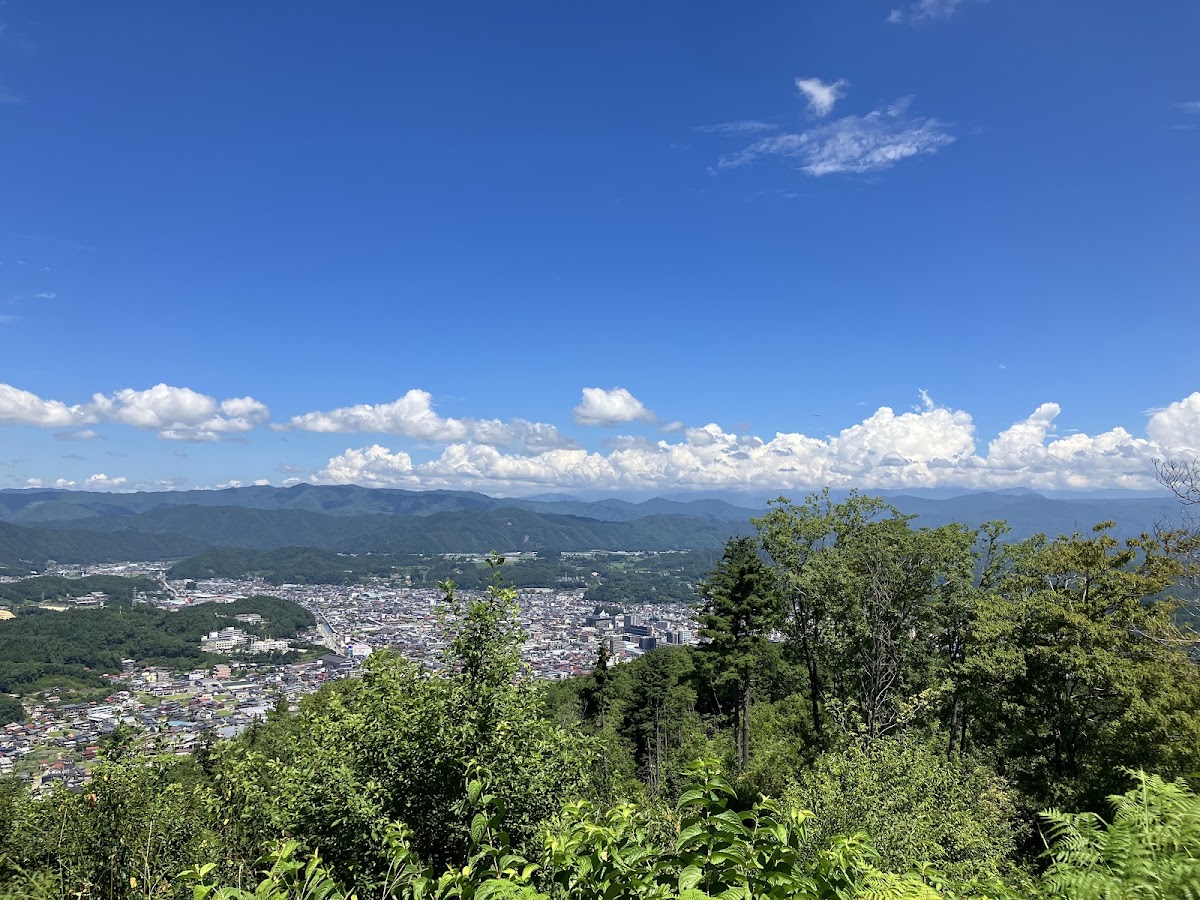
From the Honmaru, one can enjoy a panoramic view of the Takayama Basin, allowing for surveillance of the plains and surrounding roads below. This excellent view is thought to have served not only a military surveillance function but also a symbolic meaning, demonstrating the lord’s authority.
Ninomaru and Sannomaru
The Ninomaru is located below and to the east of the Honmaru and was an important defensive base protecting the Honmaru. The Sannomaru is located further outside and played a role in protecting the entrance to the castle grounds.
The stone walls of the Sannomaru, in particular, make a strong impression on visitors as they are the first structure they see from the approach to the castle. The stone walls that suddenly appear beyond the overgrown moat speak volumes about the advanced castle-building techniques of the time.
Features of the Stone Walls
The most distinctive feature of Hida Matsukura Castle is undoubtedly its all-stone construction. While many mountain castles exist in the Hida region, none possess such substantial stone walls.
The stone walls are built using a technique called “nozurazumi,” which utilizes natural stones while skillfully combining them to achieve a robust structure. The effort required to transport and stack such a large amount of stone at an altitude of 856.7 meters is unimaginable.
The height of the high stone walls reaches over 5 meters in some places, making it a valuable example of the technological level during the transitional period from medieval to early modern castles.
Layout of Enclosures and Defensive System
The layout of the enclosures at Matsukura Castle skillfully utilizes the mountainous terrain. The castle featured a multi-layered defensive system, with baileys arranged along the ridgeline and trenches strategically placed to gradually halt enemy advances.
The outer baileys were positioned from the west to the south of the main bailey, serving to protect it from attacks from the flanks. This complex layout represents the pinnacle of castle construction techniques from the late Sengoku period.
Significance of National Historic Site Designation
National Historic Site Designation in March 2025
As of March 10, 2025 (Reiwa 7), the Matsukura Castle ruins were designated a National Historic Site. This is the fifth National Historic Site in Takayama City, following the Hida Kokubunji Temple Tower Ruins, Takayama Jinya Ruins, Akahoki Tile Kiln Ruins, and Donoue Ruins.
Prior to this, the Matsukura Castle ruins had been designated a prefectural historic site by Gifu Prefecture in 1956, but with this designation as a national historic site, its cultural value has now been recognized nationwide.
Academic Value
The reason Matsukura Castle Ruins were designated a National Historic Site is due to the high academic value of the following:
- A castle representing the transition from the medieval to the early modern period: It is valuable as a transitional castle, possessing the characteristics of an early modern castle (stone walls) while maintaining the medieval location of a mountain castle.
- Japan’s highest-altitude stone-walled mountain castle: Proof of the technical skill required to construct full-scale stone walls at an altitude of 856.7 meters.
- A historical site that tells the story of the Hida region: It represents an important turning point in regional history: the unification of Hida by the Miki clan and the establishment of rule by the Kanamori clan.
- Excellent state of preservation: It has not undergone large-scale alterations since its abandonment, and the castle structure from the Sengoku period remains almost entirely intact.
Results of the Comprehensive Survey
In preparation for the designation as a National Historic Site, Takayama City conducted a comprehensive survey of Matsukura Castle Ruins. This included surveying, the first-ever archaeological excavation, and research on historical documents from the medieval period to the present day. The results have been published in a report.
These investigations have revealed more detailed information about the castle’s structure, construction date, and period of use. In particular, archaeological excavations have yielded new insights into the construction methods of the stone walls and the facilities within the baileys.
Highlights of Matsukura Castle
Impressive Stone Walls
The greatest attraction of Matsukura Castle is undoubtedly its magnificent stone walls. As you ascend through the third bailey, second bailey, and main bailey, towering stone walls surrounding each bailey appear one after another.
The stone walls of the main bailey, in particular, are overwhelming in both height and scale, showcasing the pinnacle of castle-building technology from the Sengoku period. These rough-hewn stone walls remain intact even after many years, preserving their original appearance.
Moats and Defensive Structures
The moats built along the ridge are important remains for understanding the defensive system of mountain castles. Deeply excavated moats not only physically hindered enemy advances but also created a psychologically oppressive effect.
Although some areas are covered in vegetation, observing the scale and arrangement of the moats allows us to understand the defensive strategies of the time.
The Magnificent View
The view from the main keep is spectacular. Below, the Takayama Basin stretches out, offering a panoramic view of the surrounding mountains and roads. This view is likely one of the reasons the Miki clan chose this location.
On a clear day, you can see the mountain ranges of Hida and even the distant peaks of the Northern Alps. Perhaps the feudal lords of the Sengoku period also contemplated their territorial management while gazing at this scenery.
Stone Steps and the Enclosure
The stone steps leading from the main keep’s entrance to the second enclosure are a valuable historical relic that conveys the original approach to the castle. The stone steps, constructed by stacking stones, evoke the hardships of building a castle in the steep mountains.
The structure of the entrance is also interesting, showing various ingenious measures to prevent enemy intrusion.
Access and Visiting Guide
Location and Basic Information
Location: Shiroyama, Takayama City, Gifu Prefecture
Designation: National Historic Site (March 2025), Gifu Prefecture Historic Site (1956)
Elevation: 856.7 meters (Relative height approximately 360 meters)
Year of Construction: Around 1579 (Tensho 7)
Builder: Anegakoji Yoritsuna (Miki Jitsuna)
Year of Abandonment: After 1585 (Tensho 13)
Access by Car
From Takayama city center, head towards Hida no Sato and continue south along the forest road to find a parking lot. The parking lot has space for several cars and is free of charge.
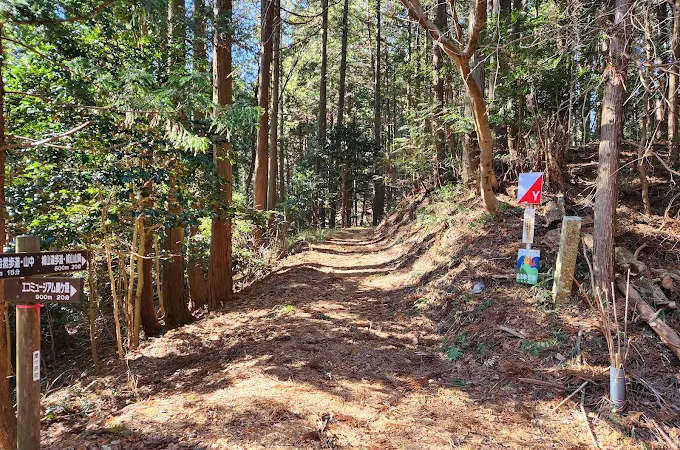
From the parking lot, it’s a few minutes’ walk to the castle grounds, but from there, a steep uphill climb continues to the main keep.
Important Points for Visiting the Castle
- Clothing and Equipment: As it is a mountain castle, comfortable clothing and hiking boots are essential. Long sleeves and long pants are recommended even in summer.
- Estimated Time: The one-way trip from the parking lot to the main keep takes about 30-40 minutes. Including time to explore the castle grounds, allow 2-3 hours round trip.
- Season: Visiting the castle is difficult in winter (December to March) due to snow. Visiting from spring to autumn is recommended.
- Physical Fitness: Since it involves a 360-meter elevation gain, a certain level of physical fitness is required.
- Safety Measures: Avoid visiting alone; visiting in a group is safer. Check your cell phone signal strength beforehand.
Best Season for Visiting
The most beautiful seasons are May-June (fresh greenery) and October-November (autumn foliage). However, from July to August, the vegetation can become overgrown, making it difficult to see the ruins.
Nearby Tourist Attractions
Hida no Sato
Located on the way to Matsukura Castle, Hida no Sato is an open-air museum featuring relocated and preserved traditional gassho-zukuri style houses. It’s a facility where you can experience the traditional lifestyle and culture of the Hida region, and is well worth visiting in conjunction with Matsukura Castle.
Takayama Jinya
The remains of a magistrate’s office and county magistrate’s office from the Edo period, designated as a national historical site. It’s an important facility for learning about the history after the Kanamori clan ruled Hida.
Takayama City Center
Takayama city center, with its preserved old townscape, is a tourist destination known as “Little Kyoto of Hida.” Edo-period merchant houses line the streets, allowing visitors to enjoy a traditional atmosphere.
Sakurabora Castle Ruins
The Sakurabora Castle Ruins, the former residence of the Miki clan, are another historical site worth visiting in conjunction with Matsukura Castle. Visiting both the “Winter Castle” and the “Summer Castle” allows for a deeper understanding of the Miki clan’s castle strategy.
Cultural Value of Hida Matsukura Castle
Importance in Medieval Castle Research
Hida Matsukura Castle occupies an important position in castle research as a valuable example of the transition period from medieval to early modern castles.
Built in the late Sengoku period (late 16th century), Matsukura Castle retains the medieval location of a mountain castle while possessing the characteristics of an early modern castle, such as stone walls. This transitional character is extremely important for understanding the development process of Japanese castle architecture.
Position in the History of the Hida Region
Matsukura Castle is a historical site that symbolizes the transition from the Sengoku period to the early modern period in the Hida region. Built as a base for the Miki clan’s unification of Hida, and ending its role with the establishment of a new ruling system by the Kanamori clan, Matsukura Castle’s history embodies the history of the Hida region itself.
The Pinnacle of Stone Wall Construction Technology
Constructing such a substantial stone wall at an altitude of 856.7 meters is rare nationwide. The transportation of stones to the steep mountainside, the advanced stacking techniques, and its durability for over 400 years demonstrate the pinnacle of castle construction technology at the time.
The Miki Clan and Anegakoji Yoritsuna
The Miki Clan’s Rule of Hida
The Miki clan were powerful local lords in the southern part of Hida, originally known as the Anegakoji clan. They expanded their power throughout the Sengoku period, and under Yoritsuna, they succeeded in bringing almost the entire Hida region under their control.
The Miki clan skillfully utilized Hida’s geographical conditions, managing their territory from multiple castles. Their two-castle system, with Sakurabora Castle as their winter residence and Matsukura Castle as their summer residence, was a unique form of rule adapted to Hida’s harsh climate.
The Ambition of Anegakoji Yoritsuna
Anegakoji Yoritsuna (Miki Jitsuna) was a Sengoku period daimyo who achieved the unification of Hida Province. The construction of Matsukura Castle was a symbol of his ambition.
By building an impregnable stone-walled castle on Mount Matsukura, overlooking the Takayama Basin, the heart of Hida, Yoritsuna sought to demonstrate his authority both domestically and internationally. However, his ambition was thwarted by the invasion of Kanamori Nagachika.
Kanamori Nagachika and the Rule of Hida
Biography of Kanamori Nagachika
Kanamori Nagachika was a Sengoku period warlord from Echizen Province (Fukui Prefecture) who served Oda Nobunaga and Toyotomi Hideyoshi. He enjoyed Hideyoshi’s deep trust and was granted Hida Province in 1585, becoming the new ruler of Hida.
From the Capture of Matsukura Castle to the Construction of Takayama Castle
Kanamori Nagachika captured Matsukura Castle, which was considered impregnable, and destroyed the Miki clan. However, Nagachika did not make Matsukura Castle his base, but chose to build a new castle (Takayama Castle) in a location closer to the plains.
This choice was made with an eye on the transition from the Sengoku period to an era of peace. While mountain castles are excellent for defense, they are inconvenient as centers of politics and economy. The Kanamori clan aimed to build a castle town suitable for the new era.
The Development of Hida under the Kanamori Clan
Under the rule of the Kanamori clan, the Hida region developed under stable governance. The castle town of Takayama was developed, commerce flourished, and culture blossomed. The foundation of present-day Takayama City was laid during the Kanamori era.
Summary: The Charm of Hida Matsukura Castle
Hida Matsukura Castle possesses extremely high historical and cultural value as the highest-altitude stone-walled mountain castle in Japan, and as a valuable castle ruin representing the transition from the medieval to the early modern period.
The magnificent stone walls built on a mountaintop at an altitude of 856.7 meters, the breathtaking view of the Takayama Basin spreading out below, and the history that tells the story of the rise and fall of two Sengoku daimyo, the Miki and Kanamori clans—all of these elements contribute to the charm of Matsukura Castle.
Its designation as a National Historic Site in March 2025 has made its value recognized nationwide. Further research, preservation, and maintenance will be carried out in the future, allowing even more people to visit this magnificent mountain castle.
When visiting Hida, be sure to climb Matsukura Castle and feel the spirit of the Sengoku period. Climbing the steep mountain path and standing in the main keep surrounded by stone walls, you will be able to relive the view seen by the samurai warriors of over 400 years ago.