Onboard Castle: One of Japan’s 100 Famous Castles, Oita City’s Existing Famous Castle—Explanation of the history and highlights of the onboard castle
The castle is located in the center of Oita City, also known as Oita Castle, Shinkami Castle, Shiroji Castle, a typical plains castle in the postwar country. The list includes one of Japan’s 100 most famous castles, including castle rivers, stone mounds, castle towers, etc. Main text details: The current history of the construction of the ship’s castle, features and highlights of its construction.
Ship castle overview and geographical location
The inner castle is located at Hirahara Castle in the central castle ward of Oita City. Yinzeng Jianyu Waterway Traffic Highway, Beipi Ocean, East Oita River Entrance. The most notable feature of the castle fort is its flat topography with undulating heights and low elevations. After the fusion of the two troupes, the elemental plains fortification of the sea battle, which has a unique geographical position in the area of defense and defense.
Nowadays, the Oita Castle Park is open to the public, a place for Chengdu citizens to relax and release pine trees. Convenient transportation to the park, distance from JR Oita Station approximately 15 minutes, convenient for visitors.
History of ship castle construction
Inside the ship during the Otomo era
Before the construction of the castle on the ship, this village was the Otomo clan’s point of view. When the Otomo clan lived in the war, they were the rulers of the country, and the feudal lords of the country. The Otomo clan’s residence is located on board the ship, and its power is not limited to this country, nor to the rest of the country, nor to northern Kyushu. However, after the invasion of the Shimazu clan in 1586, the Otomo clan’s strength began to decline. After Hideyoshi conquered Kyushu, he became a new ruler of the country.
Naotaka Fukuhara Starts and Renovates
In 1597, Mitsunari Ishida’s younger sister and husband, Naotaka Fukuhara, acquired a feudal domain worth 120,000 koku and lived in Usuki Castle. The castle pond, which was built on the orders of Hideyoshi, another military vassal, was located at Yujiochi, the entrance to the Oita River, and today is the central castle district of Oita City. It is a good place to see in the four winds and rivers of Futami.
During the time of Naotaka Fukuhara, the construction of the castle pond and Yoshiroike pond was completed, and the foundation of the castle town was established. In 1598 (3rd year of the Emperor’s reign), a three-layer castle tower (with four levels) was constructed, and the main structure of the fort was basically completed. During this period, the main function of Funai Castle’s exhibition, production, collection and distribution of goods, use of waterways, the name of the place was “Niochi”, which was a river port on the upper river of Oita, and the seal was confirmed.
Takenaka Shigetoshi’s large scale modification and complete improvement
In 1600, during the War of Kanbara, Naotakain Fukuhara was supported by the Western Army, and in 1601, Shigetoshi Takenaka was appointed. Shigetoshi Takenaka is the elder brother of the famous military strategy strategist Takenaka Hanhei (Shigeharu Takenaka).
Takenaka Shigetoshi’s construction began in 1602, and the inner castle was extensively renovated, and the final construction was completed with a comprehensive castle tower, two outer forts, three outer forts, and an inner castle pond. At this time, the castle tower was changed to a four-layered tower type. The final construction of Funainai Castle was completed during the time of Taketoshi Nakashige, and this is a skeleton of the modern castle fort.
Special features of the ship’s castle
Three layers of mountains and four layers of castle river
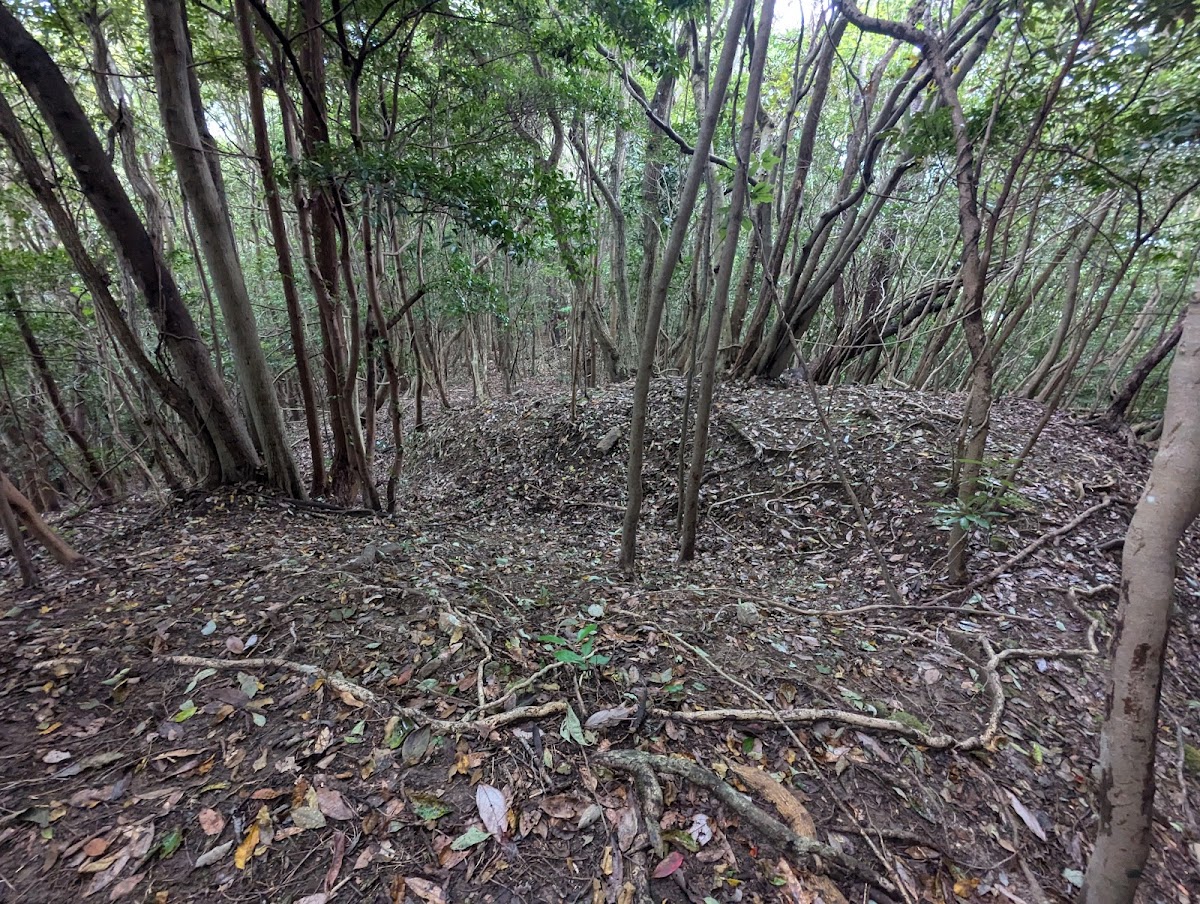
The ship’s castle-like defense construction resulted in the construction of a three-layered castle (main enclosure, Ninomaru, Wasannomaru), and a four-layered castle river. The construction of the castle was built on a flat terrain, and the castle was built with stone walls for river defense.
The ship’s interior is Johokudaikai, Eastern Oitagawa Inlet, and its design and successful waterway navigation and maritime defense. The north side of the fort is facing the ocean, ready for shipping goods on the sea, and equipped with sea defense capabilities. At the end of the Meiji period, the castle river outside the Sannomaru was filled with the castle river inside the second circle, but the river still existed in the Ninomaru Wasannomaru, which gave us an image of the old days. This is an important element in the defensive ability of a strong fort.
The layout of the castle tower and corner tower
When the ship’s castle was built, there were four castle towers, a 23-seat corner tower and a 5-seat castle gate. Inside the main castle tower and castle tower, an aerial view of the construction of Funai Town.
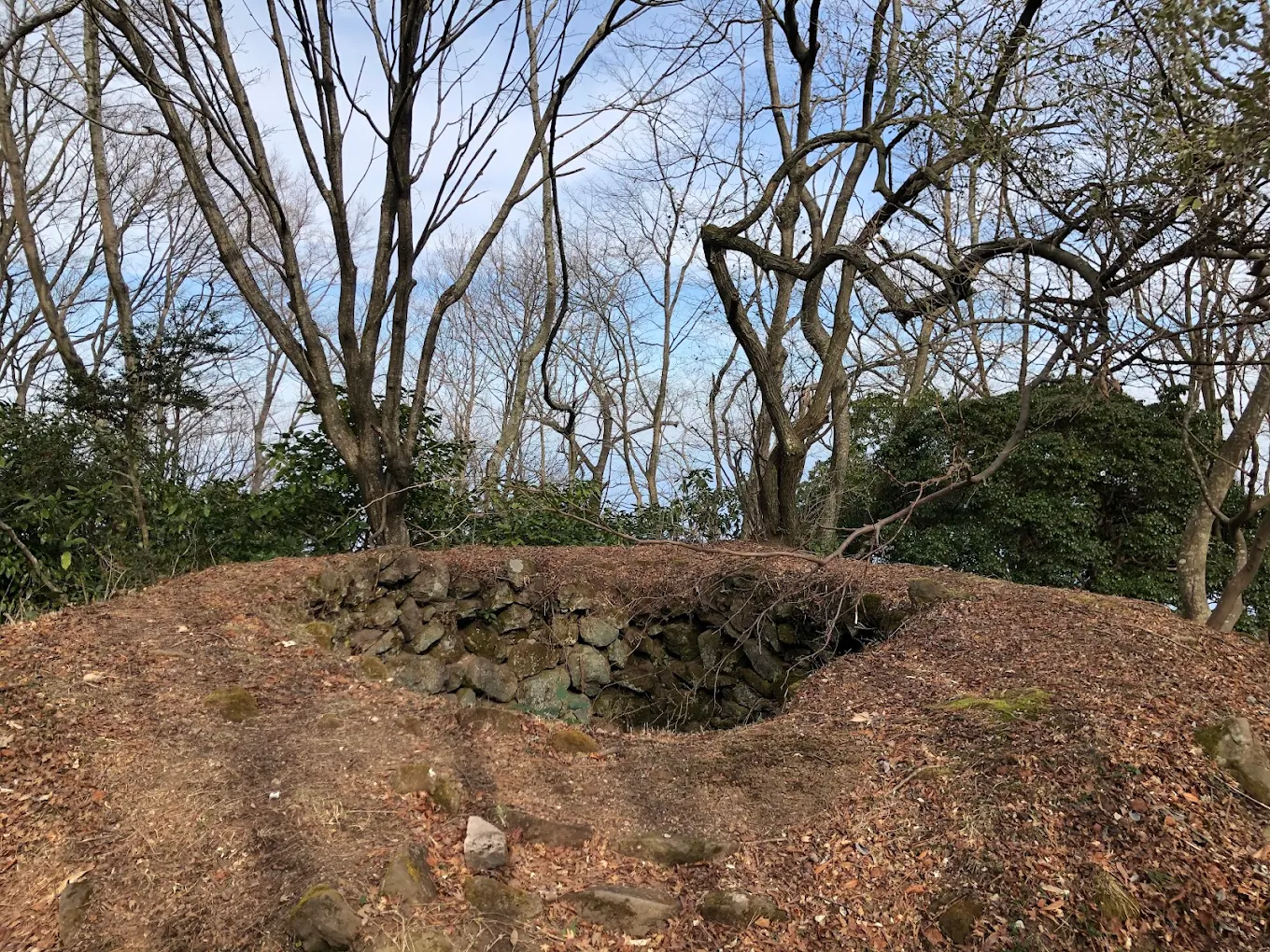
However, in 1743, there was a huge fire in the area, and the fort was owned and constructed, and the castle tower was completely built. The great fire in this place was one of the major turning points for the inner castle, and after this, the castle tower was rebuilt and the main building was destroyed. Nowadays, the stone burial mound at the base of the castle tower still exists, and if we can imagine it, it is a replica of ancient times.
Features of Seishin
The castle-like stone mound on the ship is a rare piece of history, and is an exhibition of castle fort construction techniques from a long time ago. The construction of the stone mounds around the main castle is done using the “hitting clover” technique, the use of stones is finely processed, the gaps are small, and the structure is solid.
The “three stone” technique for turning the corner, the rectangular shape of the stone is mutually reciprocated, and the strength is increased. Due to the various stonemasonry techniques and its historical meaning, it was also accepted and worshiped, and the level of the construction of forts in the early Jiang Dynasty period was reached.
Inner Castle Ryoten
The existing corner tower
The highlight of the inner castle is the corner tower from the time of the war.
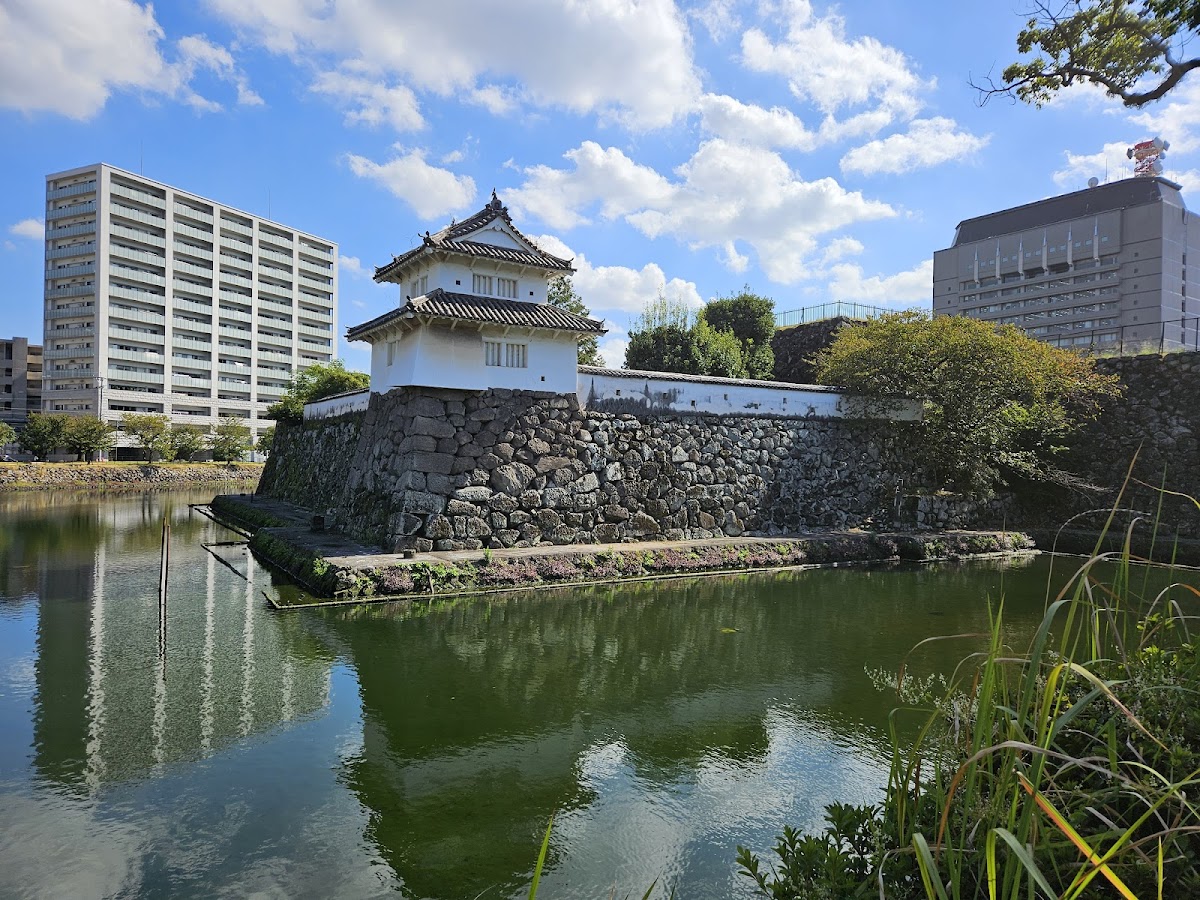
Human Quality Corner Tower This is one seat and two layers of corner tower, which has been the site of the current castle. This is the name given to the installation of the work and the personnel characteristics of the employees. The white ash mud mound and the black tile fragments are quite beautiful in comparison, and it is also a characteristic feature of the construction of fire pits during the Jiang Dynasty period.
Religious Observation Tower This is the rare construction of one troupe, and this is one troupe fire pit. The history of the Funai clan’s religious policy was described by the founder of the Christian region, Inkonoya.
The production of the two fire pits is rare due to the preservation of the conflagration, and has been designated as Oita City’s cultural treasure. ### Corridor after repair
Corridor This is the architectural structure of Funai Castle, recently completed and renovated. The corridor is connected to one tower and two towers, and its special structure is designed to make it convenient for the feudal lord to pass through during the rain and not get wet.
After the renovation, the corridor, beautiful vermilion red and white walls, is the hot spot for visitors to Funai Castle. The interior structure of the corridor was like the life of a feudal owner at the time.
Main Gate, Wayama Sato Gate
The main gate of the ship’s castle is the main gate, which is currently under construction. The main gate was built as a castle gate, and the main corner of the castle was decorated with an important corner. Its architecture was elegant, with a tower style castle gate.
Yamazato Gate is one of the important castle gates inside the ship, and is the passageway inside the castle. The castle gate was repaired, and the old Japanese appearance of the inner castle was restored and changed.
View of the main castle tower
The stone burial mound of the castle tower is perfectly preserved and can now be climbed. When you sit on the bench, you can see the panoramic view of Oita City.
Sunshine Village in the clear sky, a distant view of the bay and the surrounding mountains, and a strategic location for the construction of Funai Castle and the waterway transportation route.
History of Funai Clan and Funai Castle
The feudal lord of Kudai and the transfer of Funai Castle
After Shigetoshiyuki Takenaka, the Funai Clan’s clerk, finally the Matsudaira clan (Oushi Matsudaira family) was established, and the Meiji era was established. At the time of the reign of the feudal lords, Funai Castle was the center of domain politics, and the castle town was the center of imperial politics, and the center of imperial culture.
After the great fire in 1743, the cause of Yuyu’s administration was the castle tower, Ami-no-Jigeken. However, the construction of the castle tower, the castle gate, and the construction of the stone wall is still in progress, and the construction of Funai Castle and the construction of the castle still play an important role.
Inner castle from the Meiji era to the new era
After the Meiji era, the feudal lord system was abolished, the government was established, castles were built on ships, and many buildings were built. Partially covered by city river, city fortress site used park, school and government official land.
However, the castle towers, stone walls, castle rivers, etc. were put on hold, and in 1963, they were designated as Oita City Historic Sites. In 2006, it was reviewed as one of Japan’s top 100 famous castles, and its history was published.
Opening of the ship’s castle
Opening of the Oita Castle Park
In front of us, the Oita Castle Park is being opened, and the site of Chengdu’s citizens’ holiday and release of pine trees. After completing the construction of the park, guests can walk along the city river and visit the city tower.
The spring sky, the opening of the cherry blossoms, and the victory of the cherry blossoms. At night, the lights of the castle fort sparkle, and the scenery is so beautiful that it is a dream come true for visitors.
Edit and open items
Oita City’s current location and construction of the ship’s castle are subject to repair and opening items, and the city’s current location is the historical name of the castle. After the corridor bridge was repaired, while the main gate and castle tower were being repaired, the ship’s inner castle appeared with a more complete appearance than the hope for the future.
On the basis of the historical materials such as the reference castle grounds, the repair work is correct, the continuous progress of learning is confirmed, and the original form of the history of the land of Yuanhara can be reached.
Onboard castle transportation and travel information
Transportation method
Sitting fire car:
- Travel time approximately 15 minutes from JR Oita Station
- How to get to the Oita station and ride to the bus station.
Motor vehicle route:
- From Oita Expressway Oita IC, approximately 15 minutes by car
- Nearby parking lot
Reference information
- Opening time: All sky opening (park area)
- Vote: Disclaimer
- Travel time: Approximately 30 minutes to 1 hour
- Viewpoints: Existing pagodas, corridor bridges, stone burial mounds, 护城川, castle tower base
Zhoukan tourism scenic spot
The ship’s castle surroundings include Oita City Museum of Fine Arts, Art Museum, and Oita City Museum, and other cultural facilities. Located in the central commercial district of Oita City, it is convenient for you to enjoy Japanese cuisine and enjoy the same sightseeing experience.
A selection of Oita’s local delicacies, such as `Chicken Heaven'' (鸡 Flesh Tenji 罗) and `Ryukyu” (一种咸 Flavored Stew), is also a great place to explore the ship’s castle.
Funai Castle and Otomo clan lineage
Before the construction of Sennai Castle, this was the location of the Otomo clan’s official residence. The Otomo clan was a long-established family, and after the restoration of the country, it was a powerful family, and during the period of prosperity, it was a powerful force in the six countries of Kyushu.
During the period of the establishment of the Otomo Sect, the ship’s castle was the center of Christian cultural prosperity and trade to the West. However, after the Shimazu clan was defeated during the war, the Otomo clan’s strength rapidly declined.
When Naotaka Fukuhara built the ship’s castle, the site was used as the site of the Otomo clan’s residence. The history of the ship’s interior has been extended to the next level.
Onboard castle culture
A typical plains castle built in the early Jiang Era period, occupied an important position during research into the history of castle forts. The geographic location of the sea, the defensive system of the three-tiered castle, the four-tiered castle, and the current castle structure, as well as the current fort construction techniques and the current historical treasures of the country’s administrative management.
The reason for this is that the existing Duza Castle Tower—Humanity Castle Tower and Religious Affairs Castle Tower—has a very high construction history, because it is the construction of a castle tower during the era of the Edo era, which has a large number of people within the precincts of the city. In addition, the construction method of the stone citadel is also an academic research problem, and has reached the level of civil engineering engineering technology from the era of the river.
Overview
Funai Castle was the central fortress of the country, first built by Naotaka Yufukuhara and completed by Shigetoshi Takenaka. Funai Castle, located in the center of Oita City, is one of Japan’s 100 famous castles, due to its unique geographical location, the characteristics of a plain fort facing the ocean, the perfectly preserved castle tower, Japanese stone tombs, etc., and the long history of the Otomo clan, which can be traced back, and has multiple charms.
In front of us, we are carrying out ongoing restoration work on Funai Castle’s main road, which is being used to create ancient Japanese lanterns. How to get to Oita, experience must go to Funai Castle, experience the country’s history and culture.
Vermilion corridor walls and white castle walls intersect with each other, the walls of the castle towers stand up, and the beauty of the stone walls is reflected. A magnificent view of Oita City from a bird’s-eye view – Funai Castle is a historical past of lost people, and a sense of romance and contemporary peace and harmony.