Complete Guide to Chigasaki Castle (Kanagawa Prefecture) | A Thorough Explanation of a Medieval Castle in Tsuzuki Ward, Yokohama City
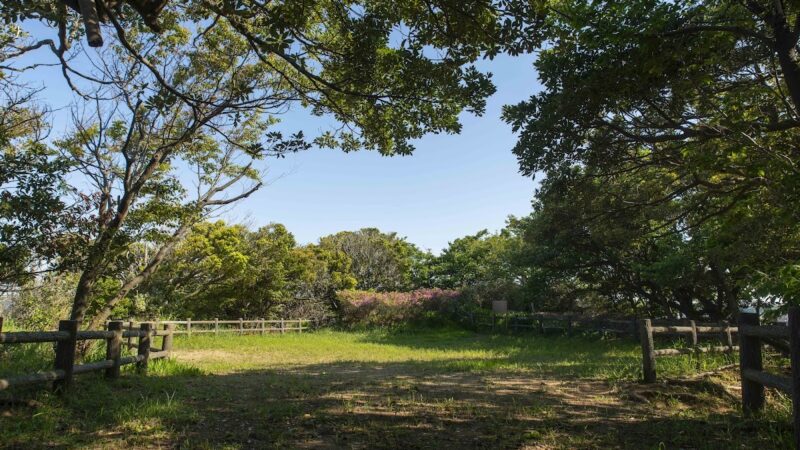
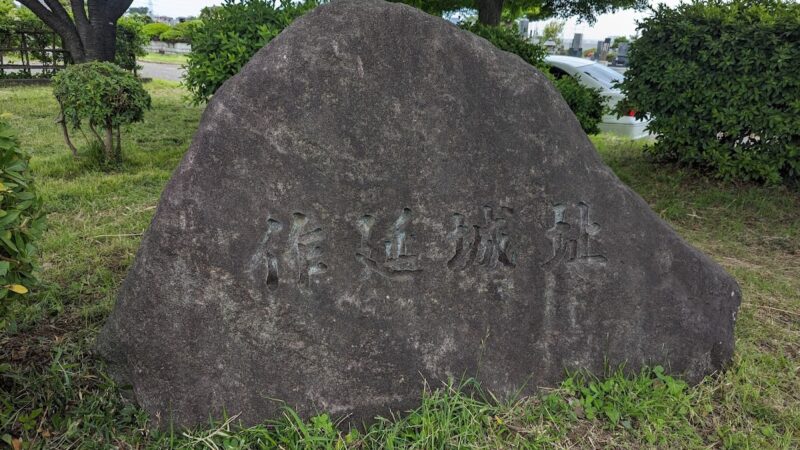
Chigasaki Castle is a medieval mountain castle located at 2-25 Chigasaki-Higashi, Tsuzuki Ward, Yokohama City, Kanagawa Prefecture. Despite being in the heart of the modern Kohoku New Town, the remains of the castle, built from the late 14th to the early 15th century, are remarkably well-preserved and protected as a Yokohama City designated historical site. Currently, it is maintained as Chigasaki Castle Ruins Park, a valuable spot where you can easily experience the atmosphere of a medieval castle in the middle of an urban area.
History of Chigasaki Castle
Construction Date and Builder
The construction date of Chigasaki Castle is estimated to be from the late 14th to the early 15th century. However, there are no clear historical records regarding the builder, and it remains unknown to this day. While archaeological excavations and unearthed artifacts confirm its construction during this period, who built it and for what purpose remains a historical mystery. ### Relationship with the Ogigayatsu Uesugi Clan
Chigasaki Castle is believed to have been located within the sphere of influence of the Ogigayatsu Uesugi clan, a powerful warlord family in the Kanto region. In particular, it is suggested that it may have functioned as a branch castle of the nearby Kozukue Castle. Kozukue Castle was an important base for the Ogigayatsu Uesugi clan, and it is presumed that Chigasaki Castle played a part in its defense network.
Trends during the Sengoku Period
With the arrival of the Sengoku period, the Kanto region underwent a period of great upheaval due to the expansion of the Later Hojo clan’s power. The area around Chigasaki Castle was no exception, and it is believed to have been affected by the conflict between the Ogigayatsu Uesugi clan and the Later Hojo clan. Evidence of castle renovations and expansions has been confirmed, suggesting that its defensive functions were strengthened in response to changing times.
Abandoned Castle and Modern Times
It is unclear when Chigasaki Castle was abandoned, but it is believed to have ended its role with the end of the Sengoku period. After many years, amidst the development of Kohoku New Town, archaeological excavations were conducted in the 1980s, leading to a re-recognition of its value as a medieval castle. Currently, the site is maintained as a park and is popular with many citizens and history enthusiasts.
Structure and Layout of Chigasaki Castle
Overall Structure
Chigasaki Castle is a hill castle built on the tip of a hill range extending eastward from Sankakuyama on the right bank of the middle reaches of the Hayabuchi River, at an elevation of approximately 35 meters. The castle’s layout consists of four main enclosures: the central enclosure (main enclosure), the northern enclosure, the eastern enclosure, and the western enclosure. Each enclosure is demarcated by dry moats and earthen ramparts, preserving the typical structure of a medieval castle.
Central Enclosure (Main Enclosure)
The central enclosure is the central part of Chigasaki Castle and the most important section. It is surrounded by earthen ramparts, demonstrating its high defensive capabilities. Even today, the rise of the earthen ramparts can be seen, allowing us to imagine the castle’s appearance at the time. The central enclosure covers an area of approximately 1,000 square meters and is presumed to have housed the lord’s residence and important facilities.
Central Enclosure (Main Enclosure)
The central enclosure is the central part of Chigasaki Castle and the most important section. Earthen ramparts surround it, indicating its high level of defense. Even today, the rise of the earthen ramparts can be seen, allowing us to imagine the castle’s appearance at that time. The central enclosure covers an area of approximately 1,000 square meters and is presumed to have housed the lord’s residence and important facilities. ### West Enclosure
The West Enclosure is located west of the Central Enclosure, separated by a dry moat. This dry moat is particularly well-preserved among the remains of Chigasaki Castle, and its depth and width suggest the high level of its defensive capabilities at the time. The West Enclosure is thought to have functioned as an important defensive base protecting the Central Enclosure.
East Enclosure
The East Enclosure is located east of the Central Enclosure, connected by an earthen bridge across the dry moat. However, some parts are now covered with trees and bushes, making it difficult to confirm the remains in some areas. Nevertheless, with careful observation, traces of the earthen bridge and the shape of the moat can be seen. The East Enclosure played a role in preventing incursions from the east side of the castle.
North Enclosure
The North Enclosure is located below and to the north of the Central Enclosure, situated at a slightly lower elevation compared to the other enclosures. This placement clearly demonstrates the characteristics of medieval castles that skillfully utilize the terrain, and is thought to have formed part of a multi-layered defensive system. From the North Enclosure, one could overlook the Hayabuchi River area, and it is presumed to have also served a surveillance function. ### Features of the Dry Moat and Earthworks
One of the greatest highlights of Chigasaki Castle is its well-preserved dry moat and earthworks. The dry moat was an important defensive structure designed to prevent enemy intrusion, and the moat between the central and western baileys is particularly impressive in its depth and width. The earthworks surround the baileys, and while their height varies, the highest points reach over 2 meters. These remains are a valuable way to experience the structure of a medieval castle, even in the middle of an urban area.
Entrance (Koguchi)
The remains of the castle’s entrance (koguchi) can also be seen. The koguchi was not merely an entrance, but a crucial defensive point, incorporating ingenious designs to stop enemy intrusion. The koguchi at Chigasaki Castle is cleverly positioned in combination with earthworks and moats, demonstrating the high level of medieval castle construction technology.
Entrance (Koguchi)
The remains of the castle’s entrance (koguchi) can also be seen. The koguchi was not merely an entrance, but a crucial defensive point, incorporating ingenious features to prevent enemy intrusion. ## Highlights of Chigasaki Castle
Well-Preserved Ruins
The greatest appeal of Chigasaki Castle is that, despite being located in an urban area, the remains of a medieval castle are relatively well-preserved. It is extremely valuable to be able to imagine the appearance of a castle from over 600 years ago amidst the modern cityscape of Kohoku New Town. All the basic elements of a medieval castle, such as dry moats, earthworks, and the arrangement of baileys, are present, making it an easy structure to understand even for castle beginners.
Seasonal Scenery
Chigasaki Castle Ruins Park is not only valuable as a castle ruin, but is also a popular place of relaxation for citizens. Cherry blossoms bloom in spring, the greenery becomes lush in summer, the autumn leaves are beautiful, and a tranquil atmosphere can be enjoyed in winter. The combination of nature and historical ruins in each season reveals a different face each time you visit.
Information Boards and Explanations
In the park, information boards explaining the history and structure of Chigasaki Castle are installed, making it easy for first-time visitors to understand. The location and function of each enclosure and ruin are explained in detail, so exploring while referring to these will allow you to appreciate the castle’s charm more deeply.
Views from a 35-Meter Elevation
Although it is a relatively low hill castle at an elevation of approximately 35 meters, it offers panoramic views of the surrounding area. Imagining the former lords of the castle also surveying the surroundings and protecting their territory evokes a sense of historical romance. While buildings now stand on the site, it must have been a place with excellent views in the past.
Results of Archaeological Excavations
In the 1980s, archaeological excavations were conducted at Chigasaki Castle in conjunction with the development of Kohoku New Town. These excavations unearthed artifacts such as ceramics and pottery, revealing the castle’s age and usage. These findings are exhibited at the Yokohama City History Museum and other locations, and visiting them in conjunction with a visit to the castle ruins will provide a deeper understanding.
Access Methods
Access by Train
The nearest station to Chigasaki Castle Ruins Park is Center Minami Station on the Yokohama Municipal Subway Blue Line. It’s a very easily accessible location, about a 5-10 minute walk from the station. Center Minami Station is about 20 minutes from Yokohama Station and about 15 minutes from Shin-Yokohama Station, making it easily accessible from central Tokyo.
Directions from Center Minami Station
- Exit the ticket gate at Center Minami Station and go above ground from Exit 1.
- After exiting, turn right.
- Continue straight through the residential area, and you will see signs for Chigasaki Castle Ruins Park.
- Follow the signs, and you will arrive at the park entrance in about 5-10 minutes.
Access by Car and Parking
Chigasaki Castle Ruins Park does not have its own parking lot. If you are visiting by car, you will need to use nearby coin-operated parking lots. There are several paid parking lots around Center Minami Station, so you will need to use one of those and walk to the park. Using public transportation is recommended. ### Access by Bus
Several bus routes, including Yokohama City Bus and Tokyu Bus, pass through the area around Center Minami Station. Even when using the bus, it’s convenient to get off at Center Minami Station and walk to the park.
Visitor Guide
Opening Hours and Admission Fee
Chigasaki Castle Ruins Park is a well-maintained park and is generally open 24 hours a day with no admission fee. However, nighttime visits are not recommended for safety reasons. It’s best to visit during daylight hours, especially from morning to early afternoon.
Estimated Time Required
30 minutes to an hour is sufficient for a leisurely visit to Chigasaki Castle Ruins Park. Carefully exploring each enclosure and reading the information boards will make for a more fulfilling experience. Even including time for photography and breaks, 1 to 1.5 hours should be enough time to enjoy the park comfortably.
Clothing and Items to Bring
As it is a well-maintained park, no special equipment is required. However, please keep the following points in mind for a more enjoyable visit:
- Comfortable shoes: Due to the uneven terrain, comfortable walking shoes such as sneakers are recommended.
- Seasonal clothing: Take precautions against the sun in summer and warm clothing in winter.
- Drinks: Remember to stay hydrated, especially in summer.
- Camera: For photographing the ruins.
- Insect repellent: For protection against mosquitoes and other insects in summer.
Best Season
Chigasaki Castle Ruins Park can be visited year-round, but the best times are:
- Spring (late March to April): Cherry blossoms bloom, the weather is mild, and it’s ideal for a stroll.
- Autumn (October to November): The autumn leaves are beautiful, and the temperature is pleasant.
- Winter (December to February): The ruins become easier to see as the leaves fall.
In summer, the greenery can be dense and the ruins may be difficult to see, but you can enjoy the beauty of the fresh green leaves.
Castle Stamp Information
The castle stamp for Chigasaki Castle can be purchased at the Yokohama City Museum of History. It costs 300 yen per stamp and is a valuable souvenir for castle enthusiasts. The Yokohama City Museum of History is located about a 5-minute walk from Center Kita Station on the Yokohama Municipal Subway Blue Line and is close to Chigasaki Castle Ruins Park, so visiting both is recommended.
Nearby Attractions
Yokohama City Museum of History
Located about a 15-minute walk from Chigasaki Castle Ruins Park, the Yokohama City Museum of History features extensive exhibits on artifacts unearthed from the Kohoku New Town archaeological site, including Chigasaki Castle, and on the history of Yokohama. The results of the Chigasaki Castle excavation are also on display, and visiting both the museum and the castle ruins will provide a deeper understanding.
Otsuka-Saishodo Archaeological Park
Adjacent to the Yokohama City Museum of History, the Otsuka-Saishodo Archaeological Park features reconstructed Yayoi period settlement and burial sites. While from a different era than Chigasaki Castle, you can feel the flow of history in this region from ancient to medieval times.
Kozukue Castle
Kozukue Castle, which is said to have close ties to Chigasaki Castle, is located about a 15-minute walk from Kozukue Station on the JR Yokohama Line. It is a castle with strong ties to the Ogigayatsu Uesugi clan and the Later Hojo clan, and is larger in scale than Chigasaki Castle, with well-preserved remains. Visiting both Chigasaki Castle and Kozukue Castle will help you understand the medieval castle network in this region.
Commercial Facilities in Center Minami and Center Kita
The area around the nearest stations, Center Minami Station and Center Kita Station, is well-equipped with large commercial facilities such as Kohoku Tokyu Department Store and Northport Mall. You can enjoy meals and shopping before or after visiting the castle ruins, making for a fulfilling day combining historical sightseeing with a modern city stroll.
The Charm and Value of Chigasaki Castle
A Medieval Castle in the City
The most distinctive feature of Chigasaki Castle is that, despite being located within the modern Kohoku New Town, the remains of a medieval castle are remarkably well-preserved. The contrast between the modern cityscape of high-rise apartments and commercial facilities and the remains of a castle over 600 years old is a unique and rarely seen attraction.
A Castle Friendly to Beginners
Located at a relatively low elevation of approximately 35 meters, it is easily accessible and maintained as a park, making it a convenient visit even for castle beginners. There are almost no steep climbs or dangerous areas typical of mountain castles, and the information boards are plentiful, making it ideal as an “introduction” for those beginning to develop an interest in medieval castles.
Educational Value
Chigasaki Castle Ruins Park is also utilized in local school education. It is frequently used as a site for local history studies in elementary and junior high schools in Yokohama City, serving as a valuable teaching material for children to learn about local history. By actually seeing and touching the ruins, a living history education that cannot be obtained from textbooks alone is realized.
Efforts toward preservation
Chigasaki Castle is legally protected as a Yokohama City designated historical site, and a balance is struck between the preservation of the ruins and its use as a park. The decision to preserve this historical heritage amidst the large-scale urban development of Kohoku New Town is highly commendable from the perspective of cultural property protection.
Historical positioning of Chigasaki Castle
Part of the Kohoku New Town archaeological site group
Chigasaki Castle is one of many archaeological sites discovered during excavation surveys accompanying the development of Kohoku New Town. In this area, ruins from various periods, from the Jomon period to the Middle Ages, have been confirmed, and Chigasaki Castle occupies an important position among them as a medieval castle.
Significance in the history of medieval castles in the Kanto region
Chigasaki Castle is an important case study for understanding the development process of medieval castles in the Kanto region. Its construction period, from the late 14th to the early 15th century, coincides with the eve of the Sengoku period in Kanto, making it a valuable resource for understanding the castle structure of this period. It is believed to have played a part in the network of branch castles within the sphere of influence of the Ogigayatsu Uesugi clan, reflecting the political and military situation of the Kanto region during the medieval period.
A Model of Coexistence Between Urban Development and Cultural Heritage Preservation
Chigasaki Castle Ruins Park is attracting attention as a successful example of balancing large-scale urban development with the preservation of historical heritage. The preservation of historically valuable remains within the massive Kohoku New Town project, and its development as a park open to the public, serves as a model case for cultural heritage preservation in future urban planning.
Photography Tips
Photographing the Dry Moat
The dry moat between the central and western baileys is one of the most impressive remains of Chigasaki Castle. To emphasize the depth and width of the moat, angles looking up from the bottom of the moat or looking down from the edge of the moat are effective. The moat’s shape can be photographed three-dimensionally during the morning when light enters.
Photographing the Earthworks
To convey the height of the earthworks, including a person in the photograph helps to convey a sense of scale. Furthermore, to capture the beautiful curves of the earthworks, shooting from a slightly oblique angle will create a sense of depth.
Shooting the Overall View
To capture the overall atmosphere of the castle park, it is recommended to walk around each enclosure and shoot from multiple angles. In particular, consciously capturing the contrast between the modern buildings of Kohoku New Town and the historical remains will express the unique charm of Chigasaki Castle.
Shooting in the Four Seasons
Chigasaki Castle Park shows different expressions in each season, from cherry blossoms in spring, fresh greenery in summer, autumn leaves, to the remains after the leaves have fallen in winter, making it enjoyable to photograph throughout the year. Winter, in particular, is an ideal season for castle photography because the shape of the remains is clearly visible after the leaves have fallen.
Summary
Chigasaki Castle (Tsuzuki Ward, Yokohama City, Kanagawa Prefecture) is a valuable medieval castle remaining in the middle of an urban area. Built from the late 14th to the early 15th century, this castle is thought to have functioned as an important base within the sphere of influence of the Ogigayatsu Uesugi clan. Currently maintained as Chigasaki Castle Ruins Park, the four baileys (Central, North, East, and West) and other remains such as dry moats and earthworks are well preserved.
With its excellent accessibility—just a 5-10 minute walk from Center Minami Station on the Yokohama Municipal Subway Blue Line—its relatively low elevation of approximately 35 meters makes it easy to climb, and it’s free and open 24 hours a day, making it very accessible for castle novices. The unique charm of being able to imagine the appearance of a castle from over 600 years ago amidst the modern cityscape of Kohoku New Town is an experience unlike any other castle.
Visiting the castle stamp at the Yokohama City Museum of History and learning about the results of the archaeological excavations before visiting the castle ruins will provide a deeper understanding and appreciation. Furthermore, visiting it together with the nearby Kozukue Castle will give you a comprehensive overview of the medieval castle network in the region.
Chigasaki Castle Ruins Park is open to a wide range of people, from history enthusiasts to citizens who enjoy walks and nature observation, and students studying local history. When you visit Kanagawa Prefecture, be sure to experience this medieval castle in the heart of the city. A unique space where modernity and history intersect awaits you, offering new discoveries and unforgettable experiences.