Hirai Castle (Wakayama Prefecture, Wakayama City) Complete Guide | The Base of the Saika-shu and the History of Suzuki Magoichi
What is Hirai Castle?
Hirai Castle (Hirai-jo) is a castle from the Sengoku period located in Hirai, Wakayama City, Wakayama Prefecture. Currently, it is maintained as “Hirai Central Park” and serves as a place of relaxation for local residents. However, this site was once the base of the Saika-shu, feared as the strongest musketeer group of the Sengoku period, and is historically significant as the residence of their leader, Suzuki Magoichi, also known as Saika Magoichi.
As the central base of the Saika-shu, who fiercely resisted Oda Nobunaga’s conquest of Kii Province, Hirai Castle was an important military base in Kii Province during the Sengoku period. Even today, from the castle ruins located on a hill, one can overlook Wakayama City, allowing one to appreciate its strategic importance at the time.
History of Hirai Castle
Construction and the Suzuki Clan
Hirai Castle is said to have been built by Suzuki Sadayu, the father of Suzuki Magoichi. The Suzuki clan was a powerful family that led the Saika-shu and controlled the area known as Jikkago in northern Kii Province.
Jikkago is the area from western to northern Wakayama City, and Hirai was located in its center. Taking advantage of this geographical advantage, the Suzuki clan expanded their power using Hirai Castle as their base.
About the Saika-shu
The Saika-shu were a group of local samurai who operated mainly in Saika-sho (present-day western Wakayama City) in Kii Province. Their greatest characteristic was their skill in handling firearms, which were the most advanced weapons of the time. During the Sengoku period, the Saika-shu became renowned throughout Japan as “masters of firearms” and were feared by many Sengoku daimyo.
The Saika-shu were not a single organization, but rather a loose confederation of several powerful families. Among them, the Suzuki clan was the most influential, and Suzuki Magoichi played a de facto leading role within the Saika-shu.
The Ishiyama War and its Relationship with Honganji
Suzuki Magoichi and the Saika-shu became famous for their actions during the Ishiyama War (1570-1580). The Saika-shu, who were also followers of the Jodo Shinshu Honganji sect, sided with Ishiyama Honganji (located where Osaka Castle is now) against Oda Nobunaga and greatly contributed to its defense.
The Saika-shu’s musketeer units played a crucial role in the defense of Ishiyama Honganji, repeatedly causing trouble for the Oda army. Suzuki Magoichi, in particular, was known as an excellent strategist, and it is said that Oda Nobunaga himself remarked, “The Saika’s musketeers are terrifying.”
Oda Nobunaga’s Conquest of Kii Province (Battle of Saika)
In 1577 (Tensho 5), Oda Nobunaga dispatched a large army to Kii Province, with his eldest son, Oda Nobutada, as commander-in-chief, to subdue the Saika clan, who continued to support Ishiyama Honganji Temple. The Oda army at this time is said to have numbered around 100,000 men, while the Saika clan numbered only about 2,000.
Despite the overwhelming difference in numbers, the Saika clan, led by Suzuki Magoichi, outmaneuvered the Oda army with skillful guerrilla tactics. The Oda army launched its invasion on March 1st, attacking several strongholds, including Hirai Castle. However, the Saika clan built forts and palisades along the Wakagawa River (Saika River) to create a defensive line and fiercely resisted.
After Nakano Castle fell, Suzuki Magoichi holed up in Hirai Castle and continued fighting. Ultimately, due to internal divisions within the Saika-shu, Magoichi surrendered to the Oda forces, but records indicate that his resistance inflicted significant damage on the Oda army.
After the Era of Toyotomi Hideyoshi
After the death of Oda Nobunaga, as Toyotomi Hideyoshi advanced towards unifying Japan, Suzuki Magoichi is said to have served Hideyoshi. However, much of Magoichi’s subsequent life remains a mystery, and several theories exist.
According to one theory, Magoichi participated in Toyotomi Hideyoshi’s invasion of Korea (the Bunroku-Keicho War, 1592-1598). It is in connection with this period that the “Sayaka Legend,” discussed later, arose.
The Sayaka Legend and Hirai Castle
Who was Sayaka?
Sayaka is a figure who, during Toyotomi Hideyoshi’s invasion of Korea, crossed to Korea as a subordinate of Kato Kiyomasa, but is said to have surrendered to the Korean army and fought against the Japanese army. In Korea, he was known as “Kim Chung-seon,” served the Joseon Dynasty, became a general, and is still respected today as a “hero of Korea” for his achievements.
Sayaka = Suzuki Magoichi Theory
In Wakayama City, there is a popular theory that this Sayaka was a member of the Saika-shu, particularly connected to Suzuki Magoichi. The following points support this theory:
- Similarity of Names: The name “Saika” may have been corrupted into “Sayaka” in Korean.
- Firearms Technology: Sayaka is said to have possessed excellent firearms skills, which aligns with the characteristics of the Saika-shu.
- Historical Context: The Saika-shu participated in the Bunroku-Keicho War, which aligns with the time period.
- Geographical Basis: An explanatory sign marking “Sayaka’s Birthplace” is located near the Hirai Castle ruins.
However, this theory lacks definitive historical evidence, and research is ongoing. While Sayaka’s position in Japan is unclear, Wakayama City positions him as a figure associated with the Saika-shu and introduces him as a local historical resource.
Hirai Castle and Sayaka’s Birthplace
An explanatory sign marking Sayaka’s birthplace is located in Hirai Central Park (Hirai Castle ruins). This is part of Wakayama City’s initiative to re-evaluate the historical value of the region and utilize it as a tourism resource.
Descendants of Sayaka still exist on the Korean Peninsula, and this is attracting attention as a theme in historical exchange between Japan and Korea. Hirai Castle ruins are significant as a place where one can feel such international historical connections.
Structure and Characteristics of Hirai Castle
Castle Location
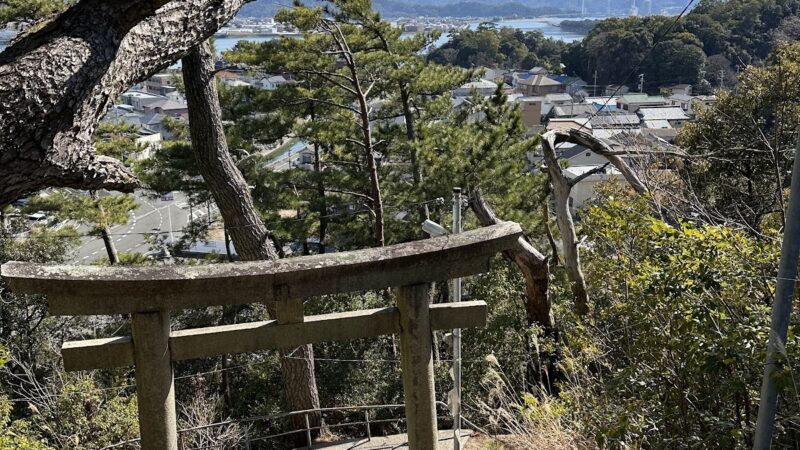
Hirai Castle was built on a hilly area located south of the Kinokawa River in the western part of Wakayama City. Situated on a hill approximately 50 meters above sea level, it was a strategically advantageous location overlooking the surrounding area. Even today, one can see a panoramic view of Wakayama city from the park’s hilltop, demonstrating the important role this castle played in monitoring and defending the surrounding area at the time.
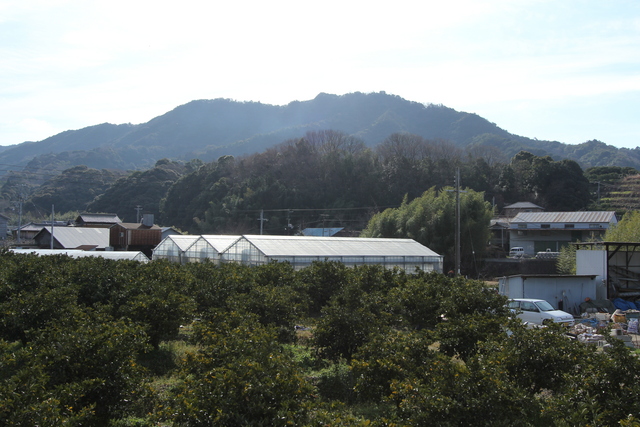
Located between the Kinokawa River and the Wakagawa River (Saika River), it was also a location that could take advantage of water transport. The Saika clan was skilled in maritime transport, and it is thought that they made the most of this geographical advantage.
Castle Scale and Structure
Hirai Castle was a medieval hilltop castle, differing in structure from early modern castles with large stone walls and keeps. It is presumed to have consisted primarily of earthworks and moats, with fences and walls added as needed.
The castles of the Saika clan are thought to have served more as bases supporting mobile guerrilla warfare than as permanent fortresses for confronting large armies. During Oda Nobunaga’s conquest of Kishu, multiple bases, including Hirai Castle, were coordinated to create a defensive network.
Current Remains
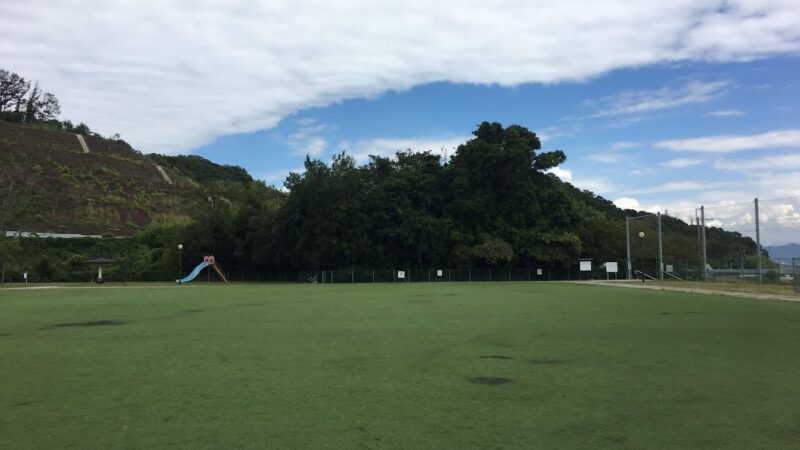
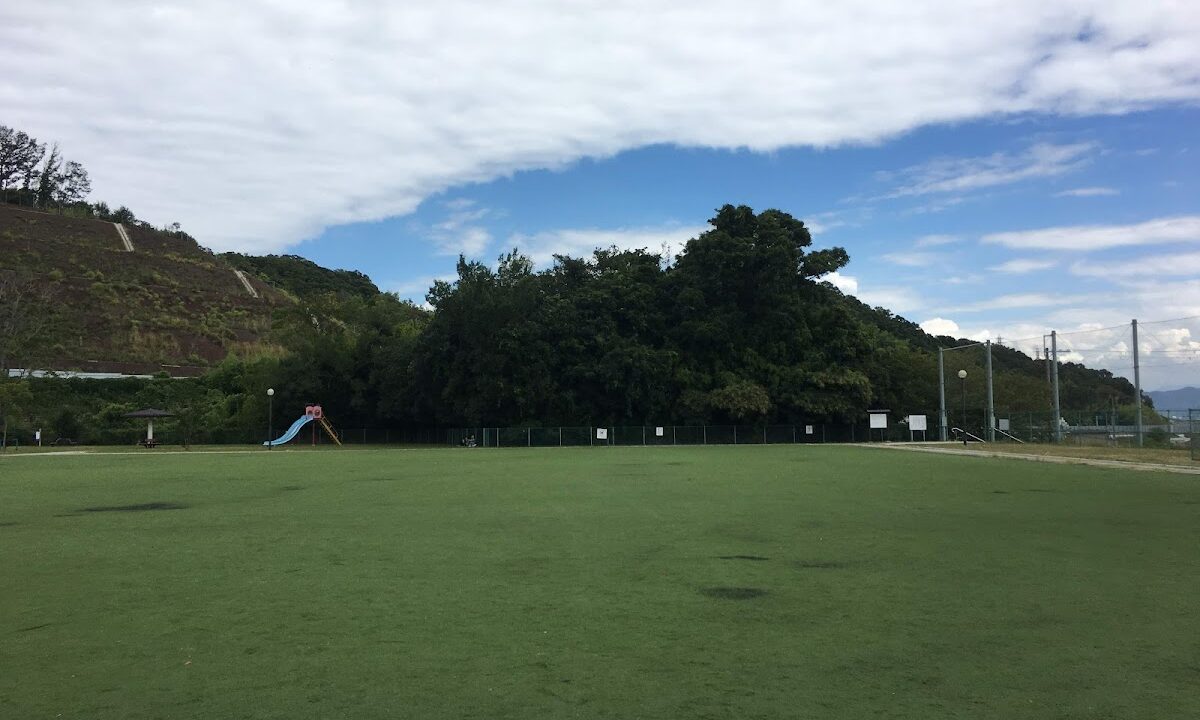
Unfortunately, there are almost no clear castle remains in the current Hirai Central Park. This is because the topography was altered during the park’s development. However, the elevation differences and topography of the park as a whole can give a sense of the former castle’s location.
Information boards about Hirai Castle are installed within the park, allowing visitors to learn about the castle’s history and the Saika clan. Furthermore, the nearby Suzuki Shrine has a memorial stone inscribed with “Hirai Magoichiro,” which is said to belong to Suzuki Magoichiro himself or a relative of his.
Highlights of Hirai Castle
Hirai Central Park
The Hirai Castle ruins are now maintained as “Hirai Central Park,” a place of relaxation for local residents. The park has playground equipment and open spaces, making it a popular destination for families.
From the park’s elevated area, you can overlook Wakayama city, and on clear days, even see the mountains of the Kii Mountains. While enjoying this view, you can reflect on the battles that took place here during the Sengoku period.
Information Boards and Explanations
Information boards explaining the history of Hirai Castle and the Saika-shu are installed within the park. You can learn more about the exploits of Suzuki Magoichiro, his battles with Oda Nobunaga, and the Sayaka legend.
These information boards are an important source of information for visitors to the castle ruins to understand the historical background. They are also popular photo spots.
Suzuki Shrine and Memorial Stone
Near the Hirai Castle ruins is the Suzuki Shrine, and within its grounds remains a memorial stone inscribed with “Hirai Magoichiro.” This stone is believed to have been erected to commemorate Suzuki Magoichiro himself or his family, and is an important historical site demonstrating the historical connection between Hirai Castle and the Suzuki clan.
The Suzuki Shrine continues to be revered as the local guardian deity, and visiting it in conjunction with the Hirai Castle ruins allows for a deeper understanding of the region’s history.
Hirai Historical Museum
Located within the “Wakayama City Hirai Fureai Center,” close to the Hirai Castle ruins, is the “Hirai Historical Museum,” which opened in April 2021. Here, you can learn more about the history of Hirai Castle through its extensive exhibits on the Saika-shu (a group of warriors).
Exhibition Contents
The Hirai Historical Materials Room features the following exhibits:
- Saika-shu Corner: Detailed exhibits on the history, organization, and firearms technology of the Saika-shu
- Suzuki Magoichi Related Materials: Panels and materials introducing the life and achievements of Magoichi
- Sayaka Legend: Exhibits on the relationship between Sayaka and the Saika-shu
- Hirai Ruins: Archaeological exhibits on the Hirai Ruins, where a Haniwa kiln from the Kofun period was discovered
Opening Information
- Opening Days: Monday to Saturday (excluding Sundays, national holidays, and December 29th to January 3rd)
- Opening Hours: 9:00 AM to 5:00 PM
- Admission Fee: Free
- Location: Inside the Hirai Fureai Center, Wakayama City
When visiting the Hirai Castle Ruins, we highly recommend stopping by this historical materials room to learn more about the history of the Saika-shu and Hirai Castle.
Access Information
Location
Hirai Central Park (Hirai Castle Ruins)
- Address: Hirai, Wakayama City, Wakayama Prefecture
Access by Public Transportation
By Bus
- From JR Wakayama Station:
- Take the Wakayama Bus bound for Narutaki Danchi
- Get off at the Kusumi Elementary School bus stop
- Transfer to the bus bound for Wakayama University Station West Exit
- Get off at the Hirai bus stop, approximately 7 minutes on foot
- From Nankai Wakayama City Station:
- Take the Wakayama Bus towards Hirai
- Get off at the Hirai bus stop, approximately 7 minutes on foot
Access by Car
- Hanwa Expressway: Approximately 15 minutes from Wakayama IC
- Parking: Parking available at Hirai Central Park (limited number of spaces)
Access to Hirai Historical Museum
The Hirai Historical Museum (located within the Hirai Fureai Center in Wakayama City) is within walking distance of the Hirai Castle ruins. If using public transportation, it’s approximately a 7-minute walk from the “Hirai” bus stop.
Nearby Tourist Attractions
Honganji Sagimori Betsuin
This is a Jodo Shinshu Honganji sect temple with deep ties to the Saika-shu. It’s an important site for understanding the historical background of the Saika-shu’s allegiance to the Honganji side during the Ishiyama War. Located in the heart of Wakayama City, visiting it in conjunction with the Hirai Castle ruins allows for a deeper understanding of the Saika-shu’s faith and history of battle.
Wakayama Castle
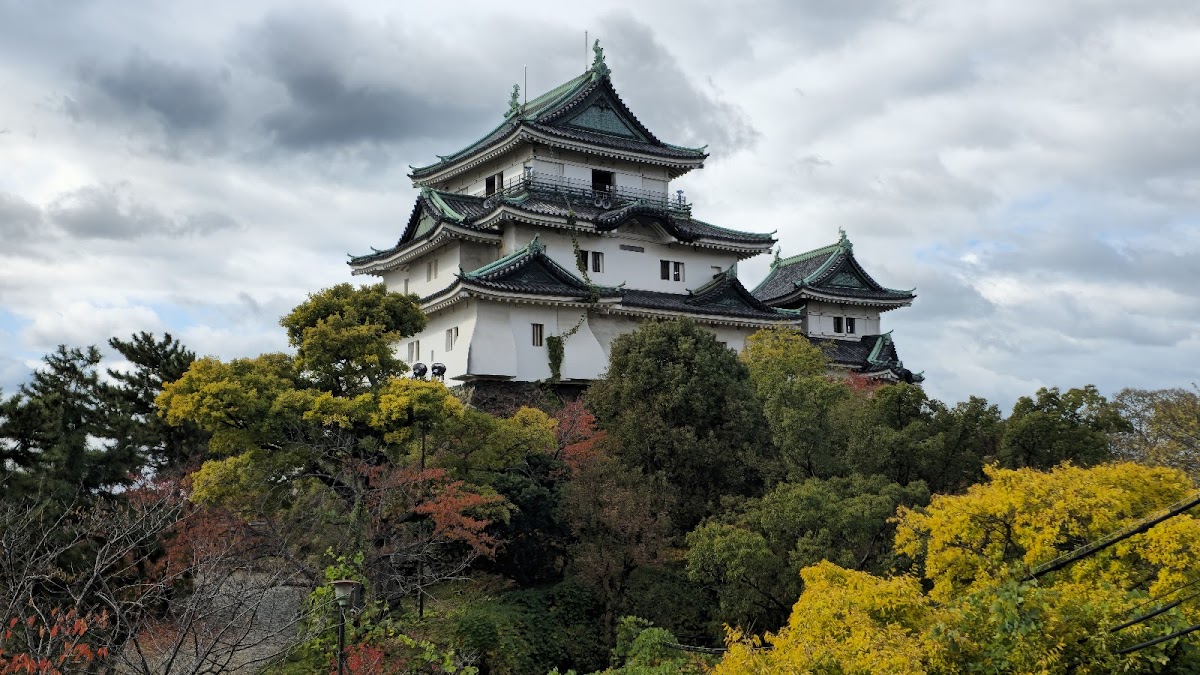
Wakayama Castle, known as the residence of the Kishu Tokugawa family, one of the three main branches of the Tokugawa clan, is located in the center of Wakayama City. Although from a different era than Hirai Castle, it’s a famous castle indispensable for understanding the history of castles in Kii Province. The view from the keep is magnificent, making it a classic Wakayama tourist spot.
Kishu Toshogu Shrine
One of the Toshogu shrines dedicated to Tokugawa Ieyasu, located near Wakayama Castle. Its magnificent shrine buildings are designated as a National Important Cultural Property, allowing visitors to appreciate the architectural beauty of the Edo period.
Wakaura
A scenic spot celebrated in the Manyoshu (an ancient collection of Japanese poetry), located in the southern part of Wakayama City. With its beautiful coastline and numerous historical shrines and temples, it’s an area where you can enjoy both nature and history.
Points to Note When Visiting Hirai Castle
Best Season for Visiting
Hirai Central Park is open year-round, but the following times are particularly recommended:
- Spring (March-May): During cherry blossom season, the park is beautiful, allowing visitors to enjoy cherry blossom viewing while strolling through history. The weather is mild, making it ideal for walks.
- Autumn (October-November): The autumn foliage is beautiful, and the cool weather makes it a pleasant season for walking. – Winter (December to February): The air is clear and the views are excellent, making the scenery from the park particularly beautiful.
Estimated Time Required
- Hirai Central Park Only: 30 minutes to 1 hour
- Including Hirai Historical Museum: 1 hour 30 minutes to 2 hours
- Including Surrounding Saika-related Historical Sites: Half a day to a full day
Photography Tips
- View from the Hilltop: The view of Wakayama city from the park’s hilltop is an excellent photo spot.
- Information Boards and Explanation Boards: The information boards regarding Hirai Castle and Sayaka are valuable as historical records conveying the historical background.
- Memorial Stone at Suzuki Shrine: The memorial stone for “Hirai Magoichiro” is a valuable historical artifact.
Precautions
- Hirai Central Park is adjacent to a residential area, so please be considerate of noise levels.
- Since no clear castle remains exist, the enjoyment of visiting will primarily come from imagining the history based on the information boards and surrounding environment.
- The Hirai Historical Museum is closed on Sundays and public holidays, so please check the opening days before visiting.
Historical Significance of the Saika-shu and Suzuki Magoichi
The Firearms Revolution of the Sengoku Period
The Saika-shu were one of the groups that most effectively utilized firearms, a new weapon, during Japan’s Sengoku period. While firearms were introduced to Japan by the Portuguese in 1543, the Saika-shu established firearm manufacturing techniques and operational tactics within just a few decades.
Their firearms technology was comprehensive, encompassing not only weapon handling but also manufacturing, repair, and improvement. This technical prowess made the Saika-shu a feared force among the Sengoku daimyo.
Confrontation with Oda Nobunaga
In his quest for national unification, Oda Nobunaga overwhelmed many opposing forces with his military power. However, he faced considerable difficulty in his battles against the Saika-shu. This was because the Saika-shu’s firearms technology and skillful guerrilla tactics were effective against Nobunaga’s large army.
The resistance of Suzuki Magoichi, based at Hirai Castle, inflicted heavy losses on the Oda army, making it difficult for Nobunaga to conquer Kii Province. This battle is an important historical example demonstrating that local armed groups could resist central authority.
Tradition of Local Autonomy
The Saika-shu were not a samurai group subservient to a single ruler, but rather a council-based organization of multiple influential families. This form reflects the regional characteristics of Kii Province and the autonomy of those engaged in commercial activities and shipping.
The history of the Saika-shu is also a story of local autonomy and resistance against centralized rule. Hirai Castle remains of significant importance today as a symbol of this tradition of local autonomy.
Summary
Hirai Castle (Wakayama City, Wakayama Prefecture) is a castle ruin that holds an important place in Japanese Sengoku period history as the base of the Saika-shu, the strongest musketeer group of the Sengoku period. The brave battles of the Saika-shu, who faced Oda Nobunaga’s large army under the outstanding leadership of Suzuki Magoichi, continue to fascinate many history enthusiasts.
Currently, the Hirai Castle ruins have been developed into Hirai Central Park, and while no clear castle remains exist, the view from the hilltop and the information boards allow visitors to experience the history of that time. Furthermore, the nearby Hirai Historical Museum has detailed exhibits on the Saika-shu, allowing visitors to learn about the rich history of the region.
Including its international historical connection to the Sayaka Legend, Hirai Castle is a place of cultural and historical value that goes beyond mere castle ruins. When visiting Wakayama City, be sure to visit the Hirai Castle ruins and experience the history and spirit of the Saika-shu of the Sengoku period.
It is relatively easy to access from downtown Wakayama City, and there are many other tourist attractions in the surrounding area. As part of a historical walk and an opportunity to learn about local culture, Hirai Castle Ruins is a place well worth visiting. Enjoy the peaceful park scenery today while imagining the drama of the Sengoku period that unfolded in this place through the information boards and the museum.