Complete Guide to Kurokawa Maruyama Castle (Kawasaki City, Kanagawa Prefecture): A Thorough Explanation of the Ancient Tokaido Beacon Station Site
Kurokawa Maruyama Castle is a castle site of unknown history located in Kurokawa, Asao Ward, Kawasaki City, Kanagawa Prefecture. Built on the northern edge of the Tama Hills, at the highest point in Kawasaki City, it is suggested that this castle may have functioned as an important communication base from ancient to medieval times. Currently, it is the Kurokawa Water Distribution Plant of the Kawasaki City Waterworks Bureau, and is not open to the public, but its historical value and the importance of its location have attracted the attention of castle enthusiasts.
Historical Background of Kurokawa Maruyama Castle
Relationship between the Ancient Tokaido and Beacon Stations
The most plausible theory regarding Kurokawa Maruyama Castle is that it was a communication base on the ancient Tokaido, connecting Sagami Province (present-day Hiratsuka City, Kanagawa Prefecture) and Musashi Province (present-day Fuchu City, Tokyo) from the Asuka period to the Heian period. During this period, under the Ritsuryo system (ancient Japanese legal and administrative system), a nationwide post station system was established, and beacon towers were set up along important highways.
Beacon towers were facilities that used smoke or fire to transmit information in emergencies, and were generally installed on high ground with good visibility. The location of Kurokawa Maruyama Castle, on the northern edge of the Tama Hills, offers an excellent vantage point, making it highly likely that it functioned as part of an ancient communication system.
Function as a Watchtower and Beacon Tower in the Medieval Period
Even in the medieval period, Kurokawa Maruyama Castle may have been used as a watchtower or beacon tower. From the Kamakura period to the Sengoku period, this region was the border area between Sagami and Musashi provinces, occupying a strategically important position.
The Kamakura Road ran to the west, a military and economically important transportation route. It is presumed that Kurokawa Maruyama Castle was used as a base for monitoring this road and transmitting information.
Theories of a connection to the Oyamada clan
Some historical documents suggest that Oyamada Nobuyuki, a vassal of Takeda Shingen and later a retainer of the Hojo clan, held a portion of the Oyamada estate, which included the area of Kurokawa. However, there is no reliable historical evidence to support this, and the details remain unclear.
The Oyamada clan was a powerful vassal of the Takeda clan, based in Kai Province (present-day Yamanashi Prefecture), and also held territories in Sagami and Musashi Provinces. If Kurokawa Maruyama Castle was under the control of the Oyamada clan, it is possible that it served as one of the Takeda clan’s front-line bases during their expansion into the Kanto region.
Location and geographical characteristics of Kurokawa Maruyama Castle
Highest elevation point in Kawasaki City
Kurokawa Maruyama Castle is located at the highest elevation point in Kawasaki City (approximately 130 meters above sea level). While this is not a high mountain, it is a strategically important location offering a wide view of the surrounding plains.
The Tama Hills are a hilly region stretching along the border between Tokyo and Kanagawa prefectures, and have long been a vital hub for human life and transportation. Kurokawa Maruyama Castle is located on the northern edge of these hills, at a junction connecting the Musashino Plateau and the Sagamino Plateau.
“Tama no Yokoyama” and the Manyoshu
This area is known as “Tama no Yokoyama,” a region mentioned in the Manyoshu, an ancient collection of Japanese poetry. Legend says that when border guards (sakimori) traveled from the eastern provinces to the capital, they looked back at their hometowns from this pass, hence the name “Sakimori Mikaeri no Toge” (Sakimori’s Farewell Pass).
The Manyoshu contains many poems by people from the eastern provinces who were conscripted as border guards, indicating that this region was an important transportation route from ancient times. Kurokawa Maruyama Castle is located precisely on this historical route.
Location in relation to major roads
Several important roads passed through the area around Kurokawa Maruyama Castle:
- Ancient Tokaido: An ancient main road connecting the capitals of Sagami and Musashi provinces
- Kamakura Kaido: A major medieval road connecting Kamakura to various locations
- Uryu Kurokawa Highway: A highway used from the Edo period to the modern era
- Tama Yokoyama Road: A historical route developed as a modern walking trail
The fact that Kurokawa Maruyama Castle is located at a point where these roads intersect and run parallel indicates that the castle was considered an important transportation hub.
Current status of Kurokawa Maruyama Castle site
Current status as Kurokawa Water Distribution Plant
Currently, the Kurokawa Maruyama Castle site is used as the “Kurokawa High-Level Water Distribution Reservoir” (Kurokawa Water Distribution Plant) by the Kawasaki City Waterworks Bureau. This water distribution plant is an important infrastructure facility responsible for supplying water to the high-altitude areas of Asao Ward, Kawasaki City.
Entry to the water distribution plant is strictly prohibited, and the general public cannot directly visit the castle ruins. Therefore, on-site investigations regarding the presence and state of preservation of remains are difficult.
Status of Remaining Remains
According to reports from multiple castle researchers and enthusiasts, no clear castle remains have been confirmed within the current water distribution plant. It is highly likely that the original terrain was significantly altered during the construction of the reservoir.
However, some parts of the outer perimeter of the water distribution plant and the surrounding terrain may retain traces of the past. Further academic investigations may lead to new discoveries.
Views from the Surrounding Area
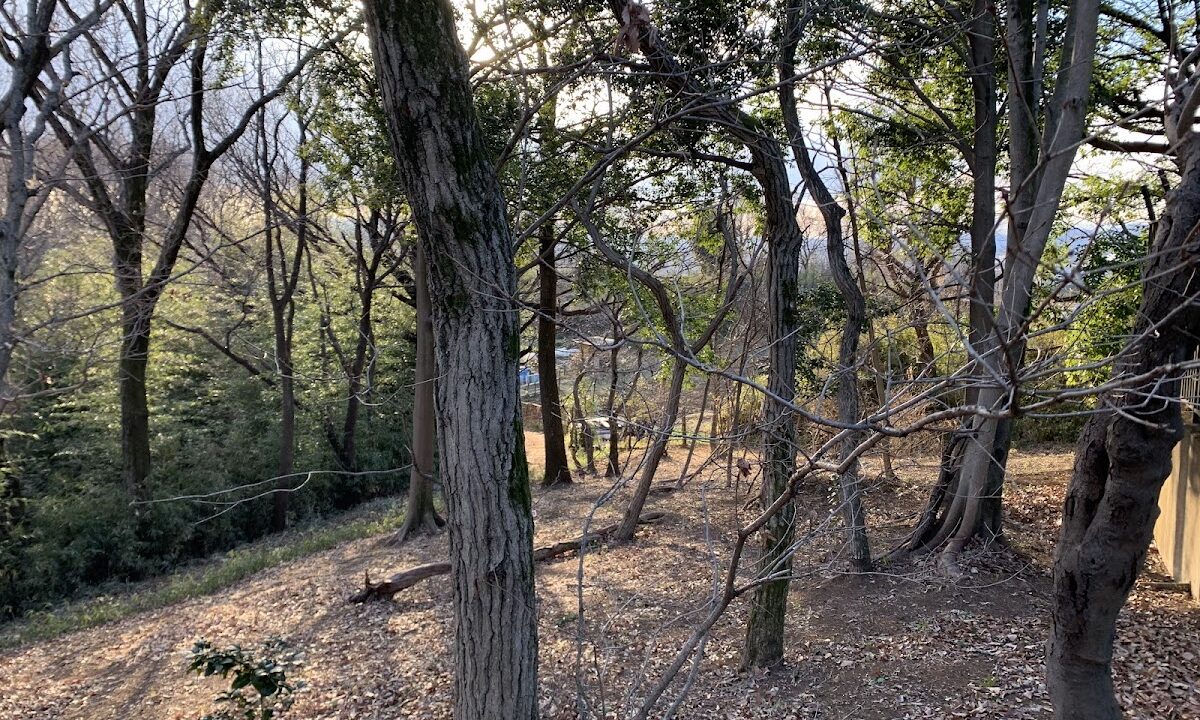
While entry into the water distribution plant is prohibited, it is possible to view the facilities from a distance from nearby areas such as the “Yokoyama no Michi” (Yokoyama Road). The water distribution plant facilities are visible on a hill topped with power line towers, giving a sense of how unobstructed the view was from the former castle site.
On a clear day, you can see the surrounding hills and distant mountains, making it clear that this was an ideal location for a beacon tower.
Access and Visiting Guide
Nearest Station and Access Method
Haruhino Station on the Odakyu Tama Line is the nearest station. It takes approximately 15-20 minutes on foot from the station to reach the castle ruins.
Access by Train
- From Shinjuku Station, take the Odakyu Line to Shin-Yurigaoka Station (approx. 30 minutes)
- Transfer to the Odakyu Tama Line at Shin-Yurigaoka Station and go to Haruhino Station (approx. 5 minutes)
Walking Route
From Haruhino Station, walk through the residential area towards the entrance of “Yokoyama no Michi” (Yokoyama Path). The route is relatively easy to follow as there are well-maintained signs.
Walking the Yokoyama Trail
The “Tama Yokoyama Trail” is a walking trail approximately 10 kilometers long that follows the ridgeline of the Tama Hills. The area around the Kurokawa Maruyama Castle ruins is also part of this trail, allowing you to enjoy hiking in a rich natural environment.
The trail is well-maintained, allowing you to enjoy the changing seasons. In spring, you can enjoy cherry blossoms; in summer, fresh greenery; in autumn, vibrant autumn leaves; and in winter, a stroll in the crisp, clean air.
Important Notes for Visitors
- Entry into the Water Distribution Plant is Strictly Prohibited: Due to safety and hygiene management concerns, entry into the water distribution plant is strictly prohibited.
- Viewing Only from the Perimeter: Viewing is limited to the perimeter of the water distribution plant and surrounding walking paths.
- Photography: Photography is permitted from public roads, but please refrain from taking detailed photos of the facility.
- Estimated Time Required: Approximately 30 minutes to 1 hour, including a stroll around the surrounding area.
Best Time to Visit
Visiting the Kurokawa Maruyama Castle Ruins is possible year-round, but the following times are particularly recommended:
- Spring (March-May): Beautiful cherry blossoms and fresh greenery, ideal for hiking.
- Autumn (October-November): Beautiful autumn foliage and mild weather.
- Winter (December-February): Clear air and excellent visibility.
Summer is hot and there are many insects, so precautions are necessary. Also, walking paths can become slippery in rainy weather, so caution is advised.
Nearby Attractions and Related Historical Sites
Uryu-Kurokawa Highway
This highway was used from the Edo period to the modern era, and a portion of it still remains as a road. It’s a valuable place where you can feel the atmosphere of a historical highway.
Sakimori Mikaeri Pass
This pass is said to be where the Sakimori warriors, as sung about in the Manyoshu (an ancient collection of Japanese poetry), looked back towards their hometowns. It’s a historical spot where you can connect with the feelings of people from ancient times.
Oyamada Green Space (Machida City, Tokyo)
A metropolitan park located close to Kurokawa Maruyama Castle, where you can enjoy the nature of the Tama Hills. It’s also a popular hiking course in conjunction with a visit to the castle ruins.
Wakabadai Park
A park close to Haruhino Station, offering panoramic views of the surrounding area from its observation deck. It’s helpful for understanding the location of Kurokawa Maruyama Castle.
Historical Significance of Kurokawa Maruyama Castle
As Part of an Ancient Communication System
The most important historical significance of Kurokawa Maruyama Castle is its potential role as part of an ancient Japanese communication system. The Ritsuryo state (ancient Japanese legal and administrative system) required an efficient information transmission system to govern the entire country, and beacon towers were a crucial element of this system.
Kurokawa Maruyama Castle, located on the route connecting the Sagami and Musashi provincial capitals, is thought to have functioned as a relay point in this communication network. The existence of such a facility provides valuable clues to understanding the ancient Japanese state governance system.
Military Base in Border Regions
In the medieval period, its location in the border region between Sagami and Musashi provinces suggests it may have also served as a military surveillance base. For the Kamakura Shogunate and Sengoku daimyo (feudal lords), monitoring border regions was a crucial issue, and elevated locations like Kurokawa Maruyama Castle were ideal lookout posts.
Importance of Local History Research
Castle ruins like Kurokawa Maruyama Castle, whose history is “unknown,” may seem to have little research value at first glance. However, in reality, they provide important clues to unraveling the history of the region.
Future archaeological investigations and the discovery of ancient documents may reveal new facts. Cherishing local history and protecting historical sites like these is crucial for preserving our cultural identity.
Log In
If you want to share the latest information and visitor records regarding Kurokawa Maruyama Castle, we recommend logging into castle-related websites and communities to exchange information. Sites like Kojodan allow you to view photos and impressions from actual visitors, which can be helpful when planning your visit.
By registering with your email address and password, you can record your visits and interact with other castle enthusiasts. Logging in will allow for a more fulfilling castle-visiting experience.
Add to “Want to Visit”
Adding Kurokawa Maruyama Castle to your “Want to Visit” list makes planning your visit easier. It’s useful when planning visit routes in conjunction with other castle ruins in the Kanto region, or when planning seasonal visits.
Kanagawa Prefecture has many castle ruins, including Odawara Castle, Ishigakiyama Castle, and Kawamura Castle. Visiting them together with Kurokawa Maruyama Castle will allow you to gain a deeper understanding of Kanagawa Prefecture’s castle history. Keeping a collection of visit records is also one of the joys of castle visiting. ## How to Enjoy Visiting Castles
Photography Tips
At Kurokawa Maruyama Castle, photography is limited as entry into the water treatment plant is restricted. However, you can enjoy taking photos at the following points:
- Distant view of the water treatment plant from Yokoyama Road
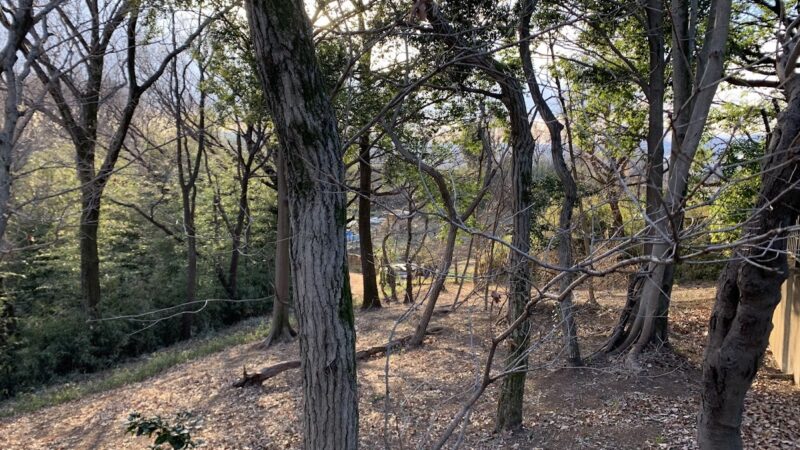
- Surrounding natural scenery
- Historical route of the Uryu-Kurokawa Highway
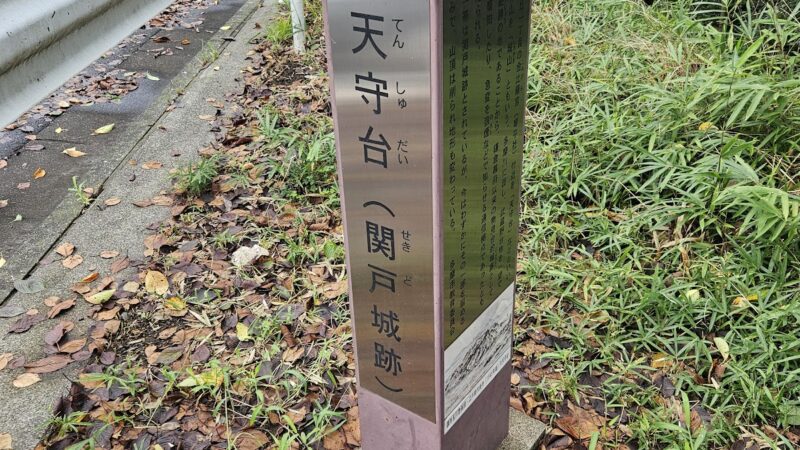
- Signposts and explanatory panels
The Joy of Imagining History
Even at castle ruins where no remains exist, you can imagine what it was like in the past from the location and surrounding environment. In the case of Kurokawa Maruyama Castle:
- Ancient people who lit beacons from this hilltop
- Watchdogs who monitored samurai and merchants traveling along the Kamakura Highway
- Young men from eastern Japan heading to the capital as border guards
Walking while imagining these historical scenes makes visiting castle ruins more meaningful.
Seasonal Expressions
The nature of the Tama Hills shows beautiful expressions in each of the four seasons. Even in the same place, you can enjoy completely different scenery depending on the season you visit. The allure of visiting castles lies in the fact that you can discover something new every time you visit.
Summary
Kurokawa Maruyama Castle, while its detailed history is unknown, is a historical site that is highly likely to have been an important communication and military base from ancient to medieval times. Currently, it is the Kurokawa Water Distribution Plant and cannot be directly visited, but by walking along the surrounding “Yokoyama no Michi” (Yokoyama Path), you can experience the location and historical importance of the former castle site.
Located at the highest point in Kawasaki City, overlooking important roads such as the ancient Tokaido and Kamakura Kaido, this castle played a vital role as a transportation and communication hub throughout history. Its continued role in supporting local infrastructure in the form of a water distribution plant is an interesting example of its continuity.
For castle enthusiasts, the lack of remaining structures is disappointing, but by experiencing its historical location and walking along the ancient path, it is a valuable place to feel the continuity of Japanese history. It is easily accessible from Haruhino Station and can be visited casually, so please consider visiting it as part of your Kanto region castle tour.