Kawamura Castle (Kanagawa Prefecture) Complete Guide: History and Highlights of the Prefecture’s Only Designated Mountain Castle
What is Kawamura Castle? The Complete Picture of a Medieval Mountain Castle Remaining in Yamakita Town, Kanagawa Prefecture
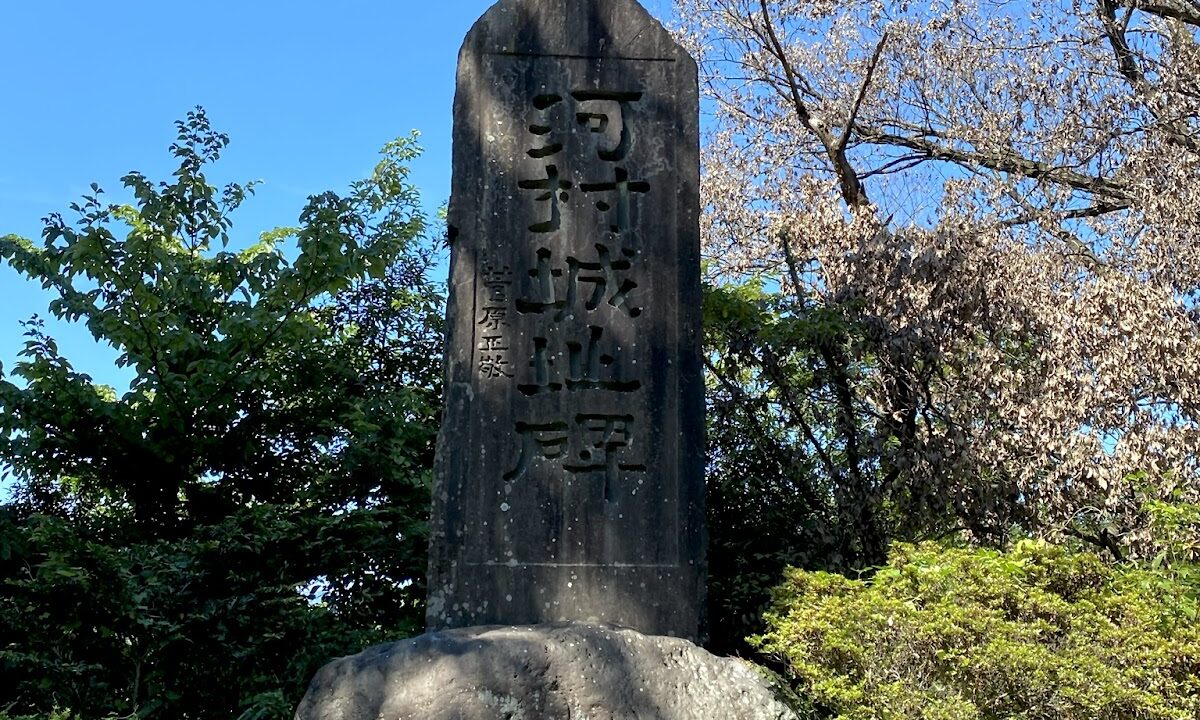
Kawamura Castle is a Japanese castle site located in Yamakita Town, Ashigarakami District, Kanagawa Prefecture. Built on a mountain 225 meters above sea level, this mountain castle defended a strategic point in western Sagami Province for approximately 400 years, from the late Heian period to the Sengoku period.
Currently, it is maintained as the “Kawamura Castle Ruins Historical Park,” and in 1996, it was designated as the only Kanagawa Prefecture-designated historical site among mountain castles. The vast castle grounds, spanning approximately 650 meters east-west and 350 meters north-south, preserve well-preserved remains such as shoji-bori (screen-like moats), une-bori (ridged moats), karabori (dry moats), and kuruwa (enclosures), characteristic of Sengoku period mountain castles, making it a valuable historical site for learning about the history of medieval Japanese castles.
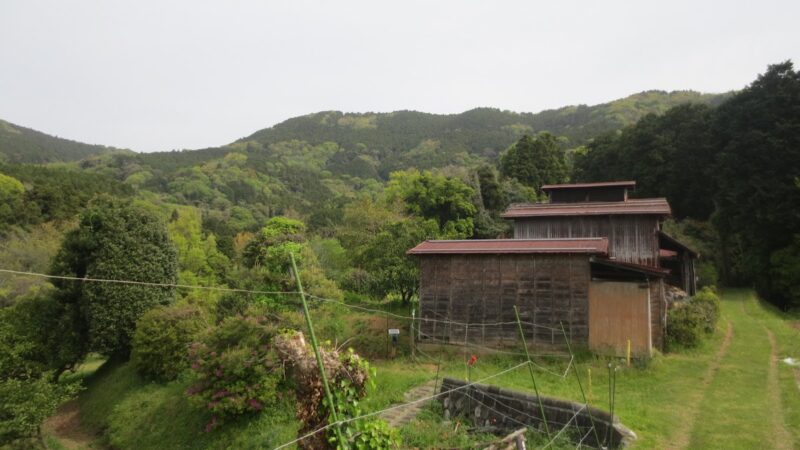
Located at the northwestern edge of the Ashigara Plain, surrounded by the Sakawa River to the west and south, and the former Minase River to the north, Kawamura Castle was situated in a naturally fortified location. It played a crucial role in monitoring the strategic point where the borders of Sagami, Kai, and Suruga provinces intersected. On a clear day, the castle ruins offer a panoramic view of the Ashigara Plain and Sagami Bay, demonstrating the importance the castle’s lord considered this location to be.
History of Kawamura Castle: From the Heian Period to Toyotomi Hideyoshi’s Siege of Odawara
Late Heian Period: Construction by the Kawamura Clan
The history of Kawamura Castle dates back to the late Heian period. The Kawamura clan, believed to be the castle’s builders, began when Hidetaka, son of Hatano Toyoshi (a relative of Fujiwara no Hidesato), was granted the land of present-day Yamakita and adopted the name Kawamura. Kawamura Hidetaka is said to have followed Minamoto no Yoshitomo during the Hogen Rebellion of 1156, and was granted the Yamakita region as a reward for his service.
The Kawamura clan ruled this area for generations, expanding their power from the late Heian period to the Kamakura period. Kawamura Castle was not merely a military base, but also served as the Kawamura clan’s residence and the center of regional control. It is believed to have followed the typical usage pattern of a medieval mountain castle, with the clan residing at the foot of the mountain and taking refuge in the fortified mountaintop during wartime.
Nanboku-cho Period: Surviving a Turbulent Era
During the Nanboku-cho period, Kawamura Castle came to the forefront of history. During the turbulent Nanboku-cho period, the Kawamura clan sided with the Southern Court and engaged in fierce battles against the Northern Court’s generals. Records show that in 1346, Hatakeyama Kunikiyo, a Northern Court general, led an attack on Kawamura Castle.
During this period, Kawamura Castle functioned as an important base for the Southern Court in western Sagami Province and became a focal point of the struggle for control of the Ashigara region. It is believed that the military importance of Kawamura Castle increased further throughout the Nanboku-cho period (Northern and Southern Courts period), and its fortifications were further developed.
Sengoku Period: From the Kanto Kanrei Uesugi Clan to the Hojo Clan
With the arrival of the Sengoku period (Warring States period), the rulers of Kawamura Castle changed rapidly. Initially under the influence of the Kanto Kanrei Uesugi clan, it later became the possession of the Omori clan, and finally became a branch castle of the Odawara Hojo clan.
For the Hojo clan, Kawamura Castle was an important defensive base to prepare for attacks from the Takeda clan of Kai Province. When Takeda Shingen began his invasion of Suruga Province, the strategic value of Kawamura Castle as a defensive line in western Sagami Province increased dramatically. The Hojo clan carried out large-scale renovation work to strengthen the castle’s defenses. The advanced defensive structures, such as the shoji-bori and une-bori moats visible today, are believed to have been constructed during this period.
1590 (Tensho 18): Toyotomi Hideyoshi’s Siege of Odawara and the Castle’s Demolition
The history of Kawamura Castle comes to an end with Toyotomi Hideyoshi’s siege of Odawara in 1590 (Tensho 18). When Hideyoshi’s large army invaded the Kanto region, Kawamura Castle was also attacked and fell. With the downfall of the Odawara Hojo clan, Kawamura Castle was abandoned, bringing an end to its approximately 400-year history as a mountain castle.
After its abandonment, the castle ruins were left neglected for a long time and were used as an orange grove until recently. However, valuable castle remains were found in excellent condition beneath the ground, and have been preserved to this day.
The Birth of Kawamura Castle Ruins Historical Park: Excavation and Development Project
From 1989 (Heisei 1) to 1994 (Heisei 6), Yamakita Town spent six years conducting a full-scale investigation and research of the Kawamura Castle ruins and developing it as a historical park. This archaeological excavation uncovered numerous valuable remains that reveal the true nature of a mountain castle from the Sengoku period, leading to a renewed recognition of Kawamura Castle’s historical value.
The excavation confirmed a variety of castle structures, including a group of baileys centered around the main enclosure (honmaru), shoji-bori (screen-like moats), une-bori (ridged moats), horikiri (ditches), earthworks, koguchi (castle entrances), and bridge pier remains. Of particular note was the discovery of a shoji-bori, one of the largest in Kanagawa Prefecture. A shoji-bori is a sophisticated defensive structure featuring earthen partitions (shoji) within a moat to prevent enemy intrusion, and is known as a characteristic feature of Hojo clan castles.
In May 1994, based on these research findings, the “Kawamura Castle Ruins Historical Park” officially opened. Within the park, major remains have been restored and maintained, allowing visitors to experience firsthand the appearance of a Sengoku period mountain castle. In 1996, Kawamura Castle became the first and only mountain castle in Kanagawa Prefecture to be designated a Prefectural Historic Site, officially recognizing its historical and academic value.
Highlights of Kawamura Castle: Experience the remains of a Sengoku period mountain castle
Kanagawa Prefecture’s Largest Shoji-bori Moat
The greatest highlight of Kawamura Castle ruins is undoubtedly its Shoji-bori moat, the largest in Kanagawa Prefecture. A Shoji-bori moat is a special type of moat with a grid of earthen partitions (shoji) at the bottom, a sophisticated defensive technique designed to prevent enemies from moving freely even if they entered the moat.
The Shoji-bori moat at Kawamura Castle is believed to have been constructed when the Hojo clan renovated the castle, and is a typical feature found in major Hojo castles such as Odawara Castle and Yamanaka Castle. Currently, the Shoji-bori moat has been restored and maintained within the park, allowing visitors to observe its complex structure up close. The sight of the approximately 3-meter-deep, 6-meter-wide moat, with its regularly spaced earthen partitions approximately 2 meters high, is truly impressive, showcasing the advanced castle-building techniques of the Sengoku period.
Unebori and Horikiri
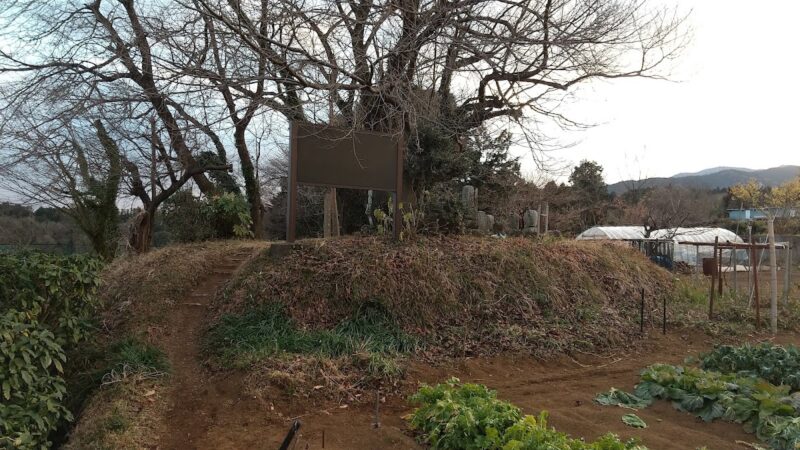
Along with the shoji-bori (screen-like moat), another noteworthy feature is the unebori, a type of defensive structure. Unebori consisted of multiple moats dug perpendicular to the slope, serving to restrict the movement of enemies attempting to climb the slope. At Kawamura Castle, the remains of unebori have been confirmed on the southern slope of the castle, and a portion of them has been restored.
Furthermore, the horikiri (dry trenches) separating each enclosure within the castle are also well-preserved. Horikiri were moats dug to cut across ridges, limiting enemy incursion routes and facilitating defense. Multiple horikiri have been identified at Kawamura Castle, illustrating the complexity of the castle’s defensive structure.
Main Enclosure (Honmaru) and Enclosures
The main enclosure, the central part of the castle, is located on the mountaintop at an altitude of 225 meters. From the main enclosure, you can enjoy a panoramic view of the Ashigara Plain and Sagami Bay, and on clear days, you can even see Mount Fuji and the Hakone Mountains. This excellent view indicates that the castle was built in an ideal location for monitoring and controlling the surrounding area.
Around the main enclosure, several enclosures, such as the second and third enclosures, are arranged in a stepped pattern, forming a multi-layered defensive structure. Each enclosure is separated by earthworks and moats, creating a system where enemies would have to break through multiple lines of defense to reach the main enclosure. Currently, these enclosures have been maintained and walking paths have been created, allowing visitors to explore and understand the castle’s structure.
Bridge Pier Remains and Entrance
The bridge pier remains discovered during archaeological excavations are one of the valuable discoveries of Kawamura Castle. These remains are the bridge piers of a wooden bridge used to cross the moat, providing important evidence of how the castle was accessed at the time. Currently, a bridge has been restored within the park, allowing visitors to experience the entrance route to the castle during the Sengoku period.
Multiple castle entrances (koguchi) have been identified, and their structures reveal ingenious methods to prevent enemy intrusion. In particular, the entrance to the main enclosure is a “staggered entrance” designed to prevent direct advancement, demonstrating its high defensive capabilities.
The Legend of the Princess’s Well
The castle ruins also include the remains of a well known as “the Princess’s Well.” A sad legend concerning Kawamura Castle is associated with this well. It is said that when the castle fell, the lord’s princess threw herself into this well, making it a place that evokes a sense of local history and romance. In reality, this well is thought to have functioned as an important water source within the castle, supporting life during sieges.
Access to Kawamura Castle Ruins and How to Visit
Access by Public Transportation
The nearest station to Kawamura Castle Ruins Historical Park is Yamakita Station on the JR Gotemba Line. If walking from Yamakita Station, it takes approximately 30 to 40 minutes to reach the castle ruins entrance. The route is relatively easy to follow, as there are signs from the station to the castle ruins.
From Yamakita Station, there is a gentle uphill slope, but along the way you can enjoy the scenery of Yamakita town and the Sakawa River. For those who have difficulty walking or wish to save time, you can take a taxi from Yamakita Station. A taxi will take you to near the castle ruins in about 10 minutes.
Access by Car
If traveling by car, it takes approximately 20 minutes from the Tomei Expressway Oi-Matsuda Interchange via National Route 246, or approximately 30 minutes from the Gotemba Interchange. There is a dedicated parking lot near the castle ruins, which is free of charge. The castle ruins entrance is just a few minutes’ walk from the parking lot.
If using a car navigation system, it is recommended to set “Kawamura Castle Ruins Historical Park” or “Yamakita Town Yamakita Junior High School” as your destination. The castle ruins are located south of the junior high school.
Walking Tips and Estimated Time Required
For a walk through Kawamura Castle Ruins Historical Park, allow approximately 1 to 1.5 hours at a standard pace. While the path to the main keep is well-maintained, as it is a mountain castle, we recommend wearing appropriate athletic shoes and comfortable clothing.
The park offers multiple walking routes, allowing you to choose according to your fitness level and interests. From shorter courses that efficiently visit the main remains to more in-depth explorations of the entire castle grounds, various ways to enjoy the site are possible. Information boards are placed throughout, allowing you to learn about the castle’s history and remains as you walk.
How to Enjoy Kawamura Castle Ruins: The Mountain Castle Boom and History Fans
In recent years, a mountain castle boom has swept across Japan, and Kawamura Castle Ruins has attracted the attention of history fans and castle enthusiasts. In particular, the well-preserved remains unique to the Hojo clan, such as the shoji-bori (paper screen moat), have made it an important field for castle research.
On weekends, many visitors from within and outside the prefecture come to the site, taking photos of the ruins with their cameras and enjoying sketching. Guided tours by historical guides are also regularly held, allowing visitors to gain a deeper understanding of Kawamura Castle’s history and charm by exploring the castle ruins while listening to expert explanations.
The Castle Ruins and Nature in Every Season
Kawamura Castle Ruins Historical Park is a spot where you can enjoy not only historical ruins but also nature in every season. In spring, cherry blossoms bloom, and in the season of fresh greenery, the lush mountain castle landscape unfolds. In autumn, the autumn leaves are beautiful, and in winter, the clear air provides the best views of the distant landscape.
Yamashita Town is also certified as a “Forest Therapy Base,” and the forest environment around Kawamura Castle Ruins is ideal for refreshing both mind and body. The fact that you can enjoy historical walks and nature walks at the same time is a major attraction of Kawamura Castle Ruins Historical Park.
Attractiveness as a Photography Spot
Kawamura Castle Ruins is also a popular photography spot. The restored moat and bridge, as well as the views from the main enclosure, offer numerous picturesque spots. The contrast of light and shadow is particularly beautiful during sunrise and sunset, making for dramatic photographs.
In recent years, drone aerial photography has also been conducted, providing valuable insights into the castle’s structure and its relationship to the terrain. However, it’s important to note that permission from Yamakita Town is required before conducting drone photography.
Other Castle Ruins and Historical Spots in Yamakita Town
Besides Kawamura Castle, several other castle ruins exist in Yamakita Town. Small mountain castle ruins, thought to be branch castles or outposts of Kawamura Castle, are scattered throughout the town, serving as important historical sites indicating the sphere of influence of the Kawamura clan.
Yamakita Town is rich in historical heritage from the medieval to early modern periods. Visiting these ruins along with Kawamura Castle will allow for a deeper understanding of the region’s history. A historical museum is located near Yamakita Station, where you can view exhibits on Kawamura Castle and the history of Yamakita Town.
Practical Advice for Visiting Kawamura Castle
Best Time of Year and Day for Visiting
Kawamura Castle Ruins Historical Park is open year-round, but the best time to visit is spring (late March to May) and autumn (October to November). The weather is mild during these times, making long walks comfortable. Summer temperatures are high and insects are abundant, so adequate insect repellent and hydration are necessary. Winter offers clear air and excellent views, but be sure to dress warmly.
As for the time of day, early morning is recommended. You can explore the main ruins before the sun gets too strong, and enjoy the castle ruins at a leisurely pace when there are fewer people.
What to Bring and Wear
For exploring the mountain castle, we recommend the following items and clothing:
- Athletic shoes or trekking shoes (with non-slip soles)
- Comfortable clothing (long sleeves and long pants are preferable)
- Hat and sunscreen
- Drinking water
- Towel
- Camera
- Binoculars (for enjoying the view)
- Insect repellent (spring to autumn)
- Rain gear (in case of unstable weather)
Precautions
The castle ruins are a valuable cultural asset and a prefecturally designated historical site. Damaging the remains or collecting plants is strictly prohibited. Please take all your trash with you and cooperate in preserving the natural environment.
As it is a mountain castle, there are areas with uneven footing. It becomes especially slippery during and after rain, so please be very careful while exploring. If you are with small children, please pay special attention to their safety and keep a close eye on them.
Kawamura Castle: Demonstrating Sengoku Period Castle Construction Technology
The Kawamura Castle ruins are an important historical site that demonstrates the development of castle construction technology during the Sengoku period. In particular, the remains after the Hojo clan’s renovations reflect the cutting-edge castle construction techniques of the late 16th century.
Complex defensive structures such as shoji-bori (screen-like moats) and une-bori (ridged moats) are products of a new defensive philosophy adapted to the widespread use of matchlock guns. While conventional simple dry moats allowed enemy soldiers to move freely within the moat, shoji-bori made movement extremely difficult, leaving defenders vulnerable to attacks.
Furthermore, the layout of the baileys and the structure of the gates show ingenious designs designed to efficiently defend against enemy attacks. These techniques are common features found in major Hojo clan castles such as Odawara Castle and Yamanaka Castle, making Kawamura Castle a valuable resource for learning about Hojo clan castle construction techniques.
Preservation Activities of Kawamura Castle Ruins in Collaboration with the Community
The maintenance and management of Kawamura Castle Ruins Historical Park requires the cooperation of Yamakita Town and local residents. Regular grass cutting, cleaning, and preservation work on the ruins are carried out, with local volunteer groups actively participating.
Yamakita Town positions Kawamura Castle Ruins as an important local tourist resource and is focusing on its preservation and utilization. Various initiatives are undertaken, including holding history lectures and walking events, and disseminating information through brochures and websites.
Furthermore, Kawamura Castle is used as an important teaching material in local school education, providing a place for children to learn about local history. Through these community-wide efforts, Kawamura Castle Ruins has become not merely a historical site, but an important entity that forms the identity of the region.
Summary: Historical Value and Modern Significance of Kawamura Castle
Kawamura Castle was a mountain castle that protected a strategic point in western Sagami Province for approximately 400 years, from the late Heian period to the Sengoku period. As the only mountain castle in Kanagawa Prefecture designated as a prefectural historical site, its historical and academic value is highly regarded.
In particular, the remains after the renovations by the Hojo clan during the Sengoku period are valuable historical materials that demonstrate the most advanced castle-building technology of the time, and defensive structures such as shoji-bori and une-bori have attracted national attention. Currently, the castle ruins, developed as Kawamura Castle Ruins Historical Park, are a beloved place not only for history buffs and castle enthusiasts but also for those who enjoy nature walks.
By visiting Kawamura Castle Ruins, you can experience the reality of a mountain castle from the Sengoku period and connect with the history of the region. The panoramic views of the Ashigara Plain and Sagami Bay, the changing seasons, and the traces of human activity from over 400 years ago—all of these contribute to the charm of Kawamura Castle Ruins.
When visiting Kanagawa Prefecture, be sure to visit Kawamura Castle Ruins Historical Park in Yamakita Town and experience the historical romance from the medieval to the Sengoku period. This mountain castle, the only designated historical site in the prefecture, is sure to transport you back in time to the Sengoku period.