Katsuragaoka Chashi (Abashiri City, Hokkaido) Complete Guide: History, Structure, Access, and Highlights Explained in Detail
What is Katsuragaoka Chashi?
Katsuragaoka Chashi is an Ainu historical site located in Katsura-cho, Abashiri City, Hokkaido. Built on a hill approximately 40 meters above sea level overlooking the Sea of Okhotsk, it is known as one of the fortresses or sacred sites called “chashi” in the Ainu language.
This site is also known as “Charanke Chashi,” and was an important place where Ainu people met for trade, rituals, and charanke (negotiations). It was designated a national historical site in 1935 (Showa 10) and is currently maintained and preserved as “Katsuragaoka Park.”
Other Names for Katsuragaoka Chashi
Katsuragaoka Chashi has several names in the Ainu language.
- Ishimeshinai Chashi: Meaning “a fort in a ravine where dogs bark at bears.”
- Rinnaisanoputsun Chashi: Meaning “a fort at the mouth of the Abashiri River on the seaward side.”
- Charanke Chashi: A fort where negotiations (charanke) took place.
These names indicate the geographical features and function of the location, providing clues to how the Ainu people perceived this land.
What is a Chashi?
Definition and History of Chashi
“Chashi” is an Ainu word meaning “fence” or “fort,” and is a general term for structures built by the Ainu people. Approximately 700 chashi have been identified in Hokkaido, and they are believed to have been mainly constructed between the 16th and 18th centuries.
Tsunekichi Kono, a researcher of Hokkaido history during the Meiji era, summarized old records such as the *Tsugaru Ittōshi*, the *Matsumae Shi* (completed in 1781), the *Tōyūki* (completed in 1784), the *Oshima Hikki* (completed in 1808), and the *Higashi Ezo Nisshi Nanahen* (published in 1873), concluding that “there is absolutely no doubt that it is an Ainu fort,” thus positioning the chashi as an “Ainu fortress.”
Uses of Chashi
While various views have been expressed among researchers regarding the uses of chashi, they are generally believed to have had the following functions:
- Military Base (Fort/Watchtower): Facilities for defense and surveillance against external enemies
- Site of Rituals: Sacred sites for rituals and prayers
- Trading Place: Places where different groups exchanged goods
- Charanke (Negotiation) Place: Places for resolving conflicts and negotiating
- Cemetery: Places for burying the dead
Katsura-ga-oka Chashi, in particular, is thought to have played an important role as a place of negotiation, trade, and ritual, as indicated by its alternative name, “Charanke Chashi.”
Structure and Classification of Chashi
Chashi are classified into several types based on their structure and location.
Classification by Location:
- Hilltop Type: Built on the top of a hill or plateau
- Tip Type: Built on the tip of a cape or peninsula
- Cliffside Type: Built on a cliff along the coast or riverbank
- Plain Type: Built on plains
Classification by Structure:
- Moat Type: Surrounded by a moat (ditch)
- Earthwork Type: Enclosed by an earthwork made of piled-up earth
- Combined Type: A combination of a moat and an earthwork
Katsura-ga-oka Chashi is classified as a “Cliffside Type,” built on a hill facing the Sea of Okhotsk, and features a highly defensible structure that utilizes the natural terrain.
History of Katsuragaoka Chashi
Construction Period and Background
The exact construction date of Katsuragaoka Chashi is unclear, but since many chashi (fortified settlements) in Hokkaido were built between the 16th and 18th centuries, it is estimated that Katsuragaoka Chashi was also built during the same period.
This period corresponds to the Sengoku period and early Edo period in Honshu, a time of the establishment of the Matsumae Domain and the increased trade between the Ainu and the Wajin (immigrants from Honshu). Within Ainu society, inter-group interaction and conflict increased, and chashi came to play an important role.
Ainu Culture in the Abashiri Region
The Abashiri region faces the Sea of Okhotsk and was blessed with abundant marine resources. The Ainu people lived a life centered on fishing for salmon, trout, and herring, and had established trade routes with inland areas.
Katsuragaoka Chashi, located near the mouth of the Abashiri River, was situated at a crucial transportation hub connecting the sea and the river, and is believed to have been an important center for trade and information exchange.
Preservation and Research in the Modern Era
During the Meiji era and subsequent development of Hokkaido, many chashi (fortified settlements) were destroyed or converted into farmland. However, Katsuragaoka Chashi was preserved in relatively good condition and was designated a national historic site in 1935 (Showa 10).
This designation legally protected Katsuragaoka Chashi, and it has been preserved as an important historical heritage site to this day. After the war, archaeological surveys were conducted, and it has become an important resource for Ainu cultural research.
Structure and Remains of Katsuragaoka Chashi
Location and Topography
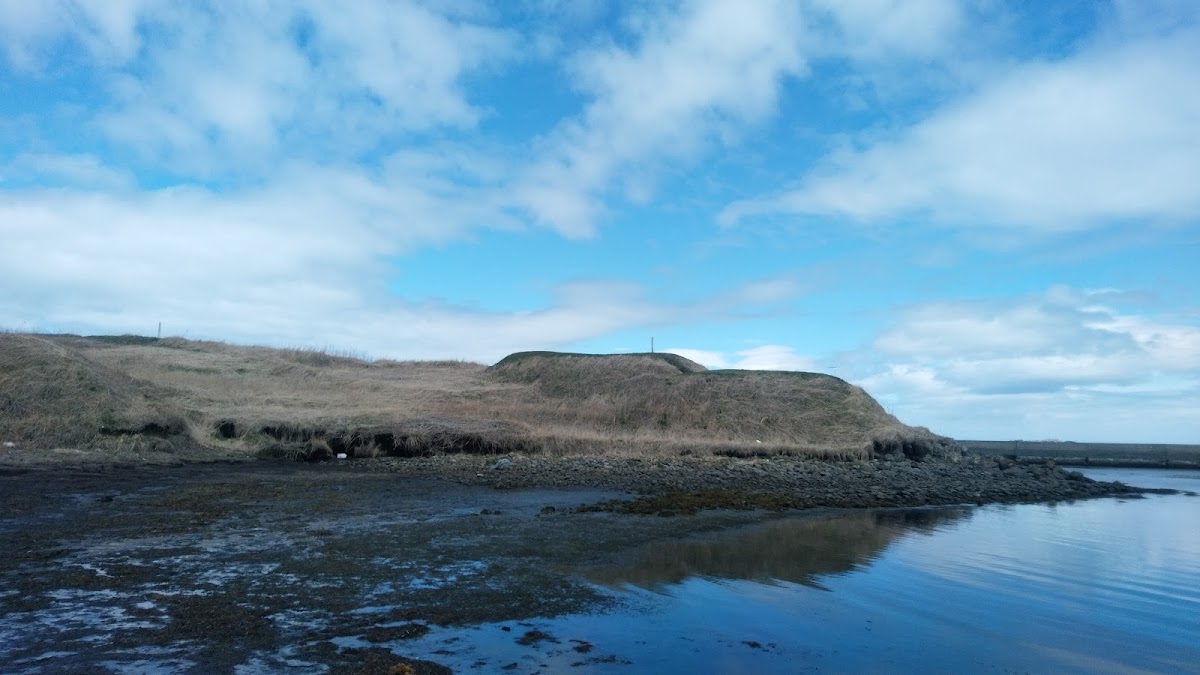
Katsuragaoka Chashi is located on a hill approximately 40 meters above sea level, overlooking the Sea of Okhotsk. This location offered the following advantages:
- Securing Visibility: Offers a wide view of the sea and surrounding area.
- Defensiveness: The seaward side is a cliff, making it a natural stronghold.
- Transportation Hub: Located near the mouth of the Abashiri River, it is a point of contact between sea and land routes.
Shape and Scale of the Remains
The remains of Katsuragaoka Chashi were built utilizing the flat area of a hill. Detailed structural features have been confirmed through on-site surveys and literature, including the following:
- Flat Surface: A plaza where rituals and gatherings are thought to have taken place.
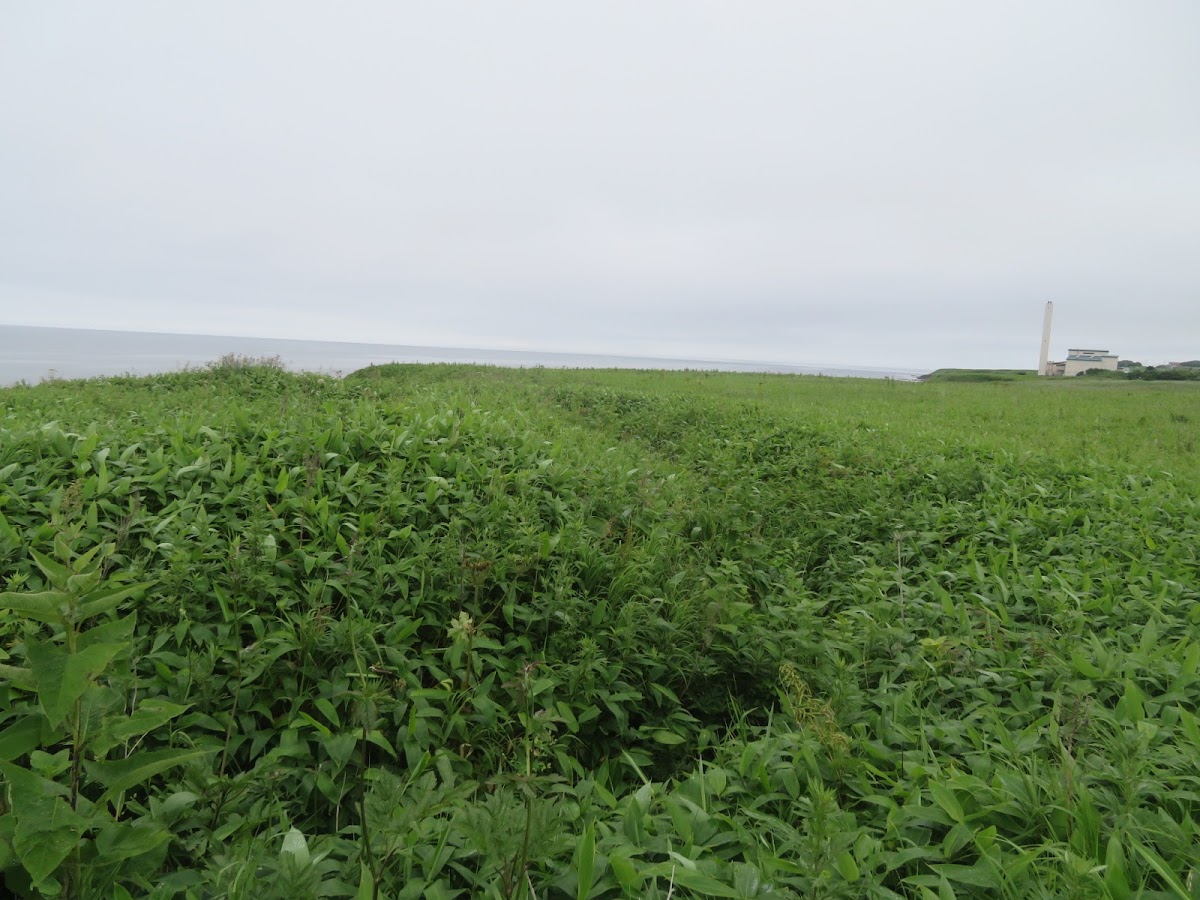
- Traces of Moats and Earthworks: Remnants of defensive facilities (some parts are unclear due to weathering and maintenance).
- View: A location offering a panoramic view of the Sea of Okhotsk and Abashiri city.
Although it is difficult to confirm the details of the remains from the past due to the current park development, the historical value of the location itself remains unchanged.
Excavated Artifacts
Artifacts from the Ainu cultural period have been excavated from Katsuragaoka Chashi and its surrounding area. These include the following:
- Pottery Fragments: Fragments of pottery used by the Ainu people
- Stone Tools: Stone tools such as arrowheads and stone axes
- Iron Products: Some iron tools obtained through trade with the Japanese
These artifacts provide clues to the life and culture of the time when Katsuragaoka Chashi was actually in use.
Katsuragaoka Park Today
Park Development
Katsuragaoka Chashi has now been developed as “Katsuragaoka Park” and is open to citizens and tourists. The park contains the following facilities:
- Observation Deck: Offers panoramic views of the Sea of Okhotsk and Abashiri city.
- Walking Path: Well-maintained paths for easy strolling.
- Information Board: Signboards explaining the history and structure of Katsuragaoka Chashi.
- Rest Area: Benches and other amenities are provided.
The park is a place where you can enjoy nature throughout the seasons. Cherry blossoms in spring, lush greenery in summer, autumn leaves in fall, and snowscapes in winter – it shows different faces depending on when you visit.
The Magnificent View
One of the greatest attractions of Katsuragaoka Park is its view. You can see the vast expanse of the Sea of Okhotsk, and on clear days, you can even see the Shiretoko Peninsula. You can also see Abashiri city, the Abashiri River, and Lake Notori, making it an ideal place to understand the geography of Abashiri.
Especially at sunset, the beautiful sunset over the Sea of Okhotsk makes it a popular spot visited by many people.
Access to Katsuragaoka Chashi
Location
Address: 1-chome, Katsura-cho, Abashiri City, Hokkaido
Transportation
By Train/Bus:
- Approximately 20 minutes on foot from JR Abashiri Station
- Buses are also available from Abashiri Station (bound for Katsura-cho)
By Car:
- Approximately 20 minutes from Memanbetsu Airport
- Approximately 5 minutes from central Abashiri City
- Parking available (free)
Visiting Information
- Admission Fee: Free
- Opening Hours: Open 24 hours (as a park)
- Estimated Visiting Time: Approximately 30 minutes to 1 hour
- Best Time to Visit: Spring to Autumn (Winter may be difficult to walk due to snow)
Highlights of Katsuragaoka Chashi
Historical Value
Katsuragaoka Chashi is a valuable historical site that conveys the history and culture of the Ainu people to the present day. Especially as its alternative name, “Charanke Chashi,” suggests, it likely functioned as a place for dialogue and negotiation rather than armed conflict, providing important evidence of the Ainu society’s tradition of peaceful conflict resolution.
Cultural Significance
In Ainu culture, chashi were not merely military facilities, but also spiritual and social centers. Katsuragaoka Chashi also served as a sacred site for rituals and ceremonies, making it an important place for understanding the Ainu worldview and beliefs.
Educational Value
Katsuragaoka Chashi is an excellent resource for learning about the history of the Ainu, the indigenous people of Hokkaido. Visiting the site allows for a more tangible learning experience than what can be gained from textbooks or books. Experiencing the location and views, in particular, helps to understand why the chashi was built in this place.
Nearby Tourist Attractions
When visiting Katsuragaoka Chashi, we recommend also visiting nearby tourist attractions.
Abashiri Prison Museum
This museum preserves and displays the building of Abashiri Prison, constructed during the Meiji era. You can learn about the history of Hokkaido’s development. Approximately 10 minutes by car from Katsuragaoka Park.
Okhotsk Drift Ice Museum
A facility introducing drift ice and the creatures of the Okhotsk Sea. In the -15℃ drift ice experience room, you can touch drift ice even in midsummer. Approximately 15 minutes by car from Katsuragaoka Park.
Northern Peoples Museum
A museum introducing the ethnic cultures of the northern regions. You can also learn about Ainu culture in detail. Approximately 20 minutes by car from Katsuragaoka Park.
Lake Notori
A lake famous for the autumn foliage of glasswort (Salicornia europaea) in September. It can be seen from Katsuragaoka Park. Approximately 15 minutes by car.
Other Chashi in Hokkaido
For those interested in Katsuragaoka Chashi, we recommend visiting other Chashi in Hokkaido.
Nemuro Peninsula Chashi Ruins
A group of 24 Chashi ruins located in Nemuro City, Hokkaido, selected as one of Japan’s 100 Famous Castles. Approximately 30 Chashi (fortified settlements) have been identified on the Nemuro Peninsula, making it a well-known area for the concentration of Chashi. Constructed between the 16th and 18th centuries, many remain in excellent condition.
Major Chashi include:
- Charukorofina Chashi: The largest of the Nemuro Peninsula Chashi sites
- Notsukamafu Chashi: A typical cliff-top Chashi located on a coastal cliff
- Onnemoto Chashi: An important Chashi near Cape Nosappu
Kushiro River Basin Chashi Sites
Eleven Chashi sites located in Kushiro City, Kushiro Town, Shibecha Town, and Teshikaga Town are designated as national historic sites. Approximately 40 Chashi sites have been identified along the Kushiro River, characterized by their construction at key points in river transportation.
Major Chashi include:
- Tsurugadai Charanke Fort Ruins: Located on a hill overlooking Kushiro city
- Moshiriya Fort Ruins: Situated overlooking the Kushiro Marsh
Other Major Chashi
- Rinnai Chashi (Nemuro City)
- Utoro Chashi (Shari Town)
- Chashikotsu Cape (Shari Town)
By visiting these Chashi, you can understand the diversity and commonalities of Ainu culture.
Points to Note When Visiting Katsuragaoka Chashi
Considerations for Archaeological Site Protection
Katsuragaoka Chashi is a valuable cultural property designated as a national historic site. Please note the following points when visiting.
- Use the designated walking paths to avoid damaging the ruins.
- Collecting or taking plants is prohibited.
- Always take your trash with you.
- Please take care of the information boards and signs.
Safety Considerations
- The seaward side is a cliff, so be careful not to go outside the fence.
- In winter, the ground can be slippery due to snow and ice, so be careful.
- Avoid visiting on days with bad weather.
Respect for Ainu Culture
The Chashi is an important cultural heritage site for the Ainu people and a place of spiritual significance. When visiting, please show respect for its history and culture and observe quietly.
Summary
Katsuragaoka Chashi is a valuable Ainu cultural heritage site remaining in Abashiri City. Its location on a hill overlooking the Sea of Okhotsk, its peaceful function indicated by its alternative name, Charanke Chashi, and its protection as a national historical site give it multifaceted value.
Currently, it is maintained as Katsuragaoka Park and is easily accessible to everyone. Enjoy the beautiful scenery while reflecting on the history and culture built by the Ainu people. This is a must-visit spot when you’re in Abashiri.
Learning about the history of the Ainu, the indigenous people of Hokkaido, and respecting their culture is an important issue for us living in the modern age. Katsuragaoka Chashi is a valuable place for learning about this. If you have the opportunity to visit Abashiri, be sure to visit Katsuragaoka Chashi and experience the deep history and culture of this place.